Discover Its Beauty and Wildlife
Lake Nakuru National Park in Kenya is a shimmering basin of color and contrast, a world of pink flamingo clouds drifting across soda-lake shores, acacia forests alive with birdsong, and open savannas where rhinos graze beneath endless Rift Valley skies. At sunrise, the lake glows rose-gold, mirroring flocks of lesser and greater flamingos as they wade through its mineral-rich shallows.
As the day brightens, pelicans sweep across the water, buffalo rest on the lakeshore mudflats, and sunlight filters through yellow fever trees that fringe the lake in soft, muted greens.
Unlike Kenya’s wide-open savannahs, Lake Nakuru National Park is an intimate safari experience shaped by water, woodlands, and volcanic ridges. Here, wildlife clusters around the alkaline lake, making sightings both plentiful and varied.
Endangered black and white rhinos roam the plains, Rothschild’s giraffes stride gracefully through fever-tree forests, and lions often retreat to the branches of acacias for shade. For travelers seeking vibrant birdlife, diverse habitats, and lush Rift Valley scenery, Lake Nakuru National Park is a sanctuary of exceptional beauty and ecological richness.

Lake Nakuru National Park is one of Kenya’s most iconic protected areas, celebrated for its soda lake, its thriving rhino population, its birdlife, and its dramatic Rift Valley setting.
Photography is exceptional, especially at sunrise when the lake turns gold.
Together, these elements create a safari experience rooted in color, movement, biodiversity, and unforgettable landscapes.

Once known worldwide for its extraordinary pink halo of flamingos, Lake Nakuru remains one of Africa’s most enchanting bird spectacles. Hundreds, thousands, and sometimes millions of lesser and greater flamingos gather at the shoreline, creating a shifting tapestry of pink against the blue lake and black volcanic soils.
- Home to lesser and greater flamingos feeding on algae-rich waters.
- Seasonal gatherings create exquisite photographic moments.
- Best viewed at sunrise when the lake glows with soft, diffused light.
- Flamingo movements vary with water levels, providing unique sightings year-round.

Lake Nakuru is one of Kenya’s most important refuges for both black and white rhinoceroses, making it an exceptional destination for travelers hoping to see these magnificent animals up close.
- One of Kenya’s largest concentrations of endangered black rhinos.
- Ample sightings of southern white rhinos along open plains.
- Excellent photographic opportunities near the lakeshore.
- Protected sanctuary within a fenced perimeter for enhanced conservation.

Hidden in the far south of the park, the Makalia Waterfall offers a serene and unexpected escape, a cool, shaded oasis framed by rugged cliffs and whispering trees.
- Seasonal waterfall cascading into a rocky basin.
- Peaceful picnic area surrounded by acacia woodland.
- Beautiful stopover during full-day game drives.
- Popular among birdwatchers seeking forest species.
- A contrast to the park’s open plains and lakeshore vistas.

One of the most dramatic viewpoints in the Great Rift Valley, Baboon Cliff offers sweeping panoramas of Lake Nakuru National Park, the surrounding forests, and the soda lake shimmering below.
- Elevated viewpoint ideal for photography.
- Frequent sightings of playful baboons and vervet monkeys.
- Exceptional vantage point to see the true scale of the lake.
- Golden-hour lighting is perfect for atmospheric landscapes.

Lake Nakuru is one of the best places in Kenya to observe the rare Rothschild’s giraffe, a beautifully patterned subspecies with distinctive pale legs and creamy patches.
- Safe haven for one of Africa’s most endangered giraffe subspecies.
- Often seen browsing in the park’s acacia woodland.
- Graceful herds provide memorable photo opportunities.
- Symbol of Kenya’s conservation success stories.
- Easily viewed on game drives around the lakeshore and forests.
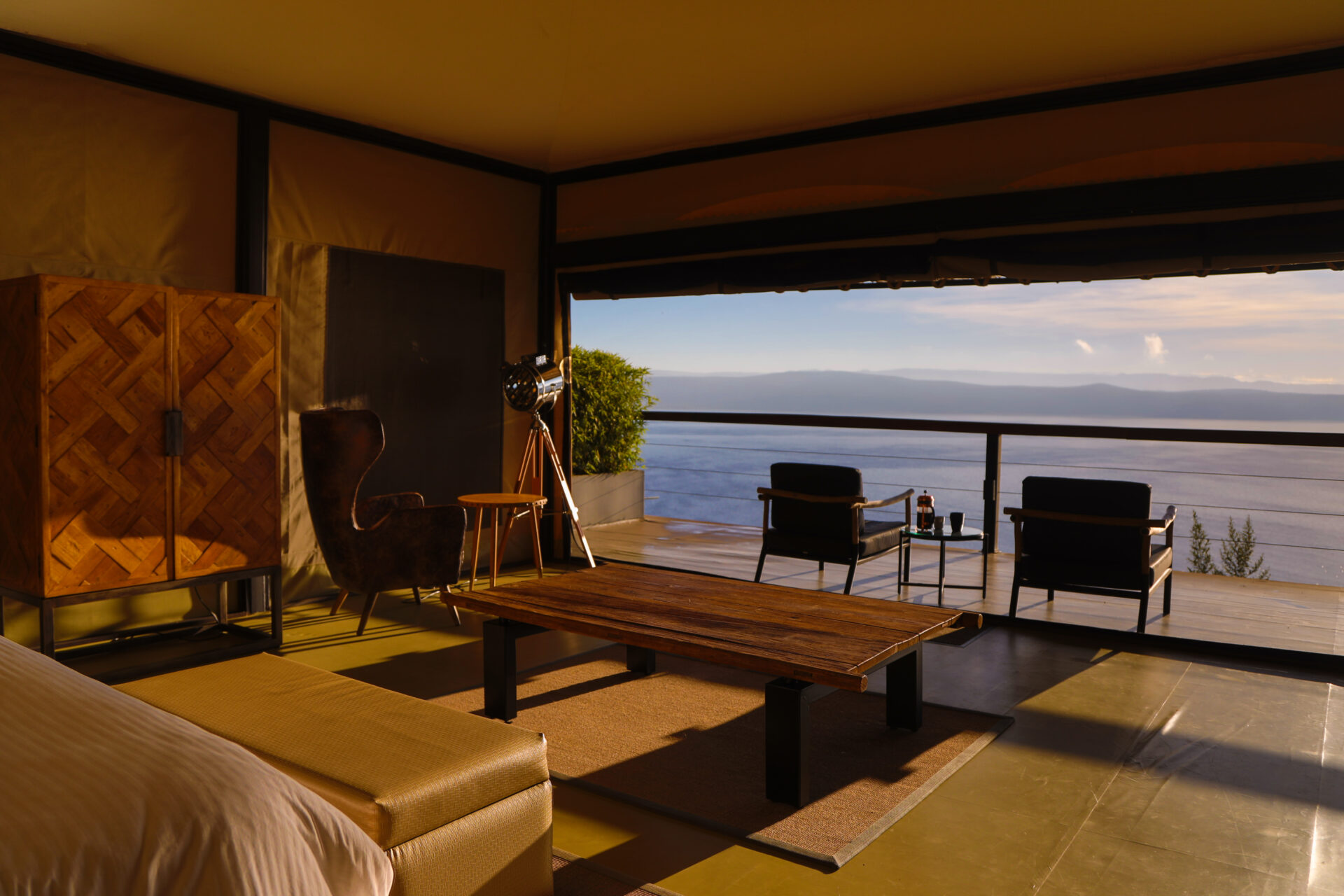
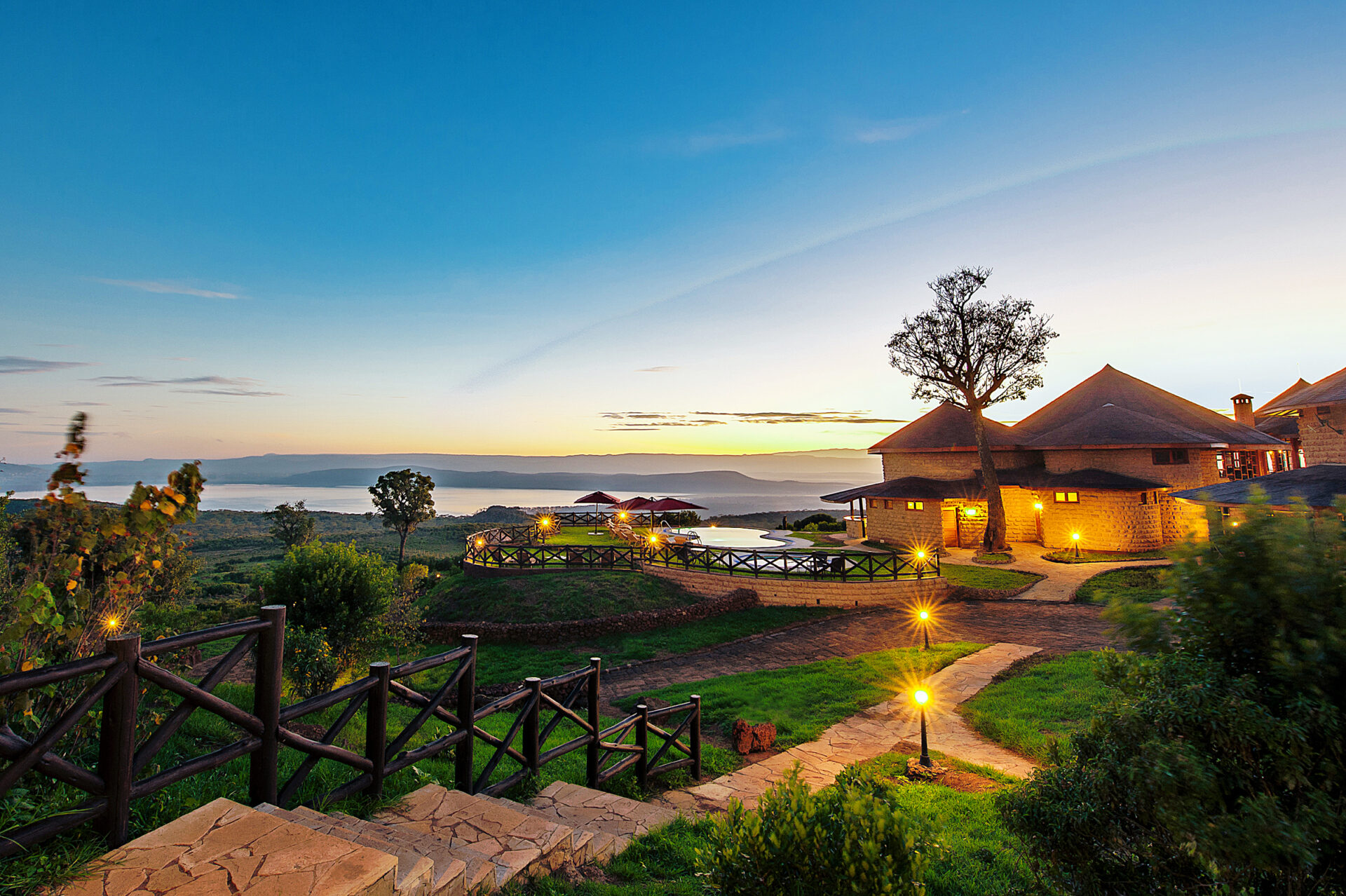
Lake Nakuru has a wide selection of lodges and safari camps, each positioned to highlight the park’s landscapes and wildlife. From classic properties to contemporary escapes, the area blends comfort with cinematic Rift Valley views.
- Many properties overlook the plains or the lake itself.
- Ideal for travelers seeking exceptional accommodation in Lake Nakuru National Park.
- Well-placed for early-morning and late-afternoon game drives.
- Perfect for guests prioritizing comfort, accessibility, and wildlife proximity.

Lake Nakuru National Park offers an array of smaller yet unforgettable experiences, shaped by its unique blend of alkaline lake, woodlands, and Rift Valley escarpments.
Lion Hill & Out of Africa Lookouts
Perched on elevated ridges, these viewpoints offer breathtaking panoramas across the lake and its abundant wildlife.
The Acacia & Euphorbia Forests
Lake Nakuru’s woodlands are home to iconic yellow fever trees, towering euphorbia candelabra, and diverse mammals and birds.
Birdwatching
With over 450 recorded species, Lake Nakuru is one of Kenya’s premier birding destinations, from pelicans and ibises to kingfishers, raptors, and woodland species.
Discover a side of Kenya shaped by alkaline waters, vibrant birdlife, and thriving rhino populations. Whether you’re photographing flamingos at sunrise, exploring waterfalls and woodlands, or watching giraffes move through fever trees, a Lake Nakuru safari offers color, serenity, and extraordinary biodiversity at the very heart of the Great Rift Valley.


Rift Valley Lakes Safari
View TourClassic Family Exploration Safari
View TourA Day at the Lake Safari
View TourBirds and Beasts of Kenya Safari
View TourBest of Kenya Luxury Safari
View TourFlamingoes
01
Rhino
02

Giraffe
03

Buffalo
04

Lion
05
Choose a category to quickly find the help you need
The park covers approximately 188 square kilometers (73 square miles), including the alkaline lake, forests, grasslands, and escarpments.
Approximately 150 km northwest of the Kenyan capital, Nairobi, Lake Nakuru National Park is located in Nakuru County in central Kenya. The park covers about 188 sq. km (72.5 sq. mi), most of which is made up of the lake itself.
Lake Nakuru National Park is best visited when dry conditions make travel and game viewing easier. Two dry seasons occur; from June to September and January to March.
Traveling in FlashMc Tours fleet of comfortable safari vehicles, the journey by road from the capital, Nairobi, takes around 3 hours. Scheduled flights depart Nairobi’s Wilson Airport arriving in the park within 30 minutes.
Yes. As with any holiday destination, it is wise to practice standard travel safety precautions, like not going out alone after dark. Remember that the area is home to various wild animals that may pose a threat if they feel threatened. By following the instructions of your guide or park authorities, these risks are mitigated.
Most travelers arrive by road from Nairobi via the Rift Valley escarpment, entering through the Main Gate or Lanet Gate.
Birdwatchers are in for a special treat with our Bird Watching Safaris, with over 450 species on record. Unusually, there are no elephants in Lake Nakuru National Park. Their absence is made up for in the presence of both black and white rhinos. The big cats are represented by lions, leopards, and cheetahs. Various antelope species, zebra, wildebeest, and giraffe are just some of the other species present.
Yes. Notable amongst these are black rhinos and Rothschild giraffes. The park has a proud history of protecting and providing safe areas for these and other threatened species to breed.
The large alkaline Lake Nakuru dominates the scenery. Its shores are dotted with marshes, giving way to grasslands, woodlands, and rocky cliffs as you move away from the water. Occasional patches of dense forest and thick bush hide more secretive species.
The best opportunity for spotting wildlife is during the morning and evening game drives. Nature’s finer details are revealed on guided walks. On and around the lakeshore, the prolific birdlife keeps avid birdwatchers enthralled. There are also viewpoints offering spectacular views.
Yes. Most of the lodges used by FlashMc Tours offer activities tailored to children. Short nature walks, archery lessons, arts and crafts, are just some of the ways kids are entertained. All activities emphasize the importance of conservation.
Yes. Game drives, walks, birdwatching and more are led by experienced guides with a deep understanding and passion for nature. Their know-how ensures guests have a holistic and satisfying experience.
Absolutely. Between the scenery, diverse birdlife, and prolific wildlife, photographers visiting Lake Nakuru National Park are spoilt for choice. Pink flamingos and prehistoric looking rhino are commonly photographed subjects.
Although FlashMc Tours offer both morning and evening game drives, a popular alternative is a full day excursion, complete with a picnic hamper and refreshments. There is also time for birdwatching, visits to local communities, and after dinner, some camps offer night drives outside of the park.
There are 5 private lodges within Lake Nakuru National Park. These offer a range of accommodations, from tented safari camps to high-end safari lodges. Accordingly, they vary in price, amenities, and facilities on offer – although all encapsulate the wild essence of the surrounding landscape.
The park’s visitor facilities include visitor centers, viewpoints, and picnic sites. The private camps have restaurants, lounge areas, and swimming pools. Some even offer wellness treatments and conference facilities.
Lake Nakuru National Park’s conservation efforts are focused on law enforcement, habitat management, engaging the local community, and preserving species diversity. Monitoring programs of endangered species are also in place.
The funds collected by way of tourism go a long way to keeping the park economically viable. This in turn means that the park is able to allocate finances to important conservation programs. Visitors can visit some of these programs, and visits to the local communities fosters goodwill, enhancing conservation efforts. Guests also help by adhering to regulations and being mindful of their ecological footprint.
Lake Nakuru National Park is divided into four zones to manage the impact of tourism. The use of renewable energy and eco-friendly waste management is practiced. Water and soil conservation programs seek to offset the impact of human activity on the fragile lake ecosystem. Community-based tourism enterprises ensure that the neighboring communities share in the benefits of the park’s existence.
While there are no historical landmarks in the park, it is nevertheless integral to the culture and traditions of the local community.
As the historical inhabitants of the region, the local community have a longstanding affinity for the lake. To preserve this connection, the park works with these communities to promote sustainable development and conservation initiatives. The local community also benefits through employment opportunities with various stakeholders and projects funded with tourism revenue.
Yes. Visits to local villages and upliftment projects are encouraged. Guests get a fascinating insight into the past and present way of life of the indigenous people, as well as a firsthand look at how sustainable tourism benefits all.
Safari clothing is ideally lightweight, neutral in color, and breathable. Sun protection in the form of headwear, sunscreen, and sunglasses is essential. As is insect repellant, a first-aid kit, a water bottle and comfortable walking shoes. If you use chronic medication, bring enough for the duration of your safari holiday. A camera and binoculars improve any safari experience.
No. When you book with FlashMc Tours, the park entry fees are included in the price.
Familiarize yourself with the park regulations for your safety and to preserve the environment. In particular, do not harm, harass, or feed any wild animal. Do not wander around alone, particularly after dark. Show respect for the local people. Do not litter or create excessive noise.
Do you have any other questions?
Get in touch with one of our experts for a free consultation.
Kenya welcomes travelers in every season, from the clear, dry months that deliver superb Big Five encounters to the awe-inspiring Great Migration in the Maasai Mara and the vibrant green season, when the landscape bursts with birdlife and new vegetation. Whether you’re seeking prime game viewing, a quieter time to explore, or sunshine along the Indian Ocean coast, our when to go to Kenya page guides you through the seasons so you can plan your trip at the perfect moment.


- Tailor-made Lake Nakuru safari tours are at the heart of what we do. From family-friendly adventures to luxury safaris, we design journeys that match your pace, interests, and dreams.
- Expert Local Guides: Our experienced trackers and safari specialists bring Kenya’s wilderness to life with knowledge, humor, and care.
- Financial Security: Book with confidence through KATO bonding and trusted partnerships across East Africa.
- 5-Star Reviews: Trusted by travelers worldwide, we’re known for turning safaris into stories worth telling.


Ensure a smooth trip by knowing e-visa requirements, packing right, and answering safari FAQs.
Plan your next adventure with us! We are available for you 24/7, wherever you are in the world. You will be the first to know about all discounts and offers if you leave your email here


