Few countries are as closely tied to safari as Kenya. This is where many people first picture Africa: lion prides resting in sun-bleached grasslands, elephants crossing dusty plains beneath Mount Kilimanjaro, flamingos lifting from Rift Valley lakes, and wildebeest pushing through crocodile-filled rivers during the Great Migration. But the best Kenya wildlife parks are far more varied than most would expect.
The country has an incredible range of landscapes and safari styles. The open plains of the Masai Mara feel entirely different from the dry northern wilderness of Samburu. Forested mountain parks contrast with volcanic escarpments, while private conservancies deliver a more exclusive safari experience away from heavy vehicle traffic.
Increasingly, travelers are becoming more selective about the kind of safari they want. In 2026, many visitors are prioritizing:
That shift is reshaping how people experience the best wildlife parks in Kenya. Rather than focusing on a single destination, stronger itineraries now combine contrasting regions.

Kenya remains one of Africa’s strongest safari destinations because it perfectly balances accessibility with depth. For first-time safari travelers, the country has iconic wildlife experiences that are relatively easy to navigate. For return travellers, Kenya delivers deeper exploration through conservancies, remote northern regions, and more specialized safari experiences. It also remains one of the few safari destinations where conservation tourism positively shapes the travel experience.
Private conservancies surrounding many of Kenya’s national parks have transformed safari travel over the last decade. In places like the Masai Mara and Laikipia, these conservancies allow for:

A list of the best wildlife parks in Kenya simply isn’t complete without the Masai Mara.
The reserve remains one of Africa’s most coveted safari destinations, and in 2026, it continues to deliver some of the continent’s strongest wildlife viewing. Predator sightings are exceptional year-round, and the sheer scale of the landscape still humbles travelers despite its popularity.
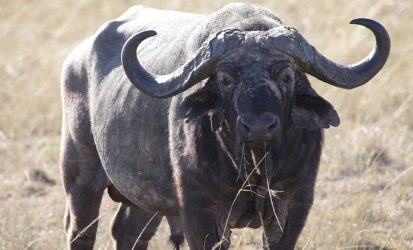
What surprises many first-time visitors is how active the Mara remains outside of the Great Migration season. Lions, elephants, cheetahs, buffalo, giraffes, leopards, and hyenas are regularly seen throughout the year.
The conversation around the Mara has shifted. Increasingly, experienced safari planners are encouraging travelers to stay in surrounding conservancies rather than inside the reserve itself. Conservancies such as Mara North, Naboisho, Olare Motorogi, and the Mara Triangle have a quieter safari atmosphere, while still maintaining outstanding wildlife viewing.
The difference is noticeable:
For many travelers, this creates a less crowded safari experience than the reserve alone.

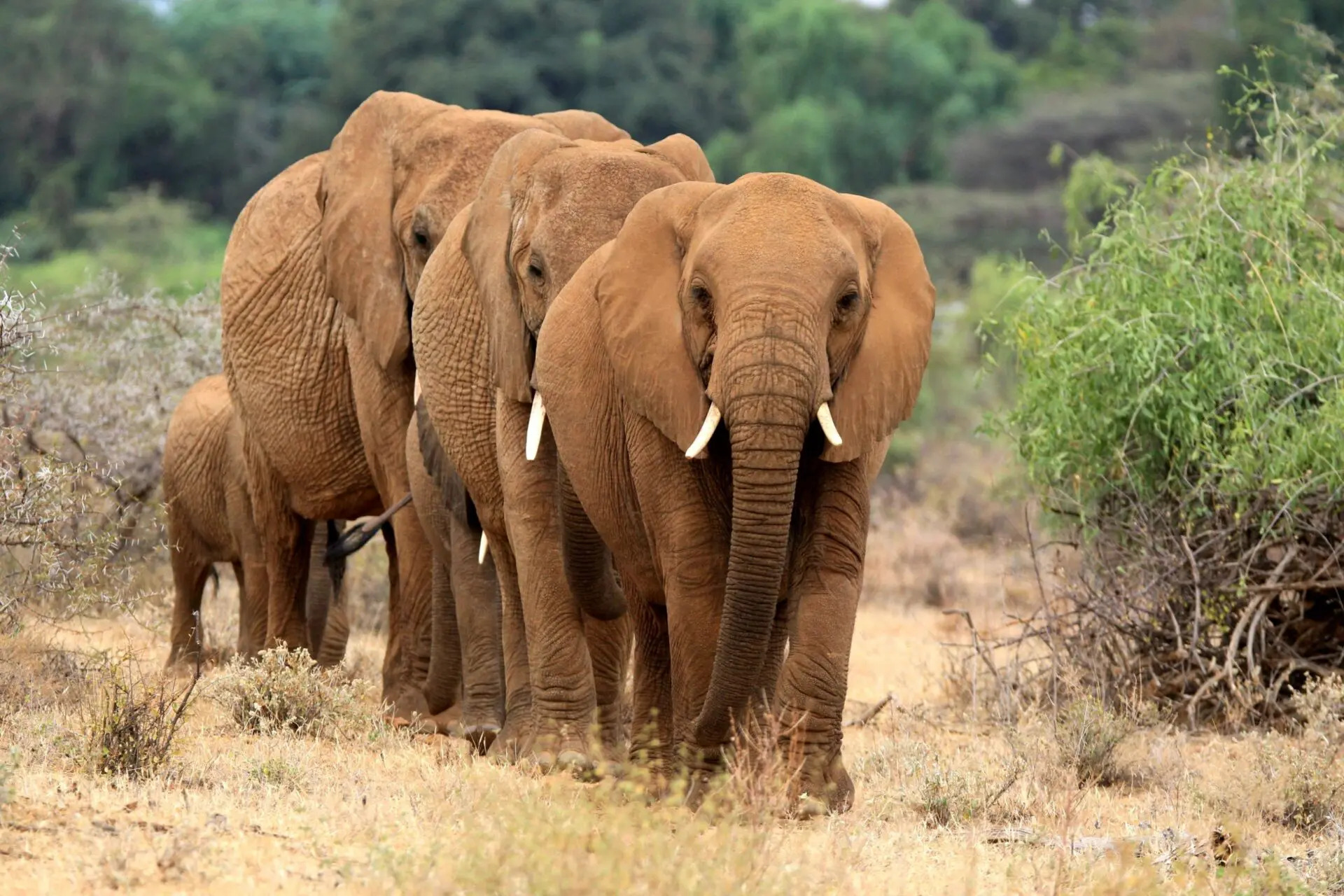
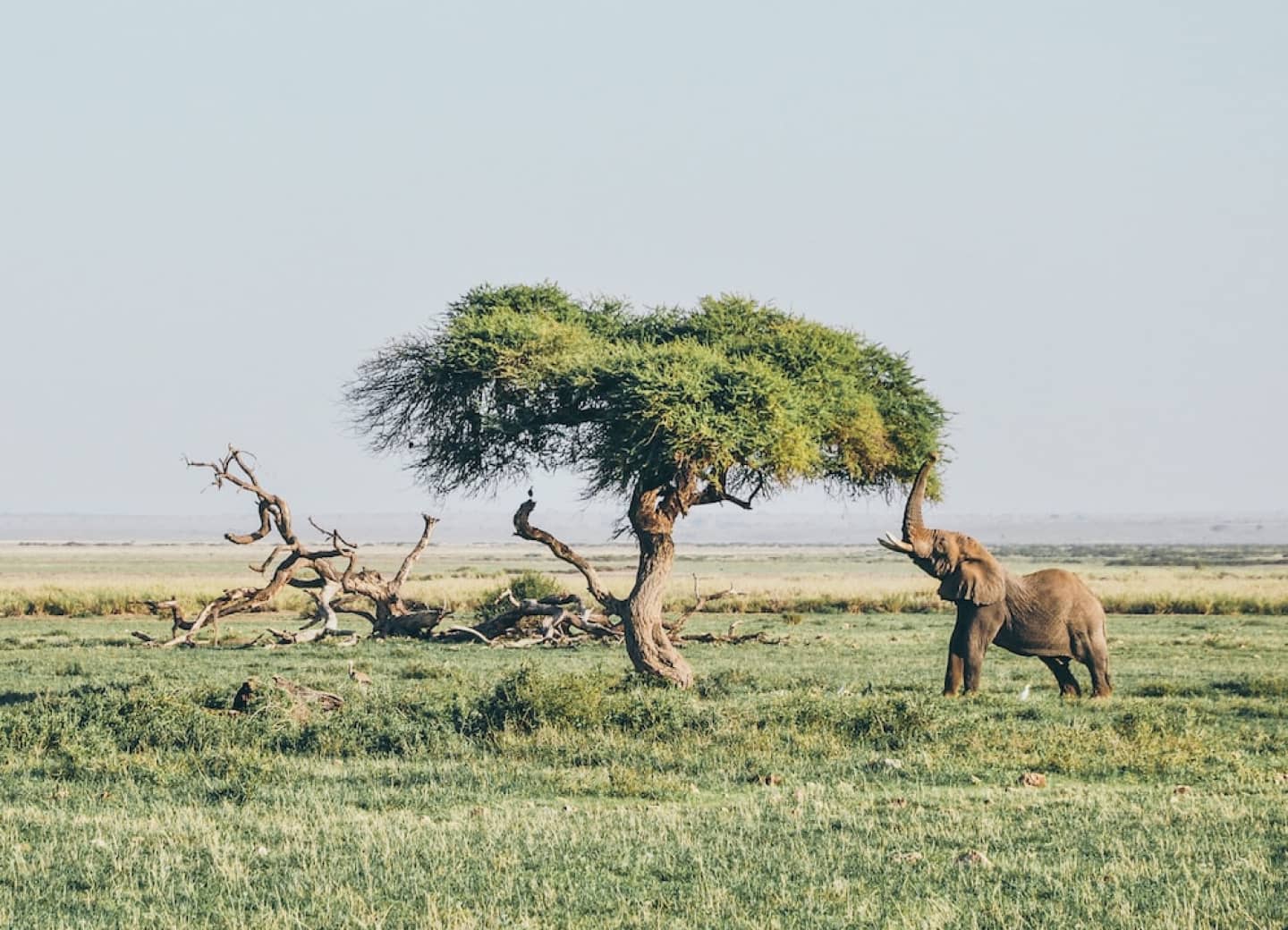
Amboseli is instantly recognizable. The combination of elephant herds moving across the plains beneath Mount Kilimanjaro has become one of East Africa’s iconic safari images. Yet the park’s appeal goes well beyond photography. Amboseli has some of the best elephant viewing anywhere in Africa. The open terrain allows for long, uninterrupted sightings, and the park’s herds are among the most researched on the continent.
Wildlife is relatively easy to spot thanks to the sparse vegetation, particularly during the dry season. Visitors regularly encounter:
Amboseli works particularly well as part of a broader East African itinerary rather than a standalone safari. Its location makes it easy to combine with the Masai Mara or even northern Tanzania.
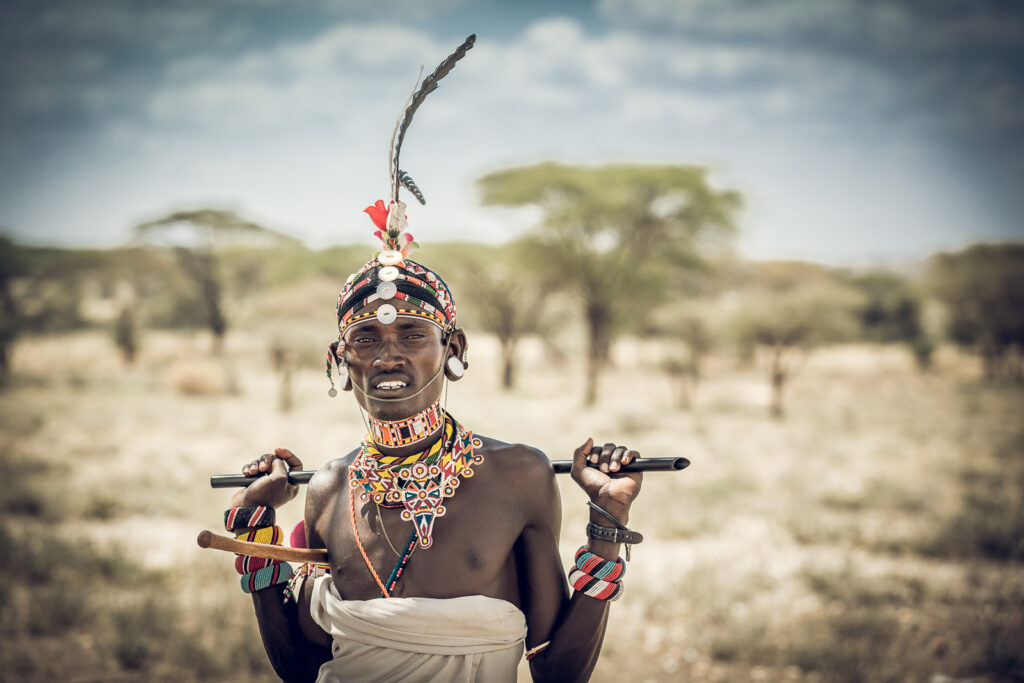
Northern Kenya feels entirely separate from the country’s southern safari circuit. The landscapes become drier, more rugged, and wilder. Riverbeds cut through rocky terrain, the light feels harsher, and the safari ambience is quieter. Samburu sits at the center of this region and remains one of the most unique Kenya wildlife parks to visit in 2026.
What makes Samburu special is its concentration of species rarely seen elsewhere in the country, the Samburu “Special Five”:
The reserve is also known for strong leopard sightings and healthy elephant populations along the Ewaso Nyiro River. The experience feels less refined and more exploratory, which is exactly why repeat safari travelers are increasingly drawn north.
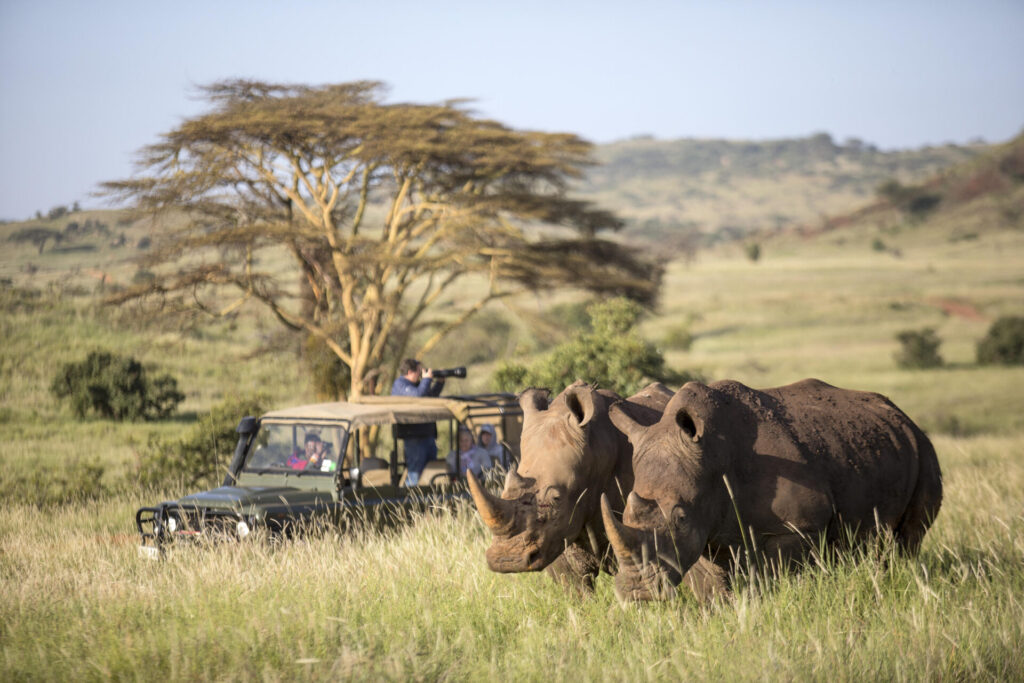
Laikipia has quietly become one of Africa’s most important conservation regions. Unlike traditional national parks, Laikipia is made up of private conservancies and wildlife ranches spread across Kenya’s central highlands. This has created a safari model centered around conservation, low-impact tourism, and highly unique experiences. For travelers wanting something beyond conventional safaris, Laikipia is the best option for:
What distinguishes Laikipia is not necessarily wildlife density but how travelers experience it.
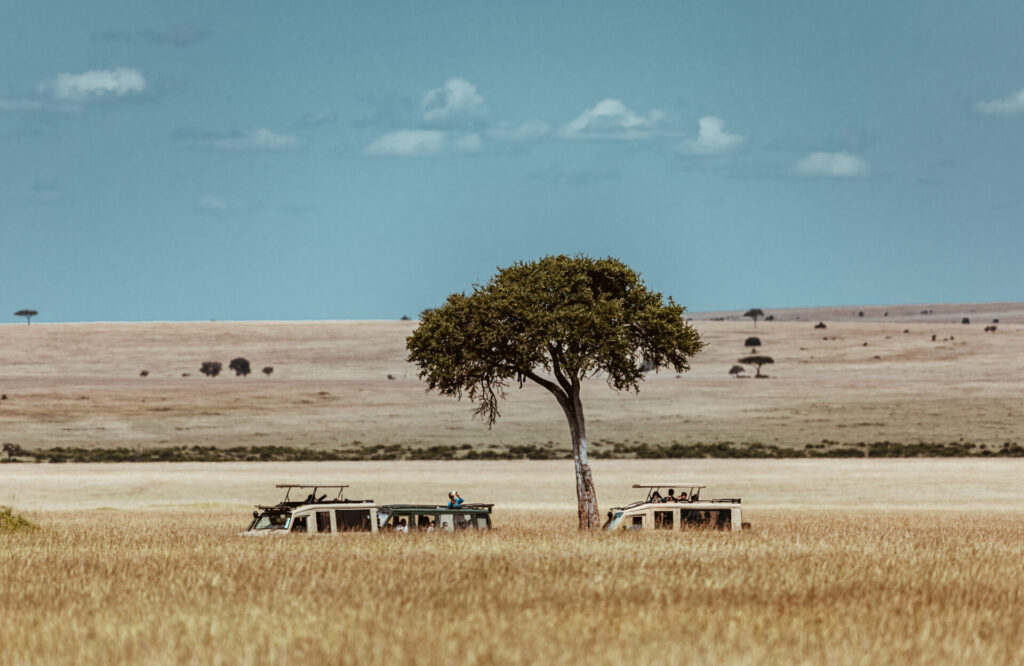
Together, Tsavo East and Tsavo West form one of Africa’s largest protected ecosystems, and yet, compared to the Masai Mara, they remain surprisingly overlooked. That relative lack of tourism is precisely what makes Tsavo increasingly appealing in 2026. These parks feel vast and unpredictable in ways many safari destinations no longer do.
The landscapes shift constantly:
Wildlife sightings are less concentrated than in the Mara, but that unpredictability becomes part of the experience. Travelers come here for:
Tsavo also combines exceptionally well with Kenya’s coastline, particularly Diani Beach and Watamu.

Lake Nakuru has changed considerably over the years. While the park was once visited primarily for massive flamingo populations, shifting lake levels have altered those seasonal gatherings. Today, Nakuru is better known as one of Kenya’s most reliable rhino sanctuaries. The park has strong opportunities to see both black and white rhinos, often within a relatively short game drive.
Other wildlife includes:
The park itself is relatively compact, and it works particularly well for travelers wanting productive wildlife viewing within a shorter itinerary.
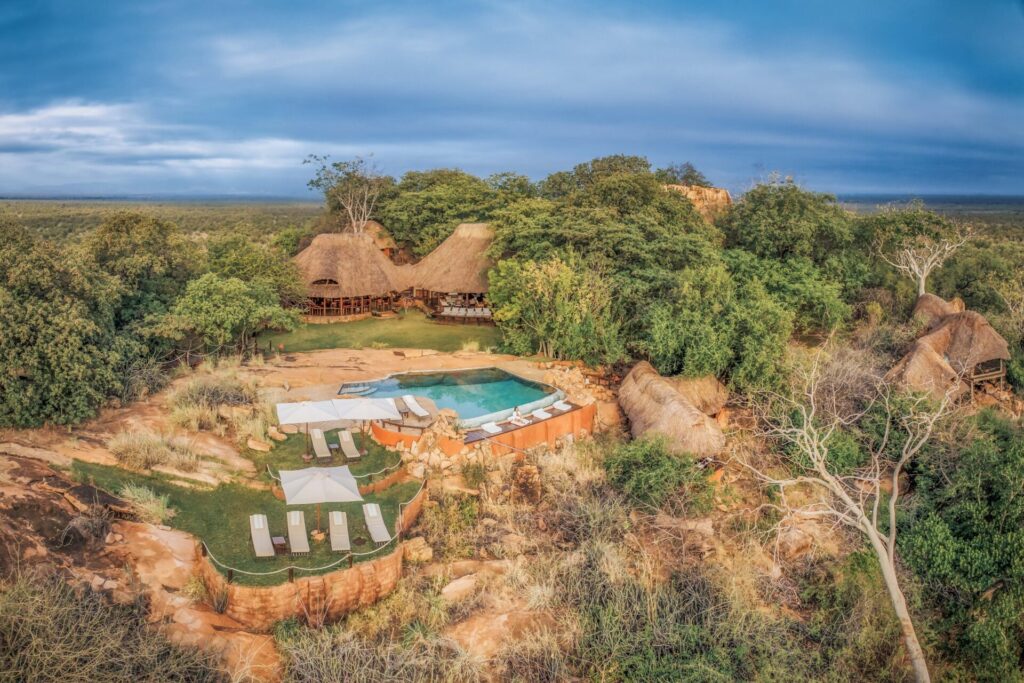
Meru National Park is one of the country’s most underrated safari regions. The landscape is greener than many of Kenya’s more famous parks. Rivers cut through dense vegetation, baobabs rise from open grasslands, and the safari experience feels notably more exclusive.
Wildlife sightings include:
What makes Meru stand out is the absence of crowds; it is entirely possible to spend hours on a game drive without seeing another vehicle. For those in search of an intimate safari experience, Meru is one of the strongest wildlife parks in Kenya to consider in 2026.
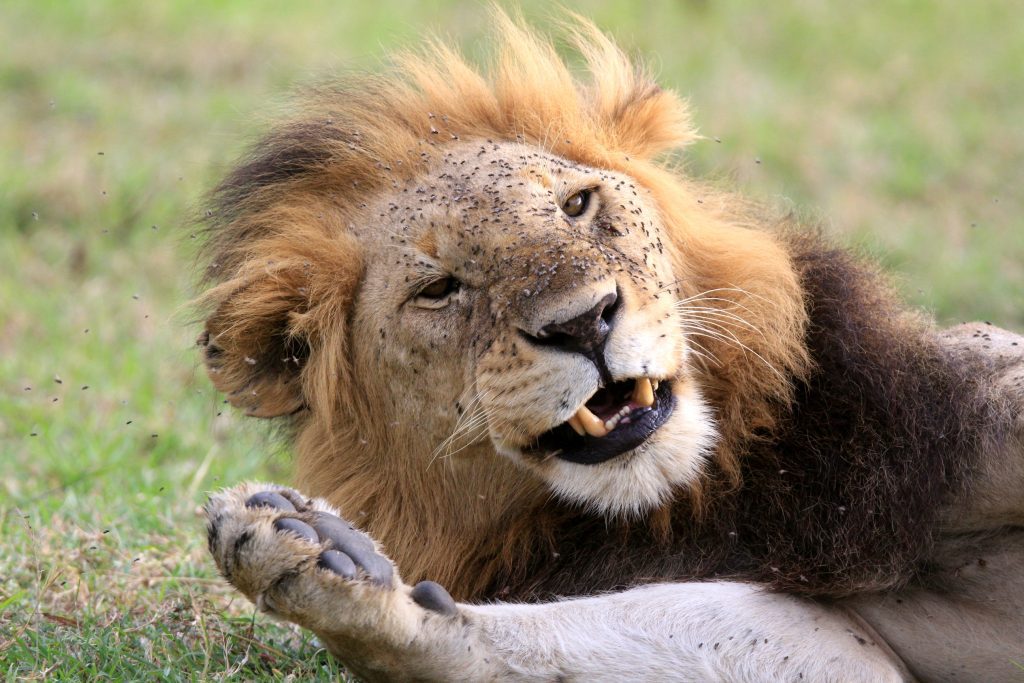
Aberdare feels worlds away from Kenya’s classic safari plains. Dense bamboo forest, mist-covered hills, waterfalls, and cooler mountain air create an entirely different kind of safari experience. Wildlife here is admittedly more elusive but still absolutely worth seeing:
The region’s tree lodges remain one of its best experiences, letting travelers watch wildlife gather around illuminated waterholes after dark.
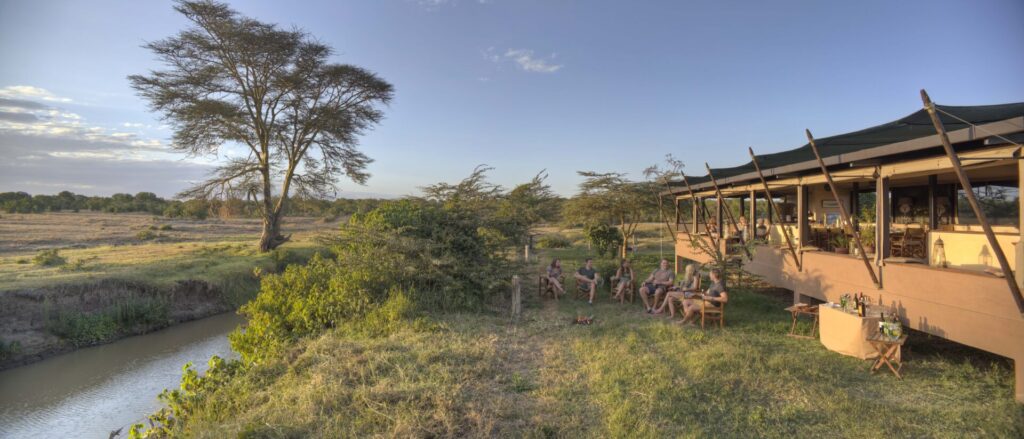
Ol Pejeta has become one of Kenya’s most important conservation destinations. Located within Laikipia, the conservancy is home to East Africa’s largest black rhino sanctuary and combines strong wildlife viewing with meaningful conservation work.
Wildlife includes:
In terms of the best Kenya wildlife parks, Ol Pejeta stands out because conservation is not treated as marketing language here; it is intricately woven into the entire safari experience, and your safari here gives back meaningfully to efforts made on the ground.
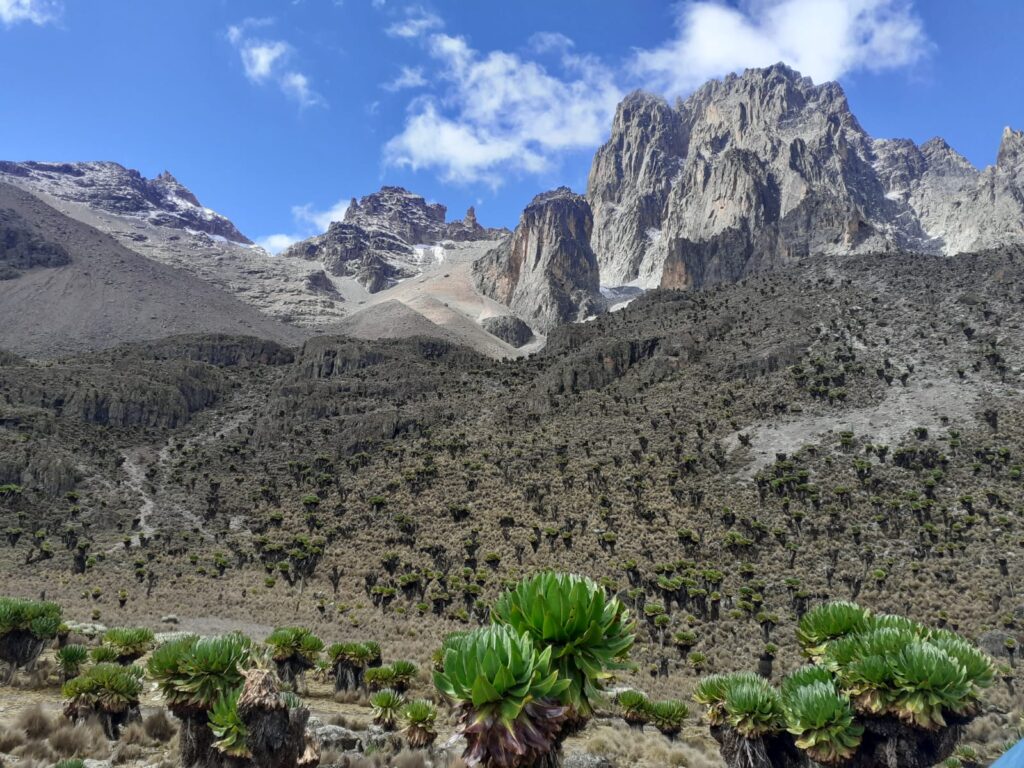
Mount Kenya introduces an entirely different side of the country. The landscapes shift from forest to alpine vegetation and glacial valleys, creating one of Kenya’s most dramatic highland environments. While wildlife is subtler than in the savannah parks, the ambience is what draws travelers here. The region works particularly well for those wanting contrast within a broader itinerary.
Activities often include:
Also, it pairs especially well with Laikipia or Samburu.

For most travelers, the best time to visit the top Kenya wildlife parks is:
These periods generally offer:
The Great Migration usually reaches the Masai Mara between July and October, though rainfall patterns affect exact timing each year. That said, shoulder seasons are becoming increasingly appealing for travelers wanting less crowded safari experiences and stronger value for money.

Kenya remains one of Africa’s incredible safari destinations because it brings more than just wildlife sightings. It brings an incredible amount of contrast. One week can include predator-filled plains, mountain forests, remote desert landscapes, conservation conservancies, and the Indian Ocean coastline. Few countries create that level of variety so naturally.
And in 2026, the best safari experiences are moving toward something more thoughtful: lower-impact tourism and impactful conservation involvement. The best wildlife parks in Kenya bring an awe-inspiring connection to landscapes, wildlife, and the people who protect them.




Our 5-day Ol Pejeta and Samburu Safari showcases two of Kenya’s most interesting wildlife destinations. Firstly you’ll visit the privately owned Ol Pejeta Conservancy, widely credited with savin
Price From




This six days safari combines the superb Lewa Conservancy in Laikipia in northern Kenya with the outstanding Masai Mara National Reserve in the south-west. Offering some of the best game viewing anywh

Price From




This ten day safari gives nature lovers an extended and diverse view of Kenya; its wildlife, its wonderful landscapes and its warm-hearted people. Given the country’s natural heritage, it’s only
Price From
Our 5-day Ol Pejeta and Samburu Safari showcases two of Kenya’s most interesting wildlife destinations. Firstly you’ll visit the privately owned Ol Pejeta Conservancy, widely credited with savin
Price From
This six days safari combines the superb Lewa Conservancy in Laikipia in northern Kenya with the outstanding Masai Mara National Reserve in the south-west. Offering some of the best game viewing anywh
Price From
This ten day safari gives nature lovers an extended and diverse view of Kenya; its wildlife, its wonderful landscapes and its warm-hearted people. Given the country’s natural heritage, it’s only
Price From
If you don't want to miss useful and interesting articles, leave us your email.
Also you will be the first to know about all discounts and offers.









Personalized service by travel experts with first-hand knowledge

Customizable tours to your preference

400+ 5-star TripAdvisor and Google reviews

Booking Security - Money - back guarantee & 24/7 support