| Activity |
Long Dry Season Jun–Sep |
Short Wet Season Oct–Nov |
Short Dry Season Dec–Feb |
Long Wet Season Mar–May |
|---|---|---|---|---|
| Birdwatching | High | Excellent | Excellent | Good |
| Rhino & Big Game Viewing | Excellent | Good | Excellent | Good |
| Photography | Excellent | High | Excellent | Good |
| Scenic Viewpoints | Excellent | Good | Excellent | Good |

Lake Nakuru’s famous flamingos and pelicans are present year-round, but peak viewing often occurs from December to April, when water levels stabilize and algae concentrations rise. The short rains bring rich feeding conditions, and migratory birds join the resident population, creating extraordinary birdlife diversity along the alkaline shoreline.

The long dry season (June – September) offers the best visibility for black and white rhinos, Rothschild’s giraffes, buffalo, lions, and other wildlife. Grass levels are lower, animals congregate near the lake or woodland edges, and the roads are firm and easy to navigate. The short dry season (December – February) is similarly excellent, with warm conditions and frequent sightings.

For those seeking raptors, woodland birds, and waterbirds, the November – April birding window is unbeatable. Migratory species arrive, acacia forests come alive with song, and the lake attracts massive gatherings of pelicans, stilts, herons, ibises, and more. The wet season enhances feeding conditions but may make some tracks muddy.

Photographers will love the June – September dry season for crisp air, brilliant lake reflections, and dramatic vantage points from Baboon Cliff and Lion Hill. The green season (November – April) creates lush scenery, moody coastal light, and the atmospheric mist that rolls in across the lake after rain, perfect for creative landscape and wildlife photography.
Lake Nakuru National Park experiences a mild Rift Valley climate with warm days, cooler evenings, and shifting lake levels that influence wildlife patterns. Average daytime temperatures range from 22 – 28 °C (72 – 82 °F).

January
Bright mornings, excellent flamingo and pelican sightings.
February
Warm and stable, ideal for full-day game drives and viewpoint visits.

March
Greenery increases, excellent for pelicans and forest birding.
April
Wettest month; dramatic skies and misty lake scenes.
May
Still rainy, but vibrant landscapes and great photographic conditions.

Late July
Rhinos active on open plains; excellent photographic clarity.
August
Cool, dry mornings ideal for game drives.
September
Warm, scenic, and ideal for hiking to viewpoints.
October
Dry early in the month; dramatic colors return as rains approach.

November
Green landscapes and strong bird activity across the lake.
December
Beautiful mix of sunshine and short showers; wildlife highly active.
Lake Nakuru National Park generally experiences warm days and mild nights, with temperatures ranging from 18 – 28 °C (64 – 82 °F) throughout the year. Short rains fall from October to December, and long rains from March to May. Dry months provide the best game viewing and accessibility.
General weather summary in November
Feel like
-
What to wear
-
Daylight length
-
Chance of rain
-
Amount
-
Wind speed
-
Humidity
-
Sunrise
-
Sunset
-
C°
Temperature
F°
30
20
10
0
86
68
50
32
General weather summary in December
Feel like
-
What to wear
-
Daylight length
-
Chance of rain
-
Amount
-
Wind speed
-
Humidity
-
Sunrise
-
Sunset
-
C°
Temperature
F°
30
20
10
0
86
68
50
32
General weather summary in January
Feel like
-
What to wear
-
Daylight length
-
Chance of rain
-
Amount
-
Wind speed
-
Humidity
-
Sunrise
-
Sunset
-
C°
Temperature
F°
30
20
10
0
86
68
50
32
General weather summary in February
Feel like
-
What to wear
-
Daylight length
-
Chance of rain
-
Amount
-
Wind speed
-
Humidity
-
Sunrise
-
Sunset
-
C°
Temperature
F°
30
20
10
0
86
68
50
32
General weather summary in March
Feel like
-
What to wear
-
Daylight length
-
Chance of rain
-
Amount
-
Wind speed
-
Humidity
-
Sunrise
-
Sunset
-
C°
Temperature
F°
30
20
10
0
86
68
50
32
General weather summary in April
Feel like
-
What to wear
-
Daylight length
-
Chance of rain
-
Amount
-
Wind speed
-
Humidity
-
Sunrise
-
Sunset
-
C°
Temperature
F°
30
20
10
0
86
68
50
32
General weather summary in May
Feel like
-
What to wear
-
Daylight length
-
Chance of rain
-
Amount
-
Wind speed
-
Humidity
-
Sunrise
-
Sunset
-
C°
Temperature
F°
30
20
10
0
86
68
50
32
General weather summary in June
Feel like
-
What to wear
-
Daylight length
-
Chance of rain
-
Amount
-
Wind speed
-
Humidity
-
Sunrise
-
Sunset
-
C°
Temperature
F°
30
20
10
0
86
68
50
32
General weather summary in July
Feel like
-
What to wear
-
Daylight length
-
Chance of rain
-
Amount
-
Wind speed
-
Humidity
-
Sunrise
-
Sunset
-
C°
Temperature
F°
30
20
10
0
86
68
50
32
General weather summary in August
Feel like
-
What to wear
-
Daylight length
-
Chance of rain
-
Amount
-
Wind speed
-
Humidity
-
Sunrise
-
Sunset
-
C°
Temperature
F°
30
20
10
0
86
68
50
32
General weather summary in September
Feel like
-
What to wear
-
Daylight length
-
Chance of rain
-
Amount
-
Wind speed
-
Humidity
-
Sunrise
-
Sunset
-
C°
Temperature
F°
30
20
10
0
86
68
50
32
General weather summary in October
Feel like
-
What to wear
-
Daylight length
-
Chance of rain
-
Amount
-
Wind speed
-
Humidity
-
Sunrise
-
Sunset
-
C°
Temperature
F°
30
20
10
0
86
68
50
32
Explore Lake Nakuru National Park through wildlife itineraries that highlight the lake’s flamingos, rhino sanctuary, acacia forests, and sweeping Rift Valley viewpoints. From birding-focused safaris to family-friendly wildlife tours, Flash McTours provides seamless planning, knowledgeable guides, and personalized itineraries tailored to your interests.


Jambo! Welcome to East Africa - the home of the African safari. This seven-day Tanzania and Kenya Safari has been tailor-made to showcase four of the region’s pre
Price From


The birds on East African safari are as stunning, diverse, and intriguing as the many mammals of the vast plains. Dotted with volcanic lakes, Kenya is replete with hundreds of avian species that migra

Price From
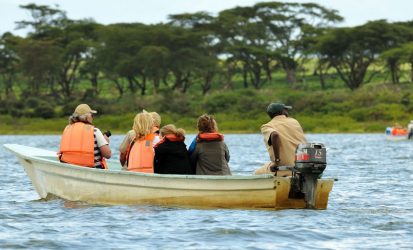
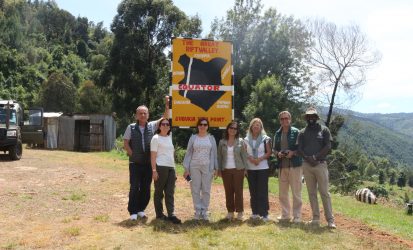
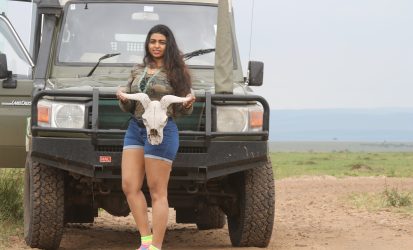

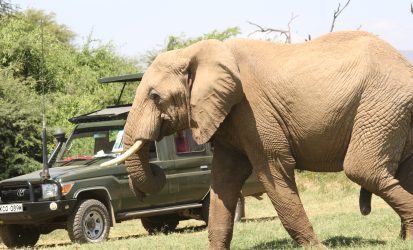
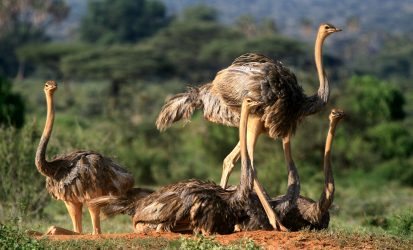
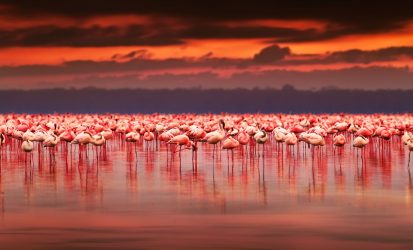
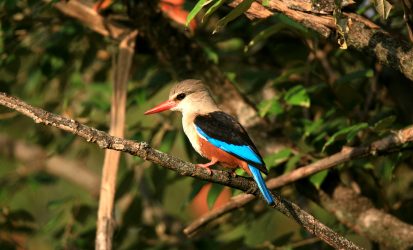
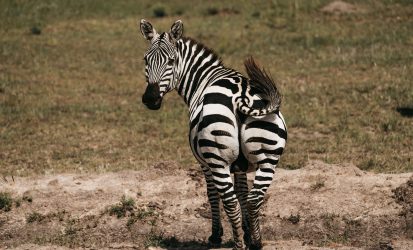

This 9 Days Bird Watching Kenya Safaris is created especially for the bird lovers who wish to see Kenya’s avifauna’s of over 1100 species. The 9 Days Bird Watching Kenya Safaris will focus on the
Price From
Jambo! Welcome to East Africa - the home of the African safari. This seven-day Tanzania and Kenya Safari has been tailor-made to showcase four of the region’s pre
Price From
The birds on East African safari are as stunning, diverse, and intriguing as the many mammals of the vast plains. Dotted with volcanic lakes, Kenya is replete with hundreds of avian species that migra
Price From
This 9 Days Bird Watching Kenya Safaris is created especially for the bird lovers who wish to see Kenya’s avifauna’s of over 1100 species. The 9 Days Bird Watching Kenya Safaris will focus on the
Price From
June – September and December – February offer the best visibility and wildlife viewing.
Yes. The park remains open, though some roads may be muddy. Birdlife is exceptional.
Warm days, cooler evenings, and shifting lake conditions influenced by rainfall.
March – May, when long rains reduce visitor numbers and some lodges offer lower rates.
Yes. Short rains taper off, flamingo numbers often increase, and wildlife remains active.
November – April, when migrants join resident species.
Yes. Shores remain humid and cooler, while escarpments warm quickly in sunlight.
Generally yes, especially rhinos, giraffes, buffalo, lions, and pelicans.
Dry season trips (June – October) should be booked 4 – 6 months in advance, especially around popular holiday periods.
Do you have any other questions?
Get in touch with one of our experts for a free consultation.


Personalized service by travel experts with first-hand knowledge

Customizable tours to your preference

400+ 5-star TripAdvisor and Google reviews

Booking Security - Money - back guarantee & 24/7 support


Click one of our representatives below to chat on WhatsApp