Discover Its Beauty and Wildlife
Rising from the highlands of northern Tanzania, the Ngorongoro Conservation Area is one of Africa’s most extraordinary safari destinations. At its heart lies the Ngorongoro Crater, the world’s largest intact volcanic caldera, a vast natural amphitheater where grasslands, lakes, and forests shelter an astonishing concentration of wildlife.
This is a place where geology, ecology, and human history converge in rare balance.
Mornings begin with mist spilling over the crater rim as sunlight gradually reveals sweeping plains dotted with wildebeest, zebra, and buffalo. Lions patrol the open grassland, black rhinos graze cautiously near swamps, and flamingos tint soda lakes with soft pink hues. A Ngorongoro Conservation Area safari feels monumental, bringing wildlife encounters of remarkable density set within a landscape unlike anywhere else on Earth.

The Ngorongoro Conservation Area is widely regarded as one of Africa’s top safari destinations, combining exceptional wildlife viewing, dramatic scenery, and a pioneering conservation model that protects both nature and culture.
At its heart lies the Ngorongoro Crater, the world’s largest intact volcanic caldera, supporting an extraordinary concentration of wildlife year-round. The crater floor is home to lions, elephants, buffalo, hippos, hyenas, and one of the strongest populations of endangered black rhinos.

The Ngorongoro Crater forms the centerpiece of the conservation area, enclosing nearly 100 square miles of rich grazing land within its steep walls. Wildlife remains largely resident, creating one of the most reliable game-viewing experiences in Africa.
- Dense populations of plains game.
- Reliable sightings throughout the year.
- Natural enclosure concentrating wildlife.
- One of Africa’s most iconic safari settings.

Ngorongoro is one of the few places in Tanzania where you can realistically see the Big Five in a single day. Lions, elephants, buffalo, leopards, and critically endangered black rhinos all thrive within the crater.
- Strong lion prides.
- One of Tanzania’s best places to see black rhinos.
- High success rate for Big Five sightings.
- Ideal for first-time safari travelers.

Many travelers ask what the Ngorongoro Conservation Area is and why it is such a top tourist attraction. The answer lies in its unique status: Ngorongoro is a multiple-use conservation area where wildlife protection, Maasai pastoralism, and archaeological preservation coexist.
- UNESCO World Heritage Site.
- Protected wildlife and cultural landscapes.
- Sustainable land-use model.
- A global conservation success story.

Within the Ngorongoro Conservation Area lies Olduvai Gorge, one of the most important paleoanthropological sites in the world. Here, some of the earliest evidence of human ancestors was discovered, adding profound historical depth to any visit.
- Cradle of humankind discoveries.
- Fascinating archaeological sites.
- Adds cultural and historical context.
- A unique complement to wildlife safaris.

The landscapes of Ngorongoro extend far beyond the crater floor. Highland forests, open grasslands, and sweeping rim viewpoints create constantly changing scenery and some of Tanzania’s most dramatic photographic opportunities.
- Panoramic crater viewpoints.
- Cooler highland climate.
- Forests, plains, and volcanic features.
- Exceptional scenery year-round.
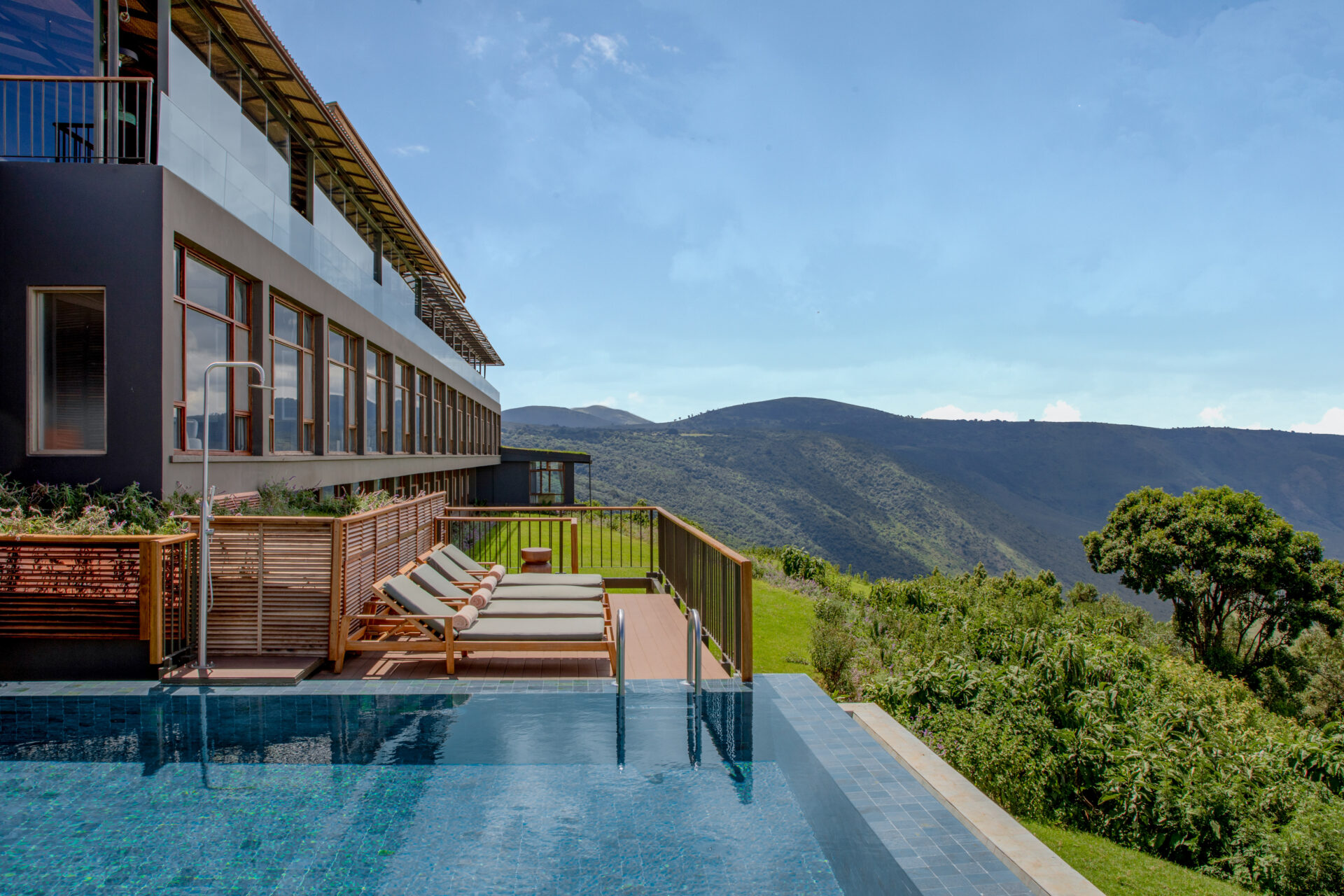
Accommodation within the Ngorongoro Conservation Area includes iconic crater-rim lodges and thoughtfully positioned camps overlooking vast landscapes. Many Ngorongoro Conservation Area hotels offer direct views into the crater, creating unforgettable sunrise and sunset moments.
- Crater-rim lodge locations.
- Dramatic views from rooms and terraces.
- Mid-range to luxury options.
- Ideal for short, impactful stays.

More Highlights of a Ngorongoro Safari
Ngorongoro Crater Game Drives
Descend into a wildlife-filled volcanic bowl.
Black Rhino Encounters
One of Tanzania’s most reliable places to see rhinos.
Crater Photography
Capture sweeping views and wildlife against volcanic backdrops.
Cultural & Historical Depth
Combine safari with ancient human history.
A safari in the Ngorongoro Conservation Area, Tanzania is defined by intensity and contrast. Within a single day, you move from misty crater rims to wildlife-rich plains alive with movement. Compact yet profoundly rich, Ngorongoro delivers one of the most complete safari experiences in Africa and remains a cornerstone of Tanzania’s northern circuit.


Choose a category to quickly find the help you need
Located in northern Tanzania, the Ngorongoro Conservation Area incorporates the Ngorongoro Crater within its 8292 sq. km (3201 sq. mi) area. It neighbors the Serengeti National Park to the northwest and the Great Rift Valley to the east.
Two dry seasons – from June to October and late December to February – are the best time to visit as wildlife is concentrated around water sources and the roads are easier to navigate.
By road, the conservation area is a 3-4 hour drive from Arusha or 5 hours from Kilimanjaro International Airport. Scheduled flights depart Arusha to airstrips within the Ngorongoro Conservation Area.
Yes, as a Tanzanian tourism hotspot the area is safe to visit. Practice standard travel safety precautions. Do not approach, harm, harass or feed any wildlife. Follow the instructions of your guide or local authorities.
The area is rich in wildlife, including the Big 5 (lion, leopard, elephant, rhino and buffalo). Large herds of wildebeest, zebra, various antelopes and other herbivores are common. Over 500 species of birds make this a popular place for birdwatching.
Endangered species seen in the area include black rhinos, cheetahs and African wild dogs.
The greater area is typified by savannah grasslands with intermittent woodlands and thickets, as well as the rugged terrain of the Gol Mountains. The Ngorongoro Crater towers over the surrounding landscape with volcanic highlands and dense patches of forest. Within, the flat crater base is dense with wildlife.
Game drives, guided walks, birdwatching, hot-air balloon flights, birdwatching and horse riding can be done in the Ngorongoro Conservation Area. Step back in time with a visit to Olduvai Gorge, an important paleoanthropological site or add some color at Empakaai Crater.
Yes, the various lodges and camps within the area have activities and programs specifically designed to heighten children’s interest in wildlife conservation.
Yes, whether in the company of your qualified FlashMc Tours guide or one employed by a local lodge, guided tours are the best way to get an insider’s view of the wildlife, landscape and culture of the Ngorongoro Conservation Area.
Yes, the landscape, wildlife, local people and spectacular vistas offer even the most discerning photographer an abundance of subject matter.
A typical day would include morning and afternoon game drives, although visits to the Ngorongoro Crater are normally full day excursions. When not on game drive there is plenty of time to relax, visit traditional villages, do some birdwatching, or go on a balloon safari. Some camps are able to offer night drives to spot nocturnal species.
This vast area has a host of accommodation options catering to all manner of budgets, preferences and interests. Exclusive lodges, tented camps, and mobile safaris are all on offer with varying amenities.
Facilities include visitor centers, picnic sites, and viewpoints. Lodges and camps have restaurants, bars, lounges, and gift shops. Some lodges offer spa services, fitness centers, and educational programs.
Conservation efforts in the Ngorongoro Conservation Area are multi-faceted, focusing on preserving habitats, community empowerment and the protection of wildlife. A combination of government and private organizations run various projects, with the combined aim of securing the area’s natural resources for the benefit of future generations.
The first step in contributing to conservation efforts is to support them by utilizing eco-friendly safari operators, such as FlashMc Tours. Through this, visitors gain the opportunity to contribute directly to conservation and community projects. Going on to respect the rules of the conservation area, minimize your environmental footprint and make direct donations to related organizations all support conservation.
Yes. Throughout the Ngorongoro Conservation Area sustainability practices like managing water resources, eco-sensitive waste management and the use of renewable energy are increasingly evident. Community involvement in both tourism and conservation ensures sustainability.
Those asking why the Ngorongoro Crater Conservation Area is successful point to its strict protection, limited development, sustainable tourism model, and integration of conservation with local communities.
Yes. The most significant of these is Olduvai Gorge where visitors to the museum can learn about its paleoanthropological importance. Additionally, there are the Engaresero and Laetoli Footprints, Mumba Caves and Engaruka which are all historically significant. The indigenous Maasai people live on this land, practicing their traditional lifestyle in harmony with nature.
Ngorongoro Conservation Area plays an ongoing cultural role in the lives of local communities by providing employment opportunities, resources and sustainable development platforms.
Yes. Whether arranged by the lodge you visit or in the company of your FlashMc Tours guide, visitors will have ample opportunity to learn more about the traditional and cultural history of the Maasai and other peoples indigenous to the area.
With varying temperatures expected, plan to layer your outfit to adjust to temperature changes. Clothing should be neutral colored, breathable, and light. Wear a hat, sunscreen, and sunglasses. Bug spray, good walking shoes, a camera, binoculars, and a water bottle are all useful. Bring your personal medication and a small first-aid kit.
Yes, however these are included in the package price when you book your holiday with FlashMc Tours.
Visitors to Ngorongoro Conservation Area are required to follow rules in place to ensure protection of the environment and its inhabitants. Vehicles may not stray offroad, wildlife must not be disturbed or fed, littering and excessive noise are prohibited. Respect for the local people and their customs is expected.
Those asking how big Ngorongoro Conservation Area is should note it covers approximately 3,200 square miles (8,300 square kilometers), encompassing the crater, highlands, and surrounding plains.
Most travelers spend 1 to 2 nights, often as part of a longer itinerary including Serengeti and Lake Manyara.
Do you have any other questions?
Get in touch with one of our experts for a free consultation.
Tanzania offers one of Africa’s most compelling safari journeys, from the wildlife-rich bowl of Ngorongoro to the endless plains of the Serengeti and the forested beauty of Lake Manyara. Each destination contributes a distinct rhythm and perspective, creating safaris that feel layered and deeply rewarding.


- Tailor-made Ngorongoro Conservation Area tours are at the heart of what we do. From family-friendly adventures to luxury safaris, we design journeys that match your pace, interests, and dreams.
- Expert Local Guides: Our experienced trackers and safari specialists bring Kenya’s wilderness to life with knowledge, humor, and care.
- Financial Security: Book with confidence through KATO bonding and trusted partnerships across East Africa.
- 5-Star Reviews: Trusted by travelers worldwide, we’re known for turning safaris into stories worth telling.


Ensure a smooth trip by knowing e-visa requirements, packing right, and answering safari FAQs.
Plan your next adventure with us! We are available for you 24/7, wherever you are in the world. You will be the first to know about all discounts and offers if you leave your email here


