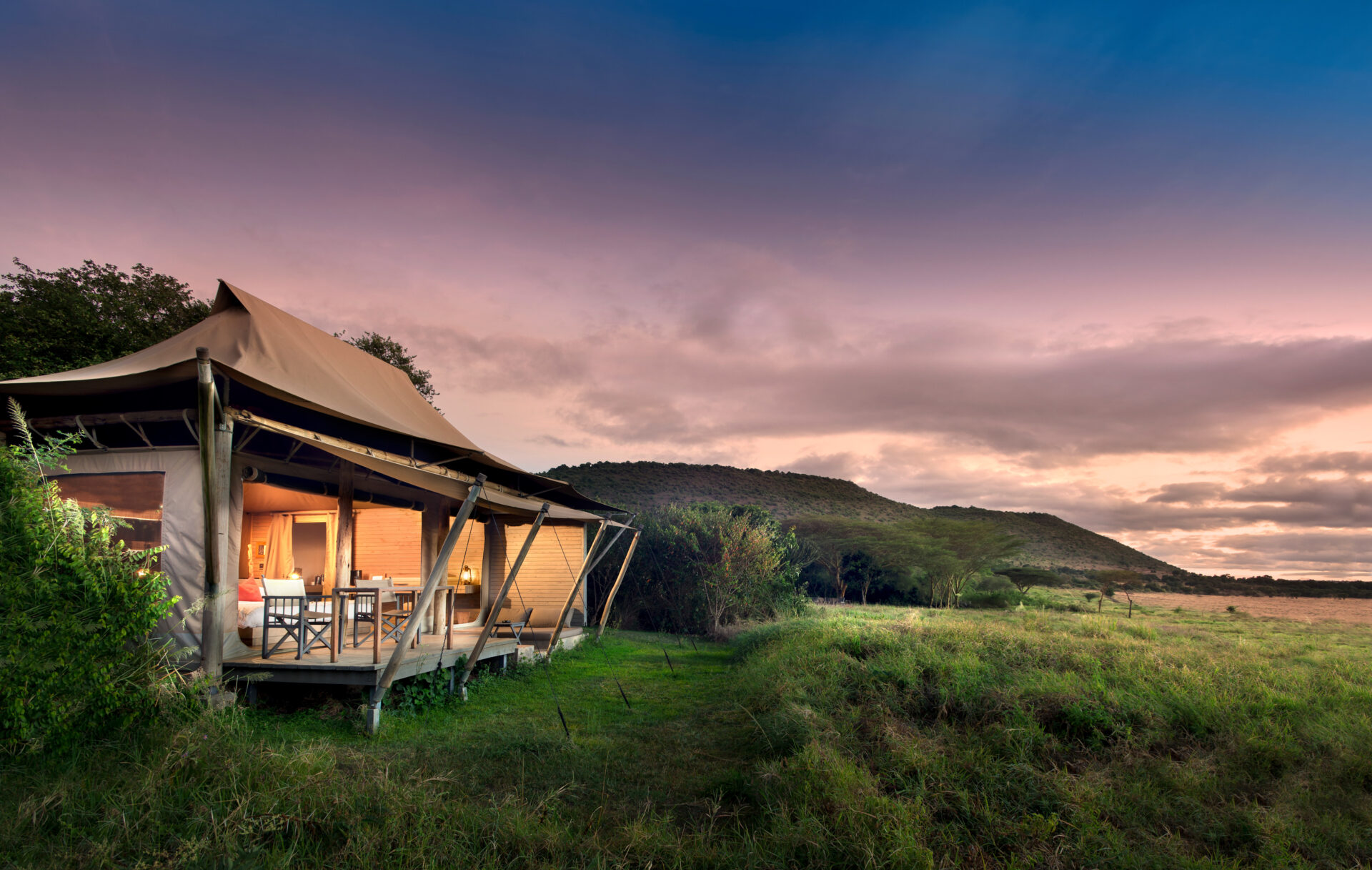
Meru National Park is one of Kenya’s most unspoiled and atmospheric safari destinations, a vast, remote wilderness where rivers thread through thick forest, open grasslands stretch toward distant hills, and wildlife thrives far from the crowds.
This lesser-known gem unfolds across an extraordinary mosaic of habitats: doum palm groves, riverine forests, open savanna, and volcanic landscapes shaped by time and water. At dawn, mist drifts above the Tana River tributaries as elephants emerge from the trees, buffalo gather along riverbanks, and bird calls echo through the canopy.
This is a Meru safari defined by space, solitude, and a deep sense of discovery. Once made famous by the story of “Born Free”, Meru has since reclaimed its place as a thriving conservation success, with rich wildlife viewing without the pressure of mass tourism. For travelers seeking an African safari that feels intimate, authentic, and profoundly wild, Meru National Park delivers an experience that is both quietly powerful and deeply rewarding.

Meru National Park is one of Kenya’s most diverse and underrated protected areas, celebrated for its dramatic landscapes, low visitor numbers, and remarkable ecological recovery.
Together, these elements create a Meru safari experience that feels exclusive, immersive, and refreshingly off the beaten track.
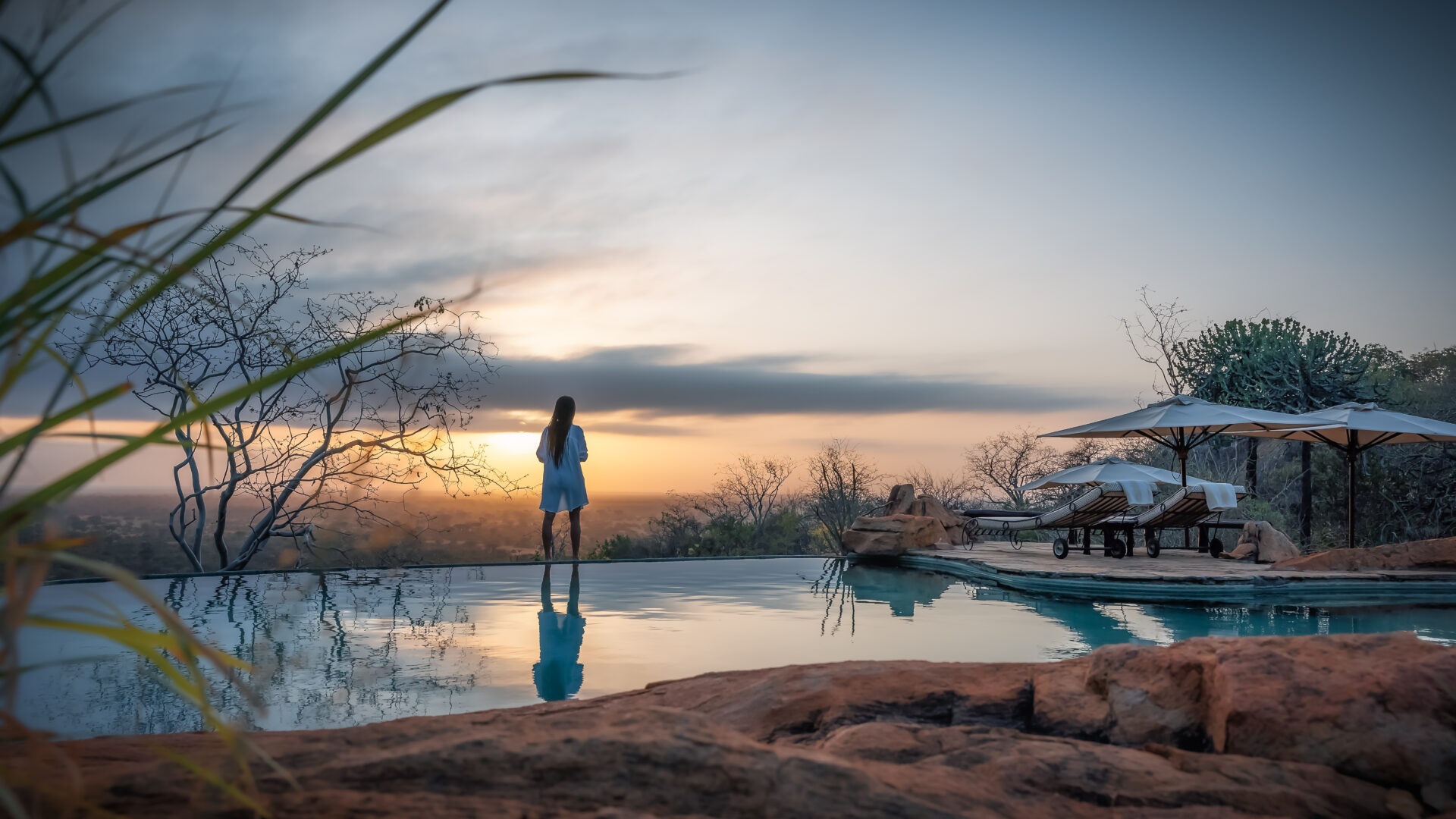
Meru brings something increasingly rare in East Africa: space. With far fewer visitors than Kenya’s southern parks, game drives here feel unhurried and deeply personal. Wildlife encounters unfold without competition, allowing you to observe animal behavior in near silence, framed by vast landscapes and untouched river systems.
- Low visitor numbers year-round.
- Peaceful, uncrowded game drives.
- A true feeling of exploration and remoteness.
- Ideal for seasoned safari travelers seeking something different.

Few parks in Kenya rival Meru for habitat diversity. Thirteen rivers and countless streams crisscross the park, creating lush riverine corridors that contrast beautifully with open plains and wooded hills. Palm-lined waterways, volcanic outcrops, and forested valleys give Meru a visual richness that changes constantly as you move through the park.
- Riverine forests and doum palm groves.
- Open savannas and rolling hills.
- Scenic contrasts ideal for photography.
- A landscape shaped by water and wilderness.

Meru is home to a healthy population of lions, leopards, cheetahs, elephants, and buffalo, supported by strong conservation management and vast protected space. Leopards are especially well suited to Meru’s forested riverbanks, while lions patrol open grasslands and woodland edges. The park also hosts both black and white rhino within a protected sanctuary.
- Reliable lion and leopard sightings.
- Strong elephant and buffalo populations.
- Cheetahs on open plains.
- Rhino sanctuary within the park.

Once heavily affected by poaching, Meru National Park has undergone a remarkable recovery. Today, it stands as a testament to effective conservation, community involvement, and long-term commitment to wildlife protection. The park’s healthy ecosystems and increasing wildlife numbers reflect one of Kenya’s quiet conservation triumphs.
- Revitalized wildlife populations.
- Strong anti-poaching initiatives.
- Long-term ecosystem protection.
- Meaningful conservation impact through tourism.

With over 400 recorded bird species, Meru is a paradise for birdwatchers. Its rivers attract kingfishers, herons, storks, and fish eagles, while forest and savanna species thrive throughout the park. The combination of permanent water and varied habitats supports exceptional birdlife year-round.
- Outstanding riverine birding.
- Excellent year-round sightings.
- Ideal for both novice and serious birders.
- Photogenic species in lush settings.
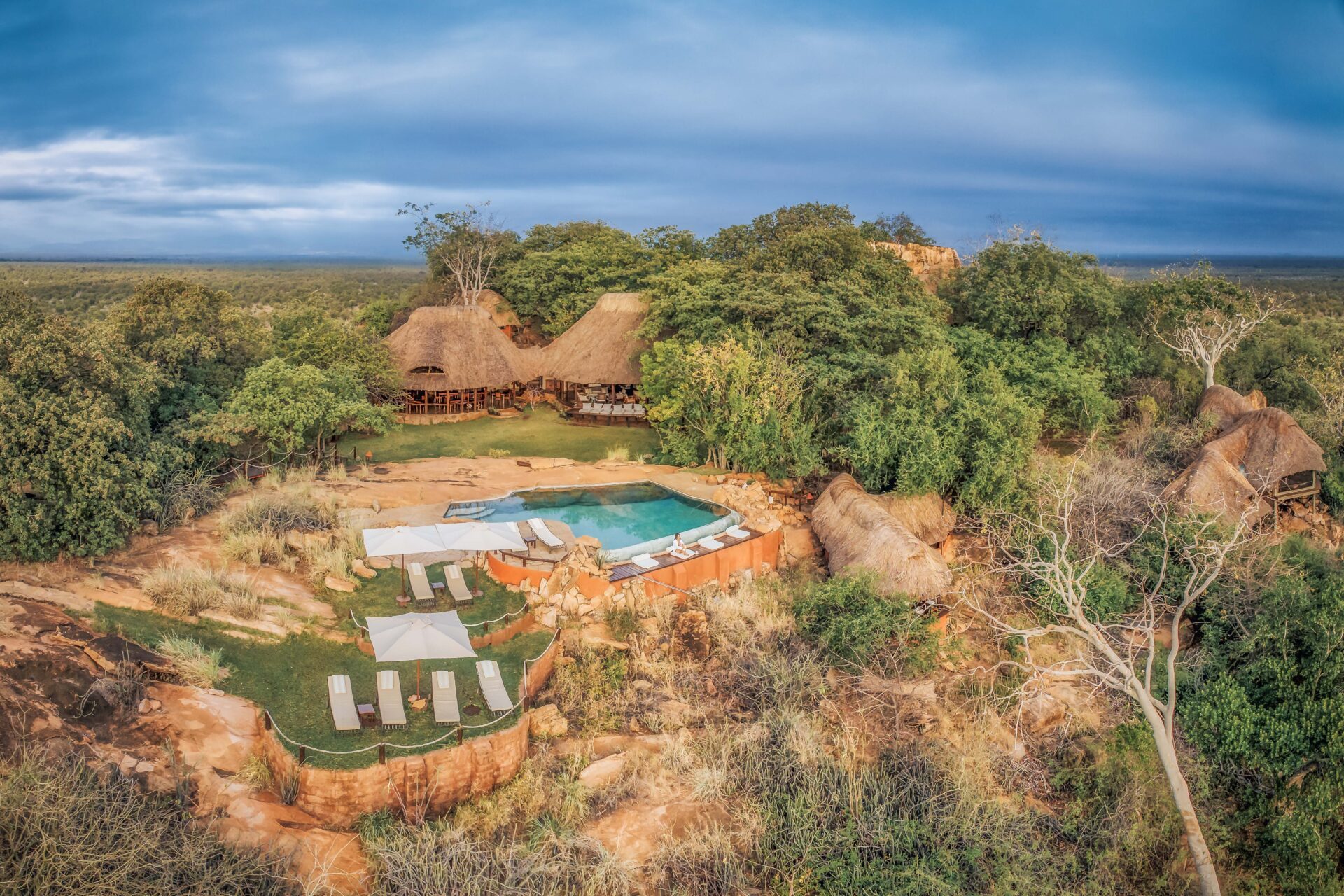
Meru’s safari lodges and camps are few, carefully placed, and deeply connected to their surroundings. From iconic lodges perched on rocky hills to intimate camps tucked along riverbanks, accommodations here emphasize atmosphere, privacy, and immersion in nature rather than scale.
- Small, exclusive safari lodges.
- Exceptional locations within the park.
- Personal hosting and attentive guiding.
- Perfect for couples and wilderness-focused travelers.

River-Based Wildlife Viewing
Elephants, buffalo, hippos, and crocodiles are frequently seen along Meru’s rivers and watercourses.
Born Free Heritage
Visit the landscapes made famous by George and Joy Adamson and the story of Elsa the lioness.
Rhino Sanctuary
Spot both black and white rhino within a protected area of the park.
Scenic Game Drives
Enjoy ever-changing scenery shaped by rivers, forests, and open plains.
A Meru safari is about rediscovering the soul of East Africa, where wildlife roams freely, landscapes feel untouched, and every day unfolds at nature’s pace. From quiet mornings along palm-lined rivers to golden afternoons watching elephants cross open plains, Meru is a deeply atmospheric safari far removed from the familiar routes. This is Kenya at its most authentic, serene, and wild.


Birds Paradise Kenya Safari
Birds Paradise Kenya SafariWildlife and Birds of Kenya Safari
View TourHidden Gem of Kenya Safari
View TourKenya’s Ol Pejeta, Meru & Samburu Epic Safari
View TourWildlife and Birds of Kenya Safari
View Tour
Giraffe
01

Lion
02

Elephant
03

Serval Cat
04
Rhino
05
Choose a category to quickly find the help you need
Meru National Park covers approximately 870 square kilometers (336 square miles) of protected wilderness.
Meru National Park is located roughly 320 km (123.5 mi) northeast of the Kenyan capital, Nairobi, in Meru County. Part of the greater Meru Conservation Area, it covers about 870 sq. km (336 sq. mi). Mount Kenya lies to the southwest.
The best time to visit this part of Kenya is during the dry seasons. These occur from June – September and January – February. The drier conditions make wildlife viewing easier and roads easier to navigate.
FlashMc Tours will transport you in comfort Safari Vehicles to Meru National Park. The drive takes 6-7 hours from Nairobi. Flight Safaris are also available from Nairobi to the park’s airstrip, taking about 1.5 hours.
Yes, as with all of Kenya’s national parks, Meru is well-managed and a safe destination to visit. Practice standard travel safety precautions. Also, be aware that it is home to wild animals that should be treated with caution.
Most travelers spend 2 to 4 nights in Meru to fully explore its landscapes and wildlife.
Aside from The Big 5 (lion, leopard, elephant, rhino, and buffalo), Meru National Park boasts other predators like cheetahs and hyenas. Herbivores, including giraffe, hippo, zebra, and wildebeest feed amid a variety of antelope. Over 400 recorded bird species make Meru a popular birding destination.
Yes. Crocodiles are present in several of Meru’s rivers, particularly the Tana River tributaries.
Yes, the park is proudly the home of white and black rhino. It is also home to Grevy’s zebra, reticulated giraffe, and occasional packs of African wild dogs.
Intersected by 13 rivers, the area supports numerous habitats. Rolling hills, grassy plains, rocky outcrops form a patchwork of scenic beauty.
Meru safari costs vary by lodge, season, and length of stay, generally ranging from mid-range to luxury options.
Typical safari activities like birdwatching, bush walks, and game drives are complemented by rhino sanctuary visits, boat trips, and cultural excursions.
Yes. Children are welcome at the camps in the park and special programs are offered, tailored to enchant young minds with the wonders of nature. FlashMc Tours may arrange archery and art lessons, sharing aspects of local tradition.
Yes. Meru National Park is best experienced in the company of an experienced guide, like those employed by FlashMc Tours. Most of the lodges offer guided activities like game drives, walks, and cultural tours.
There is no shortage of photographic opportunities for photographers visiting the park. The pristine wilderness dotted with wildlife and bathed in the warm African light teases the eye at every turn.
Guests wake early, when the wildlife is active, for a game drive. Breakfast is typically served afterwards, after which there is the option to relax or do an activity. An afternoon game drive returns at sunset, before dinner is served.
FlashMc Tours make use of privately owned luxury lodges in Meru National Park featuring cottages and guesthouses.
Public visitor facilities include viewpoints, picnic sites, and visitor centers. The private lodges feature dining rooms, lounges, swimming pools, and gift shops. Wellness treatments are also available.
Meru National Park facilitates conservation initiatives to protect wetlands, elephants, and rhino. These are in addition to anti-poaching and law enforcement, habitat and wildlife monitoring, and community outreach programs.
By simply visiting the park, the income derived from tourist revenue helps fund conservation efforts. This is enhanced by compliance with park regulations, minimizing environmental impact, and supporting both internal and community-based conservation initiatives. Choosing to stay in eco-friendly accommodations, as per FlashMc Tours policy, helps too.
Once threatened with closure, Meru National Park is now a flagship of the viability of sustainable tourism. Intensive ecological rehabilitation, engagement with surrounding communities, and adherence to ecological best practices ensure that the park has a bright and sustainable future.
Yes. The park’s most famous lion, Elsa – of “Born Free” – is buried in the park. Additionally, visits to the Equator Tamaduni Cultural Center provide a fascinating insight into the history and tradition of the local Meru people. FlashMc Tours can arrange visits to traditional villages and community projects in the area.
Meru National Park’s primary significance to local culture today is as a source of community upliftment, through social and conservation programs and employment opportunities. The local population is made up of the Meru, Tharaka, and Igembe communities whose cultures thrive together.
Yes, the park’s Equator Tamaduni Cultural Center is a celebration of Meru culture. Visits to local villages also give visitors the chance to learn more about the area’s cultural heritage.
Due to temperature fluctuations, plan your wardrobe with layers in mind. Clothing should be neutral colored, breathable, and lightweight. Protect yourself from the sun with a hat, sunscreen, and sunglasses. Pack personal medication and a first-aid kit. A good camera and binoculars are important accessories, while bug spray and walking shoes help with comfort. FlashMc Tours provides guests with reusable water bottles.
Meru National Park entry fees are included in the tour package price.
Visitors are to abide by the regulations of the national park throughout their visit. Vehicles may not travel offroad, wildlife must be respected and not harmed or harassed, and local communities should be treated with respect. No littering or excessive noise is allowed.
Do you have any other questions?
Get in touch with one of our experts for a free consultation.

Kenya is a land of extraordinary contrast, where iconic savannas sit alongside hidden wilderness areas rich in character and biodiversity. Our Kenya safari tours take you from world-famous reserves to remote parks like Meru, crafting journeys that balance discovery, comfort, and meaningful travel.


- Tailor-made Meru National Park safari tours are at the heart of what we do. From family-friendly adventures to luxury safaris, we design journeys that match your pace, interests, and dreams.
- Expert Local Guides: Our experienced trackers and safari specialists bring Kenya’s wilderness to life with knowledge, humor, and care.
- Financial Security: Book with confidence through KATO bonding and trusted partnerships across East Africa.
- 5-Star Reviews: Trusted by travelers worldwide, we’re known for turning safaris into stories worth telling.


Ensure a smooth trip by knowing e-visa requirements, packing right, and answering safari FAQs.
Plan your next adventure with us! We are available for you 24/7, wherever you are in the world. You will be the first to know about all discounts and offers if you leave your email here