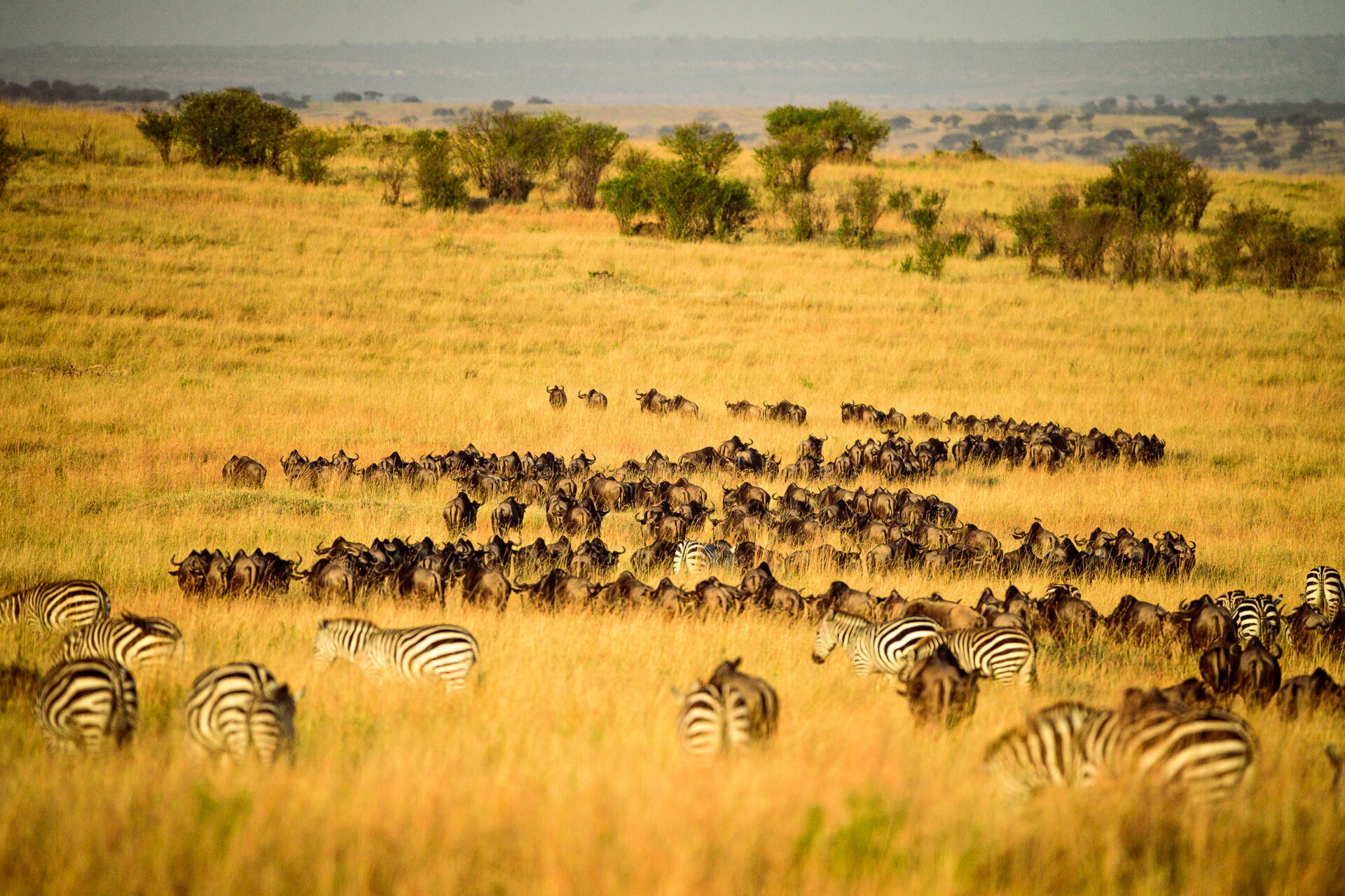
June marks a decisive shift in East Africa’s safari calendar. The dry season begins to take hold, landscapes open, and the Great Migration starts its movement through the western Serengeti, building toward the Mara. This is the moment where everything starts to align: movement, visibility, and anticipation.
For travelers considering traveling in June, timing is everything. You arrive just as conditions peak, but before the crowds of July and August. It’s a month defined by momentum, wildlife is on the move, predators are following, and the safari experience begins to feel more dynamic with each passing day.
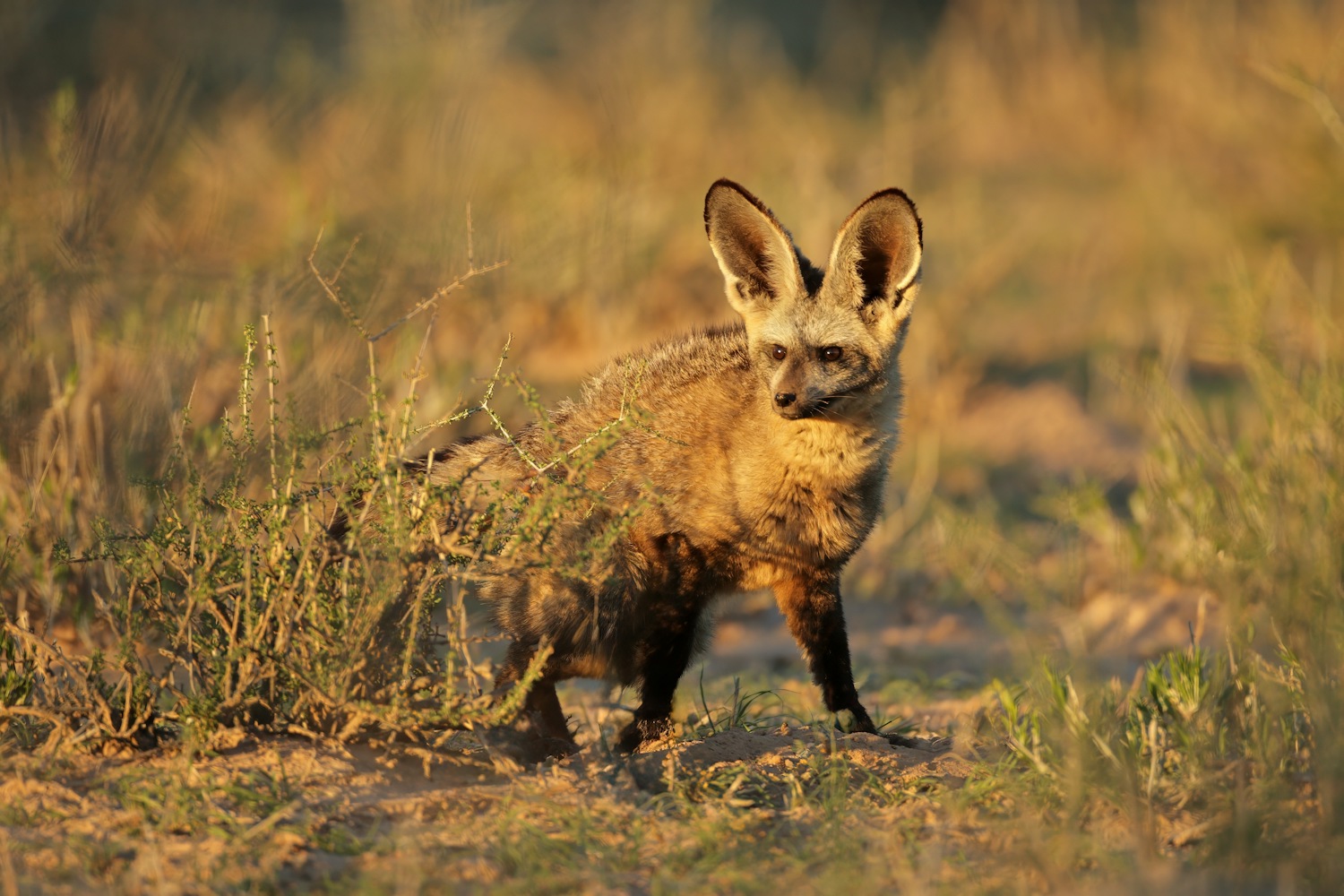
June sits at the start of the long dry season, bringing clear skies, cooler temperatures, and steadily improving wildlife visibility. Vegetation begins to thin, and animals start to gather around permanent water sources, making sightings more consistent and easier to follow.
What defines June is movement. The migration begins shifting westward, predators respond, and the landscape transitions into a more trackable environment. It’s one of the most exciting times to be on safari, with only a little of the intensity of peak-season crowds.
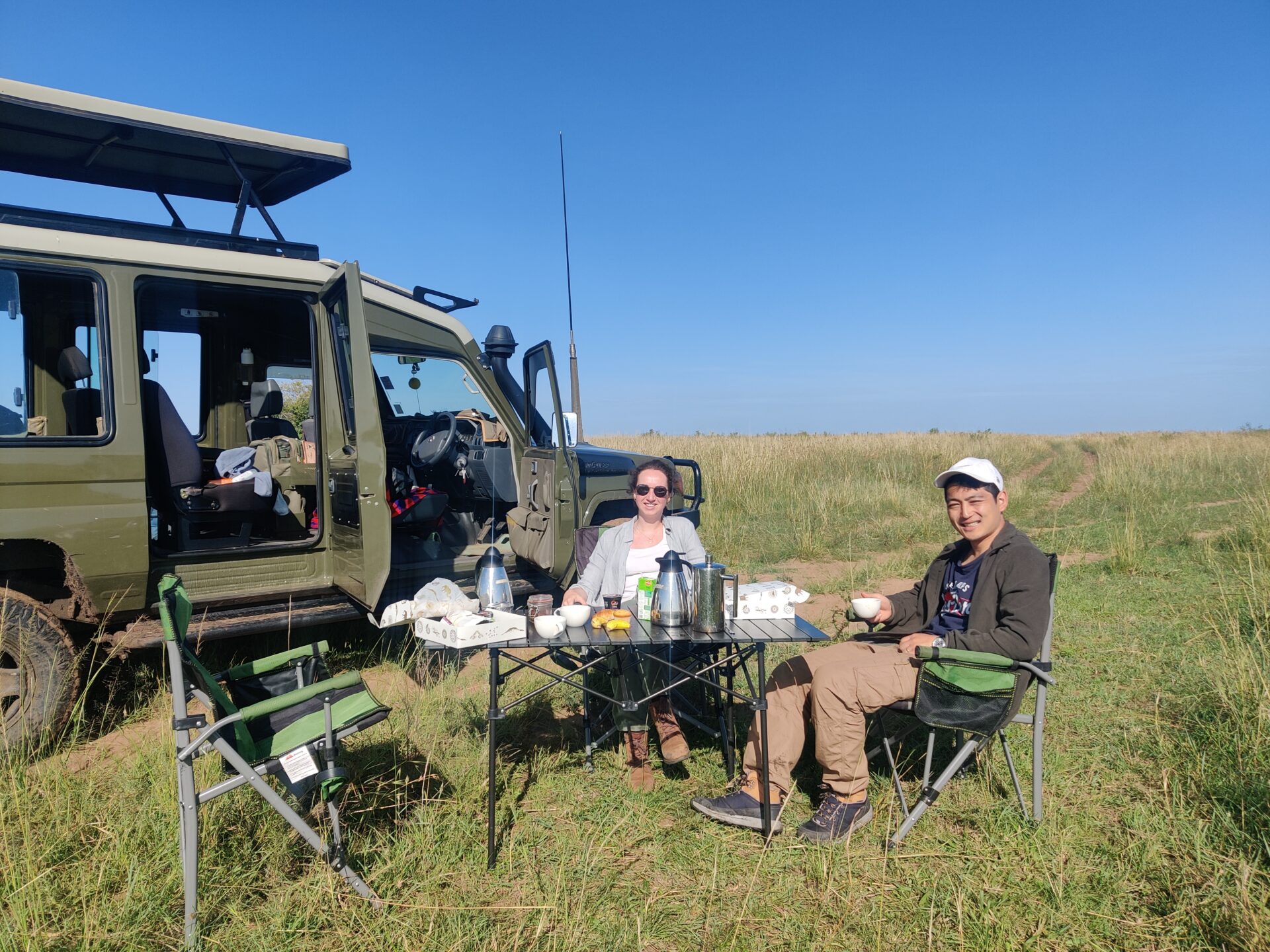
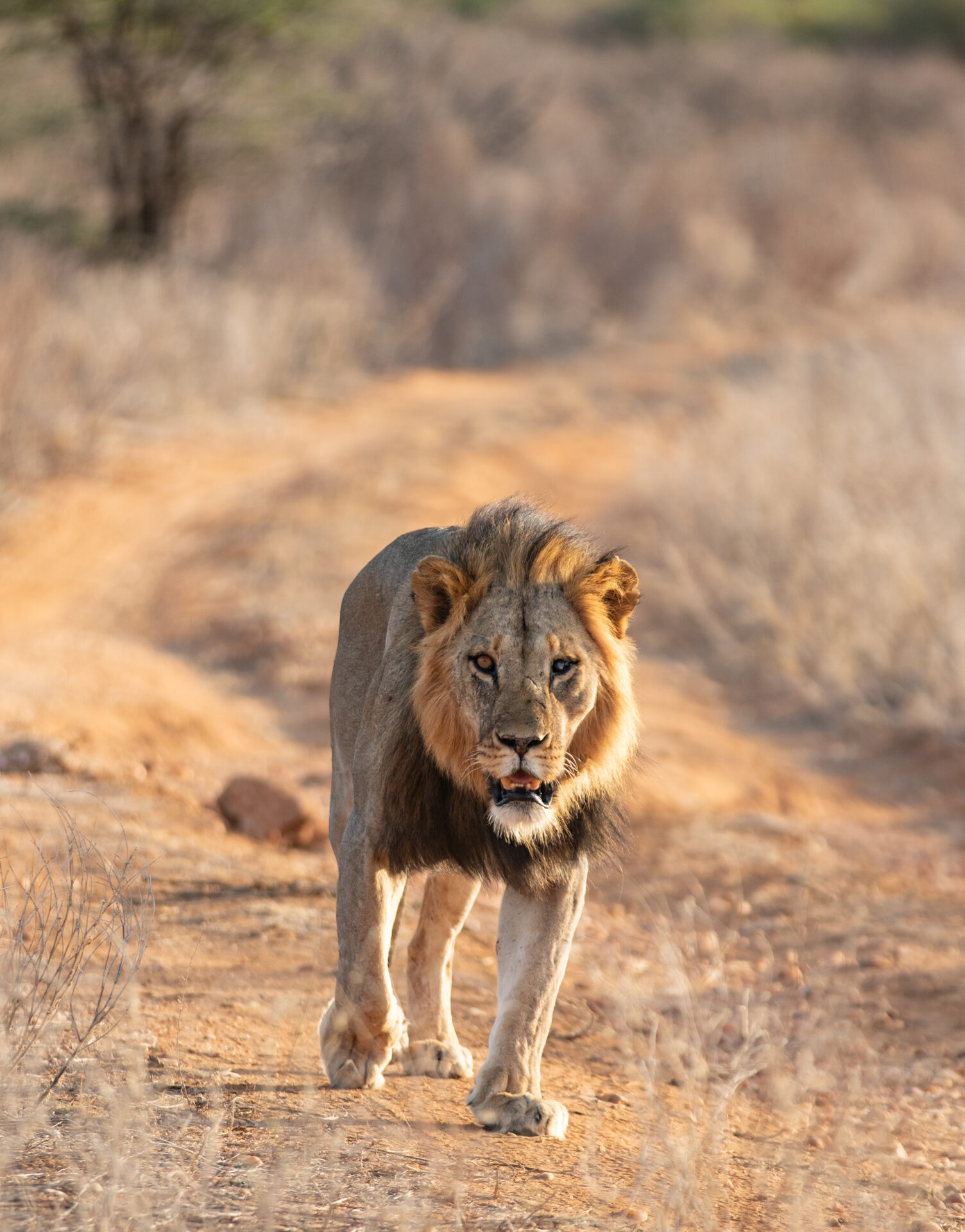
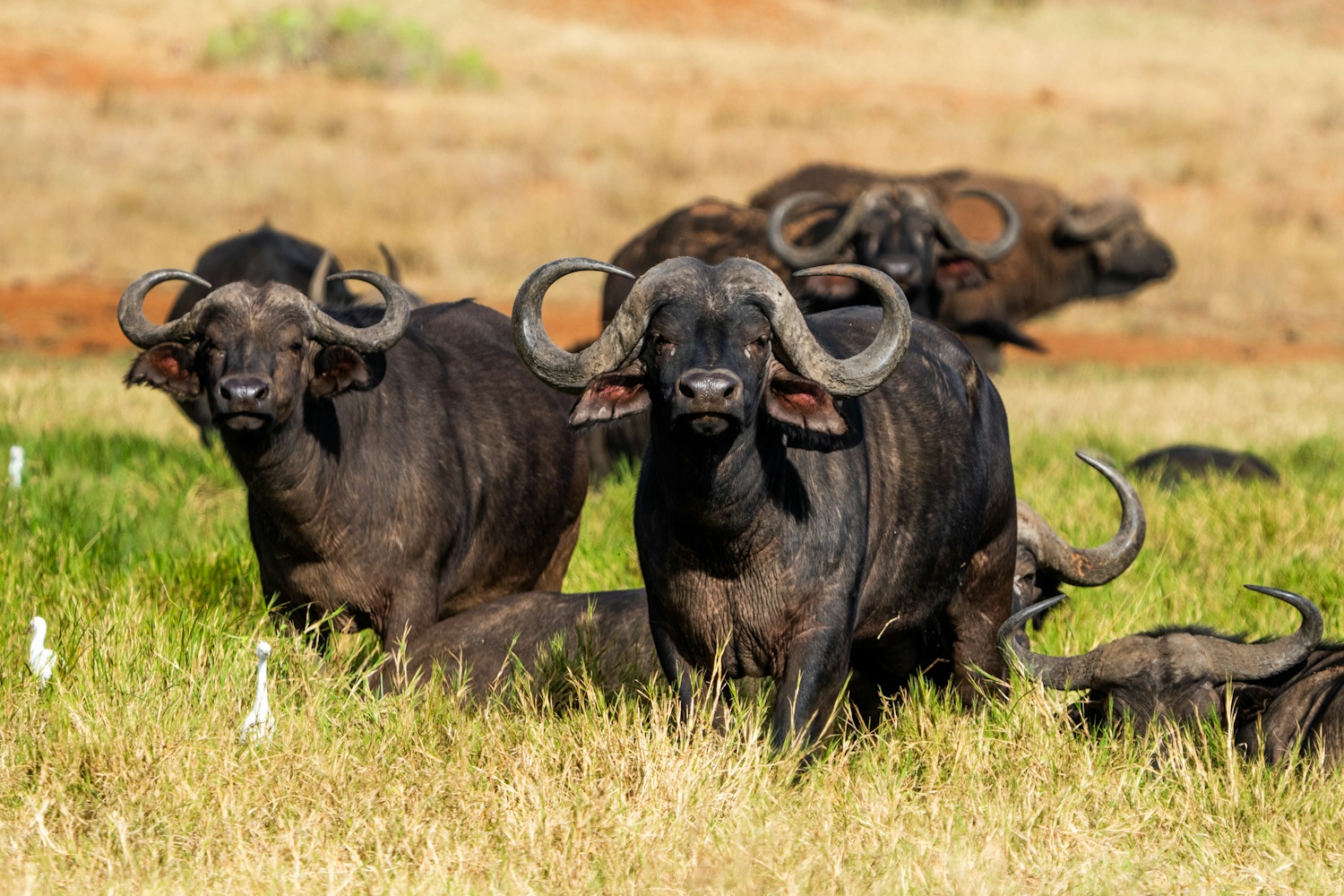
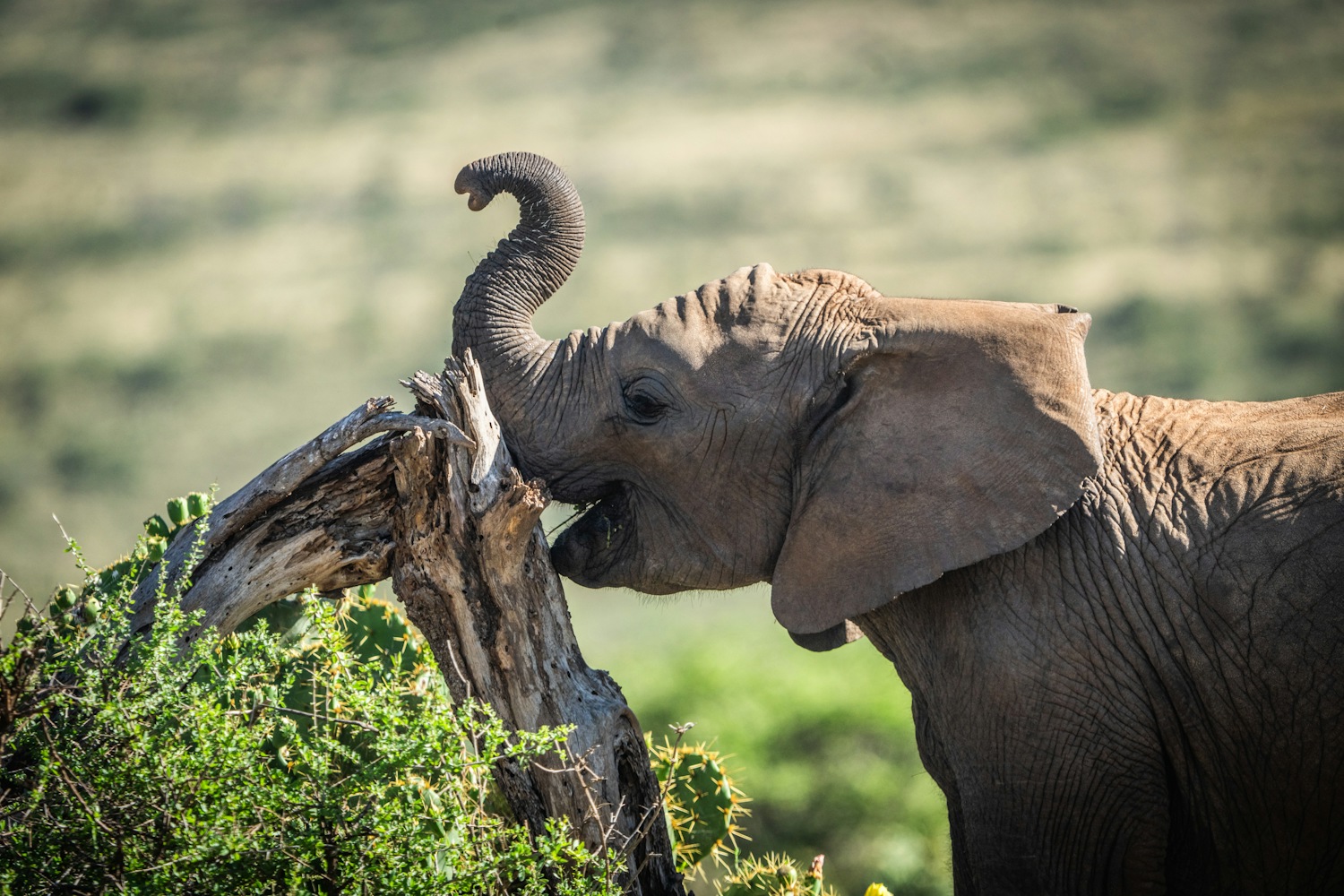
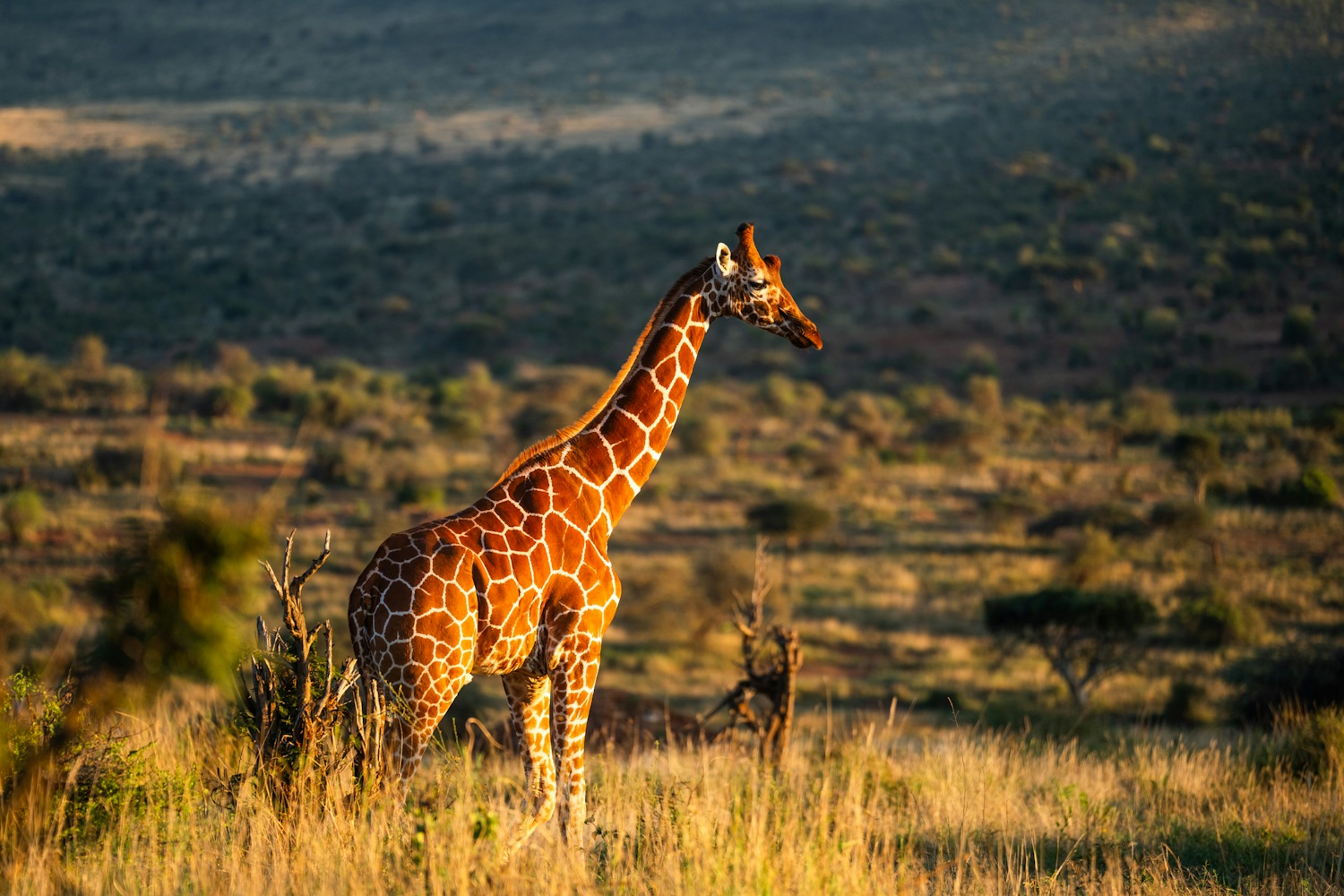
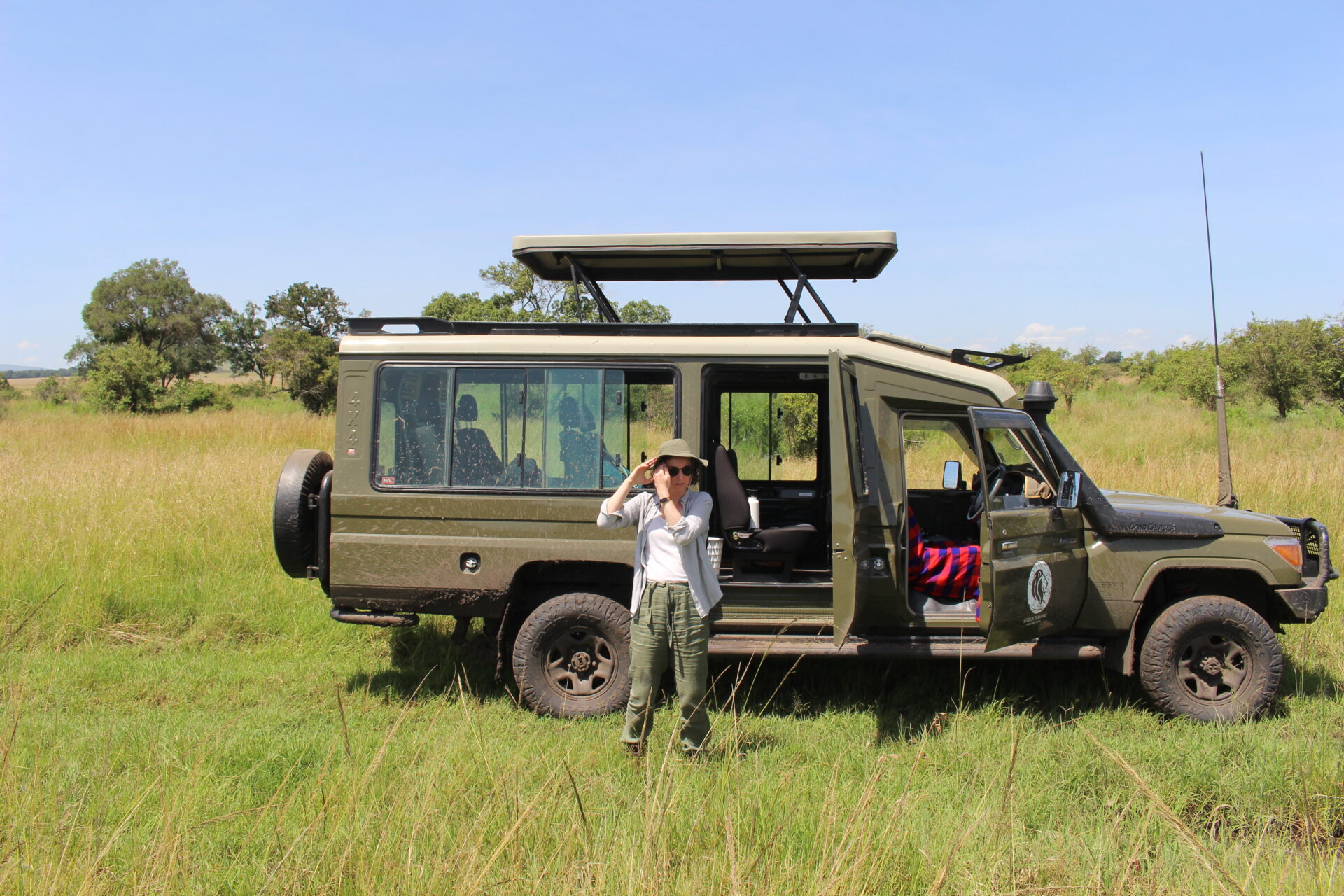
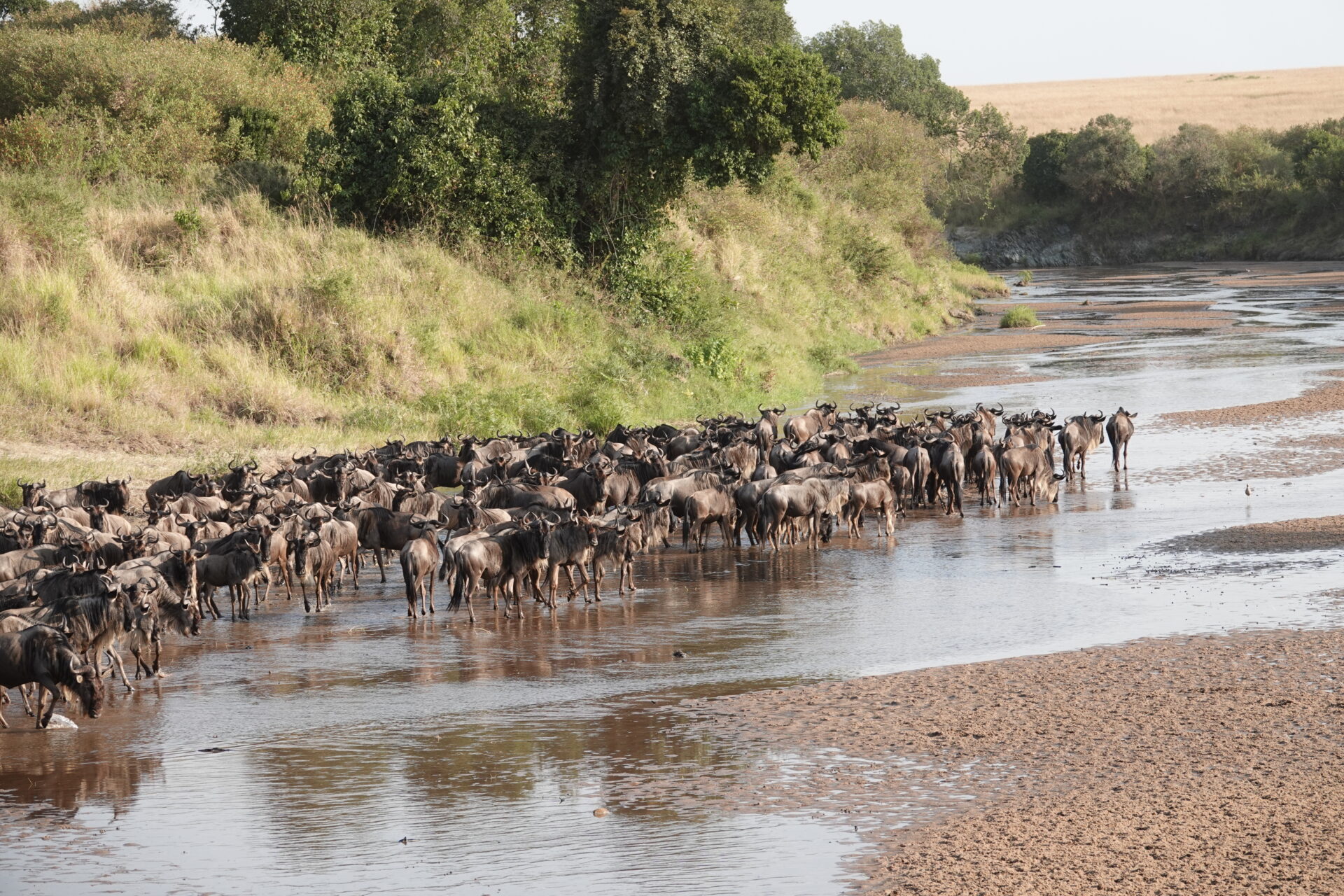
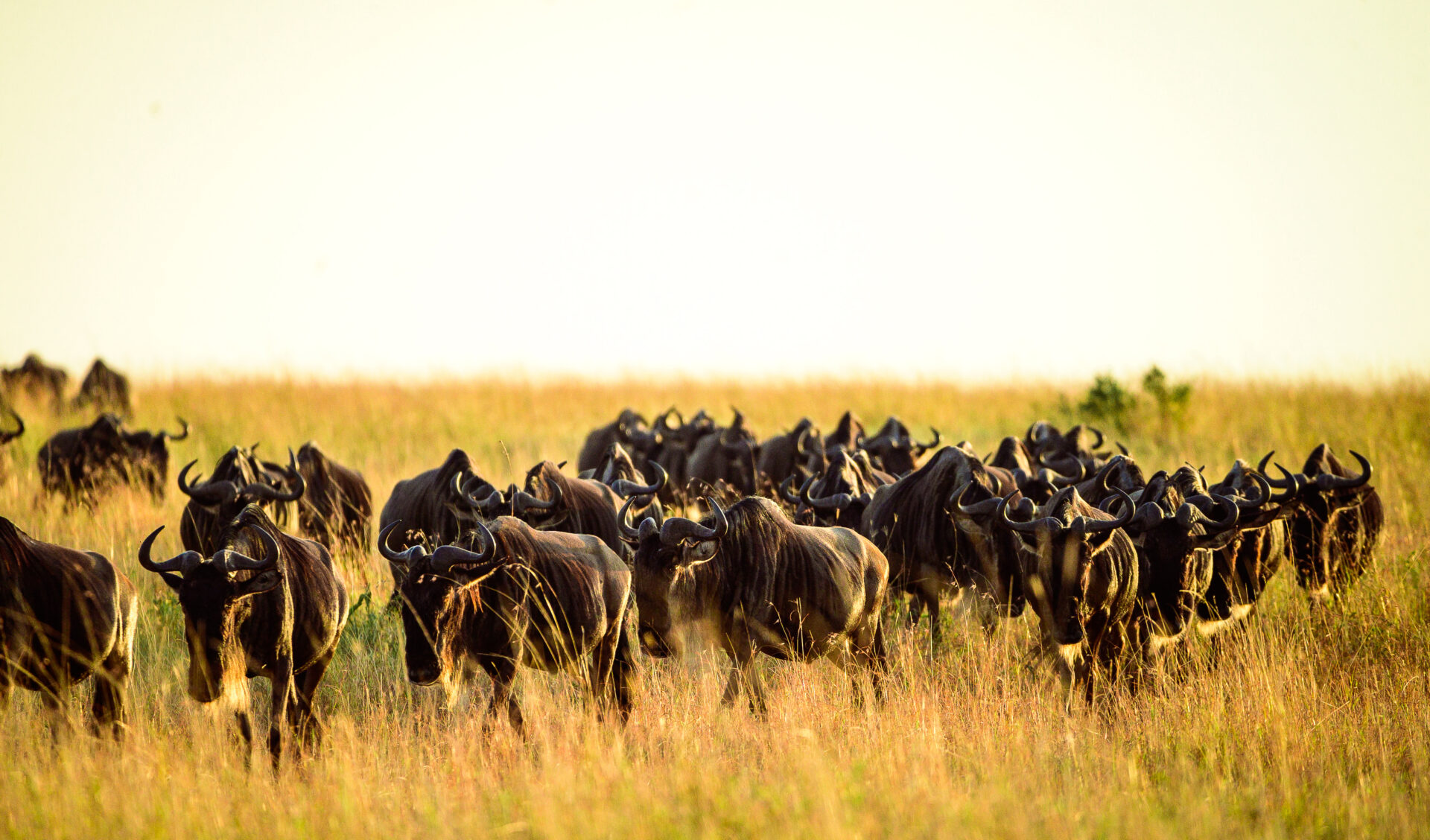
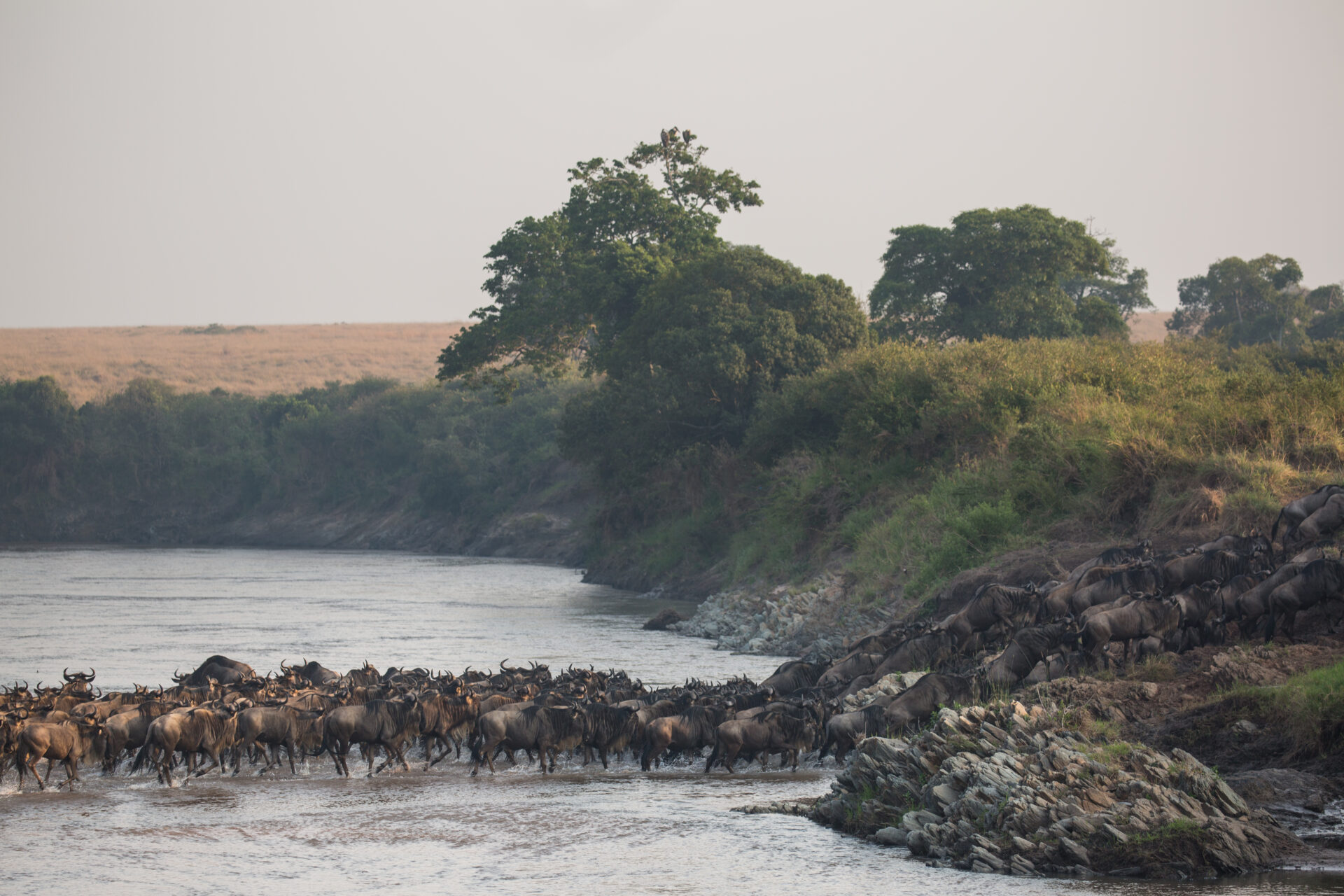
June is when the Great Migration enters the western corridor of the Serengeti, gathering along the Grumeti River. Large herds move across the plains, and early river crossings begin, bringing dramatic wildlife moments without the congestion seen later in the season.
What makes this one of the best safari destinations in June is the balance. You experience migration at scale, but with space, fewer vehicles, more fluid movement, and longer, uninterrupted sightings. Predators remain close, tracking the herds and creating dynamic, ever-changing encounters.
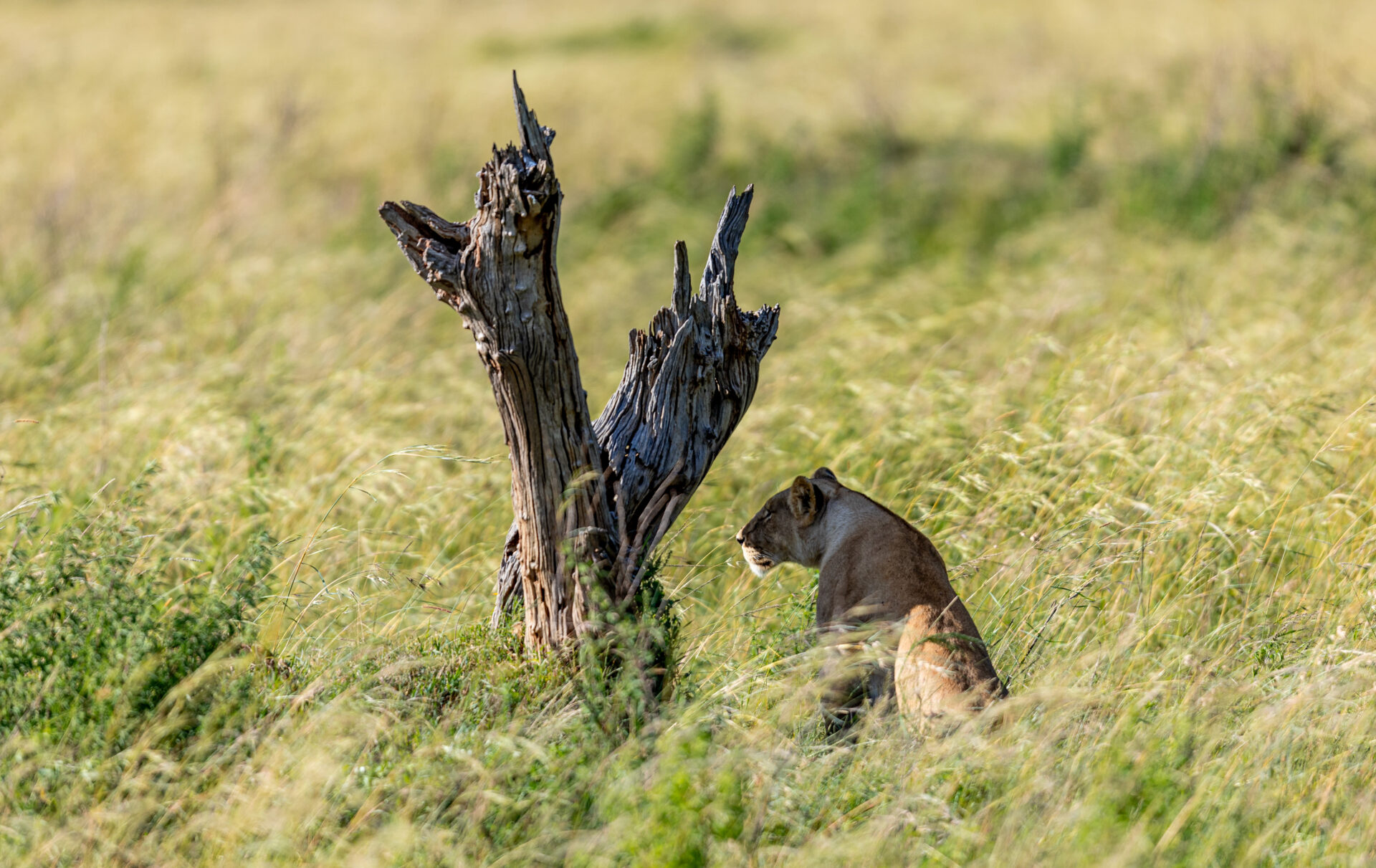
By late June, parts of the migration begin pushing north toward the Mara River. While crossings are not yet consistent, the landscape starts to shift in anticipation, with herds moving through open plains and gathering near key crossing points.
This region is a more exclusive experience compared to peak months. Camps are fewer, and sightings feel more personal. The northern Serengeti is about positioning, being in the right place before the crowds arrive.
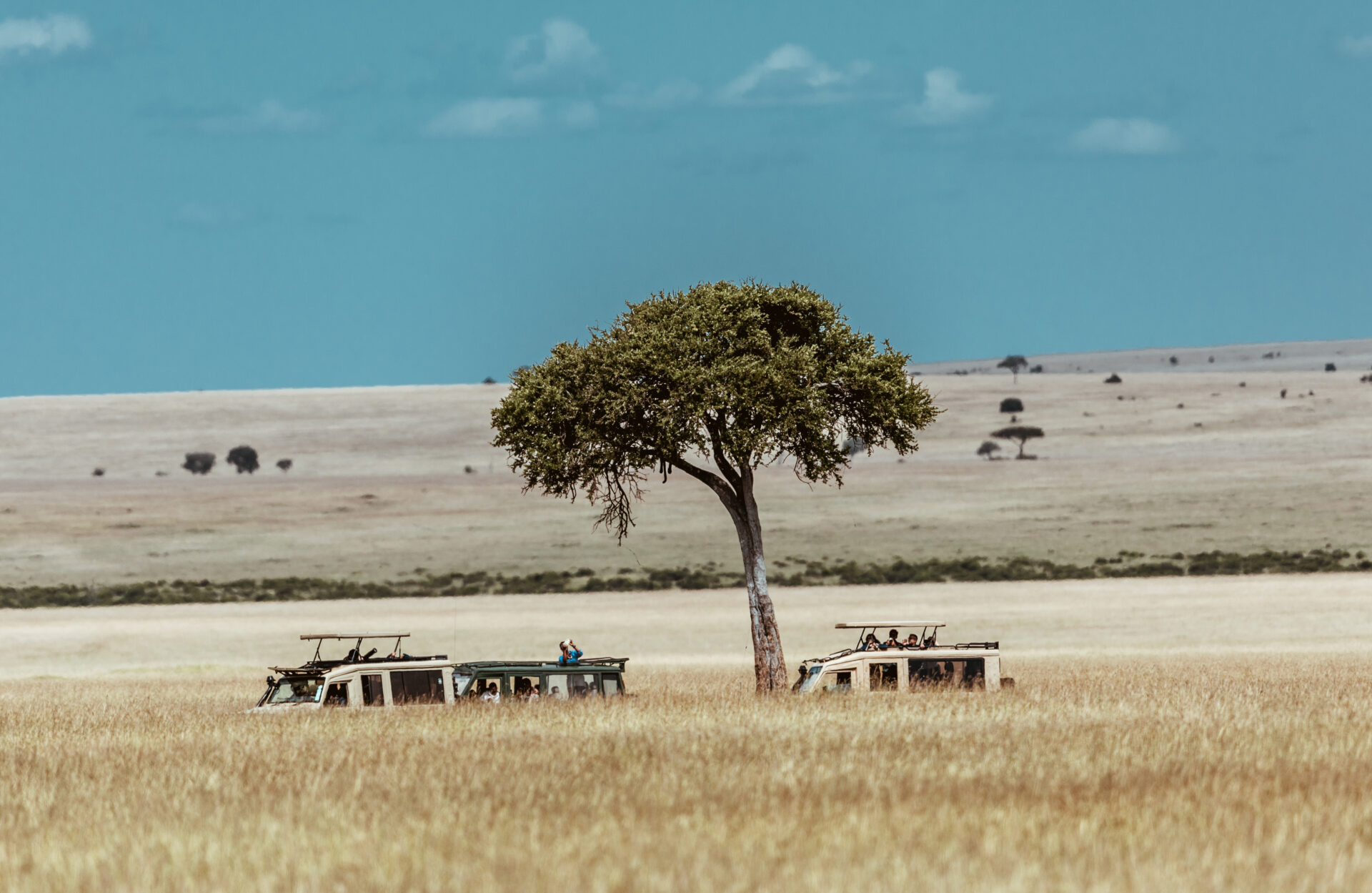
While the main herds typically arrive later, June begins to see early movement into the Masai Mara. Resident wildlife remains strong, and the anticipation of the migration adds another layer to the experience.
Game viewing is excellent, with big cats active and landscapes beginning to dry. As one of the best safari destinations in June, the Mara is a unique blend of consistency and anticipation, where the story of the migration is just beginning to happen.
June is one of the best months to visit Amboseli. Clear skies reveal Mount Kilimanjaro in full, and wildlife gathers around permanent water sources, making sightings both reliable and visually striking.
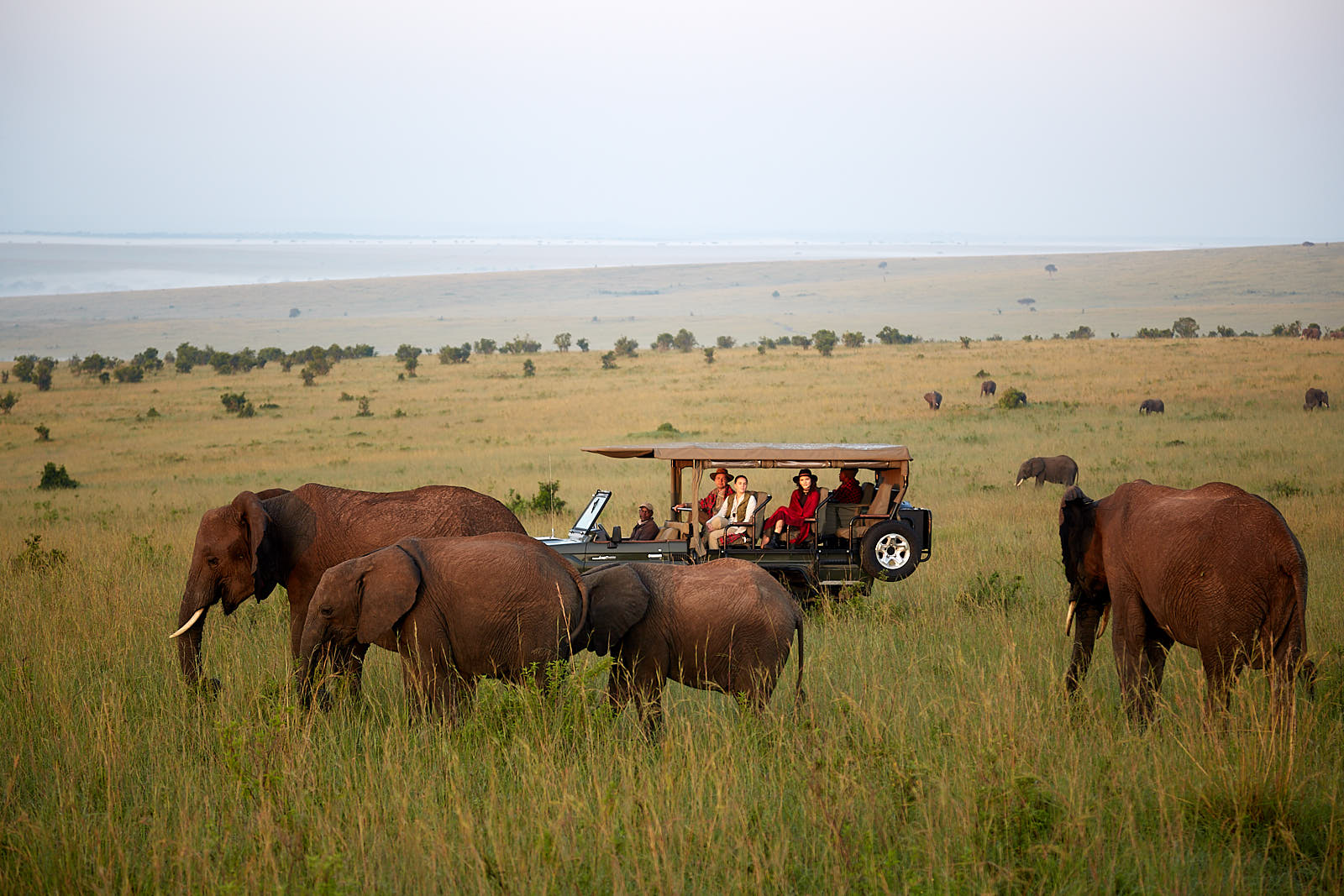
Large elephant herds dominate the landscape, often moving across open plains with the mountain as a backdrop. Within the best safari destinations in June, Amboseli delivers iconic scenery paired with strong wildlife viewing.
Yes, June is when the migration moves through the western Serengeti, with large herds and early river crossings.
Not guaranteed, but early crossings do occur, particularly along the Grumeti River.
June is less crowded than July and August, making it a great time to experience peak conditions with fewer visitors.
Layered clothing for cooler mornings, sun protection, and neutral safari wear.
Yes, June is ideal for combining both, following the migration between the Serengeti and Masai Mara.
Do you have any other questions?
Get in touch with one of our experts for a free consultation.









Personalized service by travel experts with first-hand knowledge

Customizable tours to your preference

400+ 5-star TripAdvisor and Google reviews

Booking Security - Money - back guarantee & 24/7 support
