January in East Africa is a study in contrast, a moment where landscapes are lush yet accessible, wildlife is abundant yet uncrowded, and experiences feel cinematic. For those researching the best safari destinations in January, this period sits within a short dry season between the November rains and the longer rains of March, bringing one of the most nuanced times to explore the region’s iconic national parks.
For travelers seeking clarity in what can often feel like an overwhelming decision, when to travel in January becomes less about compromise and more about opportunity. January has a compelling balance: exceptional wildlife viewing, favorable rates, and fewer vehicles on the plains. From predator-rich savannahs to calving grounds alive with new life, East Africa rewards those who value depth, detail, and a more considered safari experience.
January sits within East Africa’s short dry season. The landscapes remain green from recent rains, yet conditions are dry enough to make sure that travel is smooth and that there is excellent game viewing across key national parks.
Wildlife sightings are strong, crowds are lower than peak migration months, and the overall pace feels more intentional.
It’s a time when the experience becomes less about chasing sightings and more about understanding the timing of the landscape.
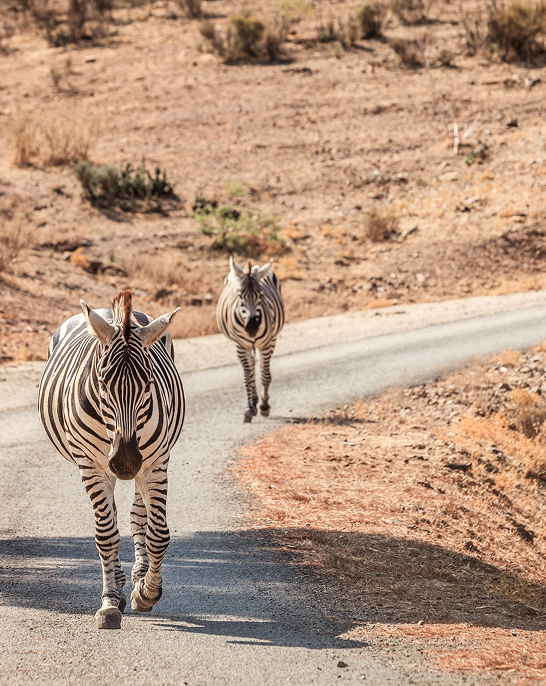
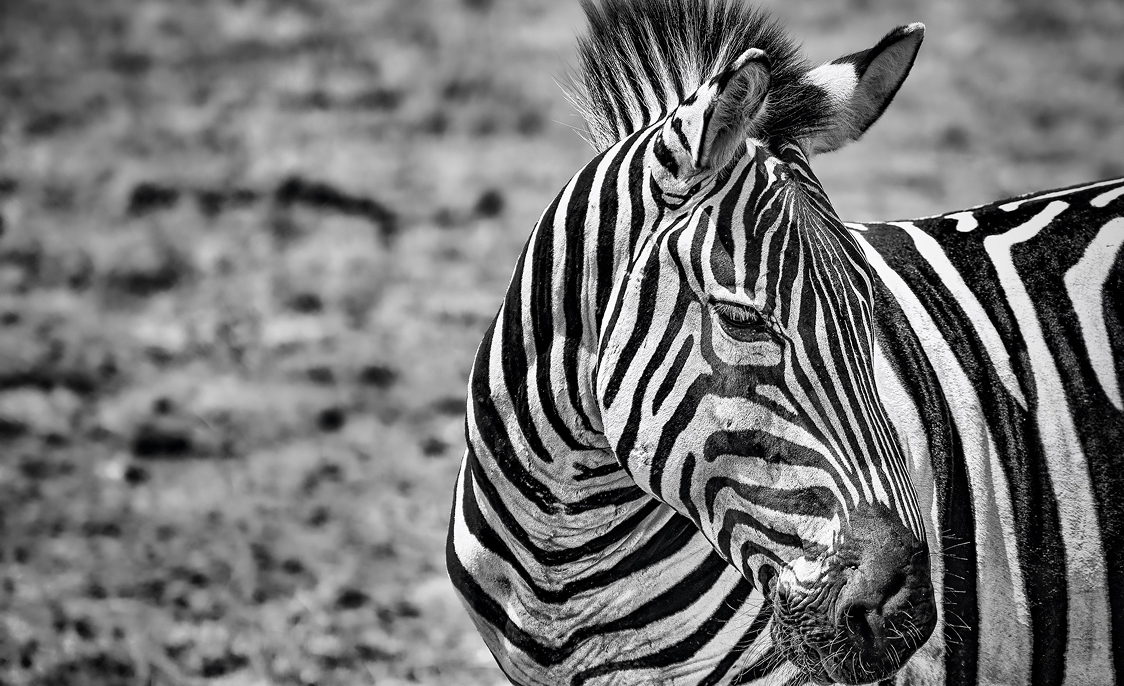

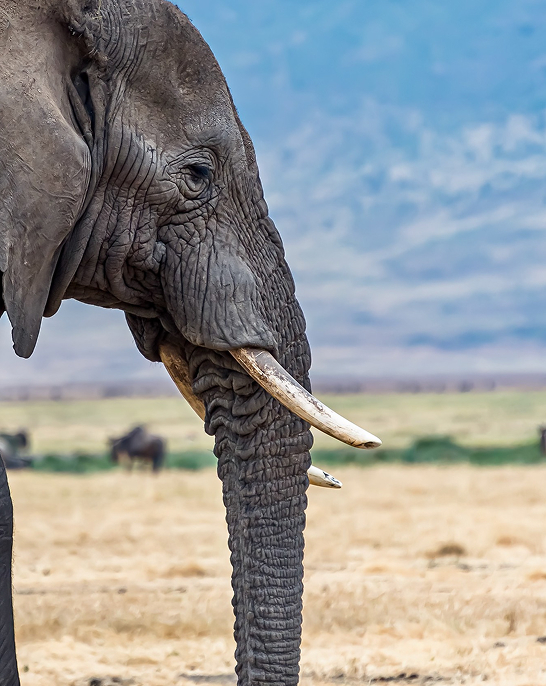
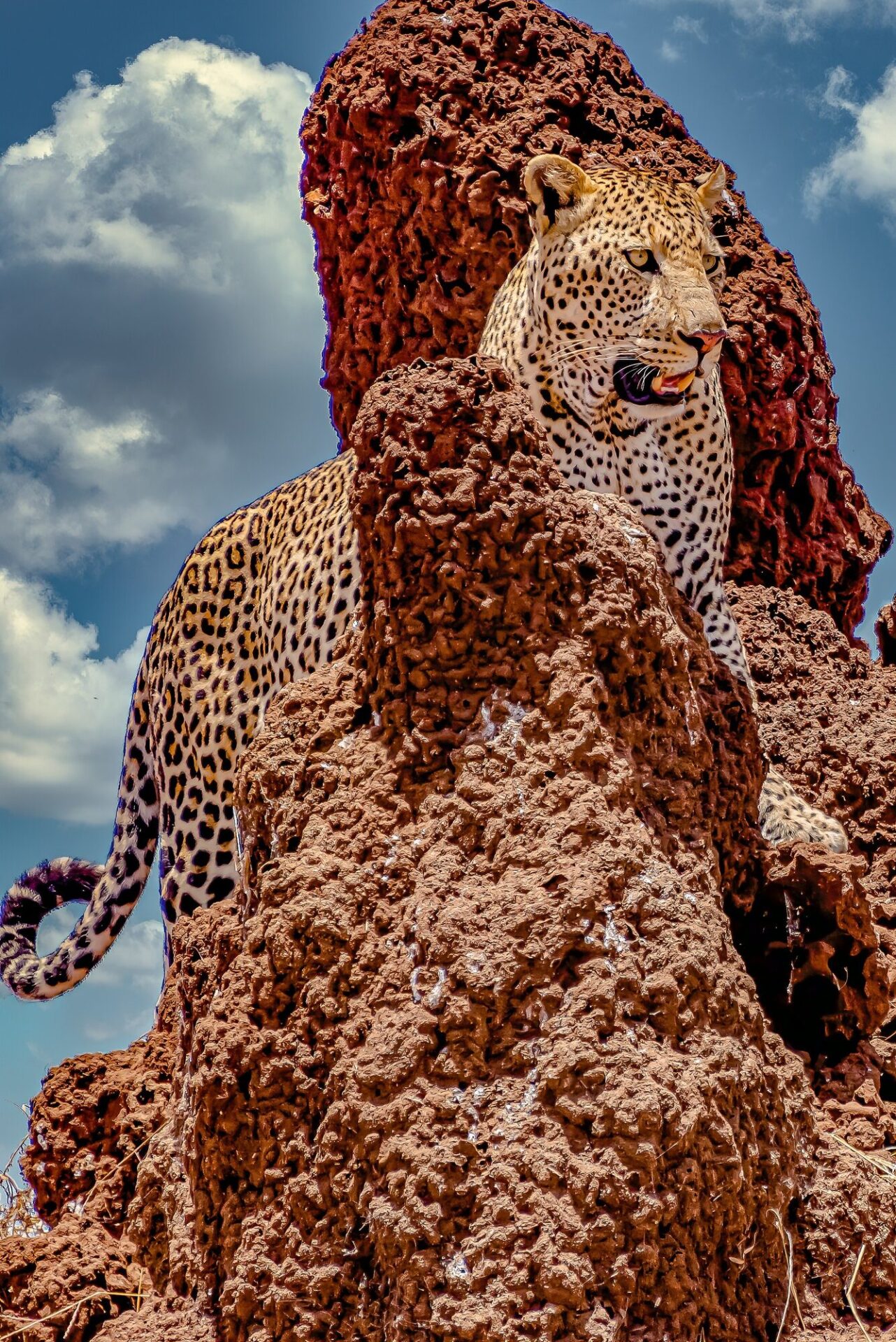
January is defined by the calving season across the southern Serengeti, where the Great Migration settles on the short-grass plains. Thousands of wildebeest calves are born within a condensed period, creating a landscape that is alive with movement and vulnerability. The scale is immense, but what stands out is the intimacy, moments of stillness between bursts of action, where new life meets immediate survival.
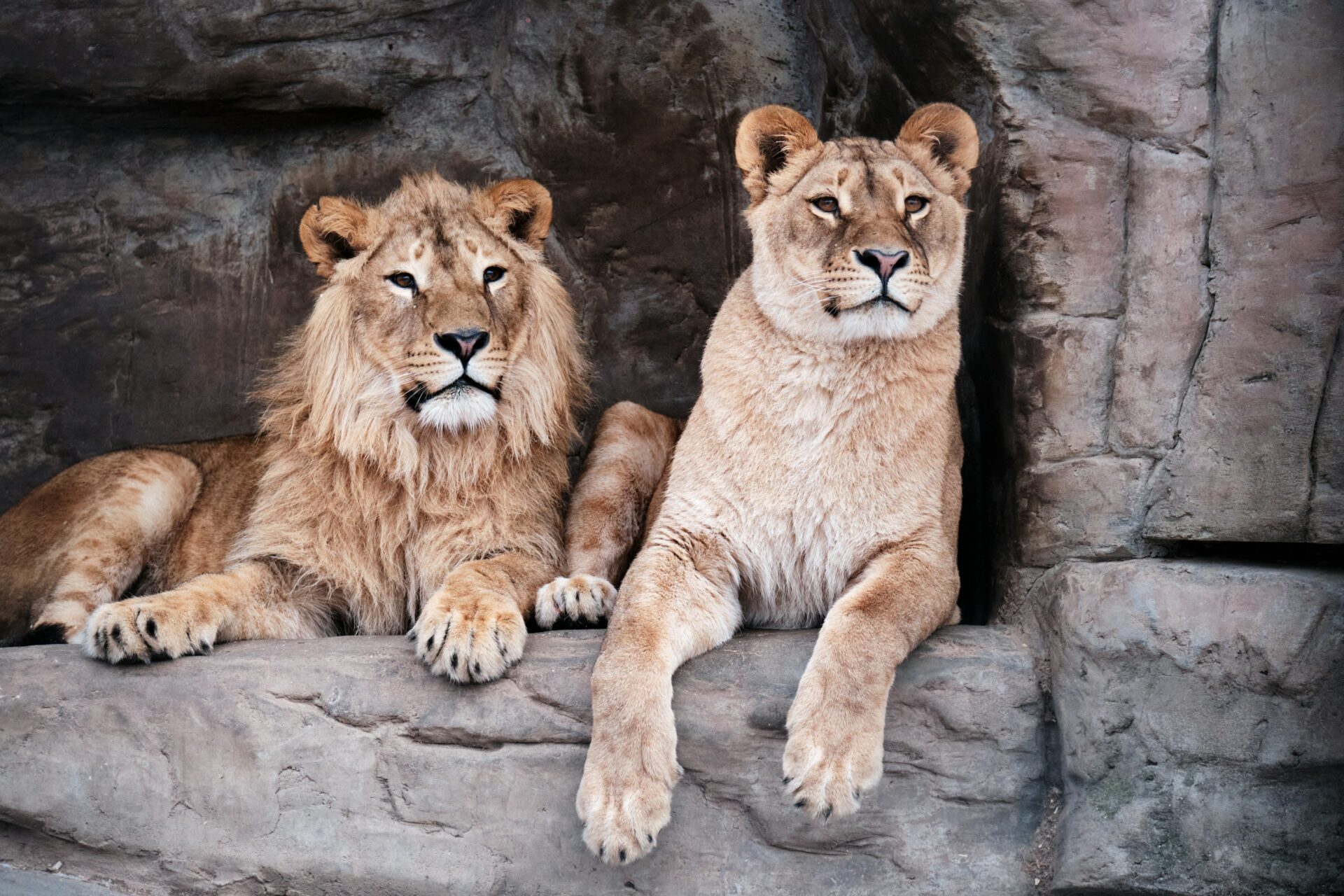
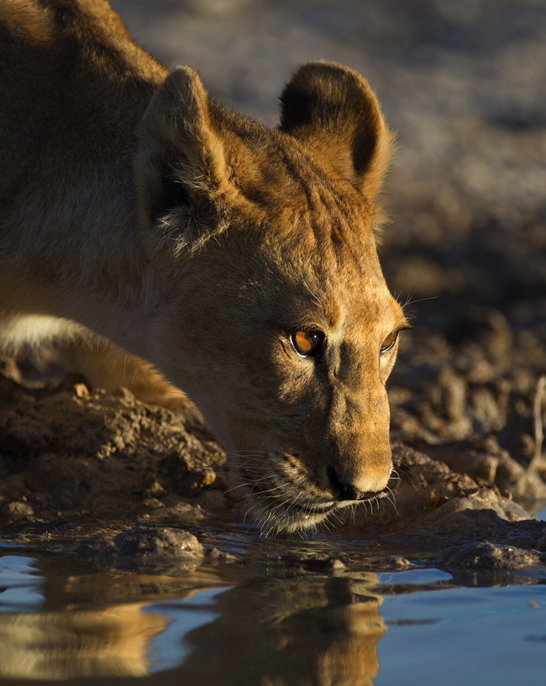
This abundance naturally draws predators, and the result is some of the most dynamic wildlife viewing of the year. Lions, cheetahs, and hyenas remain in near-constant motion, creating a level of interaction rarely matched elsewhere. For those searching for the best safari destinations in January, Serengeti National Park stands out not only for spectacle but for the depth of experience it brings travelers.
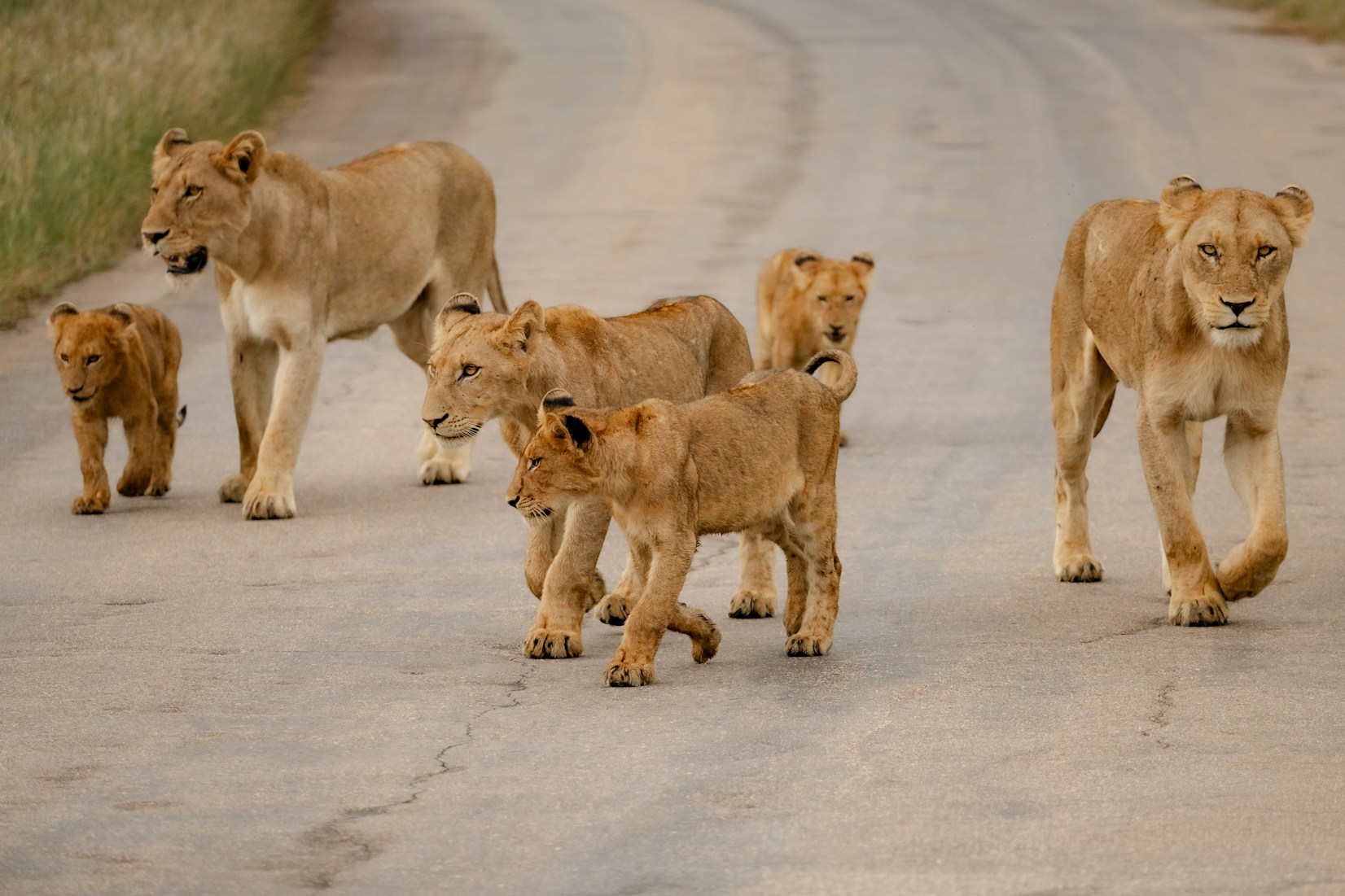
In January, the Masai Mara National Reserve shifts into a quieter, more refined version of itself. With the migration herds absent, the focus turns to resident wildlife, which remains abundant and well-established across the landscape.
Big cat sightings are consistently strong, and without the density of peak-season travelers, encounters are uninterrupted and incredible.
This is where the Mara reveals its depth. Without the urgency of migration crossings, there is time to observe behavior more closely: lion prides interacting, cheetahs scanning the plains, and hyenas moving through their territories.
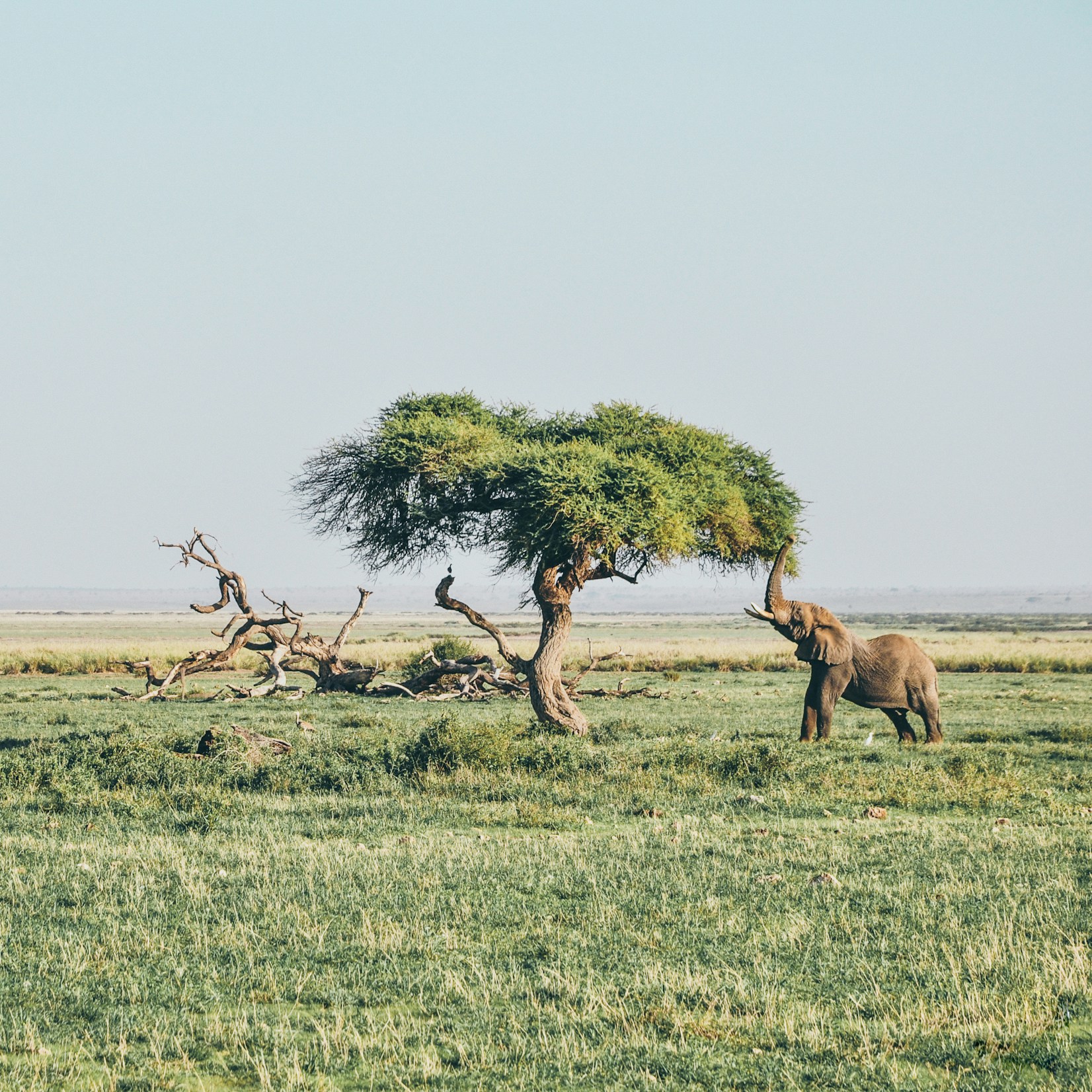
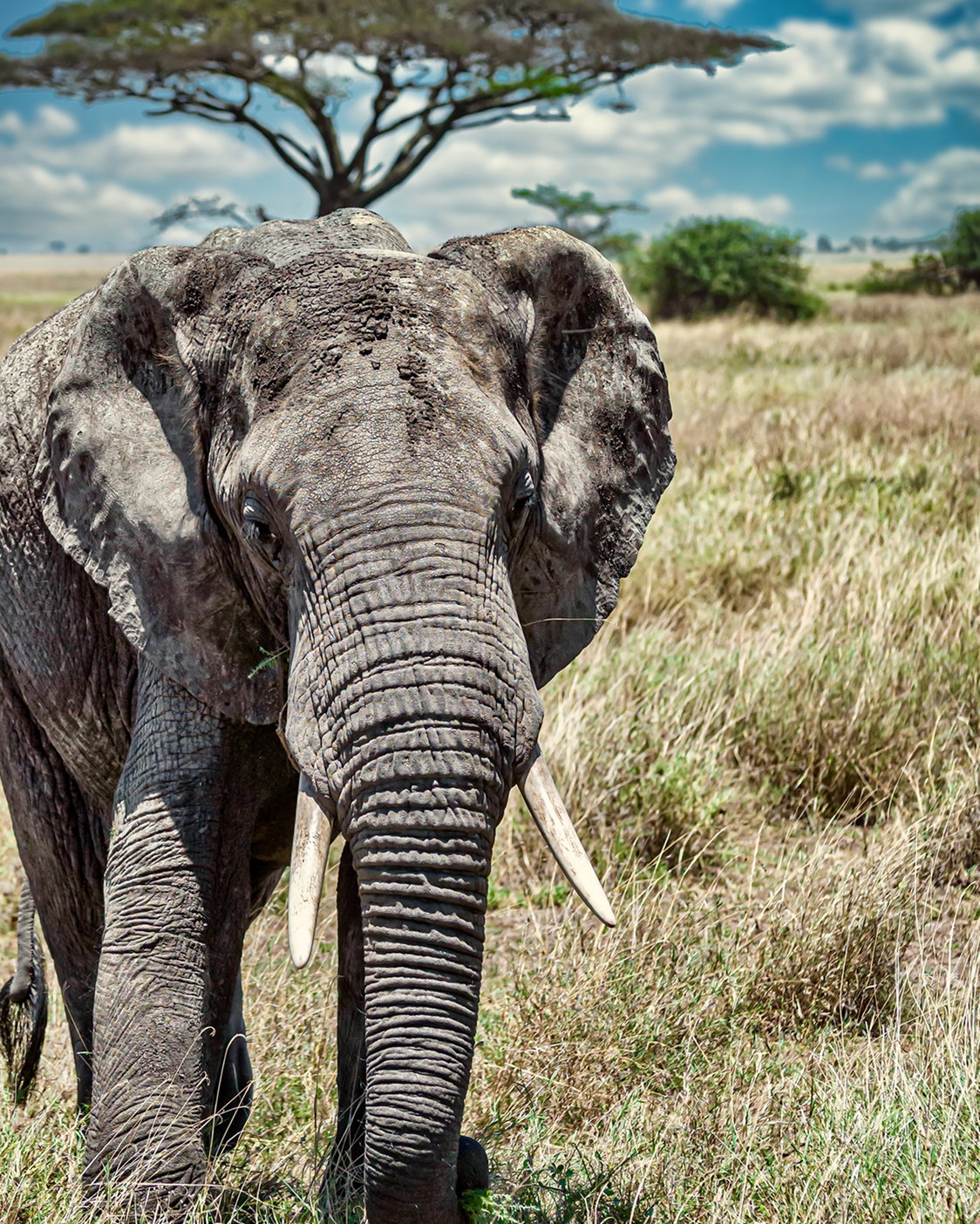
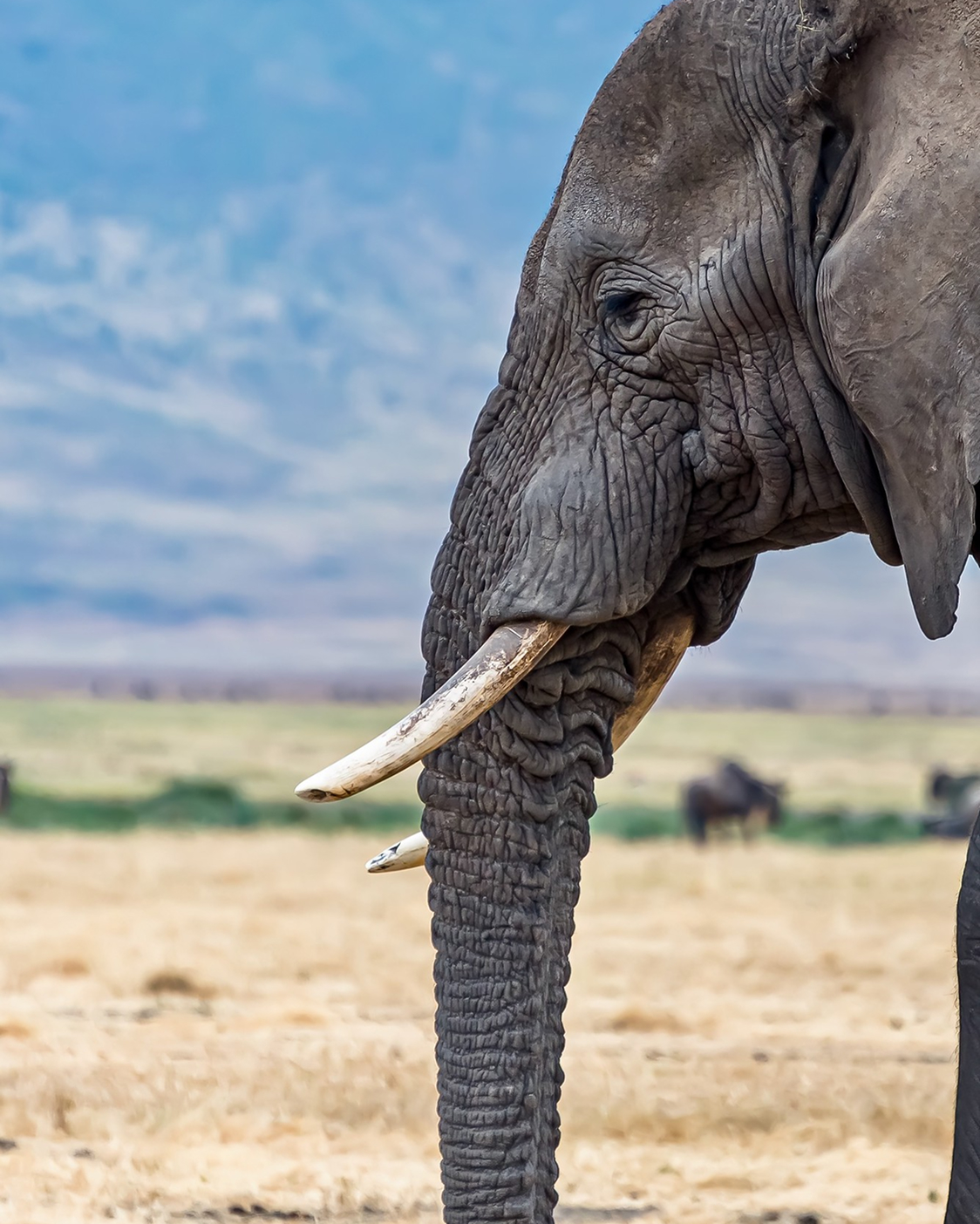
Amboseli National Park is one of East Africa’s most visually iconic landscapes, and January has some of its clearest conditions. Set beneath Mount Kilimanjaro, the park’s open plains create uninterrupted sightlines, where large elephant herds move steadily across the terrain. The combination of scale and clarity makes wildlife viewing dramatic.
Beyond its visual appeal, Amboseli delivers consistency. Water sources draw animals into predictable patterns, allowing for reliable sightings throughout the day. Amboseli stands out as a destination where both landscape and wildlife align effortlessly.
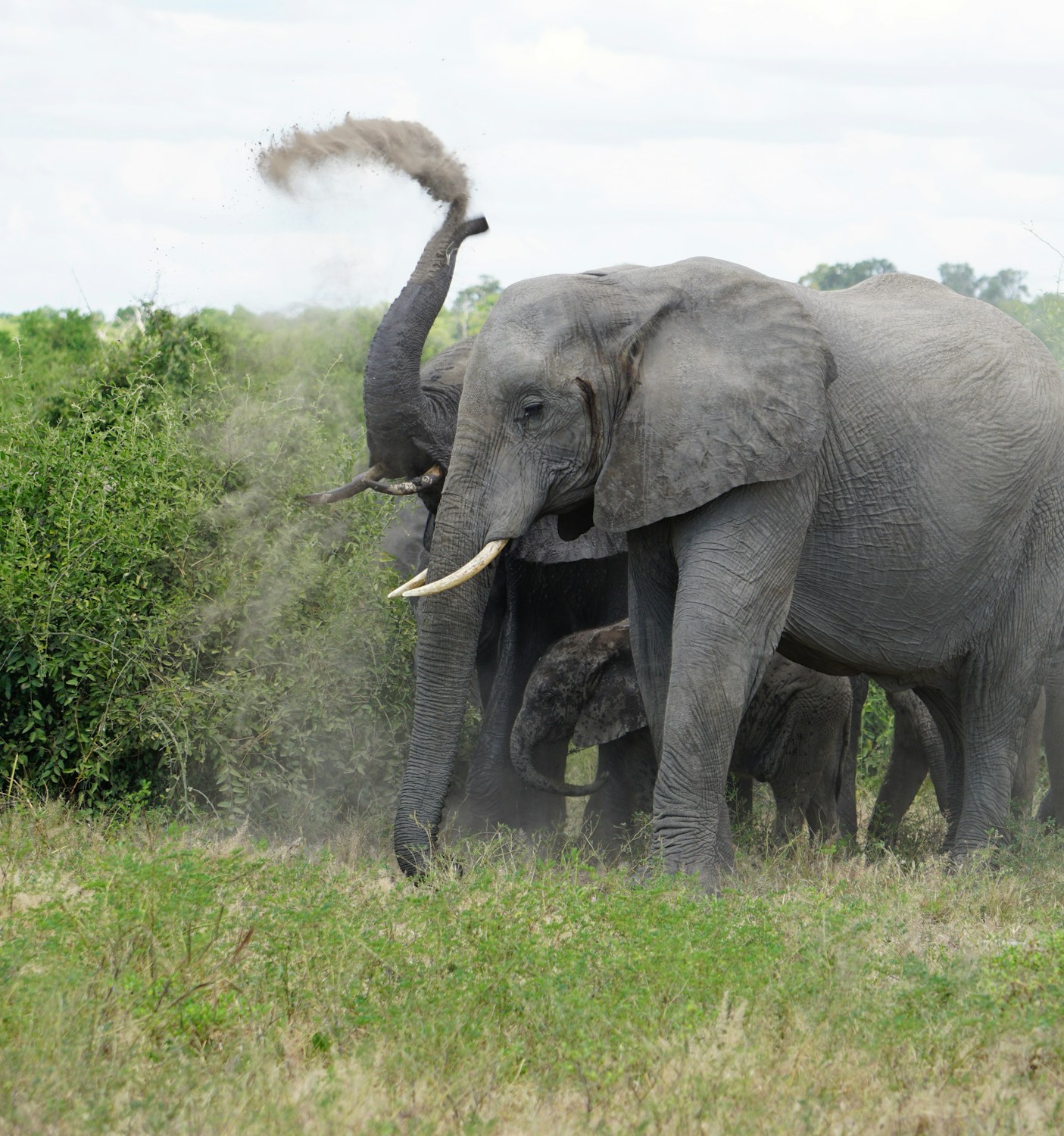
The Ngorongoro Crater has a completely different safari dynamic. As a self-contained ecosystem, it supports an exceptionally high density of wildlife within a relatively compact area. In January, the crater’s greener landscapes add texture and contrast, enhancing an already rich environment.
Game drives here feel concentrated and incredible. Lions, elephants, buffalo, and even the elusive black rhino can often be seen within a single day. For those exploring the best safari destinations in January, the crater provides reliability, an environment where Big Five are almost guaranteed.
A well-paced itinerary is typically 7 to 10 days, allowing you to explore multiple ecosystems such as the Serengeti, Ngorongoro Crater, Amboseli, or the Masai Mara. Shorter trips can still be incredible, but additional time allows for more varied wildlife encounters and a deeper overall experience.
Yes, January is an excellent choice for first-time travelers. Conditions are easy to navigate, wildlife is active, and the balance of fewer crowds with strong sightings enhances the experience.
Lightweight, breathable clothing is essential for warm days, along with layers for cooler mornings and evenings. Neutral tones work best for game drives, and sun protection, comfortable footwear, and a good camera are all highly recommended.
January often has stronger value than peak migration months. While conditions remain excellent, rates can be more competitive, particularly in destinations like the Masai Mara and Serengeti outside of peak crossing periods.
Yes, January is an ideal time to combine destinations across Kenya and Tanzania. The dry conditions make travel between parks straightforward, allowing you to experience a mix of landscapes, from open plains to crater environments, within a single itinerary.
Do you have any other questions?
Get in touch with one of our experts for a free consultation.









Personalized service by travel experts with first-hand knowledge

Customizable tours to your preference

400+ 5-star TripAdvisor and Google reviews

Booking Security - Money - back guarantee & 24/7 support
