Discover Its Beauty and Wildlife
| Activity |
Long Dry Season Jun–Sep |
Short Wet Season Oct–Nov |
Short Dry Season Dec–Feb |
Long Wet Season Mar–May |
|---|---|---|---|---|
| Big Cat Viewing | Excellent | Good | Excellent | Good |
| Elephant & Buffalo Viewing | Excellent | Good | Excellent | Good |
| Birdwatching | High | Excellent | Excellent | Good |
| Photography | Excellent | Good | Excellent | Fair |

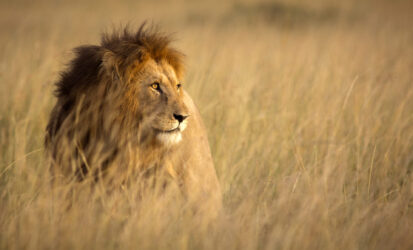
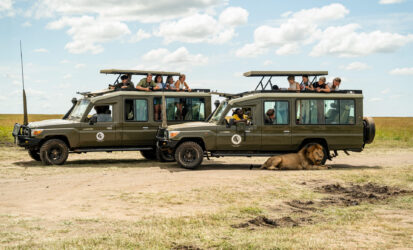
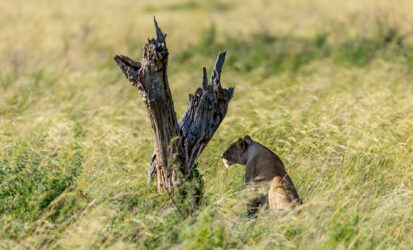
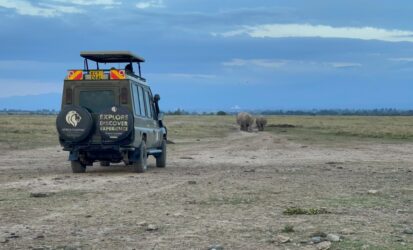
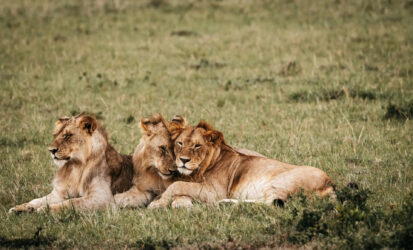
Meru National Park offers reliable big cat sightings year-round, particularly for lions and leopards that favor its mix of open plains and riverine forest. The long dry season (June – September) is prime time, with low vegetation and concentrated wildlife along watercourses. The short dry season (December – February) is equally rewarding, especially for leopard sightings along shaded rivers and woodland edges.

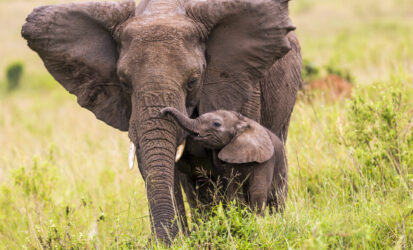
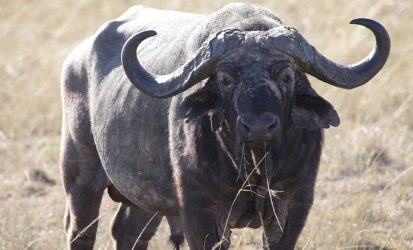
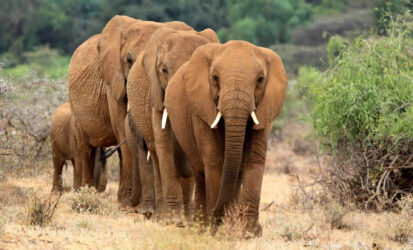
Meru’s network of rivers supports some of Kenya’s most scenic elephant viewing. During the dry seasons, elephants, buffalo, hippos, and crocodiles gather along riverbanks, offering excellent visibility and dramatic interactions. While animals spread out more during the rains, sightings remain consistent thanks to Meru’s permanent water sources.

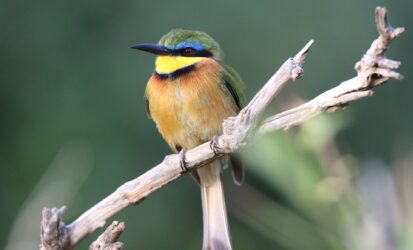
Birdwatching in Meru National Park is outstanding from November to April, when migratory species arrive and breeding activity peaks. The park’s rivers, palm groves, and wooded areas attract kingfishers, fish eagles, bee-eaters, and herons, while dry months remain excellent for raptors and savanna species.

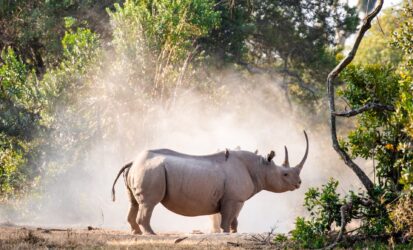
From June to September, Meru delivers crisp light, dusty tracks, and strong wildlife contrast ideal for classic safari photography. Between November and April, the park transforms into a lush, green landscape with dramatic skies, reflective water, and fewer vehicles, perfect for atmospheric and creative imagery.
Meru National Park enjoys a warm, semi-arid climate moderated by elevation and rivers. Days are generally warm, with cooler mornings and evenings. Daytime temperatures typically range from 70 – 86 °F (21 – 30 °C).

January
Clear days, excellent elephant sightings, and strong predator activity.
February
Warm, stable weather ideal for game drives and photography.

March
Landscapes green up; excellent birdlife emerges.
April
Wettest month; dramatic skies and minimal crowds.
May
Rains taper off; rivers full and scenery lush.

July
Outstanding river-based wildlife viewing.
August
Cool mornings, excellent predator sightings.
September
Clear skies and prime photographic conditions.
October
Dry early in the month, turning greener as short rains approach.

November
Fresh landscapes and excellent birdwatching.
December
Warm, scenic conditions with active wildlife and fewer visitors than peak dry season.
Meru National Park experiences warm days and cooler nights year-round, with temperatures typically ranging from 64 – 86 °F (18 – 30 °C). Dry seasons offer optimal wildlife visibility, while the green season delivers flowing rivers, vibrant landscapes, and peak birdlife.
General weather summary in November
Feel like
-
What to wear
-
Daylight length
-
Chance of rain
-
Amount
-
Wind speed
-
Humidity
-
Sunrise
-
Sunset
-
C°
Temperature
F°
30
20
10
0
86
68
50
32
General weather summary in December
Feel like
-
What to wear
-
Daylight length
-
Chance of rain
-
Amount
-
Wind speed
-
Humidity
-
Sunrise
-
Sunset
-
C°
Temperature
F°
30
20
10
0
86
68
50
32
General weather summary in January
Feel like
-
What to wear
-
Daylight length
-
Chance of rain
-
Amount
-
Wind speed
-
Humidity
-
Sunrise
-
Sunset
-
C°
Temperature
F°
30
20
10
0
86
68
50
32
General weather summary in February
Feel like
-
What to wear
-
Daylight length
-
Chance of rain
-
Amount
-
Wind speed
-
Humidity
-
Sunrise
-
Sunset
-
C°
Temperature
F°
30
20
10
0
86
68
50
32
General weather summary in March
Feel like
-
What to wear
-
Daylight length
-
Chance of rain
-
Amount
-
Wind speed
-
Humidity
-
Sunrise
-
Sunset
-
C°
Temperature
F°
30
20
10
0
86
68
50
32
General weather summary in April
Feel like
-
What to wear
-
Daylight length
-
Chance of rain
-
Amount
-
Wind speed
-
Humidity
-
Sunrise
-
Sunset
-
C°
Temperature
F°
30
20
10
0
86
68
50
32
General weather summary in May
Feel like
-
What to wear
-
Daylight length
-
Chance of rain
-
Amount
-
Wind speed
-
Humidity
-
Sunrise
-
Sunset
-
C°
Temperature
F°
30
20
10
0
86
68
50
32
General weather summary in June
Feel like
-
What to wear
-
Daylight length
-
Chance of rain
-
Amount
-
Wind speed
-
Humidity
-
Sunrise
-
Sunset
-
C°
Temperature
F°
30
20
10
0
86
68
50
32
General weather summary in July
Feel like
-
What to wear
-
Daylight length
-
Chance of rain
-
Amount
-
Wind speed
-
Humidity
-
Sunrise
-
Sunset
-
C°
Temperature
F°
30
20
10
0
86
68
50
32
General weather summary in August
Feel like
-
What to wear
-
Daylight length
-
Chance of rain
-
Amount
-
Wind speed
-
Humidity
-
Sunrise
-
Sunset
-
C°
Temperature
F°
30
20
10
0
86
68
50
32
General weather summary in September
Feel like
-
What to wear
-
Daylight length
-
Chance of rain
-
Amount
-
Wind speed
-
Humidity
-
Sunrise
-
Sunset
-
C°
Temperature
F°
30
20
10
0
86
68
50
32
General weather summary in October
Feel like
-
What to wear
-
Daylight length
-
Chance of rain
-
Amount
-
Wind speed
-
Humidity
-
Sunrise
-
Sunset
-
C°
Temperature
F°
30
20
10
0
86
68
50
32
Explore Meru through thoughtfully designed safari itineraries that highlight its river systems, diverse habitats, thriving big game, and remote wilderness atmosphere. Tailor-made journeys make sure that you experience Meru National Park at its best, aligned with your interests, travel style, and preferred season.

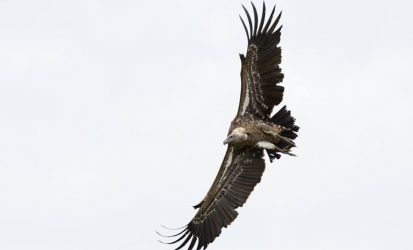
This 12 days Kenya Safari is loaded with national and regional gems, this tour will engage you in a birding experience of a lifetime. The locations and destinations have been carefull
Price From



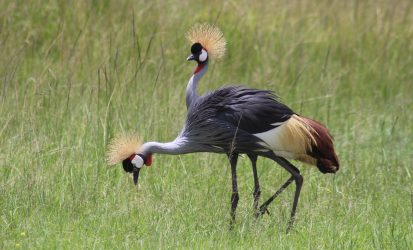
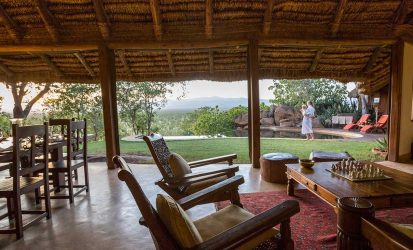
One of the lesser visited parks, Meru is utterly unspoilt in its beauty. This stunning park doesn’t have the name recognition of some of the other famous locations in Kenya but it still plays host t
Price From


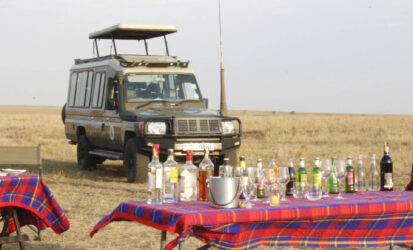

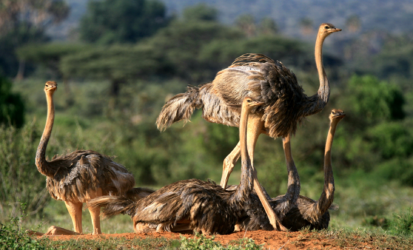
This 6-day safari visits three prime Kenyan wildlife destinations. Travel through central northern Kenya with us and experience the warmth and wildlife of East Africa. The Ol Pejeta Conservancy is
Price From
This 12 days Kenya Safari is loaded with national and regional gems, this tour will engage you in a birding experience of a lifetime. The locations and destinations have been carefull
Price From
One of the lesser visited parks, Meru is utterly unspoilt in its beauty. This stunning park doesn’t have the name recognition of some of the other famous locations in Kenya but it still plays host t
Price From
This 6-day safari visits three prime Kenyan wildlife destinations. Travel through central northern Kenya with us and experience the warmth and wildlife of East Africa. The Ol Pejeta Conservancy is
Price From
June – September and January – February offer the best wildlife visibility.
Yes. Wildlife remains present year-round, and the park is quieter with lush scenery.
Warm days, cooler mornings, and seasonal rainfall influenced by river systems.
March – May, during the long rains, when some lodges offer lower rates.
Yes. Wildlife is active, landscapes are green, and crowds are low.
November – April, during peak migratory and breeding season.
Yes. Riverine forests remain cooler and greener, while open plains are warmer and drier.
Yes. Meru’s permanent rivers support strong resident wildlife throughout the year.
For peak dry-season travel (June – September), booking 6 – 12 months in advance is recommended.
Do you have any other questions?
Get in touch with one of our experts for a free consultation.









Personalized service by travel experts with first-hand knowledge

Customizable tours to your preference

400+ 5-star TripAdvisor and Google reviews

Booking Security - Money - back guarantee & 24/7 support
