Planning a safari in Tanzania is like standing at a trail fork with two equally enticing paths. One leads to the icons you’ve seen in coffee-table books, endless Serengeti plains, the Ngorongoro Crater, and elephant herds weaving between ancient baobabs. The other winds into quieter wildlands, vast, river-threaded ecosystems where you might not see another vehicle all day, and where walking or boating brings you close to nature’s rhythms.
These are Tanzania’s two primary safari circuits: the Northern Circuit and the Southern Circuit. Each delivers a distinct flavor of adventure. This guide breaks down how the Tanzania safari circuits work, what each region does best, and how to choose (or combine) them for your perfect trip.
| Feature | Northern Tanzania Circuit | Southern Tanzania Circuit |
| Key Parks | Serengeti, Ngorongoro Crater, Tarangire, Lake Manyara | Nyerere, Ruaha, Mahale, Katavi |
| Gateway City | Arusha / Kilimanjaro | Dar es Salaam |
| Accessibility | Easy road connections, short internal flights | Primarily fly-in safaris between remote airstrips |
| Wildlife Viewing | Dense, iconic species, Great Migration highlights | Varied and intimate: walking, boating & chimp trekking |
| Crowds | Popular & busier during peak months | Quiet, exclusive, few vehicles at sightings |
| Ideal For | First time safaris, families, photographers | Seasoned travelers, couples and solitude seekers |

Safari circuits in Tanzania are practical travel routes that cluster national parks and reserves into logical, time-efficient groupings. Instead of zigzagging across a country the size of Texas and California combined, you focus on one region with connected parks, airstrips, and logistics.
Northern Tanzania typically includes Arusha (gateway city), Lake Manyara, Tarangire, Ngorongoro Conservation Area (home to the famed crater), and Serengeti National Park. Mount Kilimanjaro and Mount Meru sit nearby for trekking extensions.
Southern Tanzania safaris encompasses Nyerere National Park (formerly Selous), Ruaha National Park, Mikumi, Udzungwa Mountains, and, on more off-the-grid routes, Mahale Mountains and Katavi. Dar es Salaam is the common gateway, with fly-in links to the parks.
A northern Tanzania safari is often the first choice for travelers who want a classic, high-impact introduction with relatively short distances between world-class attractions. A southern Tanzania safaris lean more remote and slow, rewarding those who prefer untamed spaces, varied activities (boat and walking safaris), and fewer vehicles at sightings. Both are excellent; they simply deliver different styles of wilderness.

Northern Tanzania safaris are straightforward. Kilimanjaro International Airport (near Arusha) is the main arrival point. From there, the parks line up in a logical arc. Distances are drivable, though many travelers still mix road and short hops by light aircraft to maximize time on safari.
Southern Tanzania safaris are more fly-in by design. Distances are greater and the habitats more spread out. You’ll likely board small planes from Dar es Salaam to airstrips in Nyerere or Ruaha, then hop between camps. The travel feels more expeditionary, in a good way.
Northern circuit safaris in Tanzania have more inventory (lodges, camps, seats on planes), which often keeps pricing competitive for the quality offered. The trade-off is popularity: the Serengeti and Ngorongoro are deservedly famous and can feel busy in peak months.
Southern Tanzania safaris tend to cost more because logistics rely on charter or scheduled bush flights, and camps are smaller and more remote. The payoff is space: fewer vehicles at sightings and a wilderness atmosphere that feels truly off-the-beaten-path.
Cost Breakdown:
Northern Circuit
Southern Circuit
Combined North & South

Northern Tanzania safaris: Expect dense wildlife and “bucket-list” moments. It’s high-yield game viewing with frequent sightings, ideal for first-timers and photographers.
Southern Tanzania safaris: The viewing is superb but unfolds differently. Wildlife can be more spread out, but experiences are immersive and diverse.
Northern Tanzania is primarily vehicle-based (game drives), with hot-air ballooning over the Serengeti and cultural visits. Kilimanjaro or Meru trekking can bookend a trip. Southern Tanzania safaris adds boat safaris, walking safaris, and chimp trekking (Mahale). The cadence is slower, with more time in each area and fewer vehicles on the horizon.

Most northern Tanzania safaris begin in or around Arusha. Expect lush coffee estates, views of Mount Meru on clear days, and a good night’s rest before your first game drive. Arusha National Park, often skipped, quietly impresses with colobus monkeys, forest elephants, and small volcanic cones that hint at the region’s dramatic geology.
Lake Manyara is compact but diverse: groundwater forests, floodplains, and acacia woodlands flank a shimmering soda lake. It’s a haven for flamingos when conditions are right and a strong introduction to birding in East Africa. Manyara also has a (sometimes-observed) reputation for tree-climbing lions, plus troops of baboons that seem to own the road at times.
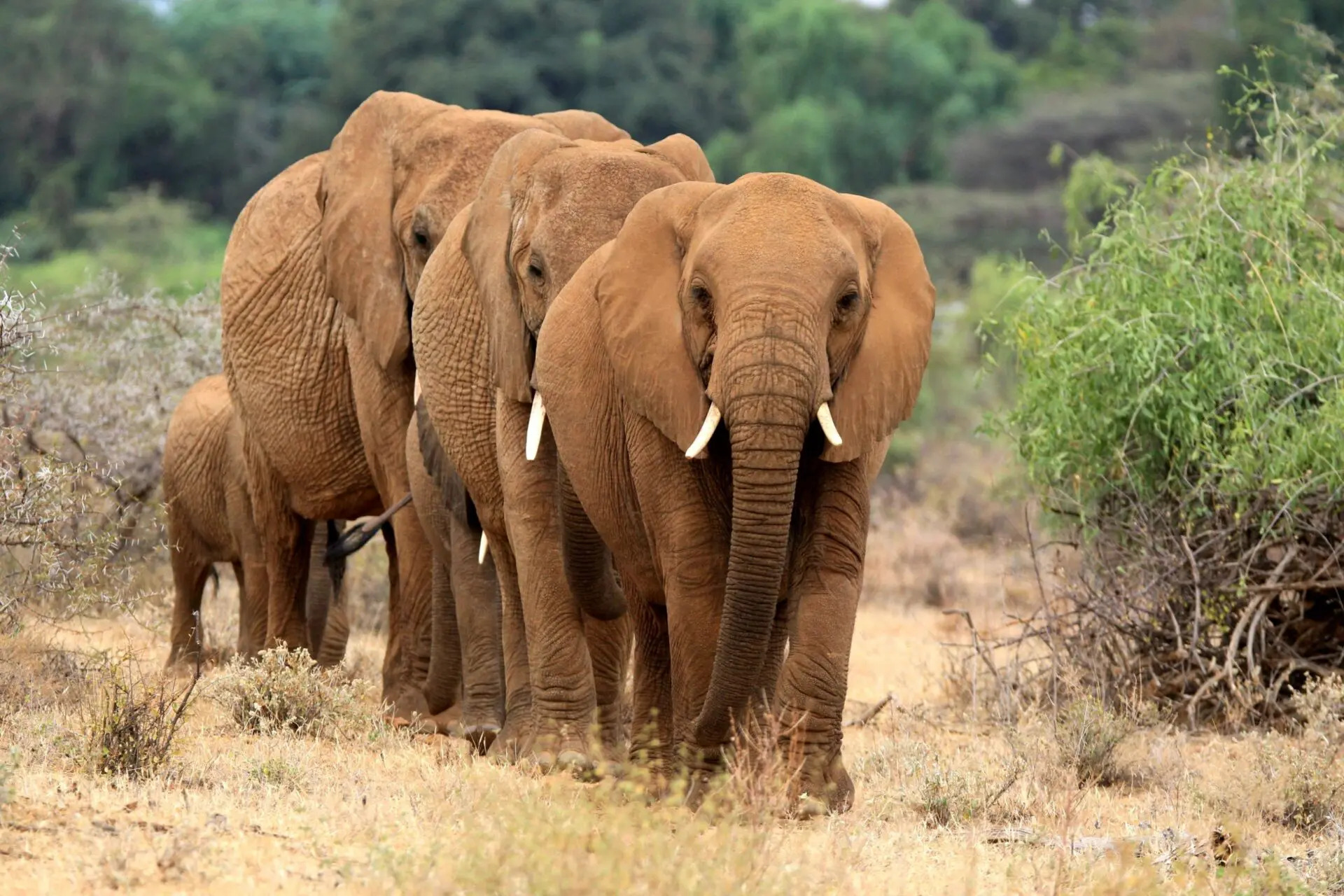
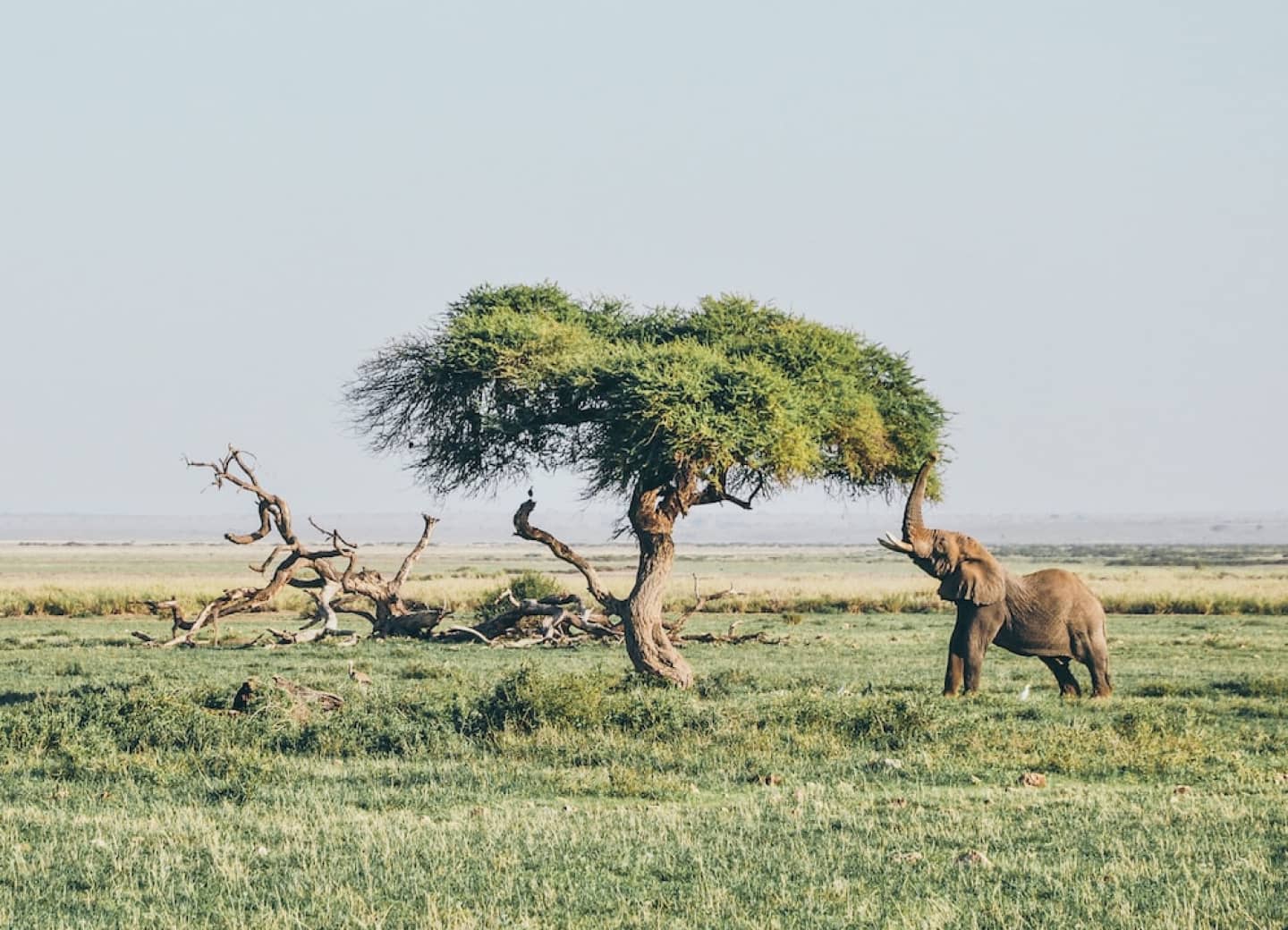
Tarangire is the Northern Circuit’s elephant kingdom. During the dry season, wildlife concentrates around the Tarangire River, drawing massive herds and plenty of predators. The park’s baobab-studded hills create cinematic backdrops, and the birdlife – raptors, hornbills, bee-eaters – is exceptional. Tarangire is also a favorite for guided walks (in certain concessions) and unhurried, crowd-light drives.
The crater is a geological amphitheater: a collapsed volcanic caldera whose floor shelters grasslands, wetlands, and woodlands in a mosaic. Its resident populations of lions, hyenas, elephants, buffalo, and a smattering of rhinos mean you can witness the “Big Five” in a single day. The rim’s cool highland climate and views into the bowl deliver an unforgettable sense of place. Cultural experiences with Maasai communities, done thoughtfully, add context to the human-wildlife story here.

Serengeti is the heart of many Tanzania northern circuit safaris. The park’s scale is hard to fathom until you’re flying over endless golden plains or scanning granite kopjes for cats. Different areas shine in different months, but year-round you’ll find resident wildlife: lions lounging on boulders, cheetahs eyeing Thompson’s gazelles, hyenas embroiled in dawn dramas.
If you time it right, portions of the Great Migration thunder through, columns of wildebeest, zebras, and attendant predators shaping one of Earth’s great natural spectacles. Balloon safaris at dawn are a signature experience, the silent drift revealing how wide the world truly is here.
Not everyone comes to Tanzania to climb, but for those who do, Mount Kilimanjaro and Mount Meru offer two very different (yet equally rewarding) adventures. Kilimanjaro, Africa’s highest peak, is a true bucket-list climb that challenges and inspires in equal measure. Its snow-capped summit and ever-changing ecological zones make the journey as compelling as the destination. Nearby, Mount Meru provides a shorter, less-crowded alternative that still delivers incredible scenery, from lush montane forests alive with colobus monkeys to sweeping views of Kilimanjaro itself from the crater rim.
Both mountains integrate beautifully into a Northern Tanzania circuit itinerary. Many travellers start with a Meru trek as acclimatisation before tackling Kilimanjaro, while others prefer to summit first and then unwind on safari. Meru’s crater views and forest hikes pair effortlessly with a post-summit Serengeti “victory lap,” creating a journey that moves from mountain peaks to open plains – a full-circle celebration of Tanzania’s landscapes, energy, and spirit.

One of Africa’s largest protected areas, Nyerere is river country. The Rufiji branches into oxbow lakes and channels where boat safaris skim past pods of hippos and crocodiles basking on sandbanks. Birdlife is prolific; elephants come to drink in the blush light of late afternoon; and lions patrol open savanna between palm-dotted islands of woodland. Game drives, boat trips, and (where permitted) walking safaris create a varied rhythm that’s distinct from the north.
Ruaha is raw, red-earthed, and thrillingly wild. The Great Ruaha River carves through rocky gorges and sandy channels, drawing elephants in family herds and a formidable cast of predators. Lion prides are robust here; leopards drape themselves over branches at sunset; and wild dogs, Africa’s most endangered big predator, still hunt across the miombo-dotted hills. Because Southern Tanzania sees fewer visitors, sightings feel intimate and hard-won but in the best possible way.
A world away, Mahale’s emerald slopes tumble to the cobalt waters of Lake Tanganyika. This is one of Africa’s finest places to track wild chimpanzees, guided by researchers and trackers who read the forest like a book. Between treks, you swim or kayak in a lake so clear it feels unreal, then watch sunsets fire the horizon from a remote beach lodge. Mahale is hard to reach, and absolutely worth the effort.
Katavi is the Southern Circuit’s hush, its reputational lure built on solitude. In the dry season, game concentrates along seasonal rivers and floodplains. Buffalo herds mass like black clouds; lions shadow the edges; dust hangs in the heat as elephants bulldoze channels toward lingering water. You come to Katavi to feel small in a big system, your vehicle the only punctuation mark on an otherwise empty page.

One of the reasons the best Tanzania safari circuits often start in the north: the sheer variety of stays. You’ll find everything from glass-fronted suites atop crater rims to mobile tented camps that follow the migration.
Road links and multiple airstrips give you flexible routing. You can start by the crater, move to central Serengeti, then finish in the far north – or flip it – all without losing a day to transfers. For travelers testing a Northern safari in Tanzania with kids or multigenerational groups, this convenience is priceless.

In Tanzania’s Southern Circuit, the wilderness takes center stage, and the stays match that mood. Here, you’ll trade polished luxury for soul-stirring solitude, swapping manicured lawns for wild riverbanks and the soundtrack of the bush. Expect fewer crowds, more character, and a deeper connection to Africa’s raw, untamed beauty.
With only a handful of lodges spread across vast reserves, exclusivity comes naturally. Light aircraft connections link Ruaha and Nyerere, making it easy to combine adventure and relaxation. For travelers craving remoteness and authenticity, the Southern Tanzania Circuit offers space, a place to truly disconnect.

The beauty of Tanzania isn’t only in its wildlife; it’s in the way each circuit tells a different story about wild Africa. The Northern Tanzania circuit turns the pages quickly, giving you one iconic scene after another. The Southern Tanzania circuit lingers on each line, letting the silence between sightings say as much as the sightings themselves. Whether you choose one route or stitch both together, a Tanzania safari circuit will meet you where your travel style lives – big drama, deep wilderness, or a satisfying blend of both.
Plan your Northern or Southern Tanzania safaris with a specialist who knows the ground truth: where the herds will likely be, which camps fit your pace, and how to connect the dots so every day feels seamless. Tanzania has two great paths; with the right plan, you can’t choose wrong.
If you don't want to miss useful and interesting articles, leave us your email.
Also you will be the first to know about all discounts and offers.









Personalized service by travel experts with first-hand knowledge

Customizable tours to your preference

400+ 5-star TripAdvisor and Google reviews

Booking Security - Money - back guarantee & 24/7 support