Discover what makes a tour of Uganda a must with our complete Uganda Safari Travel Guide…
A Uganda safari is more than just a trip, it’s a journey into the beating heart of Africa’s wilderness. From the moment you step onto the cool, damp forest floor in search of mountain gorillas, to the thundering roar of the Nile forcing its way through a narrow gorge at Murchison Falls, Uganda invites you to experience nature on its own terms. Known as the “Pearl of Africa”, the country is a rare combination: the thrill of Big Five game drives, the intimacy of primate trekking, and a diversity of landscapes that shift dramatically from one region to the next.
Uganda is the only country where you can track gorillas and chimpanzees in their natural habitats, cruise alongside hippos on the Nile, and photograph tree-climbing lions, all within a single itinerary. And with its warm hospitality, exceptional guides, and a strong commitment to conservation, Uganda is as rewarding for seasoned safari-goers as it is for first-timers.
But, planning your Uganda safari can feel overwhelming, where should you go, when should you travel, how much will it cost? This comprehensive guide, shaped by years of expertise designing luxury itineraries, will walk you through everything, from budgeting and seasonal highlights to health, packing, and responsible travel:

Uganda lies in East Africa, bordered by Kenya to the east, South Sudan to the north, the Democratic Republic of the Congo to the west, and Rwanda and Tanzania to the south. Despite its modest size, the country’s geography is remarkably varied, a patchwork of volcanic mountains, rolling hills, lush forests, expansive savannahs, and lakes that shimmer under equatorial skies.
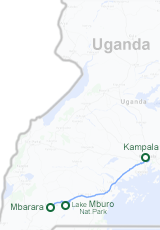
The capital city, Kampala, sits near Lake Victoria, just an hour from Entebbe International Airport, the main point of arrival for international travelers. Most safaris start or end in Entebbe, with onward journeys made by domestic flights or scenic road transfers.
Uganda’s safari regions are naturally arranged in a circuit, making it easy to combine multiple ecosystems:
Uganda’s landscapes define the rhythm of your safari. Imagine trekking through a cathedral of towering mahogany in search of chimps, driving across golden plains in the shadow of rugged mountains, or gliding down the Nile as elephants gather at the banks. This diversity is what makes Uganda so unique, and why no two days feel the same.

Uganda’s safari infrastructure is well developed, but distances between parks can be considerable. Travelers often choose a combination of air and road transfers to save time without missing the scenic beauty.
Our Expert Tip: If gorilla trekking is a priority, plan to fly in and out of Bwindi or Mgahinga to minimize fatigue, then combine with road transfers for nearby parks to enjoy the landscapes at ground level.

Uganda has superb value for luxury safaris, with experiences that rival more famous destinations but at a more competitive rate, especially considering the exclusivity of gorilla trekking. Your costs will depend on travel season, length of stay, lodge category, transport choices, and activities.
General Guideline for Per Person, Per Night (PPPN) Rates, including accommodation, meals, game drives, and transfers:
Gorilla Permit: $700 per person per trek (non-resident rate). These are limited and must be booked well in advance.

Uganda’s luxury safari lodges and tented camps are designed for immersion in nature, whether that’s an open-deck suite with forest views or a riverside tent where hippos grunt at night. Expect world-class service, gourmet dining, and personalized touches:

Uganda’s wildlife portfolio is astonishingly broad, with encounters that range from Africa’s most famous animals to rare and endemic species found nowhere else. Its varied ecosystems, from mist-shrouded montane forests to golden savannahs and papyrus-fringed wetlands, create habitats for an extraordinary diversity of species.
The crown jewel of Uganda’s wildlife is the endangered mountain gorilla, found in the dense rainforests of Bwindi Impenetrable National Park and Mgahinga Gorilla National Park. Trekking to see them is as much about the journey as the destination, winding through tangled vines, stepping over moss-covered roots, and listening for the distant rustle that signals their presence. When you finally come face-to-face with a silverback or watch playful youngsters tumbling through the undergrowth, the moment is profoundly moving and unforgettable.
Uganda is home to over 5,000 chimpanzees, and Kibale Forest National Park is renowned for having some of the best chimpanzee tracking in Africa, with success rates of around 95%. Alongside the thrill of observing chimps in the wild, you may also encounter red colobus, L’Hoest’s monkeys, and blue monkeys, all adding to the forest’s rich tapestry of life. Their loud pant-hoots echo through the trees long before you see them, heightening the anticipation.
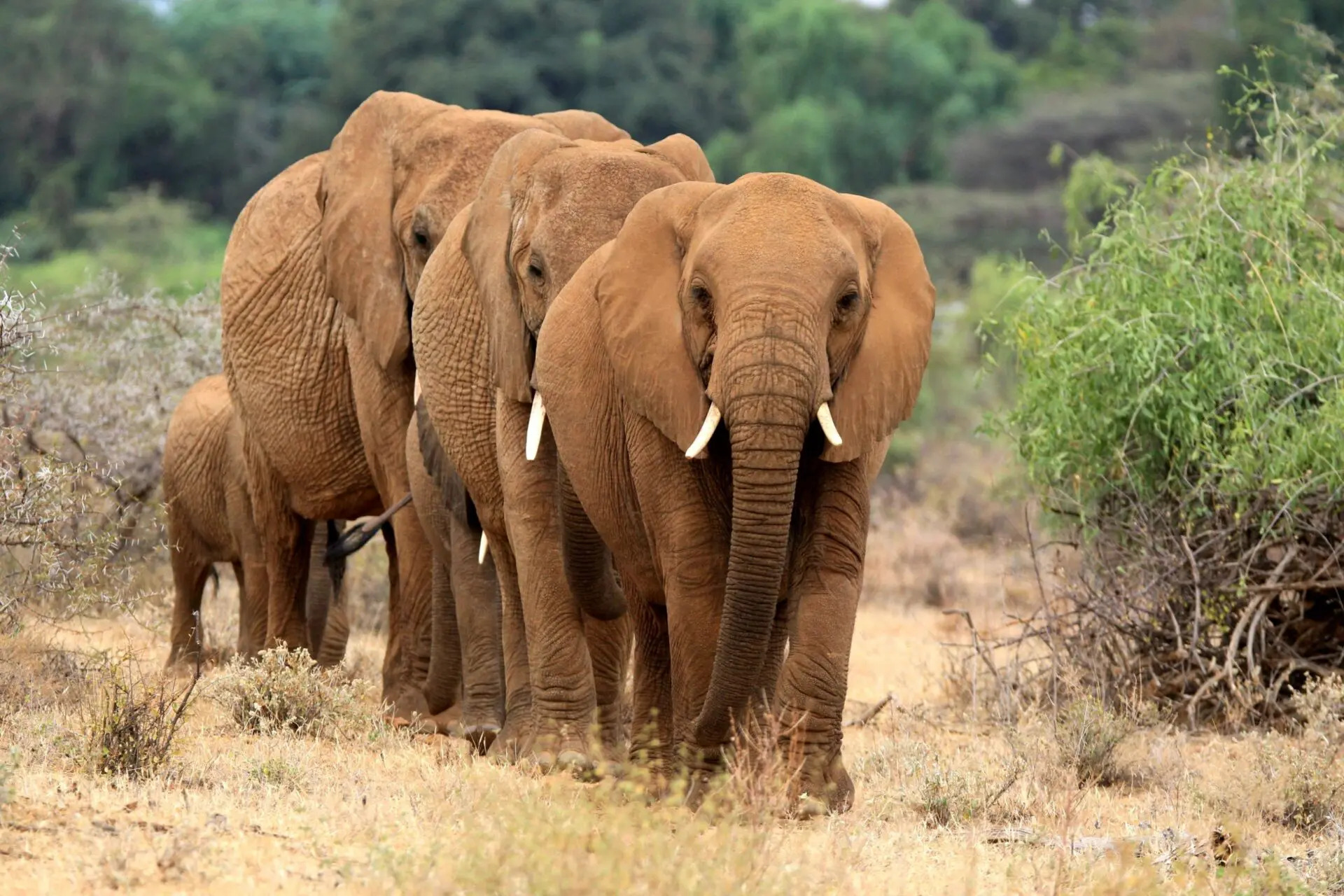
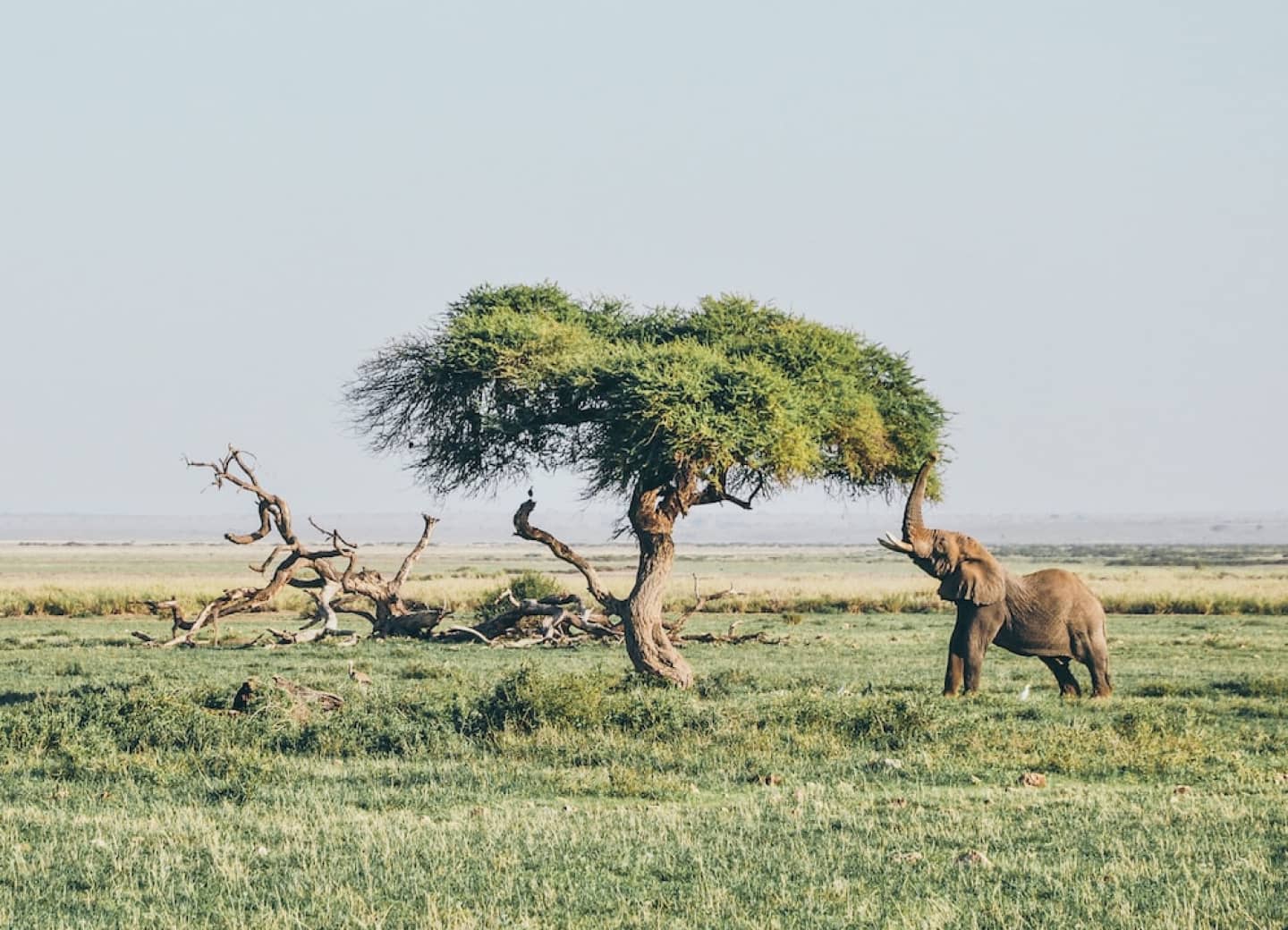
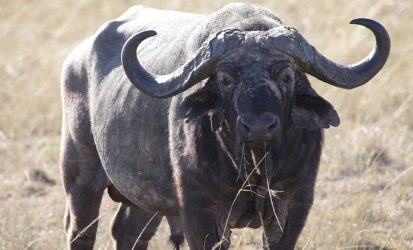
A safari in Uganda also gives you a chance to see the Big Five across several parks. Lions, leopards, elephants, and buffalo are regularly seen in Queen Elizabeth National Park, Murchison Falls National Park, and Kidepo Valley National Park. While rhinos were once absent, the Ziwa Rhino Sanctuary is successfully reintroducing them, and guided on-foot rhino tracking here is both exhilarating and educational.
A rare and fascinating behavior is found in the Ishasha sector of Queen Elizabeth National Park, where lions spend their afternoons sprawled across the branches of giant fig trees. Researchers believe they climb to escape the heat, avoid biting insects, or simply enjoy a better vantage point over the savannah.
With its massive, clog-shaped bill and prehistoric appearance, the shoebill stork is a birdwatching bucket-list species. Often found in Mabamba Swamp near Entebbe, this enigmatic bird stands motionless for long stretches before striking with lightning speed to catch lungfish.
Uganda is also home to a rich cast of lesser-known but equally fascinating species:
Uganda’s wildlife has a way of surprising you, with rare sightings, unique behaviors, and encounters that feel truly personal in the country’s uncrowded wilderness.

Uganda is a true year-round destination, with its equatorial climate bringing warm temperatures and vibrant greenery throughout the year. That said, different seasons offer distinct experiences, and depending on whether you’re prioritizing gorilla trekking, game viewing, birding, or photography, timing your visit right can elevate your safari from memorable to extraordinary.
The country’s seasons are defined more by rainfall than temperature. Most regions, especially the southwestern parks like Bwindi and Mgahinga, receive rain at any time of year due to their high elevation and forested environments. However, the two dry seasons, from June to September and again from December to February, are considered the best times for wildlife viewing and trekking adventures.
These are the most popular months for a safari in Uganda, especially for gorilla and chimpanzee trekking in Bwindi, Mgahinga, and Kibale. Trails are easier to navigate, and the risk of heavy downpours is lower. Wildlife congregates near water sources, making for more predictable game viewing in Queen Elizabeth, Murchison Falls, and Kidepo Valley National Parks.
This is Uganda’s wettest period, particularly in the forested southwest. Trekking conditions become more challenging, with steep and often slippery trails, especially in Bwindi and Mgahinga. However, this season has its own unique appeal.
This brief rainy season is generally less intense than the long rains and is a good balance between crowd-free travel and lush landscapes.

Uganda is ideal for:

Uganda is a safe and welcoming country for travelers, with a well-established safari infrastructure, excellent guides, and a strong reputation for hospitality. Like any wilderness destination, however, it’s important to travel well-prepared, especially when your itinerary includes remote areas, primate trekking, or open-vehicle game drives. With the right precautions, your safari will not only be incredibly rewarding, but smooth, secure, and stress-free.
A yellow fever vaccination is mandatory for all travelers entering Uganda. Be sure to carry your international yellow fever certificate, as it may be requested upon arrival.
Other recommended vaccinations include:
Most of Uganda is considered a malaria risk zone, including all major safari regions. Speak with your healthcare provider about anti-malarial medication suitable for your itinerary. It’s also wise to wear long sleeves and trousers in the evenings and use insect repellent. Most luxury lodges have mosquito nets and often provide coils or repellents in rooms.
We recommend visiting a travel health clinic 6 – 8 weeks before departure to receive personalized advice and ensure you’re up to date on any required or recommended vaccinations.
Comprehensive travel insurance is essential. It should cover:


One of Uganda’s greatest advantages is its central location in East Africa, making it a natural fit for multi-country safaris. Whether you want to witness the Great Migration in the Serengeti, add a second gorilla trek in Rwanda, or relax on a sugar-white beach after days in the bush, a Uganda safari can be seamlessly paired with iconic destinations nearby. With well-connected flights from Entebbe International Airport and increasingly efficient regional links, combining Uganda with other adventures is not only possible, it’s highly recommended.
For travelers seeking to experience the best of East Africa’s wildlife diversity, pairing Uganda with Kenya or Tanzania is a classic choice. After trekking gorillas in Bwindi or chimps in Kibale, you can jet off to the wide-open plains of the Masai Mara or Serengeti to witness lion prides, massive elephant herds, and (if timed right) the Great Wildebeest Migration.
For a primate-focused itinerary, combining Uganda with Rwanda makes perfect sense, especially for those interested in a second gorilla trek or something slightly different, like tracking golden monkeys in Volcanoes National Park. Rwanda’s compact size and modern infrastructure make it easy to connect via road or short flights, especially if you’re already visiting Uganda’s southwestern parks.
After forest hikes and dusty game drives, there’s no better way to unwind than with a few days of barefoot luxury on a tropical island. Whether you’re celebrating a honeymoon, planning a romantic finale, or simply seeking some R&R, combining your Uganda safari with the beaches of Zanzibar creates the perfect balance of adventure and indulgence.

Traveling to Uganda is not just a journey through breathtaking landscapes, it’s a chance to support vital conservation work, empower local communities, and ensure the long-term protection of some of the world’s most endangered species. As a visitor, your choices matter. Whether it’s the lodge you stay in, the guides you travel with, or the respect you show for wildlife, responsible travel plays a critical role in preserving Uganda’s natural and cultural heritage.
The presence of responsible tourism is a powerful conservation tool, particularly in gorilla trekking regions. The permit fees you pay go directly into habitat protection, ranger patrols, anti-poaching efforts, and revenue-sharing programs that fund infrastructure and services in surrounding villages. Thanks to this model, mountain gorilla populations are slowly increasing, a rare conservation success story.
With Flash McTours, you can explore the best of the country while knowing your journey helps protect the people, wildlife, and places that make it so special.
From mist-cloaked forests to sunlit savannahs, a safari in Uganda delivers unforgettable moments in every corner. Let Flash McTours craft your luxury safari for an experience you’ll treasure for a lifetime.


Welcome to Uganda! This 6-day Ugandan safari is ideal for safari enthusiasts with a particular interest in the great apes and other primates. Your first stop will be at Kibale National Park, visitin
Price From




Welcome to Uganda! Africa Flash McTours proudly presents our 4-day Kibale Forest and Queen Elizabeth Safari. This unique safari experience is tailored for those with limited time, who want to samp
Price From

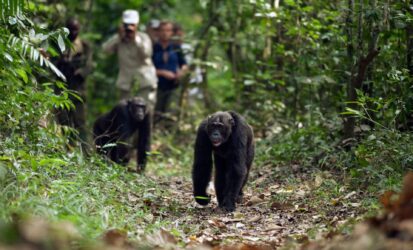


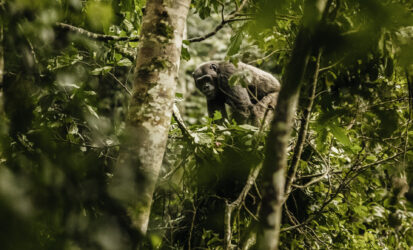

This exciting 4-day primate-watching tour takes you from Entebbe, the bustling capital of Uganda, to the lush tangled forests and dramatic peaks in the southwestern part of the country.
Price From
Welcome to Uganda! This 6-day Ugandan safari is ideal for safari enthusiasts with a particular interest in the great apes and other primates. Your first stop will be at Kibale National Park, visitin
Price From
Welcome to Uganda! Africa Flash McTours proudly presents our 4-day Kibale Forest and Queen Elizabeth Safari. This unique safari experience is tailored for those with limited time, who want to samp
Price From
This exciting 4-day primate-watching tour takes you from Entebbe, the bustling capital of Uganda, to the lush tangled forests and dramatic peaks in the southwestern part of the country.
Price From
If you don't want to miss useful and interesting articles, leave us your email.
Also you will be the first to know about all discounts and offers.









Personalized service by travel experts with first-hand knowledge

Customizable tours to your preference

400+ 5-star TripAdvisor and Google reviews

Booking Security - Money - back guarantee & 24/7 support