From the golden savannahs of the Masai Mara to the snow-dusted peak of Mount Kenya, few destinations offer the sheer variety and cinematic beauty of Kenya. Watch elephants parade across the plains of Amboseli with Kilimanjaro on the horizon, or drift above the Great Rift Valley in a hot-air balloon at sunrise. Kenya is a land of contrast, colour, and raw wilderness, where the safari experience is both timeless and thrilling.
But how much does it cost to go on safari in this East African icon? Kenya cost considerations vary based on when you travel, how you move between destinations, and where you choose to stay. Whether it’s private conservancies and fly-in lodges or shared vehicles and road safaris, here’s what to know about the cost of a Kenya safari, and how to create an experience that matches your travel style and budget.
Kenya’s major international airports include Jomo Kenyatta International (NBO) in Nairobi and Moi International (MBA) in Mombasa. Fly-in safaris are a popular way to reach remote camps and conservancies like the Masai Mara, Samburu, or Lewa quickly and comfortably. These are typically small aircraft transfers from Nairobi’s Wilson Airport, which services Kenya’s main safari hubs.

Self-driving is less common in Kenya but possible for confident, independent travelers. The roads between Nairobi and key northern circuit parks like Samburu or Meru are generally drivable, though conditions can vary. A high-clearance 4×4 is essential, especially in the rainy season or for visiting more remote reserves. All national parks require valid entry permits.

Most travelers opt for classic guided safaris. These include expertly guided game drives in 4×4 vehicles, often open-sided for optimal wildlife viewing. Safaris are either private or shared depending on your itinerary and accommodation. Expect knowledgeable driver-guides, planned routes, and seamless logistics throughout your journey.

Overland travel between parks is common and can offer a more cost-effective option compared to flying. Private road transfers and small group tours are available, often in 4×4 vehicles or minibuses. While drives between parks can be long, they give you a chance to see the countryside and stop at local markets or towns along the way.

| Mid-range Fly-in | Luxury Fly-in | Entry-level Self-drive | |||
| LOW | HIGH | LOW | HIGH | LOW | HIGH |
| $1,300 | $1,600 | $1,900 | $2,800 | $600 | $800 |
| Mid-range Self-drive | Luxury Self Drive | 5 Star Options | |||
| LOW | HIGH | LOW | HIGH | LOW | HIGH |
| $700 | $1,000 | $1,200 | $1,700 | $2,000 | $2,600+ |
Accommodation in Kenya ranges from classic tented camps tucked along migration paths to luxurious lodges in private conservancies where the only neighbors are elephants. Think treehouses in Laikipia, solar-powered eco-camps in the Mara, and glass-fronted suites with panoramic savannah views.
Along the coast, Kenya’s Indian Ocean stretch offers everything from barefoot-luxe beach villas to swish Swahili-style hotels. Diani, Watamu, and Lamu are popular post-safari extensions. When weighing up Kenya cost per night, remember that location and seasonality matter just as much as luxury level, particularly during the peak Great Migration months.
| 4-star comfort | 5-star luxury | ||
| LOW | HIGH | LOW | HIGH |
| $600 – $900 | $900 – $1,300 | $1,500 – $2,000 | Costs vary widely |
Important note for all Kenya cost: All prices are guidelines based on per person, per night sharing (double occupancy), in High and Low Season. Prices exclude international flights, visas, and optional activities. Conservation fees, park levies, and permits are subject to change. Peak or High Season generally runs from July to October and over the festive season from mid-December through early January.
The best time to visit Kenya depends on what kind of safari moment you’re after. For a front-row seat to the Great Migration’s legendary river crossings, July to October is the window to aim for, when the herds flood into the Masai Mara and predator action peaks.
But, Kenya is a year-round destination. If you’re after lower prices, fewer crowds, and emerald-green landscapes, consider travelling in the “shoulder” or “green” seasons, typically March to May and again in November. These months bring dramatic skies and great birdlife, especially in wetland areas. Dry season months like January to March offer excellent wildlife sightings and clear skies, making them another top pick for safari-goers and photographers alike.
If you’re dreaming of a Kenya safari, our Safari Experts are here to help tailor the perfect journey, whether you’re flying between conservancies, taking the scenic route by road, or pairing the bush with a few days on the coast. With every detail handled in advance, all you have to do is show up and let Kenya do the rest.
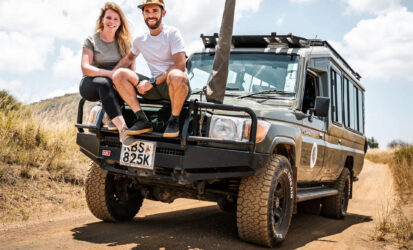
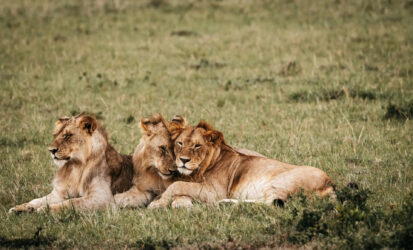
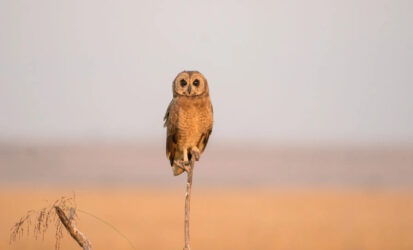
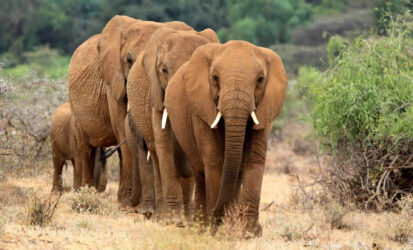
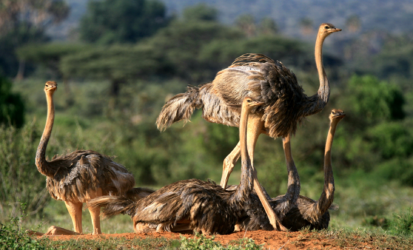
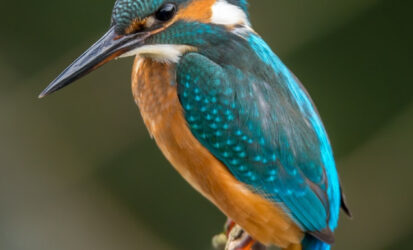


This 6-day safari visits three prime Kenyan wildlife destinations. Travel through central northern Kenya with us and experience the warmth and wildlife of East Africa
Price From


Jambo! Welcome to Kenya. Our 6-day fly-in Kenyan wildlife safari package has been tailor-made to show visitors Kenya’s diverse wildlife, as found in the distinct
Price From
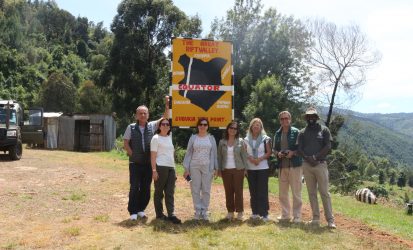


On this exciting 6-day safari you will first head north into the foothills of Mount Kenya and the celebrated Ol Pejeta Conservancy. One of the most successful privately-run conservancies in Kenya and

Price From
This 6-day safari visits three prime Kenyan wildlife destinations. Travel through central northern Kenya with us and experience the warmth and wildlife of East Africa
Price From
Jambo! Welcome to Kenya. Our 6-day fly-in Kenyan wildlife safari package has been tailor-made to show visitors Kenya’s diverse wildlife, as found in the distinct
Price From
On this exciting 6-day safari you will first head north into the foothills of Mount Kenya and the celebrated Ol Pejeta Conservancy. One of the most successful privately-run conservancies in Kenya and
Price From
If you don't want to miss useful and interesting articles, leave us your email.
Also you will be the first to know about all discounts and offers.
Click one of our representatives below to chat on WhatsApp