| Activity |
Long Dry Season Jun–Sep |
Short Wet Season Oct–Nov |
Short Dry Season Dec–Feb |
Long Wet Season Mar–May |
|---|---|---|---|---|
| Wildlife safaris, Great Migration | Excellent | Good | Excellent | Good |
| Birdwatching, fewer crowds | Good | Excellent | Good | Excellent |
| Beach holidays, Amboseli safaris | Excellent | Good | Excellent | Good |
| Budget travel, birding | Good | Excellent | Good | Excellent |

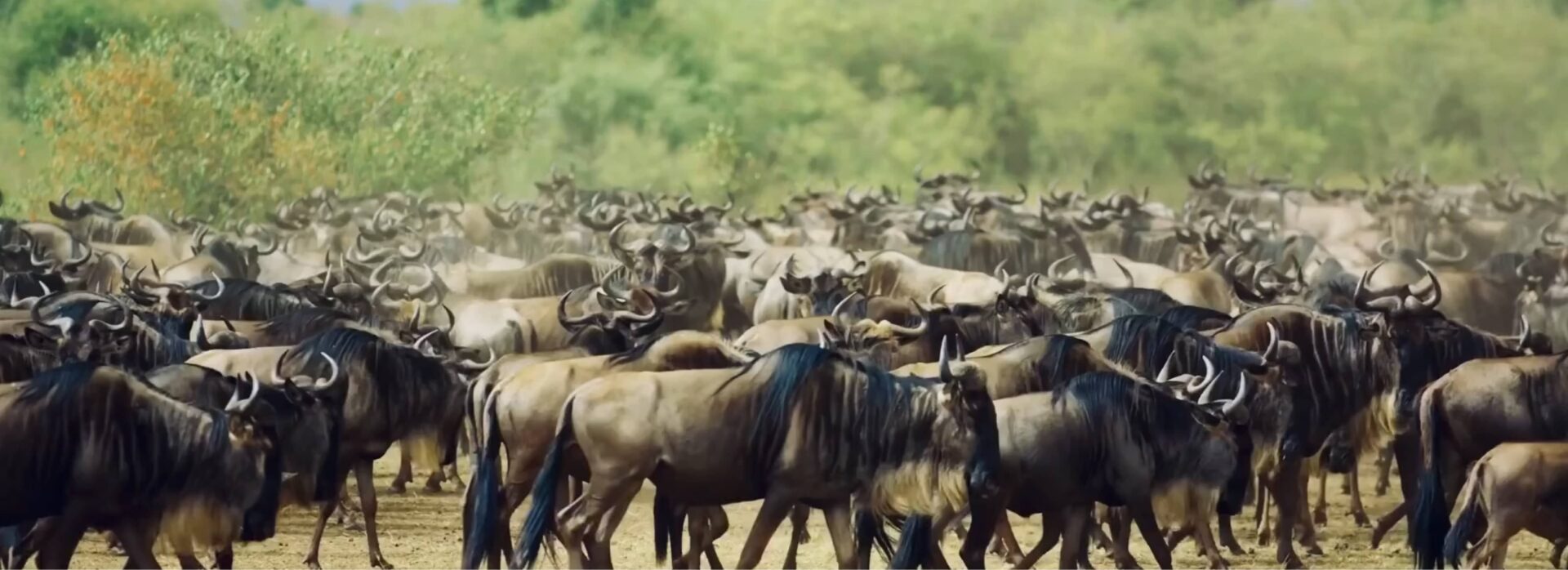
The Kenya Great Migration months fall between July and October, when over a million wildebeest and zebra pour into the Maasai Mara from Tanzania’s Serengeti. River crossings at the Mara and Talek Rivers are the highlight, moments of high drama as herds brave crocodile-filled waters under the watch of lions and hyenas.

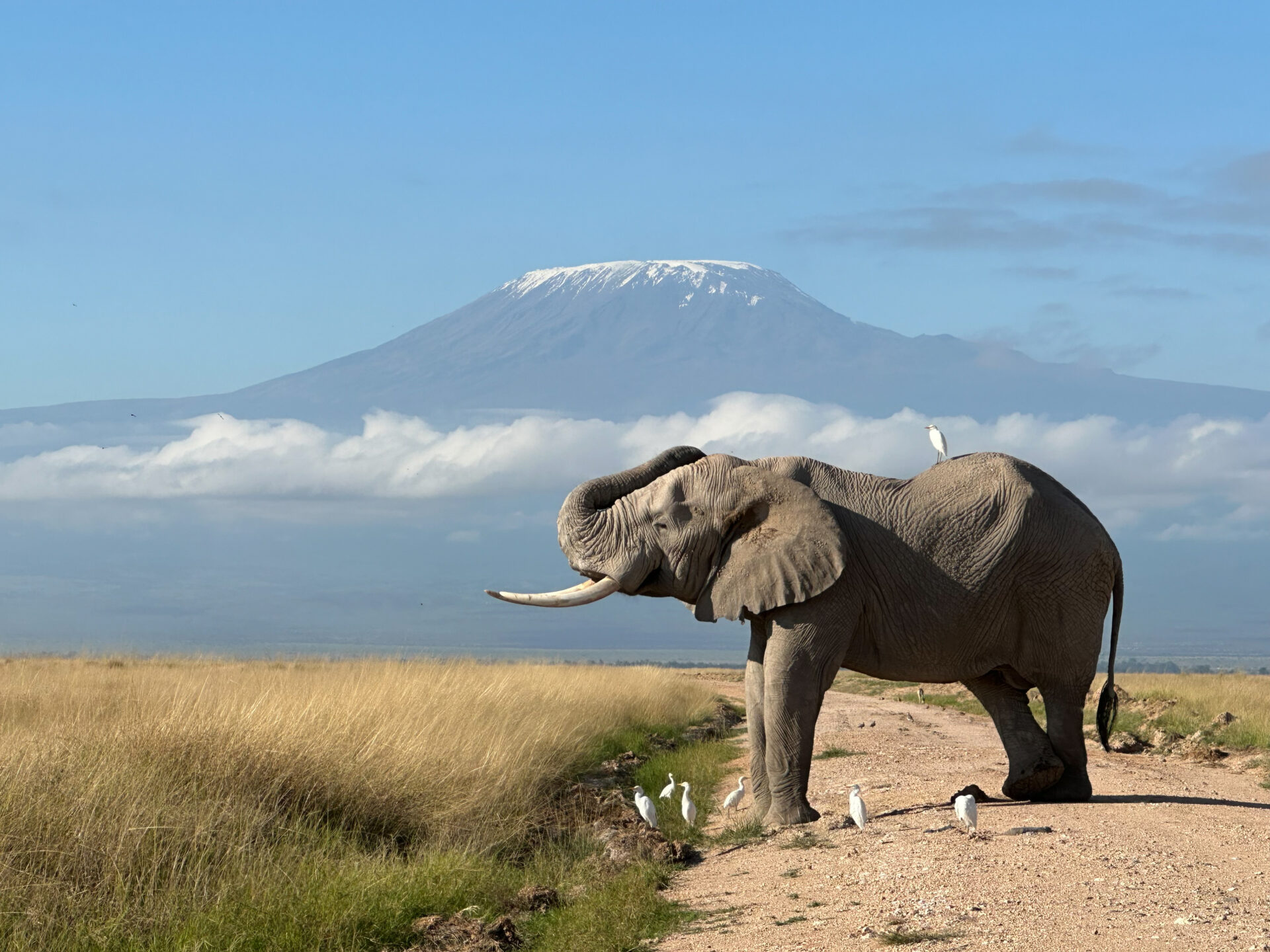
For classic Kenya safari weather and reliable Big Five sightings, the long dry season is ideal. The landscapes thin out, waterholes shrink, and wildlife congregates, perfect for photographers and first-time visitors alike. Top regions include Amboseli National Park, where elephants move beneath Kilimanjaro’s…

From November to April, Kenya transforms into a birder’s paradise. The short rains and long rains bring new life to the wetlands, and migratory species arrive from Europe and Asia. During this time, flamingos color the Rift Valley lakes pink, pelicans glide across Lake Naivasha, and Amboseli fills with egrets, rollers, and bee-eaters.

Along the Indian Ocean, the short dry season is perfect beach weather, warm, dry, and luminous. The coastal towns of Diani, Watamu, and Lamu shimmer with sun-soaked calm, their turquoise waters ideal for snorkeling, diving, and dhow sailing. Pair your coastal escape with a few nights inland for the best of both worlds.
Kenya’s climate shifts throughout the year, there are varied safari and beach experiences. Average daytime temperatures range from 20 °C to 30 °C (68 °F–86 °F), with two distinct rainy seasons and long stretches of dry, sunny weather.

January
Excellent for Big 5 game viewing in parks like Amboseli, Laikipia, and the Masai Mara. The coast is sunny and hot, perfect for beach relaxation in Diani or Watamu.
February
Conditions remain ideal across Kenya, with warm days and great wildlife sightings. It's also one of the best months for birdwatching, as migratory species are still present.

March
The month starts dry and warm but transitions into the rainy season. Travel is still possible and parks are quieter.
April
The wettest month of the year. Some lodges and camps may close temporarily, and roads can become difficult. Still, dramatic stormy skies and lush landscapes make it a photographer’s dream
May
The rain continues, but the scenery is stunning and the air is clear. Not ideal for beach holidays, but a peaceful time in the parks.

Late July
The first herds of wildebeest arrive from Tanzania, crossing the Mara River, an iconic moment of the Great Migration.
August
The Masai Mara is at its best. Expect dramatic river crossings, predator activity, and full camps, it’s imperative to book early.
September
Dry and temperate, with excellent wildlife viewing. Many camps remain full until mid-month.
October
The migration begins to return south, but the resident wildlife remains abundant. A great time to avoid crowds but still enjoy classic safari conditions.

November
Short bursts of rain refresh the land, but many parks remain open. A great time for photographers and travellers seeking solitude.
December
The landscape is lush, birding is superb, and wildlife sightings remain strong. This is also a popular time for festive season travel, book early.
Discover Kenya through expertly crafted itineraries that reveal the country’s most extraordinary contrasts. Each tour with Flash McTours is designed to go beyond sightseeing, offering authentic encounters, seamless logistics, and insider access only a trusted local operator can provide. We ensure every journey is personalised, safe, and unforgettable. With professional guides, handpicked lodges, and 24/7 on-ground support, you’re in the best hands to explore Kenya your way.
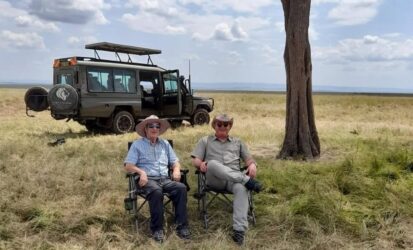


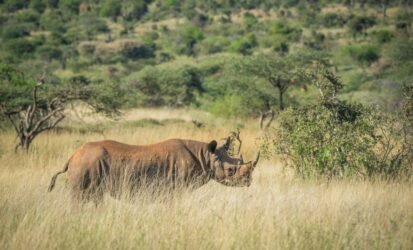
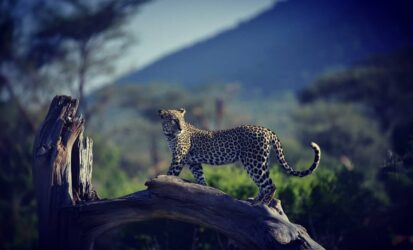
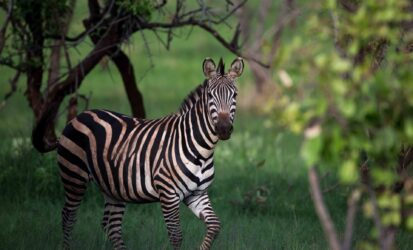
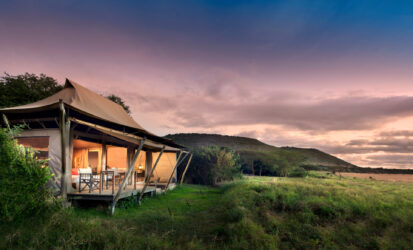
When considering where to go on your Kenyan safari, the two most likely destinations you’d think of are the Masai Mara and Amboseli. This tour offers you exactly that: plenty of time in two of the m

Price From

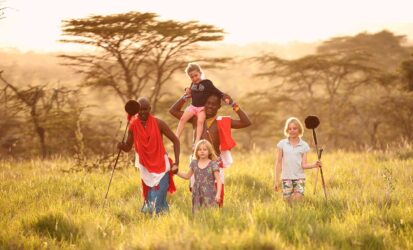

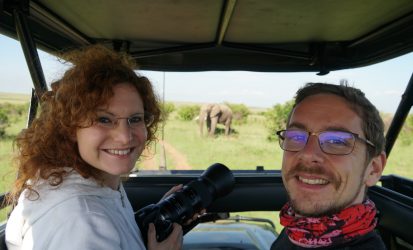

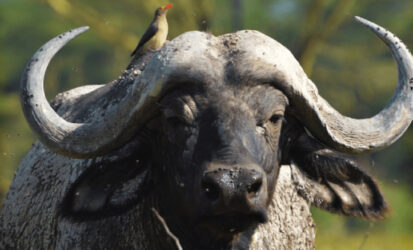
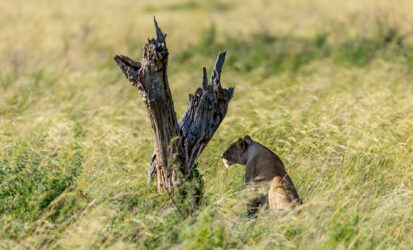
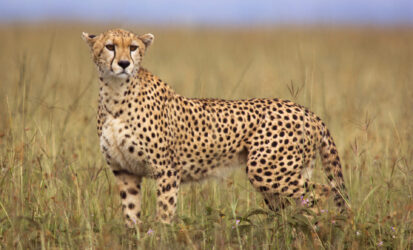

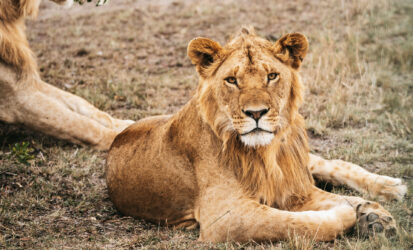
Perfect for families and groups of friends, this Kenya family safari winds its way through the great parks and past the great lakes of Kenya. All the animals of your dreams are roaming wild through th

Price From


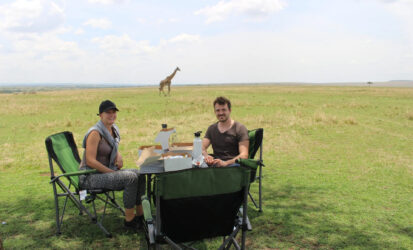


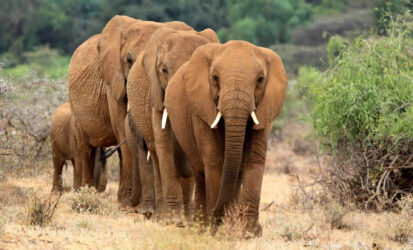


Jambo! Welcome to Kenya. Our 6-day fly-in Kenyan wildlife safari package has been tailor-made to show visitors Kenya’s diverse wildlife, as found in the distinct habitats of Samburu National Par
Price From
When considering where to go on your Kenyan safari, the two most likely destinations you’d think of are the Masai Mara and Amboseli. This tour offers you exactly that: plenty of time in two of the m
Price From
Perfect for families and groups of friends, this Kenya family safari winds its way through the great parks and past the great lakes of Kenya. All the animals of your dreams are roaming wild through th
Price From
Jambo! Welcome to Kenya. Our 6-day fly-in Kenyan wildlife safari package has been tailor-made to show visitors Kenya’s diverse wildlife, as found in the distinct habitats of Samburu National Par
Price From
The Great Migration occurs from July to October, when herds cross from Tanzania’s Serengeti into the Maasai Mara, peaking around August and September at the Mara River crossings.
Yes. The rainy months (March – May and November) bring lush scenery, dramatic light, and fewer crowds. Roads may be muddy, but photography and birding are exceptional.
Mild year-round, with cool mornings and warm afternoons. The Mara’s altitude keeps it comfortable even during Kenya’s hotter months.
The Long Rains (March -May) offer the best value, lodges reduce rates, and landscapes burst into green.
Yes. December marks the start of the short dry season along the coast, perfect for combining a safari with beach relaxation.
January – February and July – September offer dry, clear conditions ideal for trekking.
Yes. The coast is tropical, the central highlands are cooler, and the northern plains are semi-arid. Always check regional forecasts when planning.
While nature is unpredictable, Kenya’s density of wildlife ensures rewarding encounters in every season, even during the green months.
For travel during June – October, it’s best to book 8 – 12 months ahead. Lodges in the Maasai Mara fill quickly during the Kenya Great Migration months.
August and September are often considered the most balanced, clear skies, abundant wildlife, and comfortable temperatures across the country.
Do you have any other questions?
Get in touch with one of our experts for a free consultation.









Personalized service by travel experts with first-hand knowledge

Customizable tours to your preference

400+ 5-star TripAdvisor and Google reviews

Booking Security - Money - back guarantee & 24/7 support
