Discover Its Beauty and Wildlife
Beneath the dramatic escarpment of the Great Rift Valley, Lake Manyara National Park is one of Tanzania’s most atmospheric and diverse safari destinations.
Though smaller than the Serengeti, its beauty lies in contrast: dense groundwater forest gives way to open floodplains and a shimmering alkaline lake that attracts vast flocks of birds. This is a safari shaped by intimacy, variety, and surprising abundance.
Mornings begin beneath towering fig and mahogany trees as blue monkeys leap through the canopy and elephants emerge quietly from the forest. As the day unfolds, the landscape opens onto grassy plains and the lake’s reflective shoreline, where flamingos gather in soft pink hues and hippos wallow in shallow water. A Lake Manyara National Park safari feels immersive and richly layered, offering a vivid introduction to Tanzania’s northern circuit.

Lake Manyara National Park delivers a uniquely varied safari experience in a compact setting, making it an ideal complement to the Serengeti and Ngorongoro Crater.
Its blend of forest, lake, and plains creates exceptional diversity within a single game drive.

Few parks offer such a range of ecosystems in so little space. Lake Manyara moves seamlessly from lush groundwater forest to open savanna and alkaline lake, creating constant changes in scenery and wildlife encounters.
- Forest, floodplain, woodland, and lake habitats.
- Constantly shifting landscapes and light.
- High wildlife density in a compact area.
- Ideal for shorter safaris.

Lake Manyara National Park is one of the best places in Africa to spot tree-climbing lions, often seen resting in acacia branches during the heat of the day. While sightings are never guaranteed, the park remains strongly associated with this rare behavior.
- One of Africa’s most unusual lion behaviors.
- Often seen lounging in trees.
- A unique photographic opportunity.
- Adds intrigue to game drives.

Birdwatching is a major draw at Lake Manyara National Park. The alkaline lake attracts flamingos seasonally, while the surrounding habitats support more than 400 bird species.
- Flamingos, pelicans, and waterbirds.
- Raptors, hornbills, and forest species.
- Excellent year-round birdwatching.
- A paradise for bird enthusiasts.

Lake Manyara is known for its elephants, often encountered at close range as they move through forest and woodland. The shaded environment creates intimate sightings very different from open-plains safaris.
- Frequent elephant sightings.
- Close-range encounters in forest settings.
- Calm, natural behavior.
- A highlight for first-time safari travelers.

Many travelers ask where Lake Manyara National Park is located. The park sits between Arusha and the Ngorongoro Conservation Area, making it a natural first or last stop on a northern Tanzania safari.
- Easy access from Arusha.
- Seamless pairing with Serengeti and Ngorongoro.
- Excellent for breaking up longer drives.
- Ideal for shorter stays.
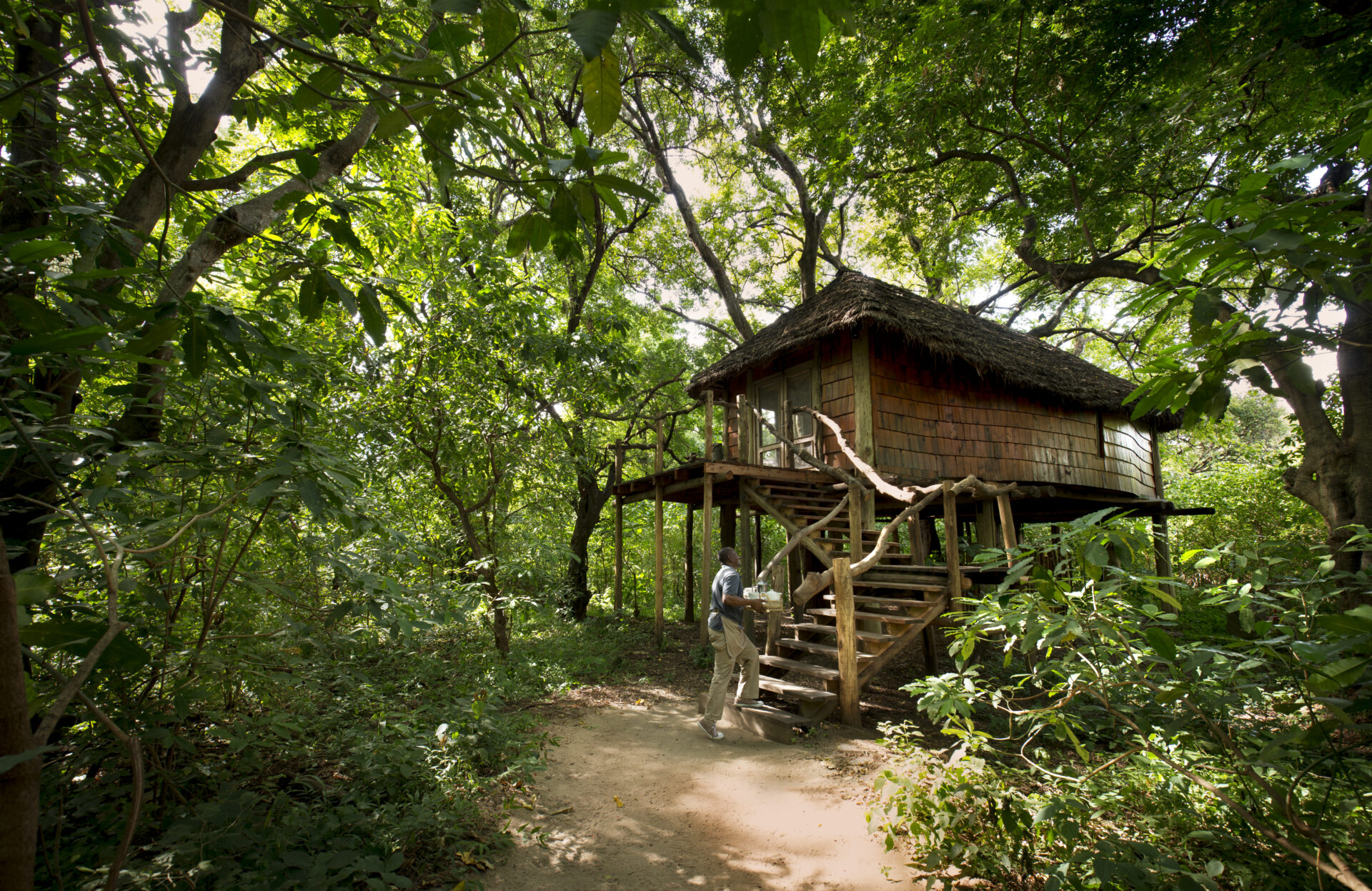
Accommodation in and around Lake Manyara National Park ranges from classic lodges on the escarpment to intimate camps near the park boundary. Many offer exceptional views across the lake and Rift Valley floor.
- Escarpment and lakeside lodge settings.
- Scenic viewpoints and sunset vistas.
- Comfortable bases for exploration.
- Suitable for mid-range to luxury travelers.

Tree-Climbing Lions
Look for lions resting in acacia trees.
Flamingo-Filled Shorelines
Witness seasonal pink hues along the lake.
Forest Game Drives
Explore shaded habitats alive with birdlife and elephants.
Rift Valley Photography
Capture dramatic escarpment backdrops and changing light.
A safari in Lake Manyara National Park, Tanzania is a refreshing contrast to the vast plains of the Serengeti. Compact yet richly diverse, it delivers forest encounters, birdlife spectacles, and moments of quiet beauty beneath the Rift Valley escarpment. Whether visited as a stand-alone destination or as part of a broader northern circuit journey, Lake Manyara adds depth, balance, and texture to any Tanzanian safari.


Choose a category to quickly find the help you need
Lake Manyara National Park is located in northern Tanzania, between Arusha and the Ngorongoro Conservation Area. The lake accounts for two-thirds of its 330 sq. km (127 sq. mi) area.
The best time to visit Lake Manyara depends on your viewing priorities. For game viewing, it is best to visit in the dry seasons – July – October and January – February. During the wet season (March – June and November – December) it is lush, green and best for birdwatching.
The park can be reached by both road and air. Traveling with FlashMc Tours from Arusha to Lake Manyara takes about 2-hours to cover 114 km (70 mi) by road. Scheduled flights depart Arusha for the park’s airstrip.
Yes, Lake Manyara National Park is a well-managed tourist attraction that is safe to visit. However, care should be taken when interacting with the wildlife. Practice standard travel safety precautions like securing your valuables and not venturing out alone after dark.
The park is home to lions, leopards, cheetahs, hyenas, African wild dogs. elephants, buffalos, giraffes, zebras, wildebeest, warthogs and numerous antelope species. The lake is a haven for birdlife and over 400 species are represented, including pelicans and flamingos.
After a long absence, African wild dogs are occasionally seen in the national park. African elephants and Manyara monkeys are another keynote species viewed at the park.
The lake dominates the landscape. On its shores you encounter papyrus swamps and marshes. Moving away from the lake one encounters open grasslands, dense woodlands of which the groundwater forests are most striking against the arid plains of the Rift Valley.
Lake Manyara activities include game drives, walking safaris, with seasonal canoeing and year-round birdwatching. Night game drives are a great way to spot rare nocturnal wildlife. Visitors can also visit traditional Maasai villages and the Maji Moto hot springs for a restorative experience.
Yes. The various safari operators, like FlashMc Tours, and lodges all have activities aimed at entertaining children and enhancing their conservation awareness.
Yes. Especially for the novice, tours led by qualified guides like those employed by FlashMc Tours and the lodges we utilize, are the best way to experience all that Lake Manyara National Park has to offer.
Yes. Bird photographers in particular will love the lake, although there is plenty of other wildlife and scenery to photograph.
Visitors can opt for full day or twice-daily game drives. Delicious meals are served at regular intervals, allowing time for other activities such as canoeing or visiting a traditional Maasai community. Dinner can be followed by an exciting night drive to spot predators on the move.
In and around Lake Manyara National Park there are a variety of accommodation options ranging from campsites to tented camps, eco-lodges and all-inclusive luxury lodges. One can choose from this selection according to your budget and preference.
The park has numerous viewpoints, picnic sites and visitor centers. Lodges and camps generally have a restaurant, comfortable public areas, a swimming pool and gift shop. High-end lodges may offer fitness centers and wellness spas.
Conservation efforts focus on preserving the environmental integrity of the fragile lake ecosystem, with a parallel emphasis on elephant conservation. Through law enforcement, habitat preservation, species monitoring and habitat restoration, the Lake Manyara National Park also aims to serve the needs of the adjacent communities and safeguard the park for future generations.
Supporting the park through sustainable tourism is one of the most effective ways of contributing to conservation at the park. Choose eco-friendly safari operators, support local community and conservation efforts and make donations for causes close to your heart. Enhance this by obeying park rules, minimizing waste and being mindful of your environmental footprint.
Yes, aside from managing the park to the benefit of local communities, the Lake Manyara National Park practices sustainability through job creation, water and soil preservation projects and community upliftment.
Yes. Near the entrance to the park, tourists can visit Mto wa mbu town; a traditional Maasai village where guests learn about the local people and their cultural history. The nearby Maji Moto hot springs are of historical and cultural importance.
Inhabited for centuries, the land around the lake is integral to local Maasai culture. The national park is a major employer in the area along with other tourism and agriculture ventures.
Yes. There is a traditional Maasai village and cultural center near the park entrance, known as Mto-wa-mbu.
With varying temperatures expected, plan to layer your outfit to adjust to temperature changes. Clothing should be neutral colored, breathable, and light. Wear a hat, sunscreen, and sunglasses. Bug spray, good walking shoes, a camera, binoculars, and a water bottle are all useful. Bring your personal medication and a small first-aid kit.
Yes, however these are included in the package price when you book your holiday with FlashMc Tours.
Visitors to Lake Manyara National Park are required to follow rules and regulations in place for their safety and to protect the wildlife. Game drive vehicles may not venture offroad, disturbing or feeding wildlife is prohibited, as is littering and excessive noise. Kindly show respect for the local people and their customs.
Lake Manyara National Park covers approximately 127 square miles (330 square kilometers), with much of the area taken up by the lake itself.
The drive from Lake Manyara to Serengeti National Park typically takes 4 to 6 hours, depending on road conditions and the route taken.
Most travelers spend 1 day or 1 night, often as part of a longer northern Tanzania itinerary.
Do you have any other questions?
Get in touch with one of our experts for a free consultation.
Tanzania offers one of Africa’s richest safari tapestries, from the lush forests of Lake Manyara to the vast plains of the Serengeti and the dramatic bowl of the Ngorongoro Crater. Each destination reveals a different rhythm of wildlife and landscape, creating journeys that feel varied, immersive, and deeply rewarding. For travelers seeking diversity, scale, and authenticity, Tanzania remains unmatched.


- Tailor-made Lake Manyara National Park tours are at the heart of what we do. From family-friendly adventures to luxury safaris, we design journeys that match your pace, interests, and dreams.
- Expert Local Guides: Our experienced trackers and safari specialists bring Kenya’s wilderness to life with knowledge, humor, and care.
- Financial Security: Book with confidence through KATO bonding and trusted partnerships across East Africa.
- 5-Star Reviews: Trusted by travelers worldwide, we’re known for turning safaris into stories worth telling.


Ensure a smooth trip by knowing e-visa requirements, packing right, and answering safari FAQs.
Plan your next adventure with us! We are available for you 24/7, wherever you are in the world. You will be the first to know about all discounts and offers if you leave your email here
Click one of our representatives below to chat on WhatsApp