Discover Its Beauty and Wildlife
| Activity |
Long Dry Season Jun–Sep |
Short Wet Season Oct–Nov |
Short Dry Season Dec–Feb |
Long Wet Season Mar–May |
|---|---|---|---|---|
| General Wildlife Viewing | Excellent | High | Excellent | Good |
| Elephant and Forest Game Viewing | Excellent | High | Excellent | Good |
| Birdwatching | High | Excellent | Excellent | Good |
| Photography | Excellent | Good | Excellent | Fair |

Lake Manyara offers rewarding wildlife viewing throughout the year, but the dry seasons (June – September and December – February) provide the clearest visibility. Shorter grass and drier conditions make it easier to spot elephants, buffalo, giraffes, and the park’s famous tree-climbing lions.

Elephants are present year-round, often encountered at close range in the park’s groundwater forest. The dry season offers the best visibility, while the short dry season combines warm temperatures with excellent forest and plains sightings.

Birdwatching in Lake Manyara National Park is at its best from November to April, when migratory species arrive and breeding activity increases. Flamingos may appear seasonally on the lake, while forest and woodland birds remain abundant throughout the year.

For classic Lake Manyara imagery (elephants beneath towering fig trees, open plains backed by the Rift Valley escarpment, and clear light), the long dry season (June – September) is ideal. From October to April, greener landscapes, dramatic skies, and softer light add depth and atmosphere to photography.
Lake Manyara National Park experiences a mild Rift Valley climate, with temperatures moderated by elevation and forest cover. Days are generally warm, with cooler mornings and evenings. Daytime temperatures typically range from 68 – 86 °F (20 – 30 °C).

January
Clear conditions and strong elephant sightings.
February
Warm, stable weather with excellent wildlife activity.

March
Fresh greenery and increased bird activity.
April
Wettest month; dramatic skies and low visitor numbers.
May
Rains ease; landscapes remain vivid and scenic.

July
Excellent wildlife visibility and cool mornings.
August
Peak conditions for game viewing and photography.
September
Dry, clear conditions with crisp Rift Valley light.

October
Dry early in the month with excellent visibility.
November
Greener scenery and vibrant birdlife.
Lake Manyara National Park enjoys warm, stable temperatures year-round, typically ranging from 65 – 86 °F (18 – 30 °C). Dry seasons offer optimal visibility and clean light, while the green season enhances color, texture, and dramatic skies beneath the Rift Valley escarpment.
General weather summary in November
Feel like
-
What to wear
-
Daylight length
-
Chance of rain
-
Amount
-
Wind speed
-
Humidity
-
Sunrise
-
Sunset
-
C°
Temperature
F°
30
20
10
0
86
68
50
32
General weather summary in December
Feel like
-
What to wear
-
Daylight length
-
Chance of rain
-
Amount
-
Wind speed
-
Humidity
-
Sunrise
-
Sunset
-
C°
Temperature
F°
30
20
10
0
86
68
50
32
General weather summary in January
Feel like
-
What to wear
-
Daylight length
-
Chance of rain
-
Amount
-
Wind speed
-
Humidity
-
Sunrise
-
Sunset
-
C°
Temperature
F°
30
20
10
0
86
68
50
32
General weather summary in February
Feel like
-
What to wear
-
Daylight length
-
Chance of rain
-
Amount
-
Wind speed
-
Humidity
-
Sunrise
-
Sunset
-
C°
Temperature
F°
30
20
10
0
86
68
50
32
General weather summary in March
Feel like
-
What to wear
-
Daylight length
-
Chance of rain
-
Amount
-
Wind speed
-
Humidity
-
Sunrise
-
Sunset
-
C°
Temperature
F°
30
20
10
0
86
68
50
32
General weather summary in April
Feel like
-
What to wear
-
Daylight length
-
Chance of rain
-
Amount
-
Wind speed
-
Humidity
-
Sunrise
-
Sunset
-
C°
Temperature
F°
30
20
10
0
86
68
50
32
General weather summary in May
Feel like
-
What to wear
-
Daylight length
-
Chance of rain
-
Amount
-
Wind speed
-
Humidity
-
Sunrise
-
Sunset
-
C°
Temperature
F°
30
20
10
0
86
68
50
32
General weather summary in June
Feel like
-
What to wear
-
Daylight length
-
Chance of rain
-
Amount
-
Wind speed
-
Humidity
-
Sunrise
-
Sunset
-
C°
Temperature
F°
30
20
10
0
86
68
50
32
General weather summary in July
Feel like
-
What to wear
-
Daylight length
-
Chance of rain
-
Amount
-
Wind speed
-
Humidity
-
Sunrise
-
Sunset
-
C°
Temperature
F°
30
20
10
0
86
68
50
32
General weather summary in August
Feel like
-
What to wear
-
Daylight length
-
Chance of rain
-
Amount
-
Wind speed
-
Humidity
-
Sunrise
-
Sunset
-
C°
Temperature
F°
30
20
10
0
86
68
50
32
General weather summary in September
Feel like
-
What to wear
-
Daylight length
-
Chance of rain
-
Amount
-
Wind speed
-
Humidity
-
Sunrise
-
Sunset
-
C°
Temperature
F°
30
20
10
0
86
68
50
32
General weather summary in October
Feel like
-
What to wear
-
Daylight length
-
Chance of rain
-
Amount
-
Wind speed
-
Humidity
-
Sunrise
-
Sunset
-
C°
Temperature
F°
30
20
10
0
86
68
50
32
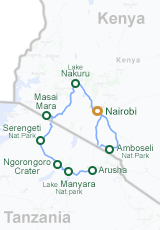
Explore Lake Manyara through expertly designed safari itineraries that highlight its forest elephants, diverse birdlife, and dramatic Rift Valley setting. Lake Manyara pairs seamlessly with Ngorongoro Crater, the Serengeti, or Tarangire, creating well-balanced northern Tanzania journeys.
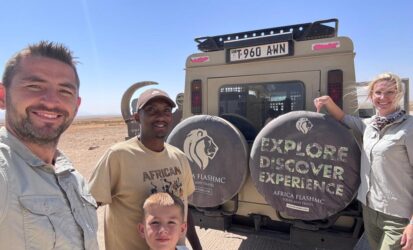

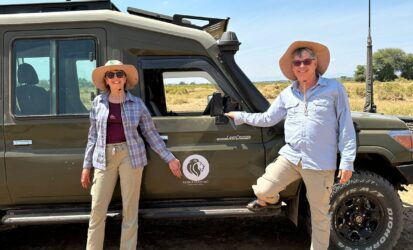


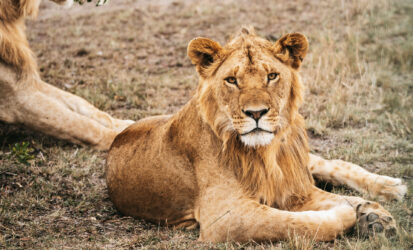
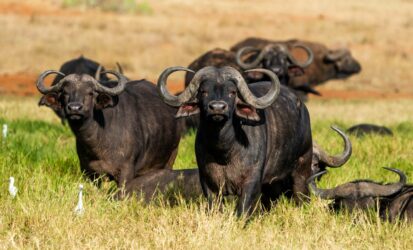
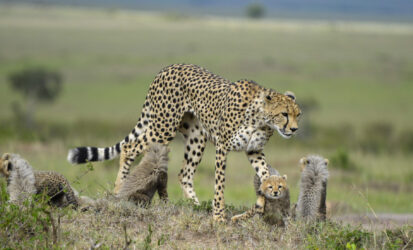

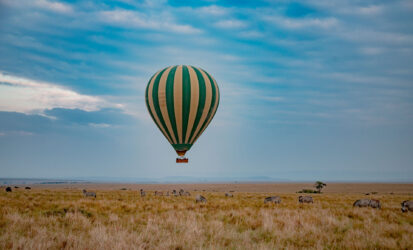
Northern Tanzania is world famous as a safari destination, and with good reason. Here, you can range through the Great African Rift Valley through the lands that are home to the big five of African sa

Price From

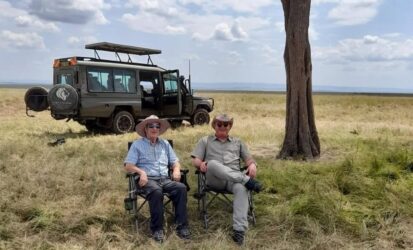

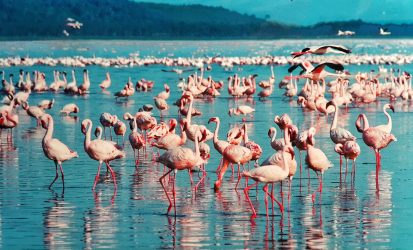


Ready yourself for a full immersion into the wilds of Eastern Africa with this tour that takes in the best of Kenyan and Tanzanian safari adventures. As you cross two of the jewels of Africa you will

Price From



The plains of Africa know no border and the animals roam across vast territories that respect no international boundaries. By taking your safari across two of the countries most famed for their wildli
Price From
Northern Tanzania is world famous as a safari destination, and with good reason. Here, you can range through the Great African Rift Valley through the lands that are home to the big five of African sa
Price From
Ready yourself for a full immersion into the wilds of Eastern Africa with this tour that takes in the best of Kenyan and Tanzanian safari adventures. As you cross two of the jewels of Africa you will
Price From
The plains of Africa know no border and the animals roam across vast territories that respect no international boundaries. By taking your safari across two of the countries most famed for their wildli
Price From
June – September and January – February offer the best wildlife visibility and weather conditions.
Yes. Wildlife remains present, landscapes are lush, and the park is quieter and scenic.
Warm days, cooler mornings and evenings, with seasonal rainfall.
March – May, during the long rains, when some lodges offer reduced rates.
Yes. Conditions are warm, wildlife is active, and birdlife is excellent.
November – April, during peak migratory and breeding seasons.
Absolutely. Resident wildlife ensures consistent sightings throughout the year.
For peak dry-season travel, booking 3 – 6 months in advance is recommended.
Do you have any other questions?
Get in touch with one of our experts for a free consultation.









Personalized service by travel experts with first-hand knowledge

Customizable tours to your preference

400+ 5-star TripAdvisor and Google reviews

Booking Security - Money - back guarantee & 24/7 support
