A Kenya safari isn’t just a holiday, it’s a front-row seat to nature’s most awe-inspiring theatre. From the heart-stopping moment a lion steps out onto the savannah to the thundering drama of the Great Migration across the Mara River, Kenya delivers on every wildlife dream. With vast landscapes, abundant game, and deep-rooted conservation efforts, it’s no wonder Kenya is known as the birthplace of safari. Whether you’re tracking elephants beneath the shadow of Kilimanjaro or sipping sundowners as giraffes wander the horizon, every day brings something extraordinary.
Planning your safari can feel overwhelming: which parks should you visit? When should you go? What does it cost? That’s where this comprehensive Kenya Safari Guide comes in. Drawing on decades of experience curating Kenya safari packages, we’ve compiled everything you need to know for a safari in Kenya. From budgeting tips and top wildlife regions to packing advice and health considerations, this guide will help you travel with confidence, curiosity, and a deep appreciation for one of the world’s most coveted safari destinations.

Kenya lies along the equator on Africa’s eastern coast, bordered by Uganda, Tanzania, and the Indian Ocean. While small in size compared to some African giants, Kenya boasts a staggering variety of landscapes, from golden savannahs and mountain forests to alkaline lakes, desert outposts, and palm-fringed beaches.
The capital, Nairobi, sits almost in the country’s geographic centre and acts as the safari gateway. International visitors land at Jomo Kenyatta International Airport, with Wilson Airport nearby offering light aircraft connections to the most popular safari destinations.
Kenya’s major safari regions are laid out like compass points around Nairobi:
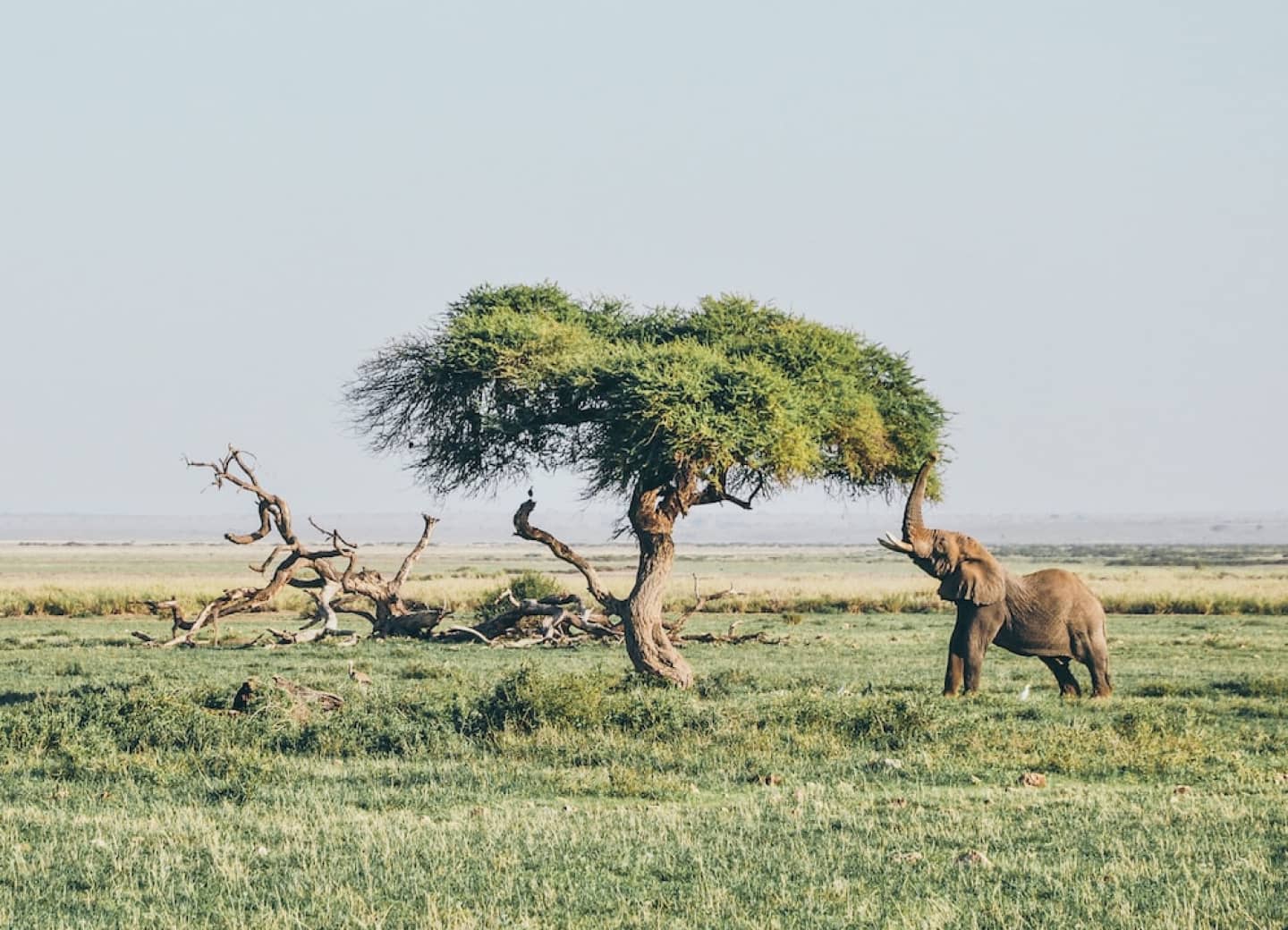
Kenya’s landscapes define the rhythm of your safari. Picture the wide, open plains of the Masai Mara dotted with flat-topped acacias; dusty elephant herds against Kilimanjaro’s snowy flanks in Amboseli; and Samburu’s rugged, volcanic hills where rare species roam in arid isolation. Every ecosystem offers something different, which is what makes Kenya endlessly compelling.

Kenya is well-equipped for tourism, and getting around is relatively easy with the right planning.
Our Expert Tip: Always allow 2 – 3 hours between your international and domestic flights in Nairobi, traffic congestion and security checks can cause delays.

Kenya is as varied in cost as it is in landscape, and pricing a safari isn’t always straightforward. Your travel dates, choice of accommodation, length of stay, and even your mode of transport all influence the final amount. Flying between destinations can save time but adds to the budget, while road transfers are more economical but often slower. Then there are optional extras to consider, like hot-air balloon safaris over the Masai Mara, private guiding, or indulgent spa treatments at luxury lodges, each at an added cost.
We tailor every safari to your comfort level and priorities, whether that’s spending a little more on a prime migration-viewing camp or stretching your stay by opting for a classic tented camp. For some, the dream may be all-out luxury with private air transfers and top-tier lodges; for others, it’s about spending more time in nature with just the essentials. Whatever your preferences, we’ll help you strike the right balance between value and experience.
Here’s a general guideline for per-person-per-night (PPPN) rates including accommodation, meals, game drives, and transfers:

Kenya is a land of contrasts, where every traveler can find their perfect rhythm, whether it’s the understated elegance of barefoot luxury or the raw allure of rustic charm. Here, Kenya safari lodges and tented camps are thoughtfully designed to disappear into the landscape, often unfenced so wildlife can roam freely around you. It’s not just a place to stay, but a way to feel deeply connected to the wild, and there is an extensive range to choose from. These are just a few of our top picks:

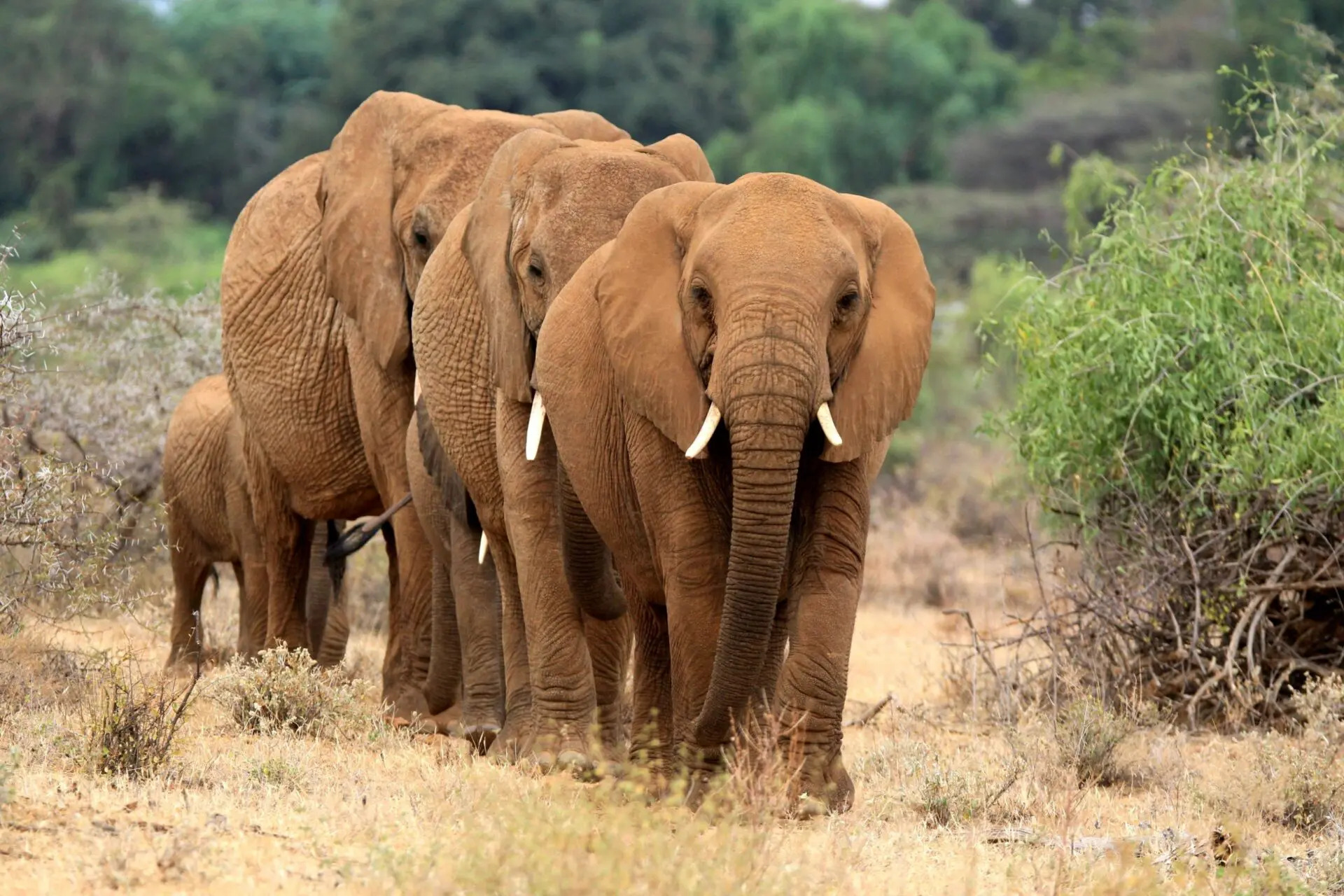
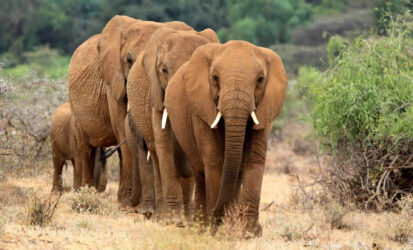
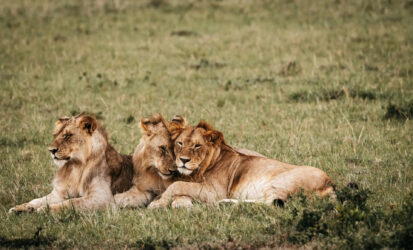
Imagine golden-maned lions dozing under acacia trees, mighty elephant herds cooling off in swampy marshes, and cheetahs launching into lightning-fast chases on the open plains. This is the land where wildlife documentaries come to life. While Kenya is home to the legendary Big 5 (lion, leopard, elephant, buffalo, and rhino) spotting all five on a single trip is a rare feat.
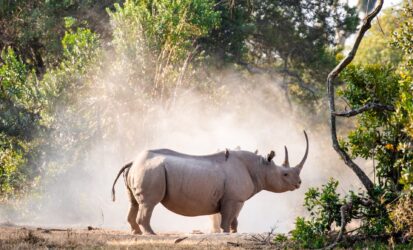
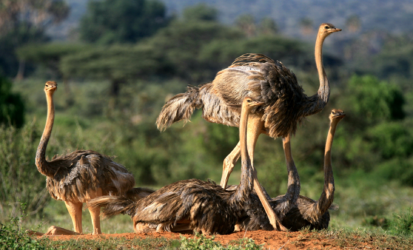
Rhinos, in particular, are best seen in protected conservancies like Lewa and Ol Pejeta, where anti-poaching efforts have created strongholds for both black and white rhinos. Lions, elephants, and buffalo are widespread across national parks and reserves, while leopards, elusive and shy, often require the expertise of a seasoned guide and a little luck. But the magic of a Kenya safari goes far beyond the Big 5. The country is a haven for diverse and often overlooked species:
Whether it’s your first safari or your fifth, Kenya’s wildlife has a way of surprising and stirring something deep within.

Kenya is a fantastic year-round safari destination, but the experience you’ll have can shift dramatically with the seasons. From verdant landscapes bursting with new life to golden plains teeming with migrating herds, each time of year offers its own unique charm.
The Green Season (November to March) is marked by calving in many species and a lush, photogenic landscape, perfect for birdwatchers and photographers. The Long Rains (April to May) bring fewer crowds and lower rates, though some parks may be harder to access due to muddy conditions. Peak Season (June to October) is ideal for classic safaris, with dry weather, easier wildlife viewing, and the drama of the Great Migration, though rates are higher during this popular window. Finally, the Short Rains (November to December) are typically light and bring vibrant skies, refreshed landscapes, and a quieter atmosphere in the parks.
If witnessing the Great Migration is on your wishlist, timing is everything. The herds generally arrive in Kenya’s Masai Mara from late July to early August, drawn northward from Tanzania’s Serengeti in search of greener pastures. The spectacle reaches its height in August, when thousands of wildebeest brave the crocodile-infested Mara River in breathtaking crossings. By October or early November, the herds begin their return journey south.

Kenya is one of Africa’s most adaptable safari destinations, catering to a wide variety of travelers, from family-friendly adventures and romantic getaways to off-the-beaten-path expeditions and conservation-focused journeys. Whether you’re a first-time visitor hoping to tick off the Big 5 or a seasoned traveler seeking a deeper connection with nature, Kenya has something to match every style and interest:

Kenya is generally a safe and rewarding destination for travelers, provided you follow basic precautions and remain aware of your surroundings. With world-class safari infrastructure and experienced guides, most kenya safaris are well-managed and professionally run. However, as with any travel to remote or wild regions, preparation is key to staying healthy and secure throughout your journey.
With the right precautions, Kenya is an incredibly rewarding place to visit, one where health and safety go hand in hand with extraordinary experiences.

Packing for a safari in Kenya is all about comfort, practicality, and being prepared for a wide range of conditions. Early mornings can be crisp, especially on game drives, while afternoons often become hot and dusty. Layering is key, as is choosing clothing that blends into the natural surroundings. You don’t need to bring an entire wardrobe, most safari lodges offer same-day laundry services, allowing you to pack light and rotate a few key outfits.
Additional items to consider include: insect repellent, high-SPF sunscreen, lip balm, a torch or headlamp, personal medication, and a power bank or universal adaptor for charging devices. With the right gear and a few versatile layers, you’ll be well-prepared for the ever-changing moods of the African wilderness.

Kenya’s central location and well-connected airports make it an ideal base for a multi-country African adventure. Whether you want to track gorillas in ancient rainforests, marvel at one of the world’s greatest natural wonders, or unwind on a palm-fringed beach, Kenya pairs effortlessly with a variety of iconic destinations.
Just across the border, Tanzania is Kenya’s most natural safari companion. The Serengeti and Kenya’s Masai Mara share the same ecosystem, making a cross-border Great Migration itinerary seamless and spectacular. Add in the Ngorongoro Crater’s rich wildlife and stunning landscapes, or unwind on the spice-scented beaches of Zanzibar, just a short flight away. This pairing offers the best of East Africa: dramatic game viewing and idyllic coastal bliss.
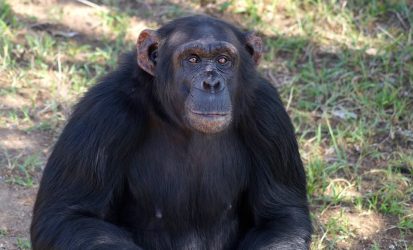
For a truly life-changing experience, pair your Kenya safari with gorilla trekking in Uganda’s Bwindi Impenetrable Forest. Walking through misty jungle to spend time with endangered mountain gorillas is one of Africa’s most profound wildlife encounters. Uganda also offers chimpanzee trekking, lush scenery, and rich cultural experiences, making it a perfect complement to Kenya’s open savannahs.
After the dust and drama of the bush, nothing beats ending your journey with a tropical island escape. The turquoise waters and soft white sands of the Seychelles or Mauritius are just a short flight from Nairobi. These Indian Ocean islands are ideal for honeymoons, family relaxation, or simply recharging after early morning game drives, giving you barefoot luxury in paradise.

Travelling responsibly in Kenya means treading lightly, respecting wildlife, and contributing positively to local communities and conservation efforts. Many of Kenya’s top camps and lodges are committed to sustainability, employing local staff, supporting schools and healthcare projects, and actively protecting endangered species like rhinos and African wild dogs.
You can make a difference by choosing community-owned conservancies, saying no to single-use plastics, and learning about local cultures with humility and curiosity. A safari in Kenya is an opportunity to be part of something bigger: preserving one of the world’s most remarkable ecosystems for generations to come.

Here are a few sample itineraries to ignite your wanderlust, each one crafted to showcase the best of Kenya and its surrounding gems. These are not rigid packages, but starting points that can be fully tailored to your travel style, interests, and pace. Whether you want to add more time on safari, include cultural encounters, or extend your journey to a nearby island or gorilla trek, we will design a personalised itinerary just for you:
Whether it’s your first safari or your fifth, a safari in Kenya never fails to inspire. Its wildlife spectacles, sweeping vistas, warm hospitality, and vibrant cultures make it one of Africa’s most enriching and accessible destinations. Let’s plan your Kenya safari of a lifetime.






Jambo! Welcome to Kenya. Our 6-day fly-in Kenyan wildlife safari package has been tailor-made to show visitors Kenya’s diverse wildlife, as found in the distinct habitats of Samburu National Par
Price From


This 6-day safari visits three prime Kenyan wildlife destinations. Travel through central northern Kenya with us and experience the warmth and wildlife of East Africa. The Ol Pejeta Conservancy is
Price From


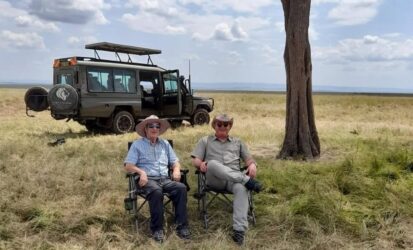


This ten day safari gives nature lovers an extended and diverse view of Kenya; its wildlife, its wonderful landscapes and its warm-hearted people. Given the country’s natural heritage, it’s only
Price From
Jambo! Welcome to Kenya. Our 6-day fly-in Kenyan wildlife safari package has been tailor-made to show visitors Kenya’s diverse wildlife, as found in the distinct habitats of Samburu National Par
Price From
This 6-day safari visits three prime Kenyan wildlife destinations. Travel through central northern Kenya with us and experience the warmth and wildlife of East Africa. The Ol Pejeta Conservancy is
Price From
This ten day safari gives nature lovers an extended and diverse view of Kenya; its wildlife, its wonderful landscapes and its warm-hearted people. Given the country’s natural heritage, it’s only
Price From
If you don't want to miss useful and interesting articles, leave us your email.
Also you will be the first to know about all discounts and offers.









Personalized service by travel experts with first-hand knowledge

Customizable tours to your preference

400+ 5-star TripAdvisor and Google reviews

Booking Security - Money - back guarantee & 24/7 support