A safari in Tanzania is an experience in some of the wildest, most storied landscapes on Earth. From the golden expanse of the Serengeti to the ancient, mist-draped walls of the Ngorongoro Crater, this is a place where nature writes its own epic. One moment, you’re watching thousands of wildebeest thunder across the plains; the next, you’re sharing a silent gaze with an elephant as the sun melts into the horizon. Every game drive, every sunrise, every footprint in the dust brings you closer to the raw, unfiltered rhythm of the wild.
But with so much to see and so many ways to explore, knowing where to start can be daunting. That’s why we’ve created this comprehensive Tanzania Safari Guide, to help you navigate the possibilities. Inside, you’ll find expert insights on the best times to go, where to stay, what it might cost, and how to travel responsibly. Whether you’re chasing the Great Migration or seeking remote, off-the-beaten-track adventure, we’re here to help you plan a safari that’s uniquely yours.

Tanzania is located in East Africa, just south of the equator. It shares borders with Kenya to the north, Rwanda and Uganda to the northwest, Mozambique and Malawi to the south, and the Indian Ocean to the east. Its vastness and diversity makes it one of Africa’s most captivating safari destinations.
From the endless horizons of the Serengeti to the baobab-dotted plains of Tarangire and the lakes of the Rift Valley, Tanzania is a land of varied beauty. The Ngorongoro Crater plunges deep into the earth like a natural amphitheatre for wildlife, while snow-capped Mount Kilimanjaro, Africa’s highest peak, watches over it all.
Key safari regions radiate out from the northern hub of Arusha:

Getting around Tanzania depends on the region you’re exploring and your comfort with adventure.
Our Expert Tip: Domestic flight luggage is often restricted to 15kg in soft-sided bags, pack light and leave room for handcrafted souvenirs.

Tanzania safaris offer a range of options from classic tented camps to indulgent luxury lodges. Prices vary based on location, season, and whether you’re flying or driving between parks.
Fly-in safaris are more convenient but raise costs, while road safaris are budget-friendly and scenic. Entrance fees for national parks and conservancies can also add up, especially in high-demand areas like the Serengeti. We tailor each trip to your preferences, whether you want maximum time in the bush, high-end hideaways, or a balance of comfort and adventure.
Here’s a general guideline for per-person-per-night (PPPN) rates including accommodation, meals, game drives, and transfers:

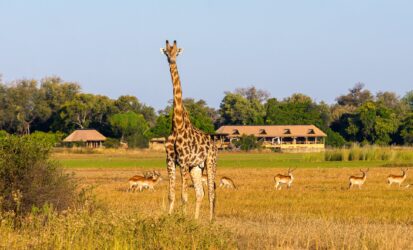
Tanzania has a soul-stirring range of places to stay, from lantern-lit tented camps where you fall asleep to the calls of hyenas, to elegant safari lodges where infinity pools overlook the endless plains. You can wake in a canvas suite deep in the wilderness, your morning coffee shared with giraffes on the horizon, or retreat to a handcrafted villa perched on a crater rim with mist rolling below.
Many camps are unfenced, allowing wildlife to move freely around you, a gentle reminder that here, you are a guest in their world. Whether you seek rustic charm, barefoot romance, or all-out luxury, Tanzania’s accommodation draws you into the landscape. Here are a few standout camps and lodges by region:

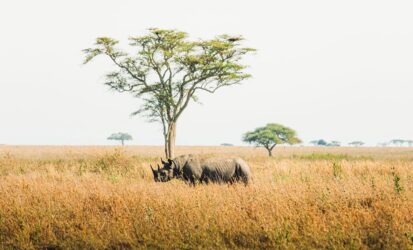
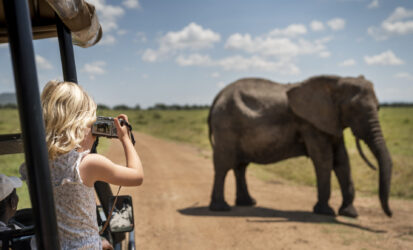
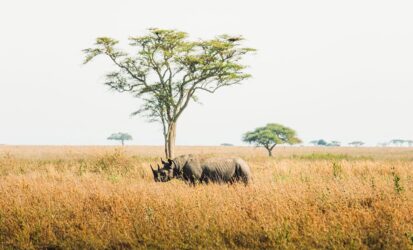
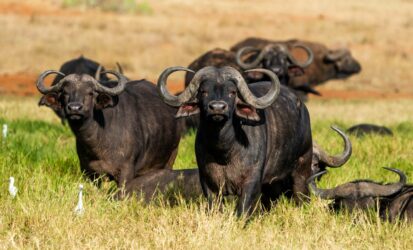
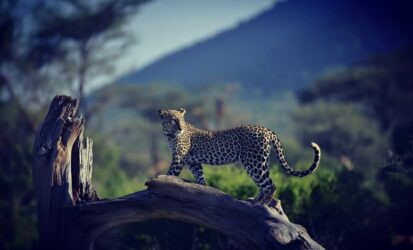
Tanzania is a wildlife wonderland, vast, untamed, and home to some of the most awe-inspiring animal encounters on Earth. The country’s ecosystems support an extraordinary diversity of species, making it one of the richest safari destinations in Africa. The Big 5 (lion, leopard, elephant, buffalo, and rhino) can all be found here, though sightings of rhinos are rare and mostly limited to the Ngorongoro Crater and carefully protected pockets of the Serengeti.
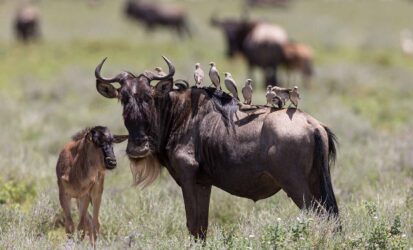
But Tanzania’s true magic lies in its scale and spectacle, nowhere is this more evident than during the Great Wildebeest Migration, when nearly two million wildebeest, zebra, and gazelle thunder across the plains in search of fresh grazing. From heart-stopping river crossings to the vulnerable beauty of calving season, this is nature’s most dramatic performance, unfolding across the Serengeti–Mara ecosystem. And yet, the migration is only part of the story. Tanzania teems with wildlife in every corner, offering intimate moments and rare sightings far beyond the Big 5:
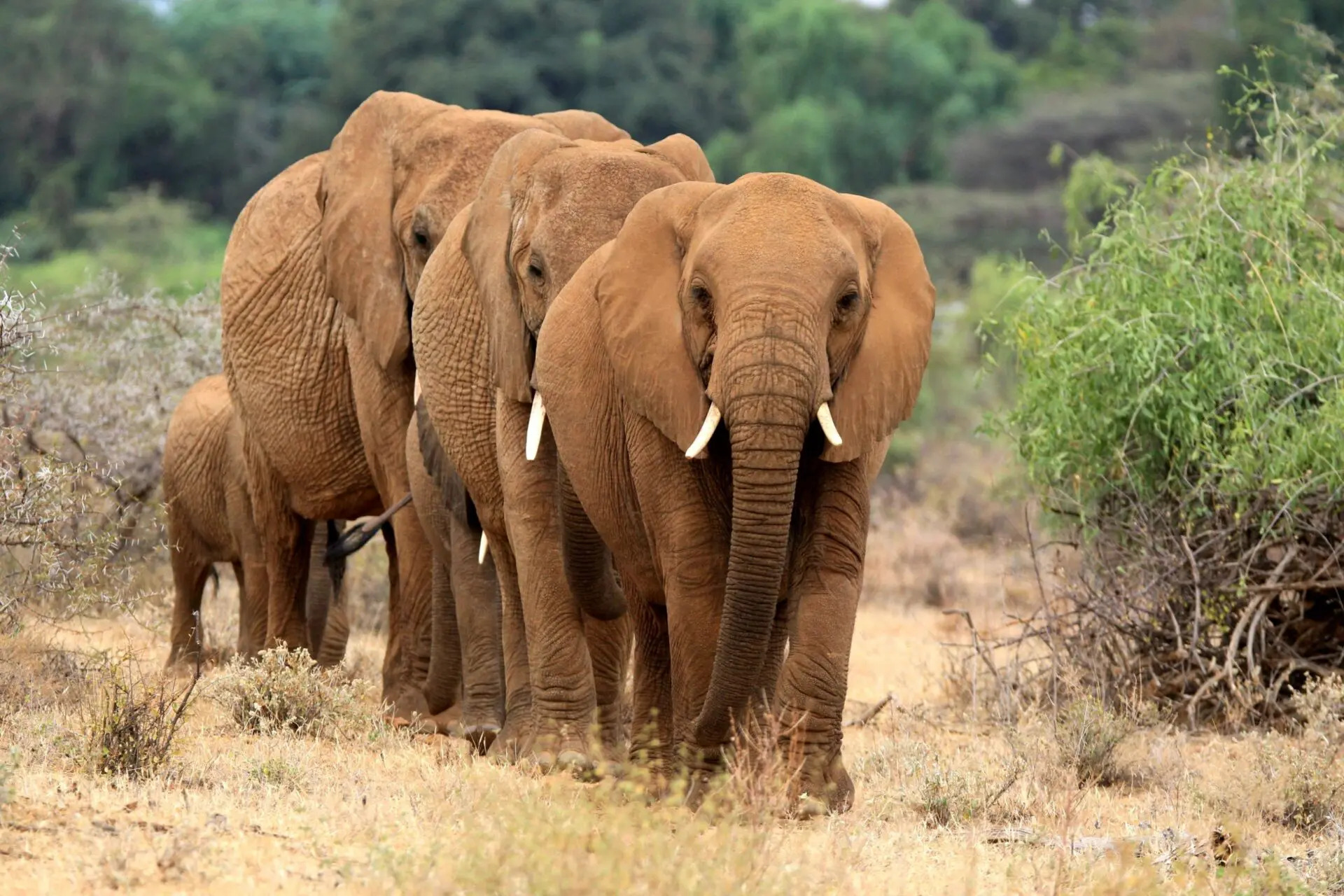
Whether you’re drawn to the raw power of predator hunts, the quiet elegance of elephants at dusk, or the stillness of a lilac-breasted roller perched in morning light, Tanzania delivers safari moments that move you. Here, the extraordinary is not the exception, it’s the rhythm of daily life.

The timing of your trip will shape your experience in profound ways. The country’s vast landscapes transform with the seasons, influencing everything from wildlife movements to scenery, rates, and accessibility. Understanding the rhythm of Tanzania’s safari calendar is essential to planning a journey that matches your interests, whether you’re chasing the Great Migration, seeking solitude, or looking to combine safari with photography, birdwatching, or cultural encounters.
Green Season (November–March):
This is the calving season in the Southern Serengeti, especially around the Ndutu region, where thousands of wildebeest give birth on the nutrient-rich plains. It’s a time of dramatic predator-prey interaction, as big cats follow the herds closely. The landscape is lush and vibrant, skies are beautifully moody, and birding is exceptional thanks to the arrival of migratory species. This is also a great season for photographers, with fewer vehicles and breathtaking backdrops.
Long Rains (April–May):
These are the wettest months, bringing heavy, sustained rainfall to many parts of the country. While some remote camps and roads become inaccessible, this is the quietest time to visit. Travelers willing to embrace the rain are rewarded with excellent lodge rates, peaceful landscapes, and incredible light for photography. Game viewing can be trickier, but the lack of crowds means more personal, unhurried experiences.
Dry Peak Season (June–October):
This is the most popular time to visit Tanzania, particularly for first-time safari-goers. Wildlife viewing is at its best as animals gather around dwindling water sources, and the bush thins out, making game easier to spot. The Great Migration is in full swing, with dramatic river crossings in the Serengeti’s western and northern corridors. Days are sunny, skies are clear, and temperatures are comfortable, ideal conditions for classic game drives and walking safaris.
Short Rains (November–December):
Light, patchy rains begin to fall, revitalising the landscape without disrupting safari activities. These brief showers clear the dust, bring new life to the plains, and attract migratory birds. With fewer travellers and fresh scenery, this is an excellent time for a quieter, more atmospheric safari before the festive season crowds arrive.
The Great Wildebeest Migration is a fluid, circular movement dictated by rainfall and grass growth. While patterns can shift slightly year to year, the general timing is as follows:
January–March:
Calving season in the Southern Serengeti (Ndutu). Thousands of newborn wildebeest appear almost overnight, attracting predators and offering thrilling wildlife action.
April–May:
The herds begin moving northward through the central Serengeti, heading for fresher grazing as the southern plains dry out.
June–July:
The migration enters the Western Corridor, where wildebeest face the first of many challenges, Grumeti River crossings, often less crowded than those in the north but just as exciting.
August–October:
This is the peak migration period in the Northern Serengeti, especially around the Mara River, where dramatic river crossings take place. Crocodiles lie in wait, and the stakes are high, it’s one of Africa’s most iconic wildlife spectacles.
November–December:
The herds begin their long journey back south to the Ndutu plains, following the early rains that spark new grass growth and set the stage for the next calving season.

Tanzania caters to every type of traveller, from first-timers to seasoned safari-goers, adventure seekers, birders, and honeymooners. Each region offers a different flavour of experience:

Tanzania is widely regarded as a safe and welcoming safari destination, and with a few basic precautions, you can enjoy a worry-free journey through its breathtaking landscapes. The country has a well-established tourism infrastructure, professional safari operators, and experienced guides.
Most incidents are easily avoidable by following local advice, using common sense, and staying informed about health and safety protocols. Whether you’re travelling solo, with family, or as part of a group, planning ahead will ensure that your safari is not only unforgettable but also safe and seamless from start to finish.

Packing for a safari in Tanzania is all about function, comfort, and adaptability. The weather can vary dramatically from chilly early mornings to hot, sun-drenched afternoons, especially if you’re moving between high-altitude regions like the Ngorongoro Crater and the lower, warmer plains of the Serengeti or Tarangire. Dust is part of the experience, game drives often take place on unpaved roads, so breathable, easy-to-clean clothing is key. Fortunately, most safari lodges and camps offer daily or next-day laundry services, meaning you can pack light and simply rotate a few core outfits throughout your journey.
When in doubt, pack for practicality, not style, but that doesn’t mean sacrificing comfort. With just a few versatile, well-chosen pieces, you’ll be prepared for early morning safaris, golden-hour sundowners, and every unforgettable moment in between.

Tanzania pairs beautifully with neighbouring countries and idyllic islands for a complete East African journey.
Combine Kenya’s Masai Mara with the Serengeti for a transboundary Great Migration experience. Easy flight access makes this a classic safari combo.
After your Tanzanian safari, add gorilla trekking in Uganda’s Bwindi or Rwanda’s Volcanoes National Park for a rare and emotional wildlife encounter.
Post-safari paradise awaits on the Indian Ocean’s spice islands. Whether diving in Mafia, exploring Stone Town in Zanzibar, or just relaxing on powdery beaches, it’s the perfect finale.

Travelling responsibly in Tanzania means more than just enjoying its iconic wildlife and landscapes, it’s about helping to safeguard them for future generations. Tanzania’s national parks and reserves are some of the most biologically rich in the world, but they depend heavily on sustainable tourism to fund conservation work, protect endangered species, and support local communities. Responsible tourism in Tanzania isn’t a trend, it’s a powerful, tangible way to preserve wild places and uplift the people who live closest to them.

Here are a few sample itineraries that can be tailored to your style, pace, and interests:
Tanzania is a destination that stays with you, wild, beautiful, and deeply moving. Whether you dream of the Great Migration, quiet moments by a crater rim, or the gentle splash of waves in Zanzibar, there’s a journey here waiting just for you. Let’s design your safari.





On this exciting 6-day safari, you visit the best national parks in Tanzania’s ‘Northern Circuit’ and overnight at some beautifully-located safari lodges and tented camps. It’s an excellent op

Price From



This thrilling 9-day safari of Tanzania’s ‘Northern Circuit’ can be undertaken at any time of year, as the amazing parks are world-renowned for being home to a large abundance of the Big Five an

Price From


Jambo! Welcome to Tanzania. Our 4-day Serengeti and Ngorongoro Fly-In Safari from Zanzibar. This tour is perfect for those who would like to add an exciting safari to their beach holiday. Th
Price From
On this exciting 6-day safari, you visit the best national parks in Tanzania’s ‘Northern Circuit’ and overnight at some beautifully-located safari lodges and tented camps. It’s an excellent op
Price From
This thrilling 9-day safari of Tanzania’s ‘Northern Circuit’ can be undertaken at any time of year, as the amazing parks are world-renowned for being home to a large abundance of the Big Five an
Price From
Jambo! Welcome to Tanzania. Our 4-day Serengeti and Ngorongoro Fly-In Safari from Zanzibar. This tour is perfect for those who would like to add an exciting safari to their beach holiday. Th
Price From
If you don't want to miss useful and interesting articles, leave us your email.
Also you will be the first to know about all discounts and offers.









Personalized service by travel experts with first-hand knowledge

Customizable tours to your preference

400+ 5-star TripAdvisor and Google reviews

Booking Security - Money - back guarantee & 24/7 support