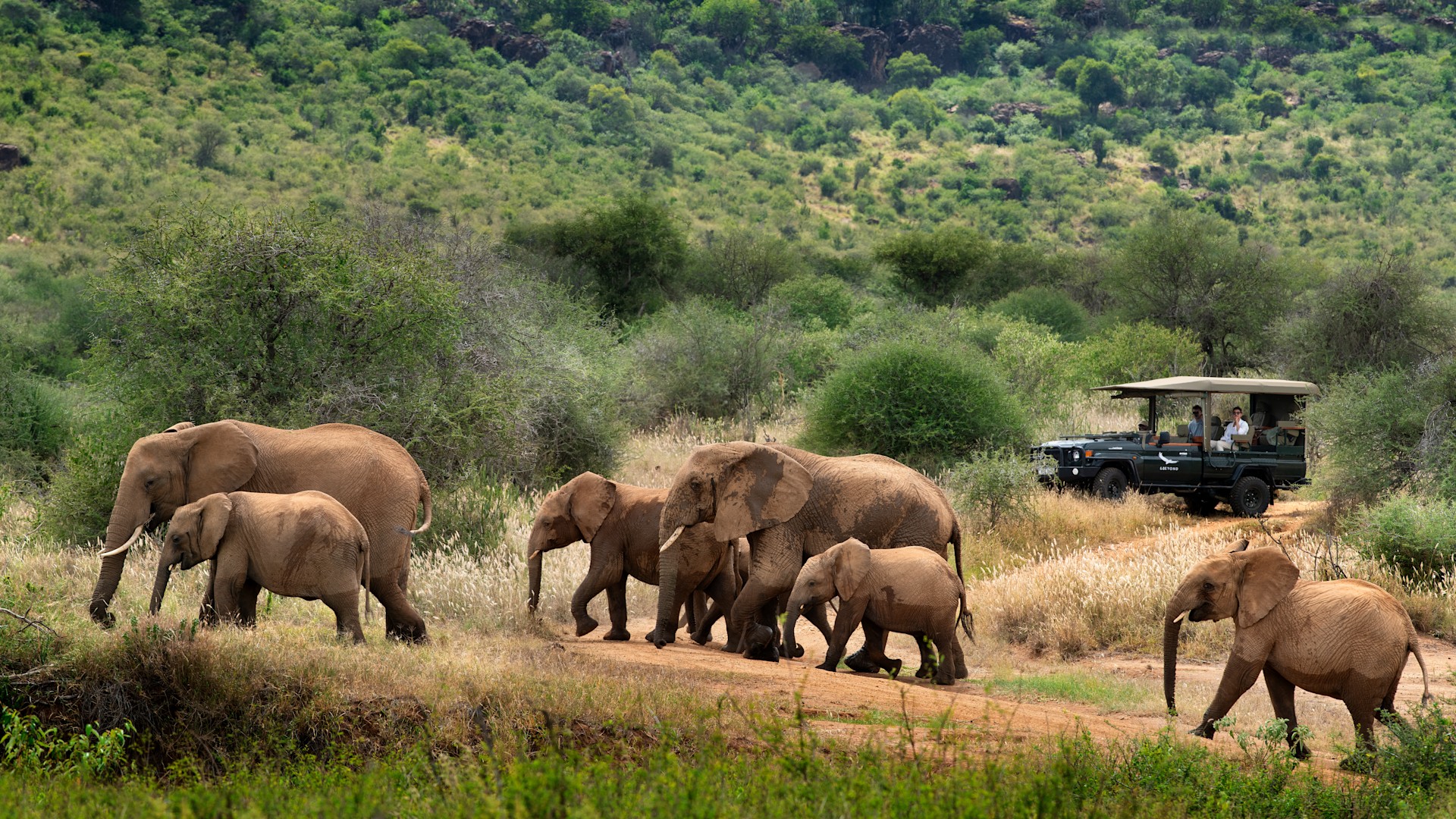
February in East Africa is defined by nuance rather than spectacle.
The intensity of peak migration regions gives way to something more considered: lush landscapes, strong resident wildlife, and experiences that feel quieter. For those researching the best safari destinations in February, this is a month where the right destinations matter more than the obvious ones.
While some areas disperse, others quietly come into their own, bringing exceptional birdlife, reliable sightings, and a more exclusive safari ambience. February excites those who look beyond the expected.
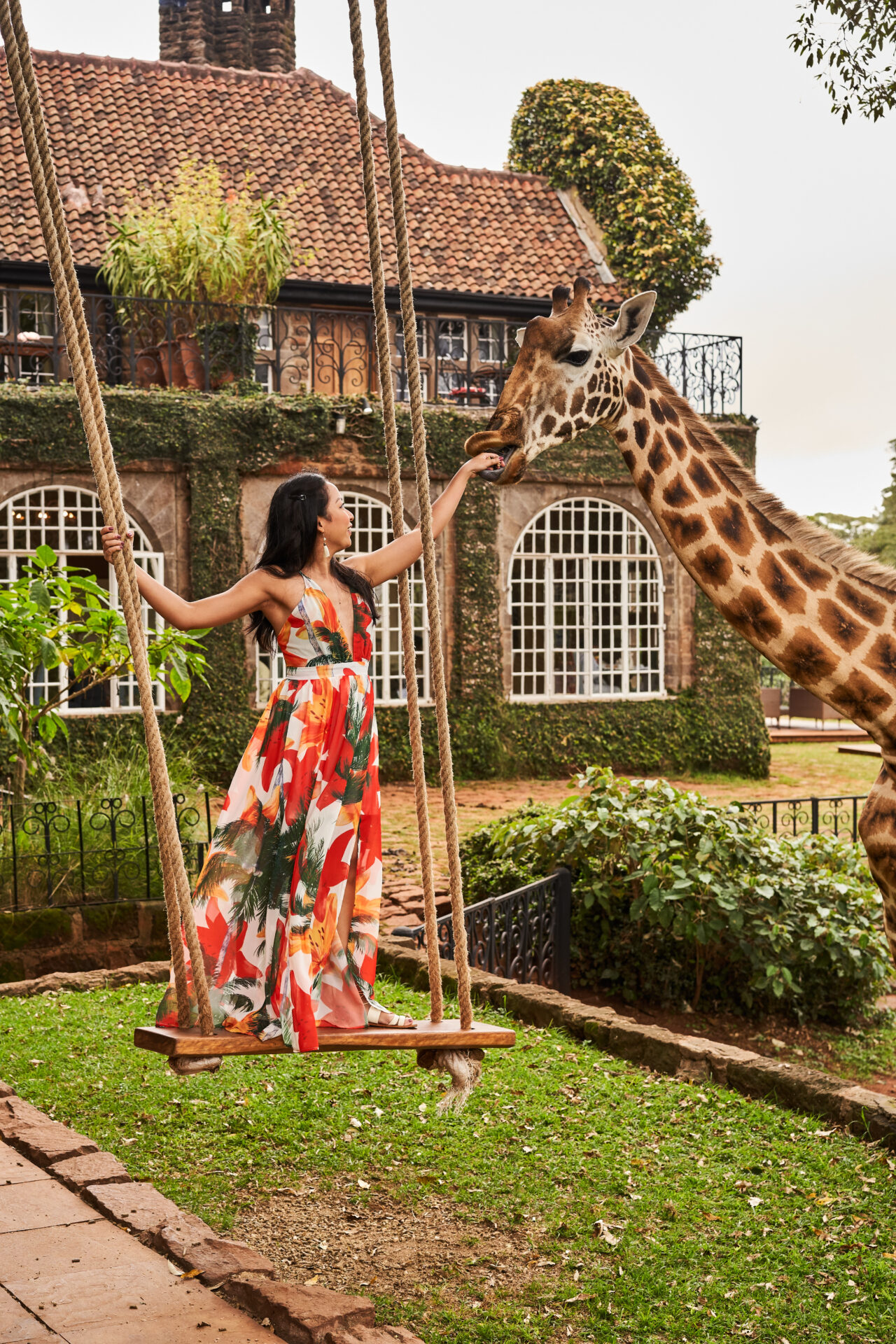
February sits within East Africa’s short dry season, where landscapes remain green, but rainfall is minimal. The result is a balance that feels visually rich yet logistically seamless, game drives are uninterrupted, roads are accessible, and wildlife remains active across a range of environments.
Fewer travelers, softer light, and less pressured wildlife sightings create a safari experience that feels more personal. It’s a time when the focus shifts from chasing moments to fully experiencing them.
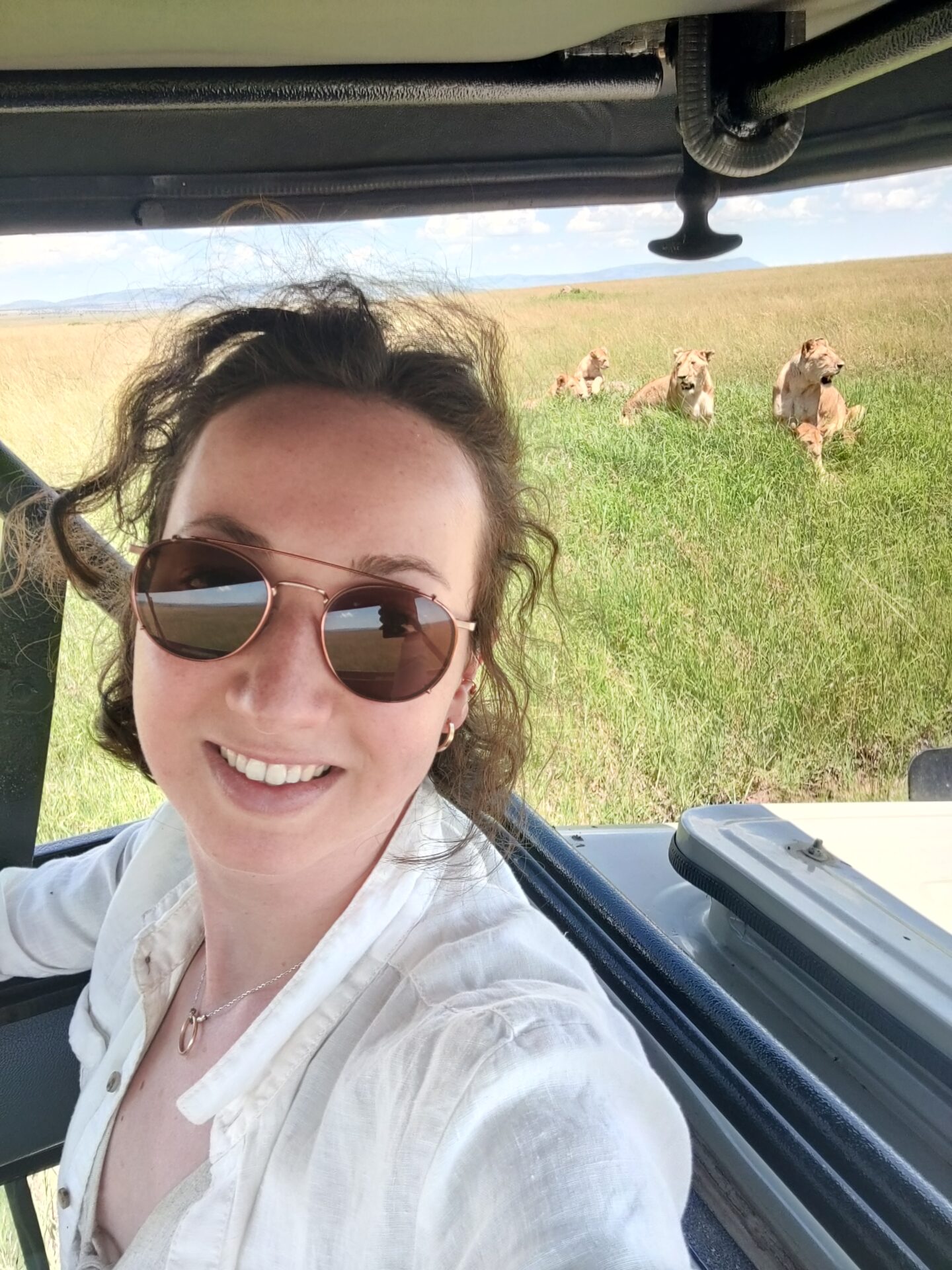
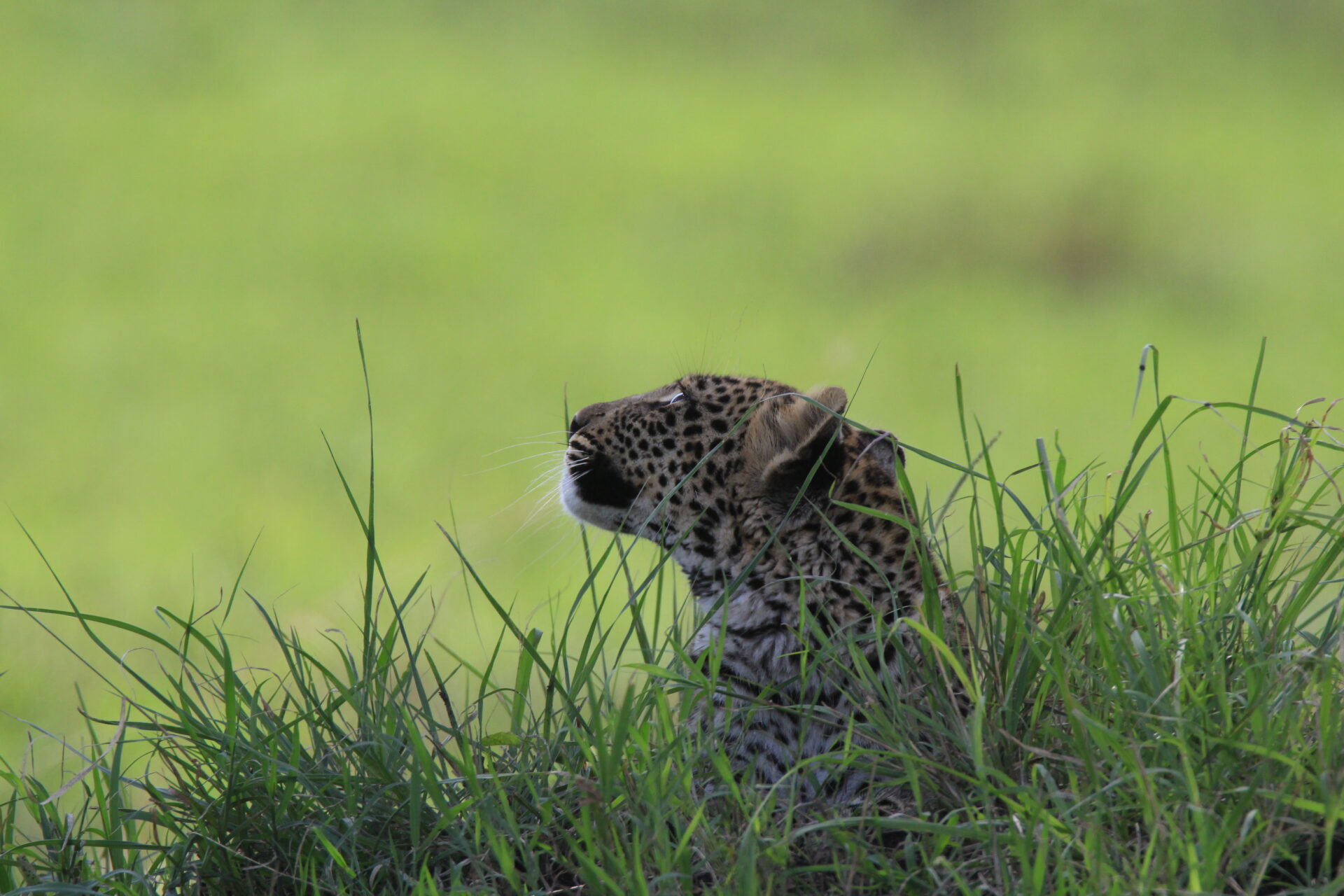
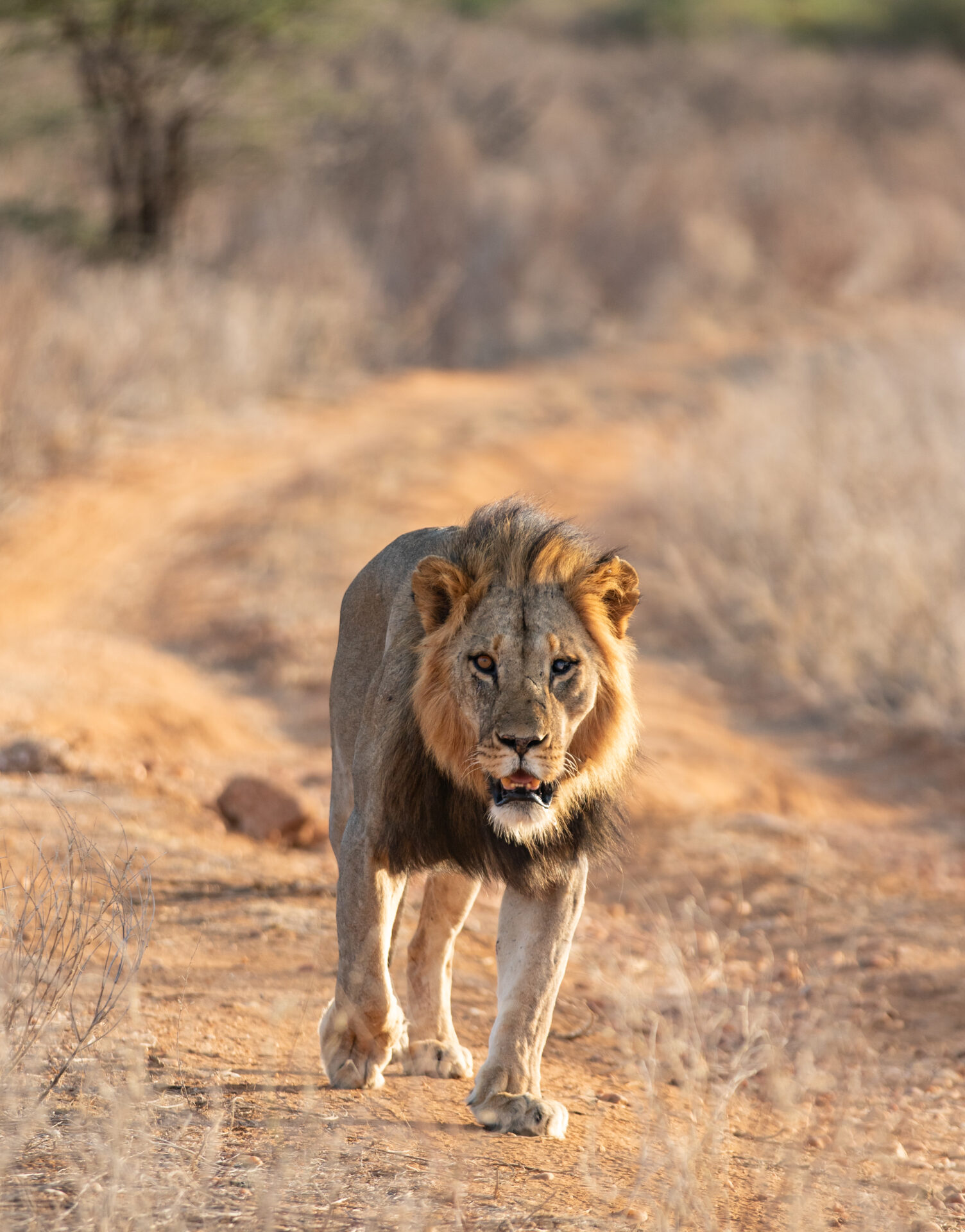
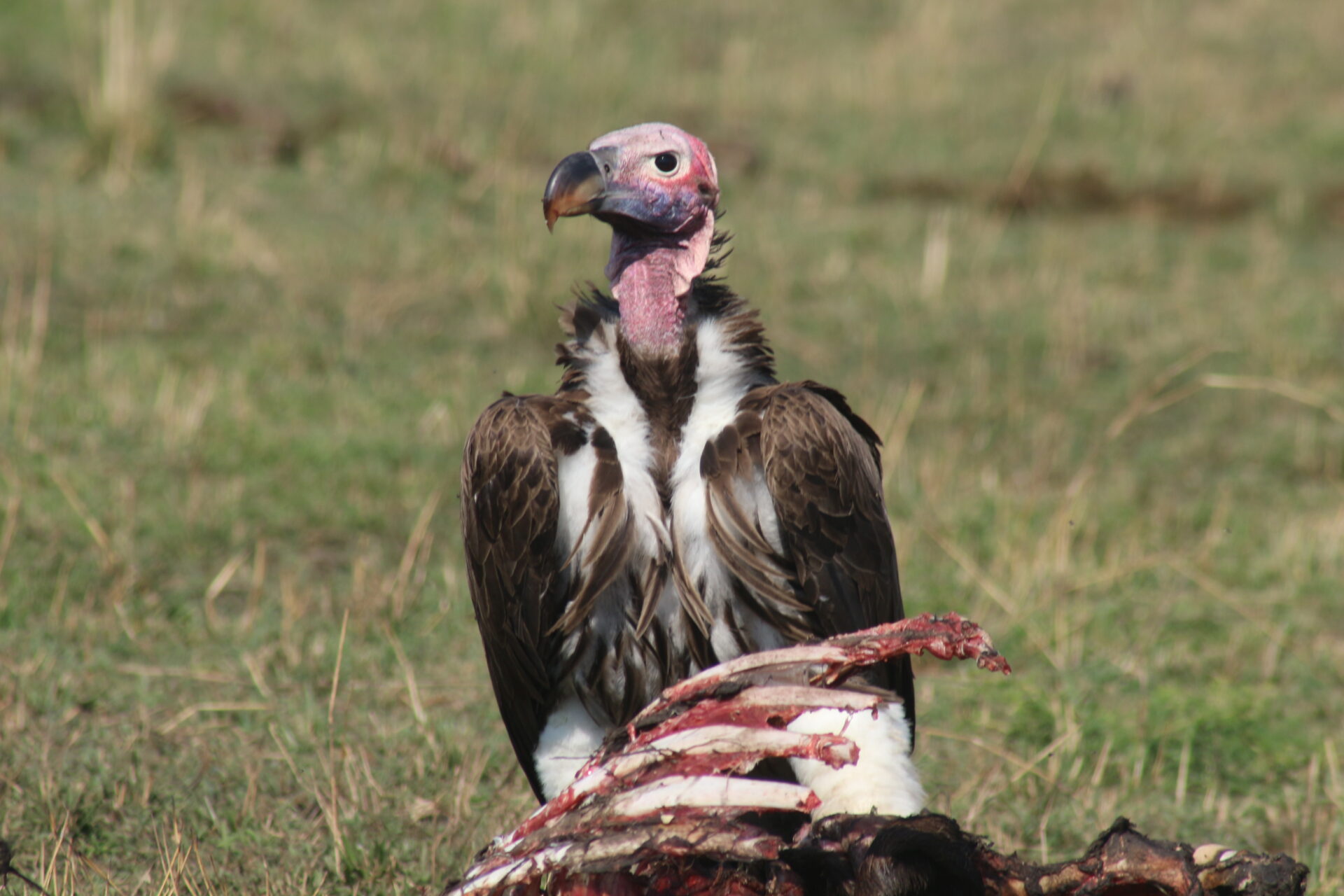
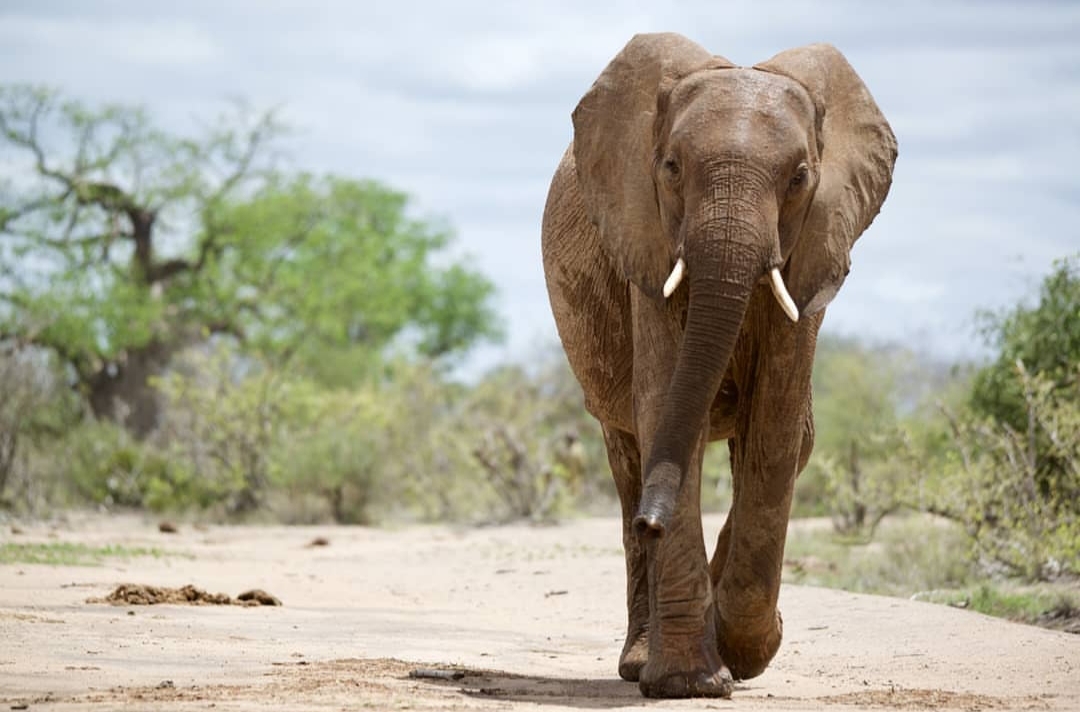
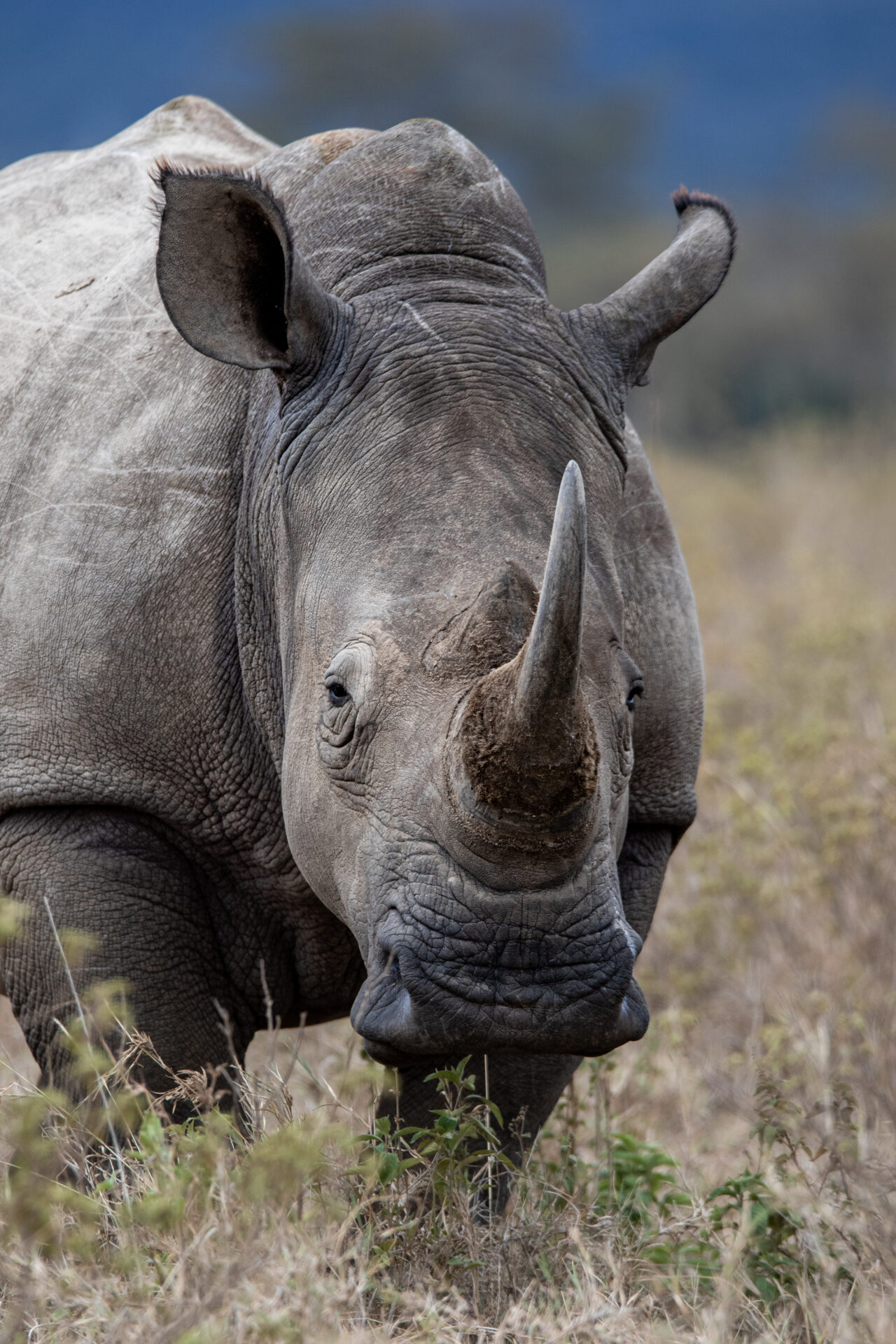
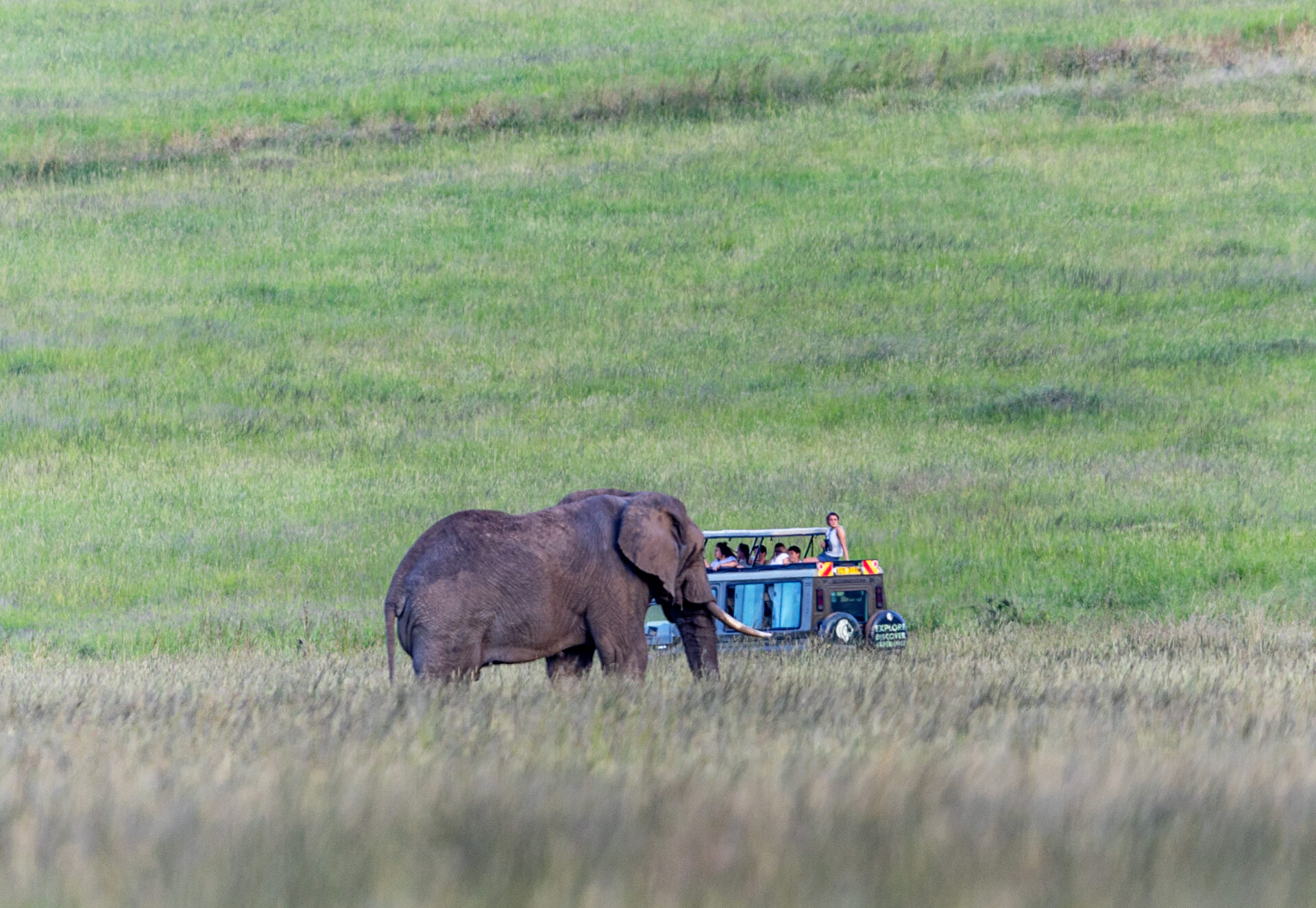
In February, Tarangire reveals a softer side of itself. The park’s iconic baobabs stand against green plains, and wildlife is more dispersed than in the dry season. Elephant herds remain a defining presence, moving steadily through the landscape in smaller groupings.
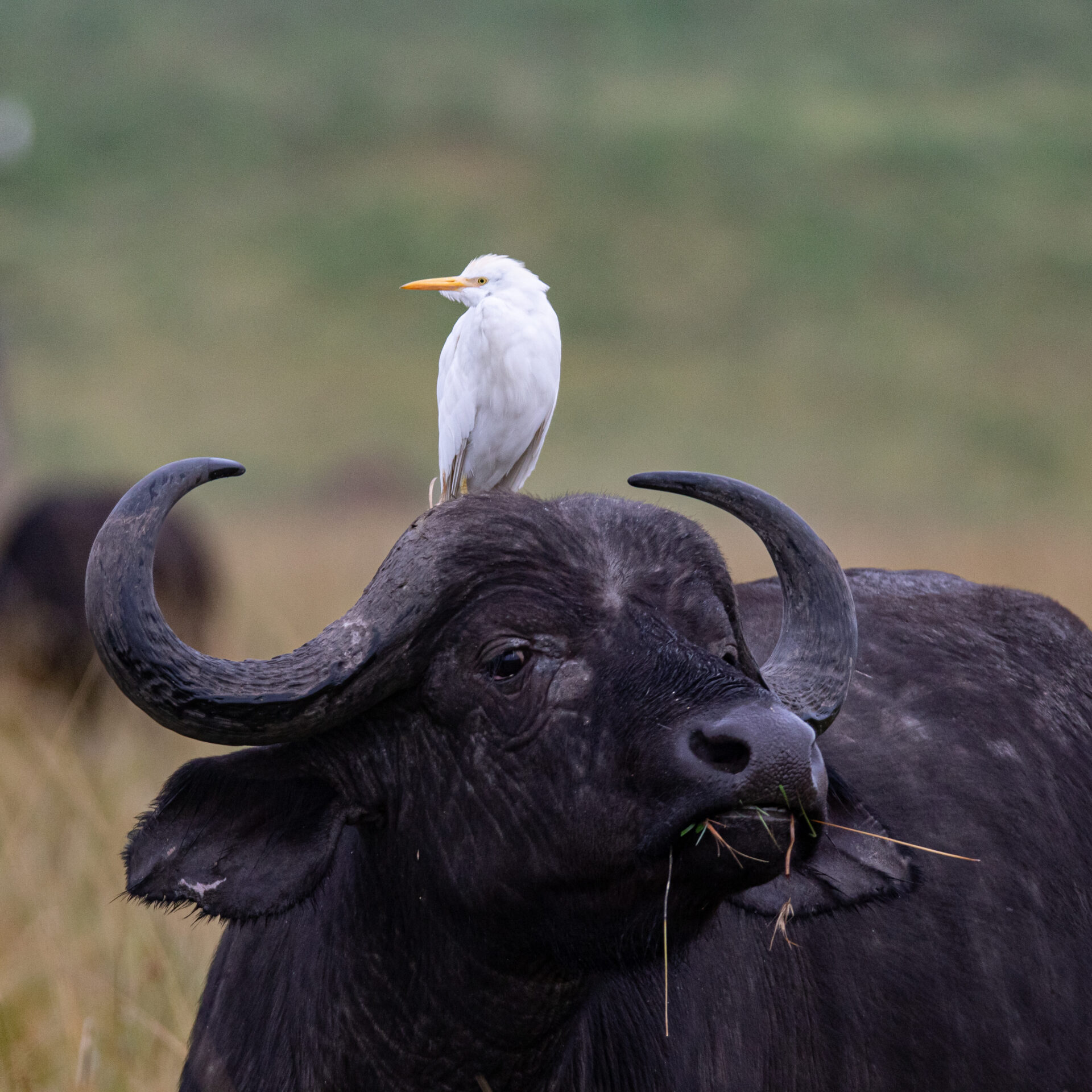
What makes Tarangire one of the best safari destinations in February is not density, but depth. Birdlife flourishes during this time, with migratory species adding color and a flurry of movement to the environment.
Lake Manyara is at its most visually striking in February. Groundwater forests are dense and vibrant, while the lake itself expands and contracts with the season, often attracting flocks of flamingos and other waterbirds. The contrast between forest, lake, and open plains creates a layered landscape.
Wildlife viewing here is less about scale and more about diversity. Tree-climbing lions, large troops of baboons, and abundant birdlife define the experience. Lake Manyara brings something different, a compact, richly textured safari that allows for slower exploration.
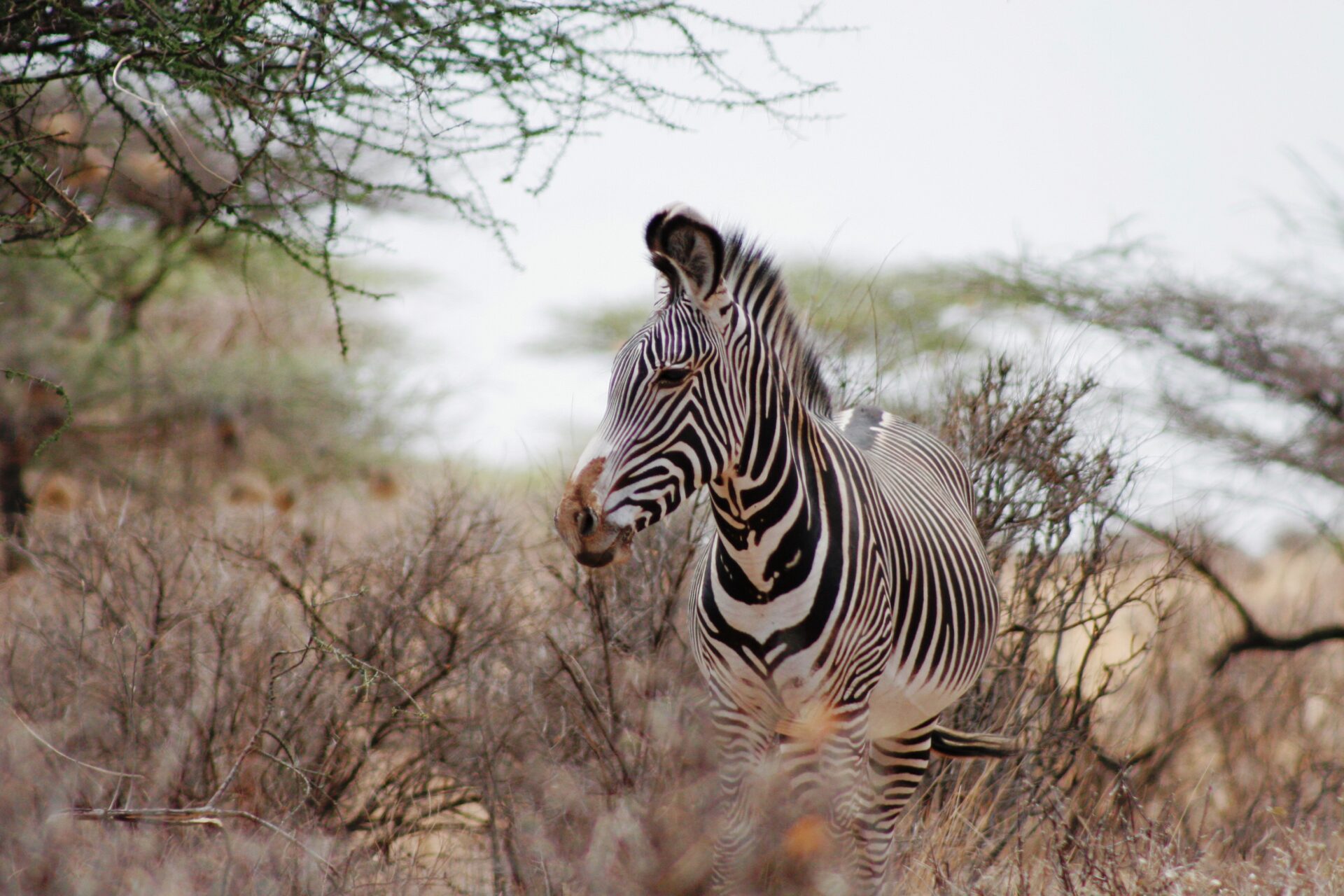
February is one of Samburu’s strongest months. The region’s drier conditions draw wildlife toward the Ewaso Nyiro River, creating reliable sightings across an otherwise rugged, semi-arid landscape. Elephants gather along the banks, while predators move through the surrounding terrain with purpose.
Home to species rarely seen elsewhere (such as Grevy’s zebra and reticulated giraffe), the reserve is an exceptionally remote safari. With fewer visitors than Kenya’s southern parks, encounters are often uninterrupted, and you can spend time lingering longer.
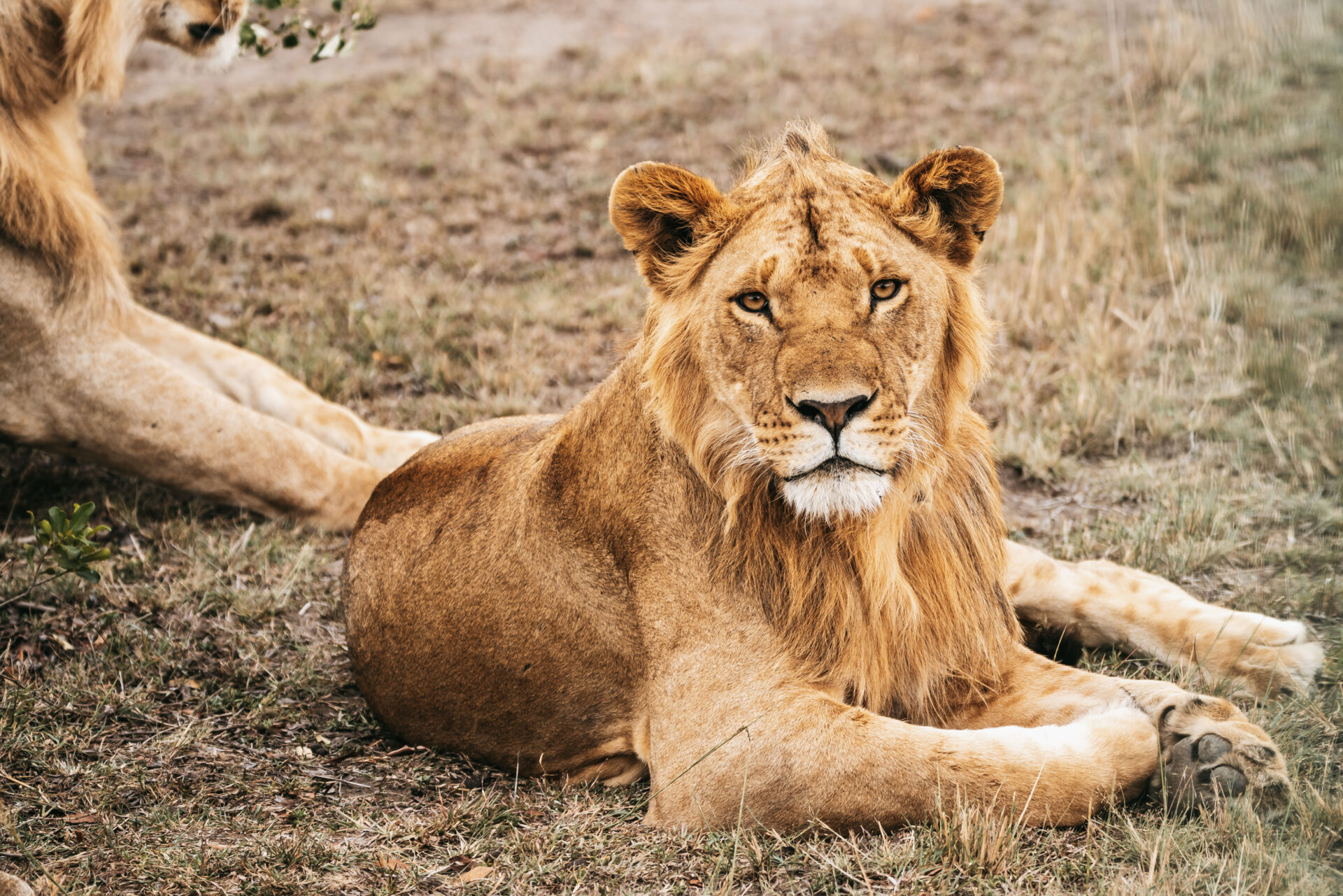
Akagera is a different perspective on East Africa, one shaped by rolling savannah, lakes, and a growing reputation as a Big Five destination. February’s relatively dry conditions improve accessibility and concentrate wildlife around water sources, making sightings more consistent across the park.
As one of the best safari destinations in February, Akagera stands out for its diversity. Boat safaris reveal hippos and crocodiles along the shoreline, while game drives uncover lions, buffalo, and a steadily recovering rhino population.
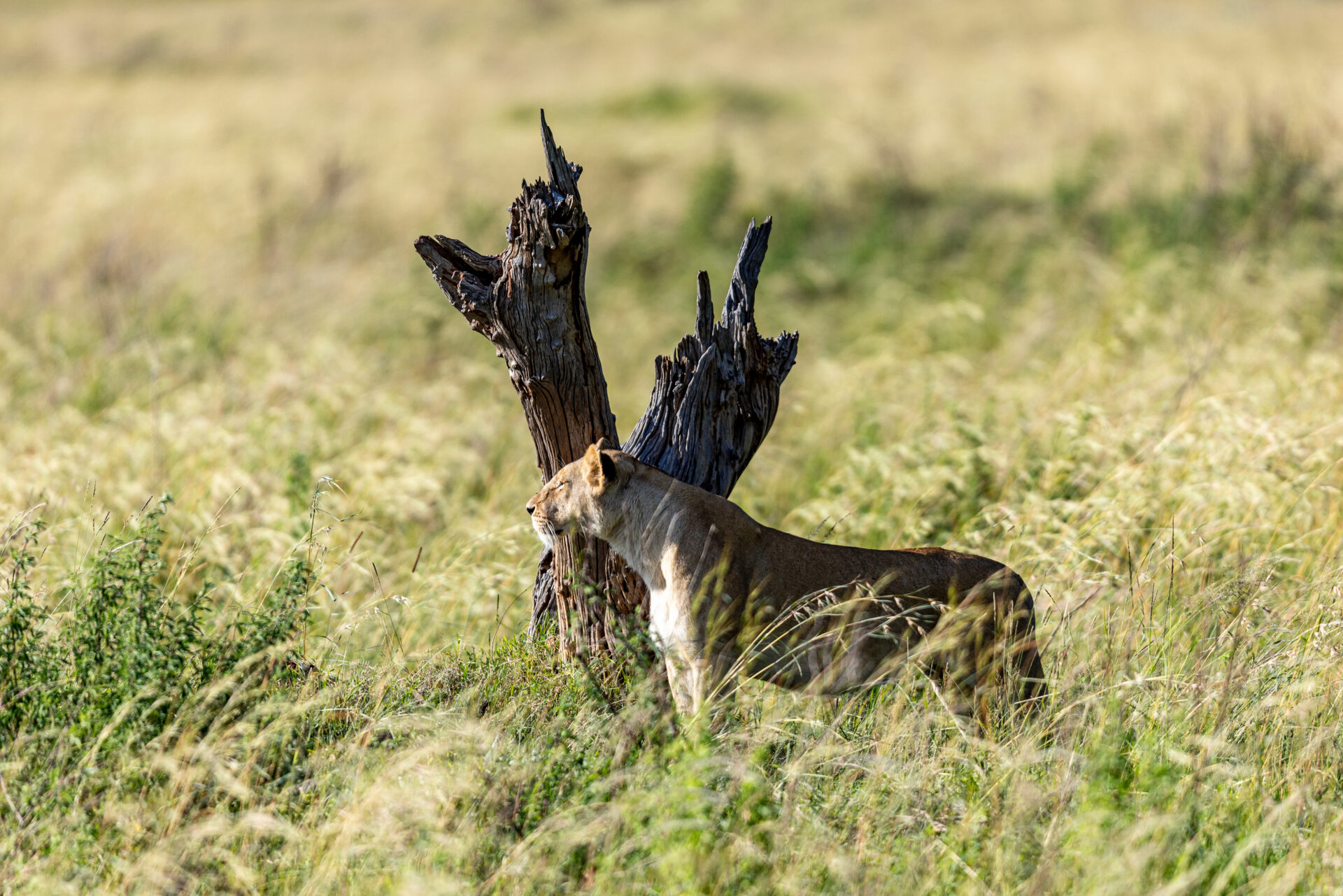
Yes, February is one of the best months to see newborn wildlife, particularly in Tanzania, where the calving season peaks. This creates a unique safari dynamic, with young animals visible across the plains and predators closely following.
Parks like Tarangire National Park, Lake Manyara National Park, and Samburu National Reserve tend to be quieter in February compared to peak-season destinations.
Absolutely. February falls within the migratory bird season, making it one of the best times for birdwatching. Wetland areas and lakes, particularly in places like Lake Manyara, are especially active and visually striking.
February is a balance between the two. Landscapes remain lush and green from earlier rains, but conditions are dry enough for easy travel and clear wildlife viewing.
Yes, February often appeals to repeat or more experienced travelers. The focus shifts from peak crowds and headline events to quieter parks, subtle wildlife behavior, and a less hurried experience.
Do you have any other questions?
Get in touch with one of our experts for a free consultation.









Personalized service by travel experts with first-hand knowledge

Customizable tours to your preference

400+ 5-star TripAdvisor and Google reviews

Booking Security - Money - back guarantee & 24/7 support
