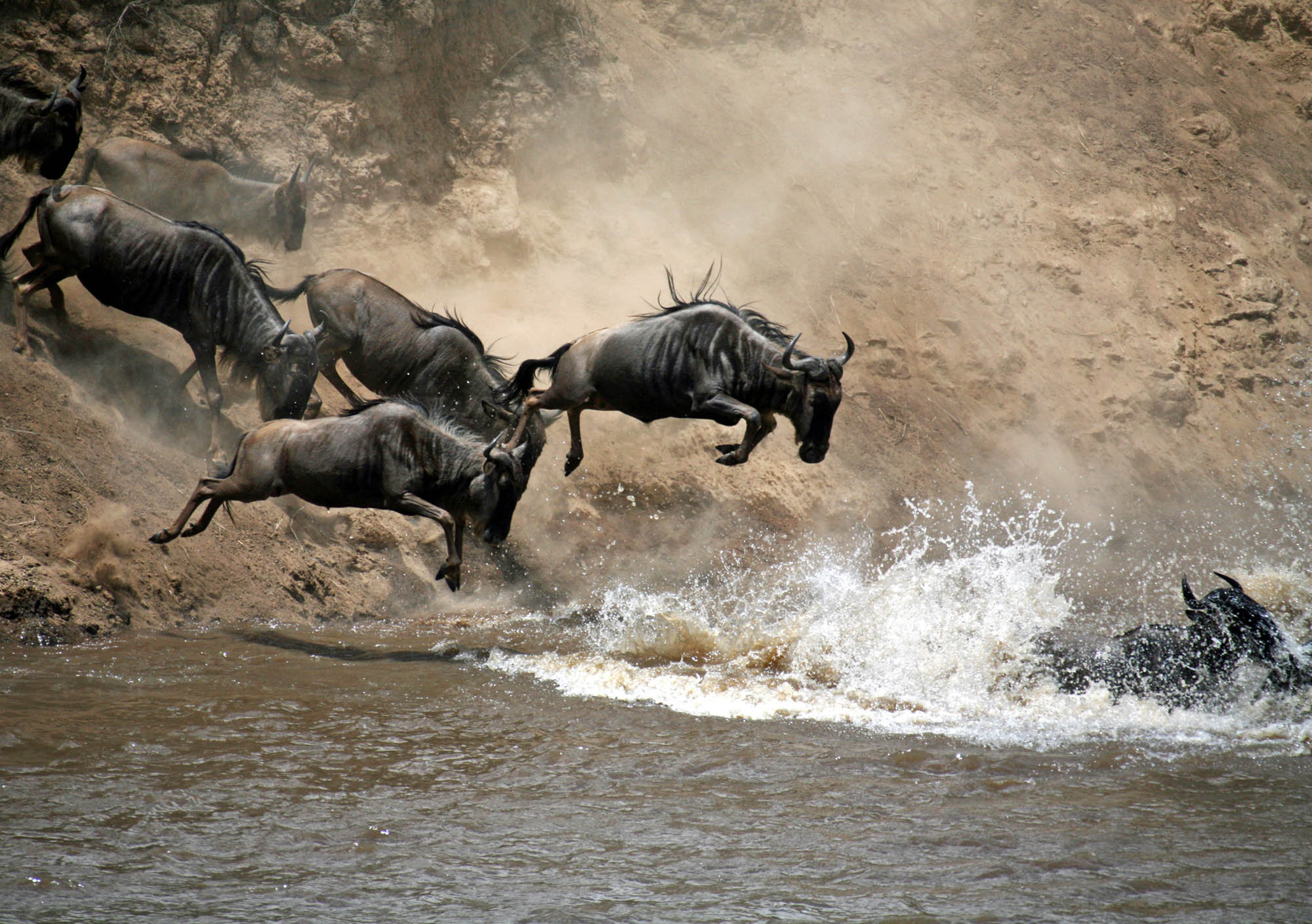
August is the peak of East Africa’s safari season.
The Great Migration reaches full intensity, herds mass along the Mara River, and crossings happen frequently. This is when the experience becomes larger than expectation.
Wildlife is concentrated, visibility is at its best, and the rhythm of the migration drives every game drive.
It’s not just a safari, it’s an ecosystem in motion and at its most powerful.
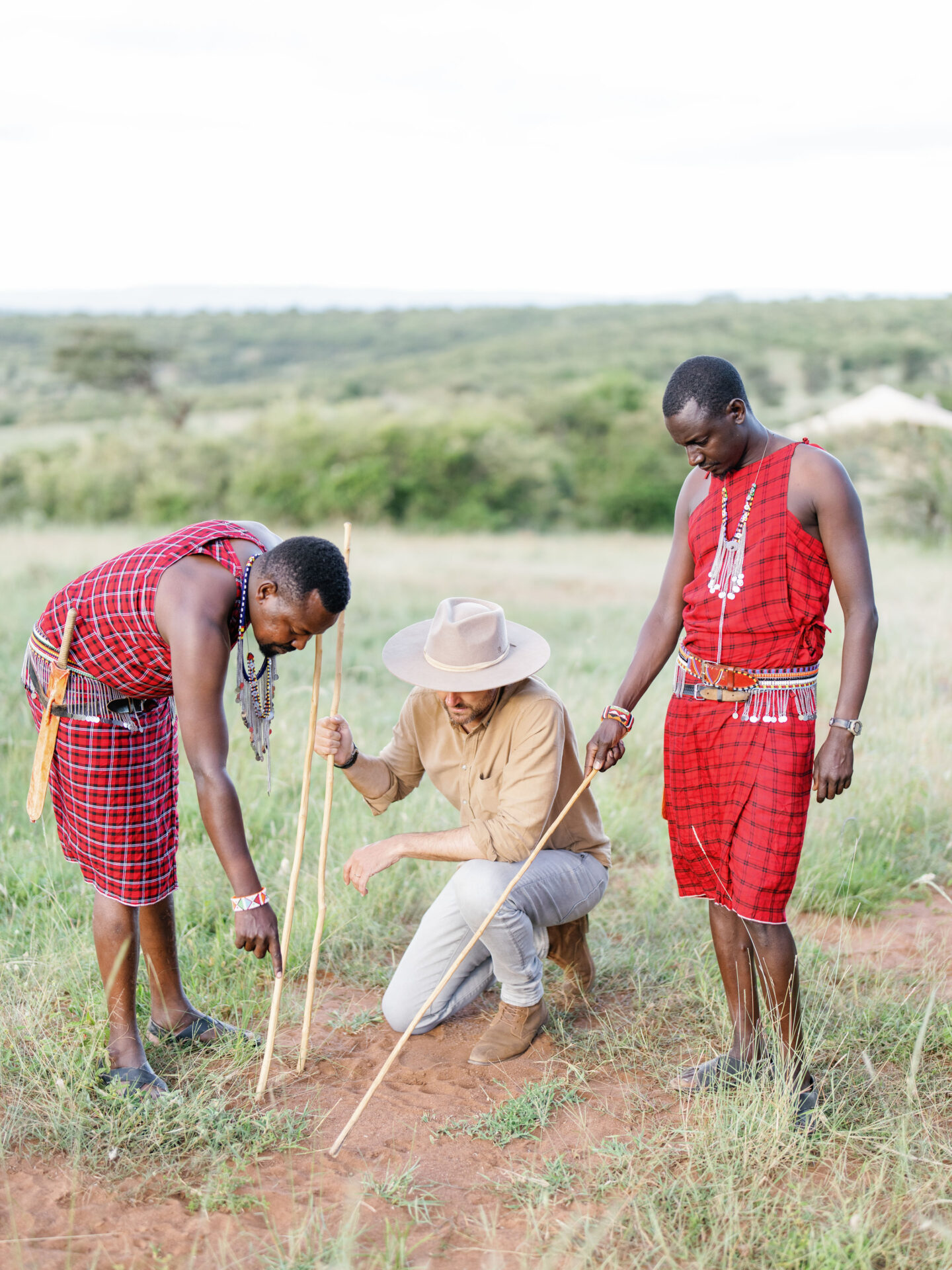
August sits firmly in the heart of the dry season. Vegetation is sparse, water sources are limited, and wildlife gathers predictably, creating some of the best viewing conditions of the year. Days are clear and warm, while mornings and evenings remain cool and comfortable.
The migration herds are at their most concentrated, predators are highly active, and the landscape becomes a stage for constant interaction. Every sighting feels part of a larger, natural narrative.
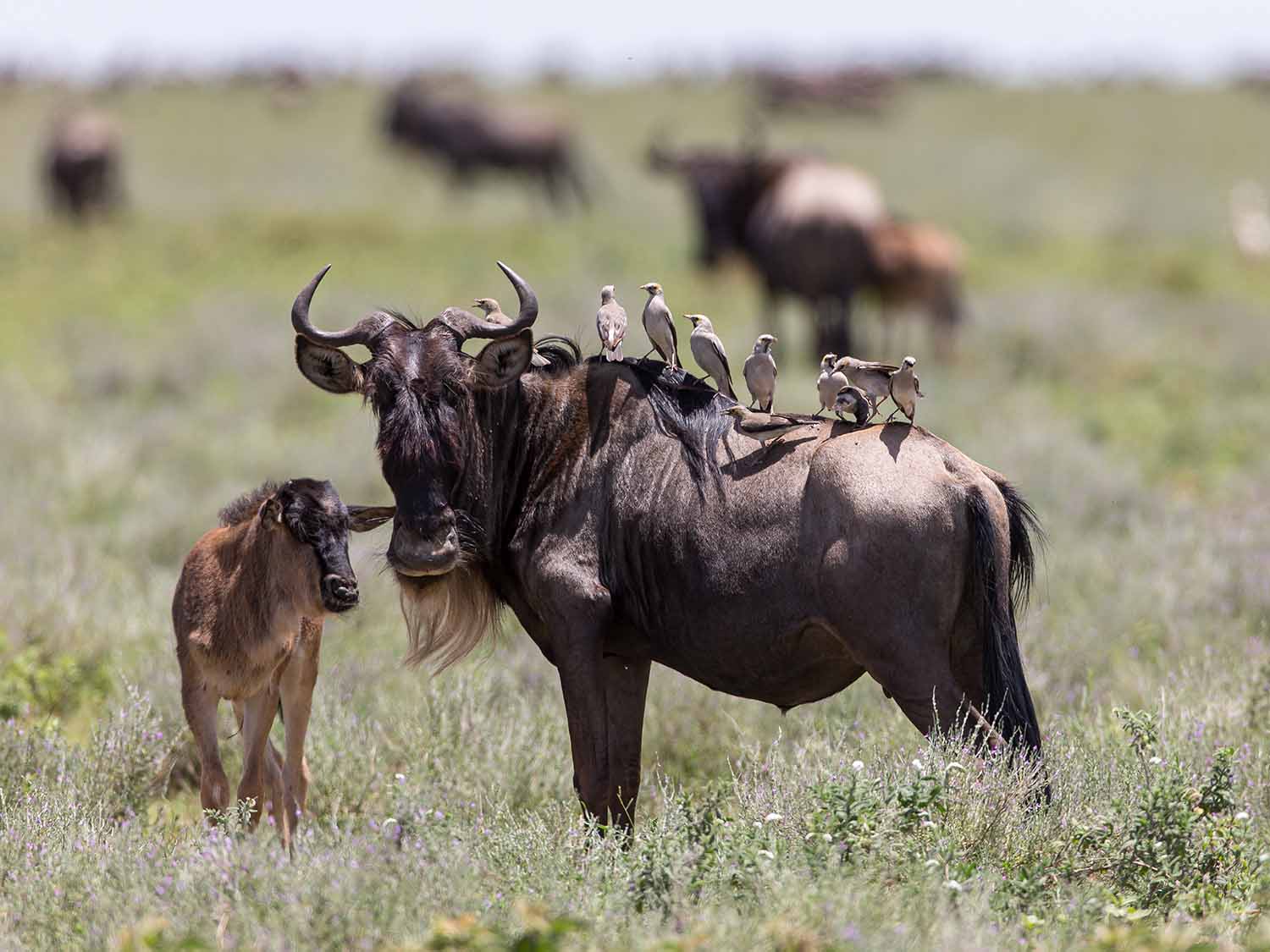
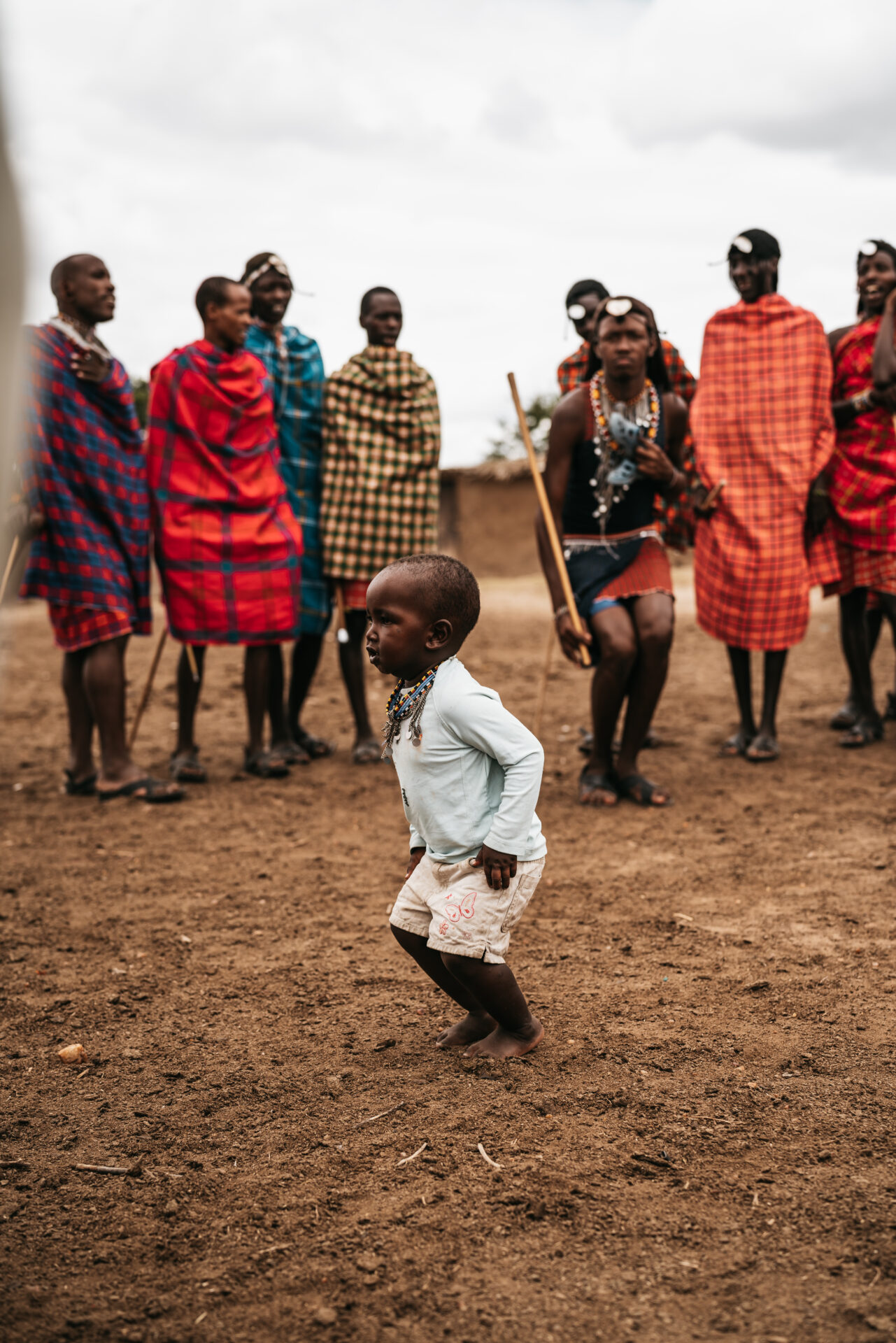
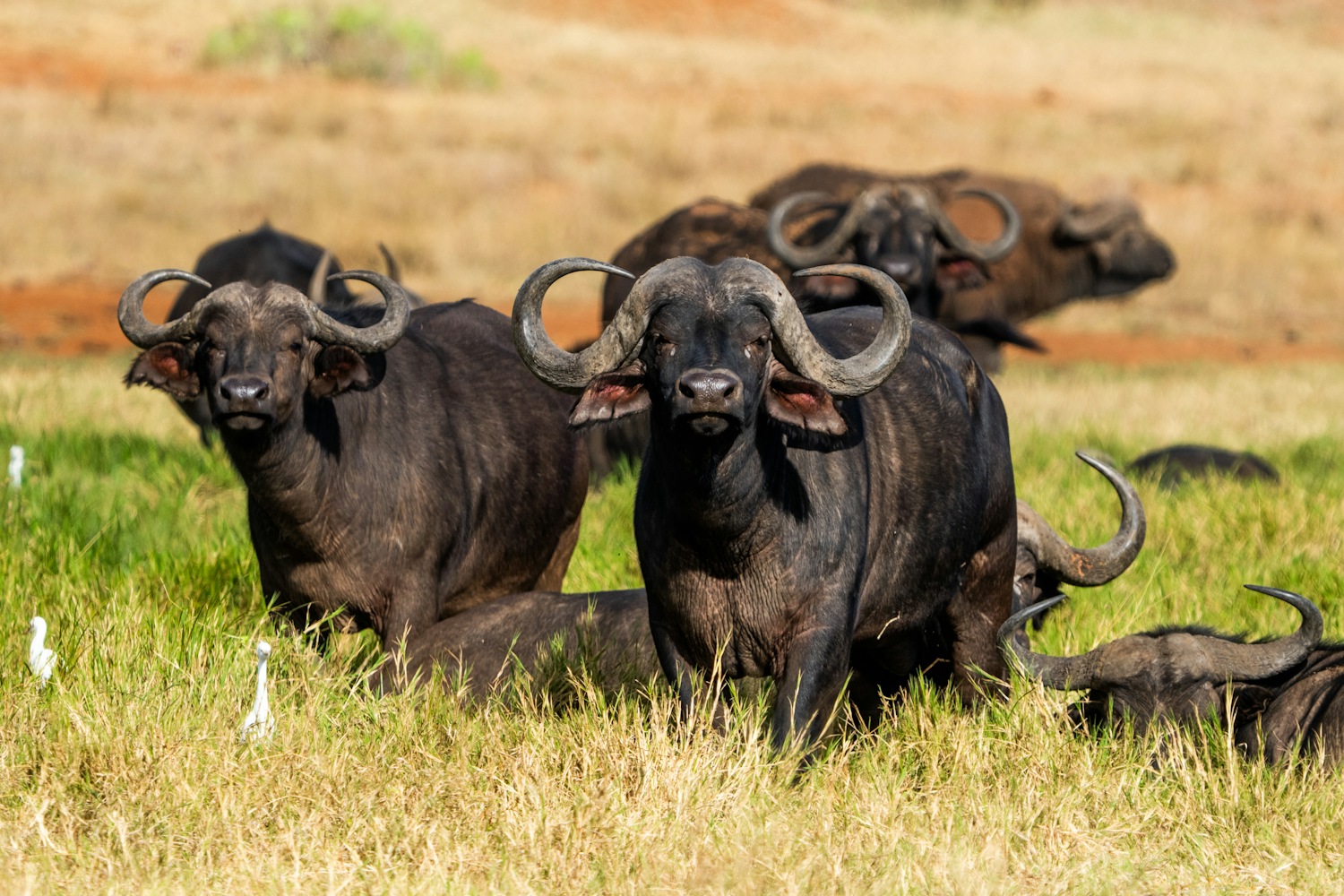
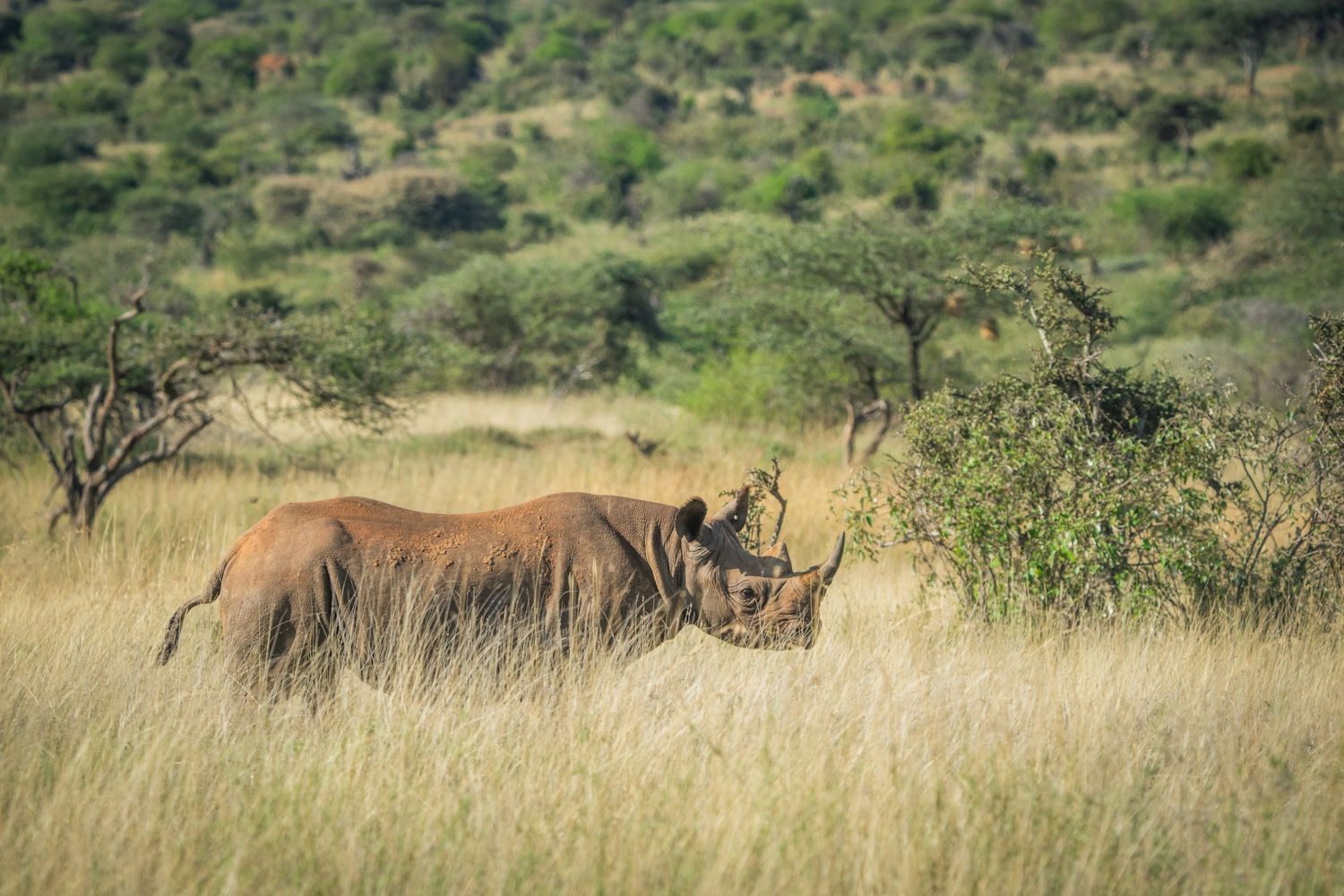
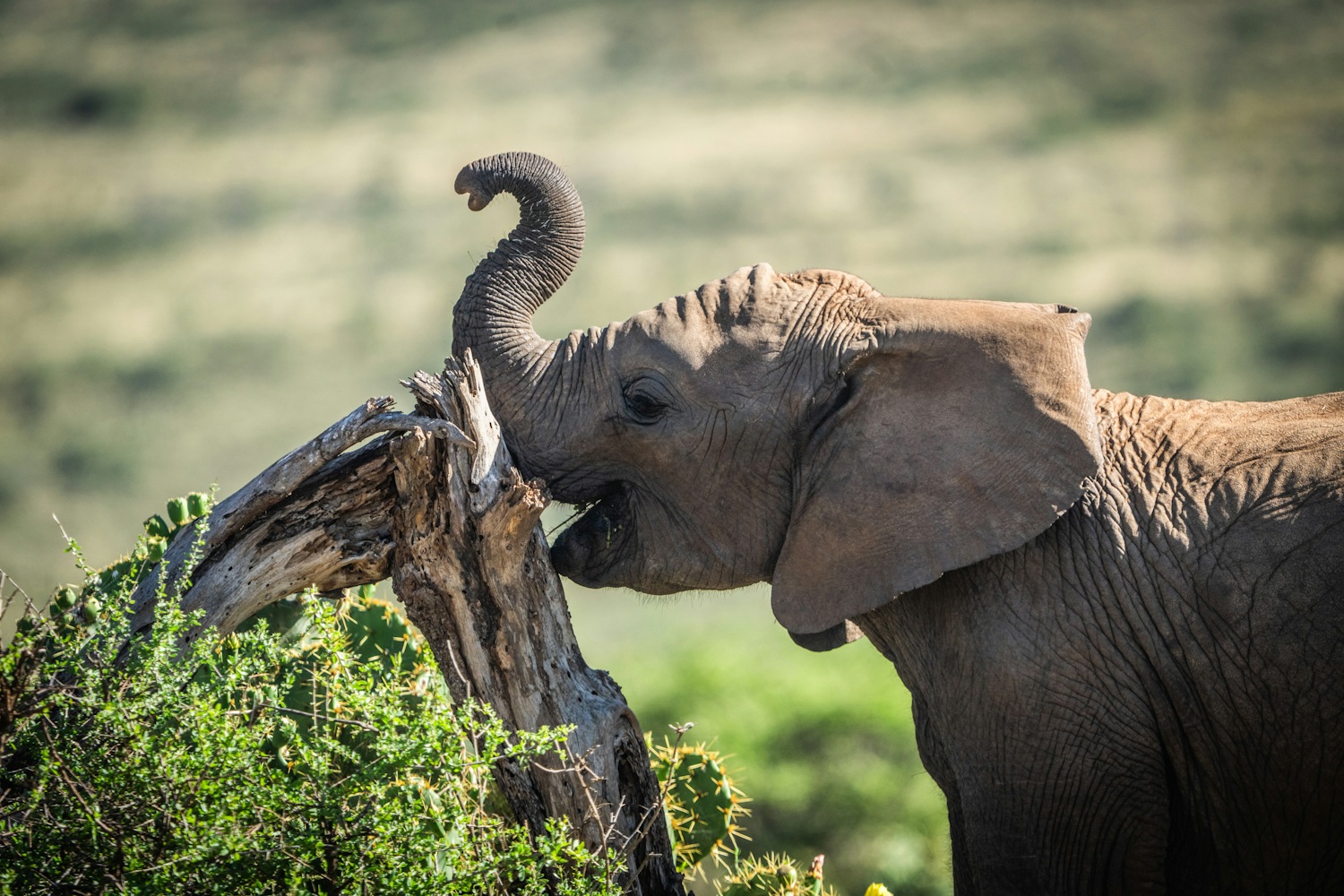
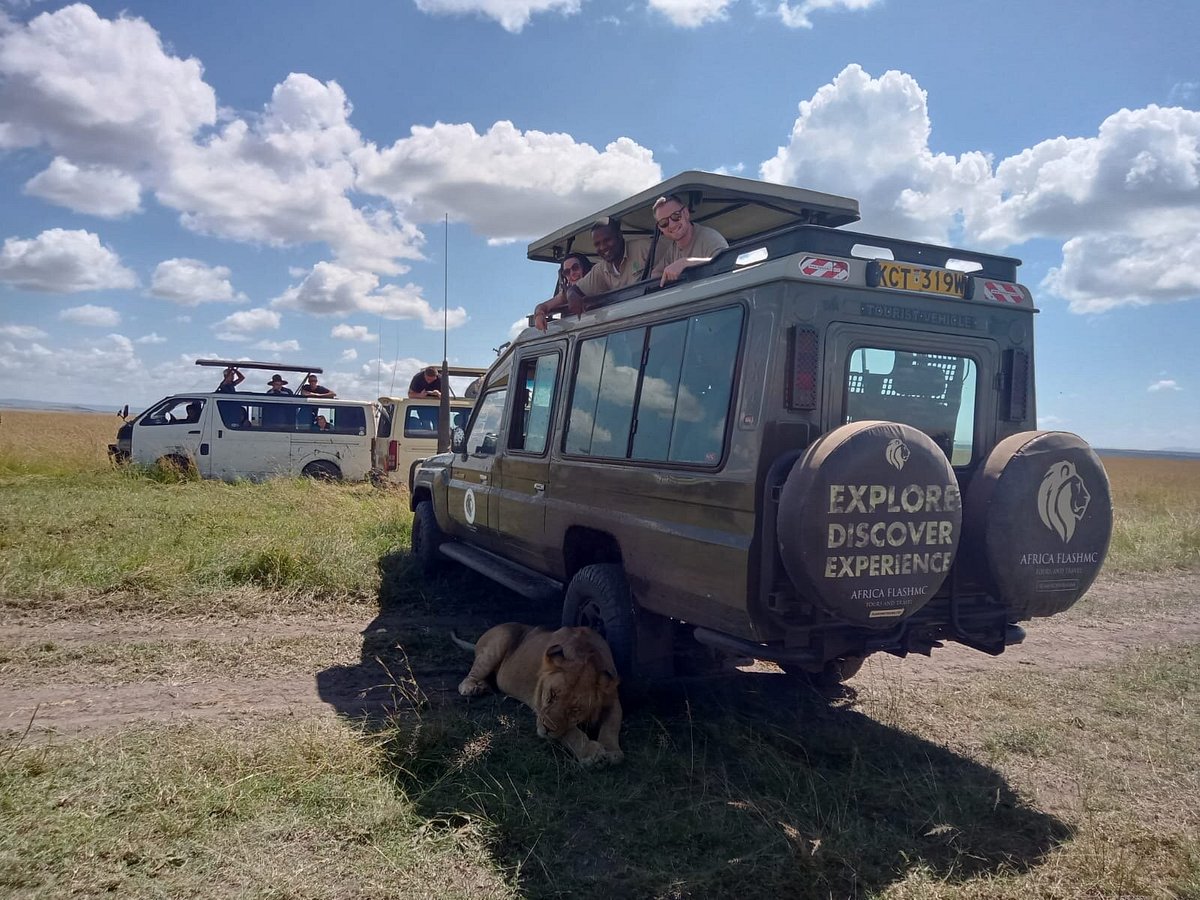
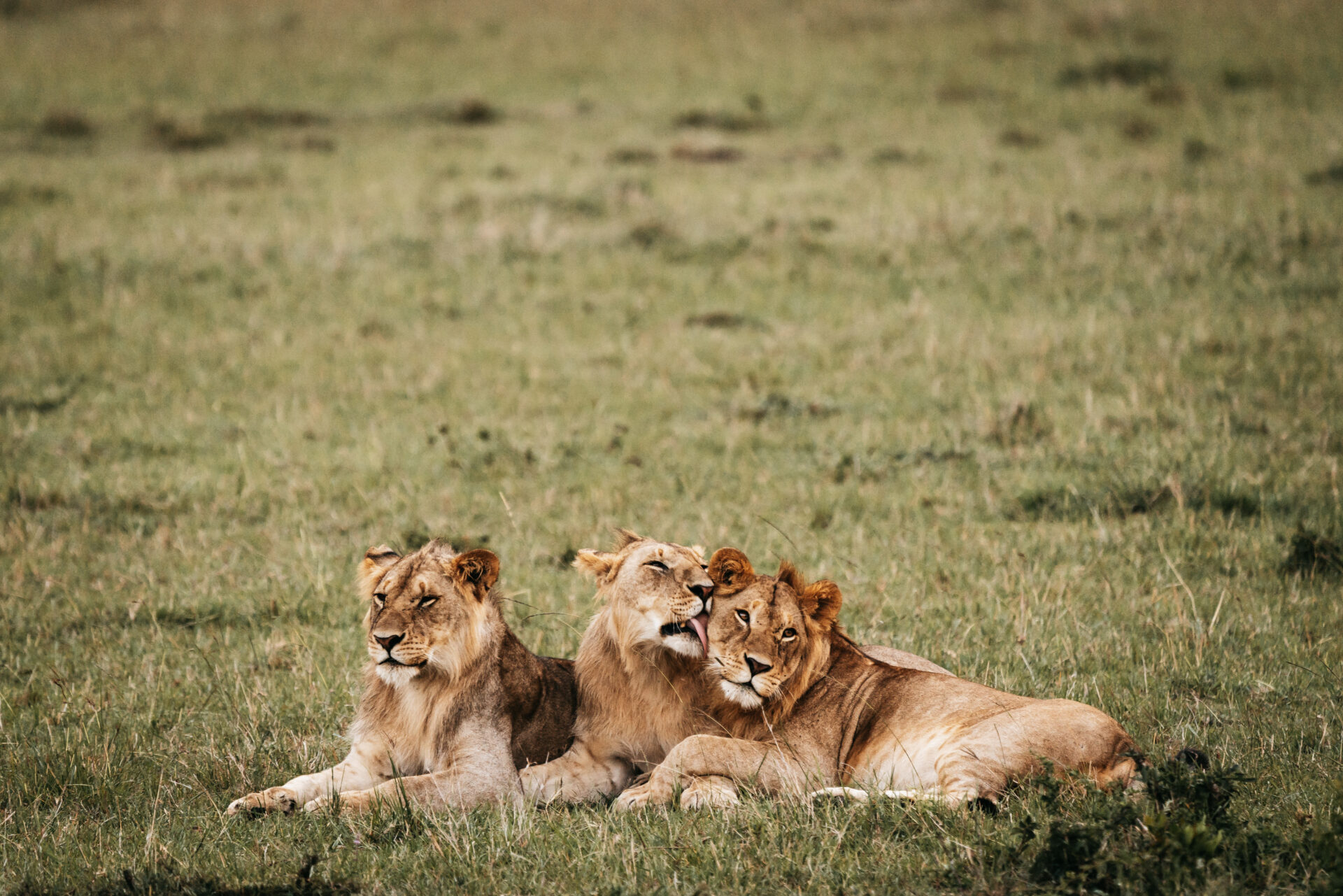
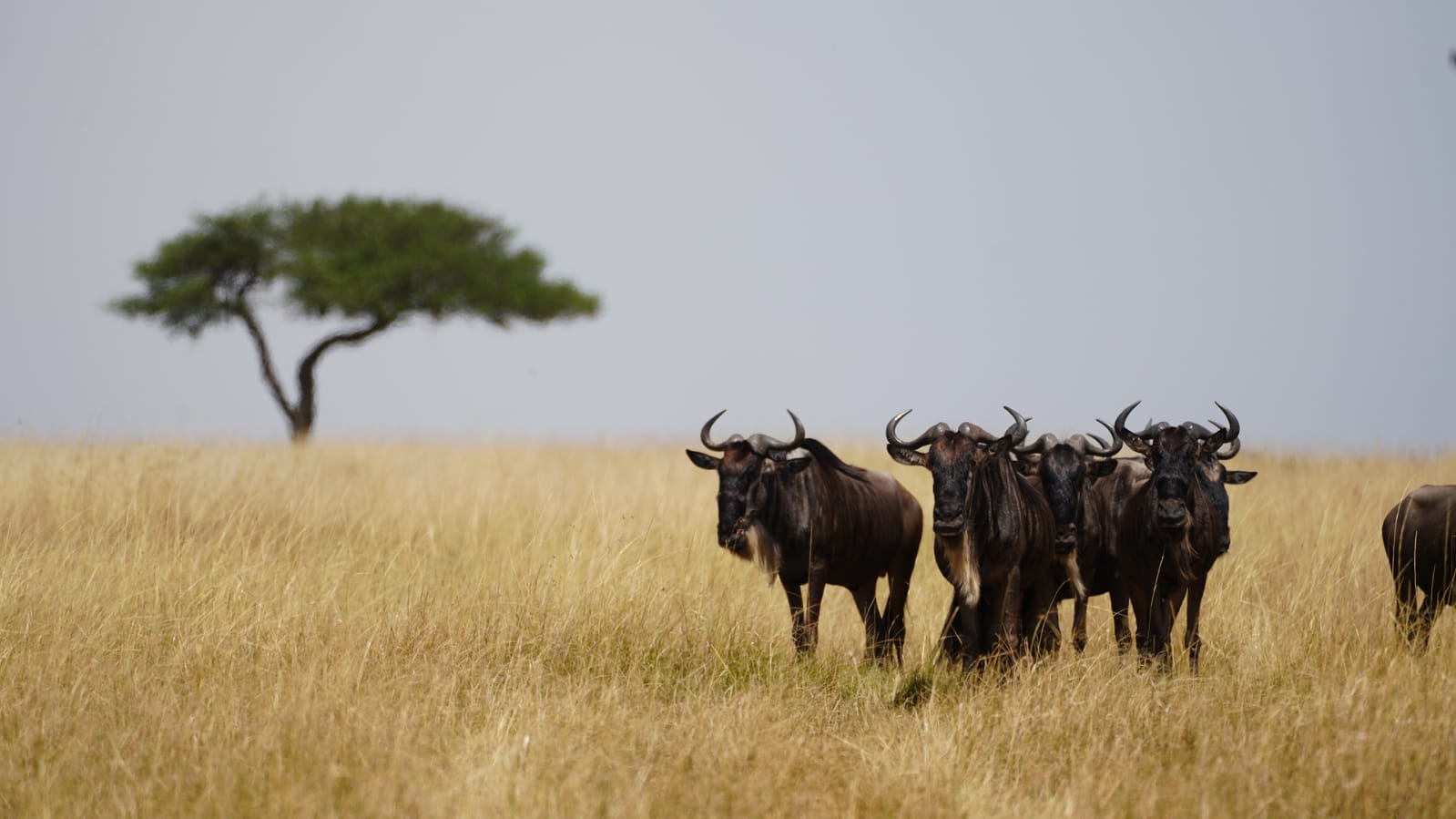
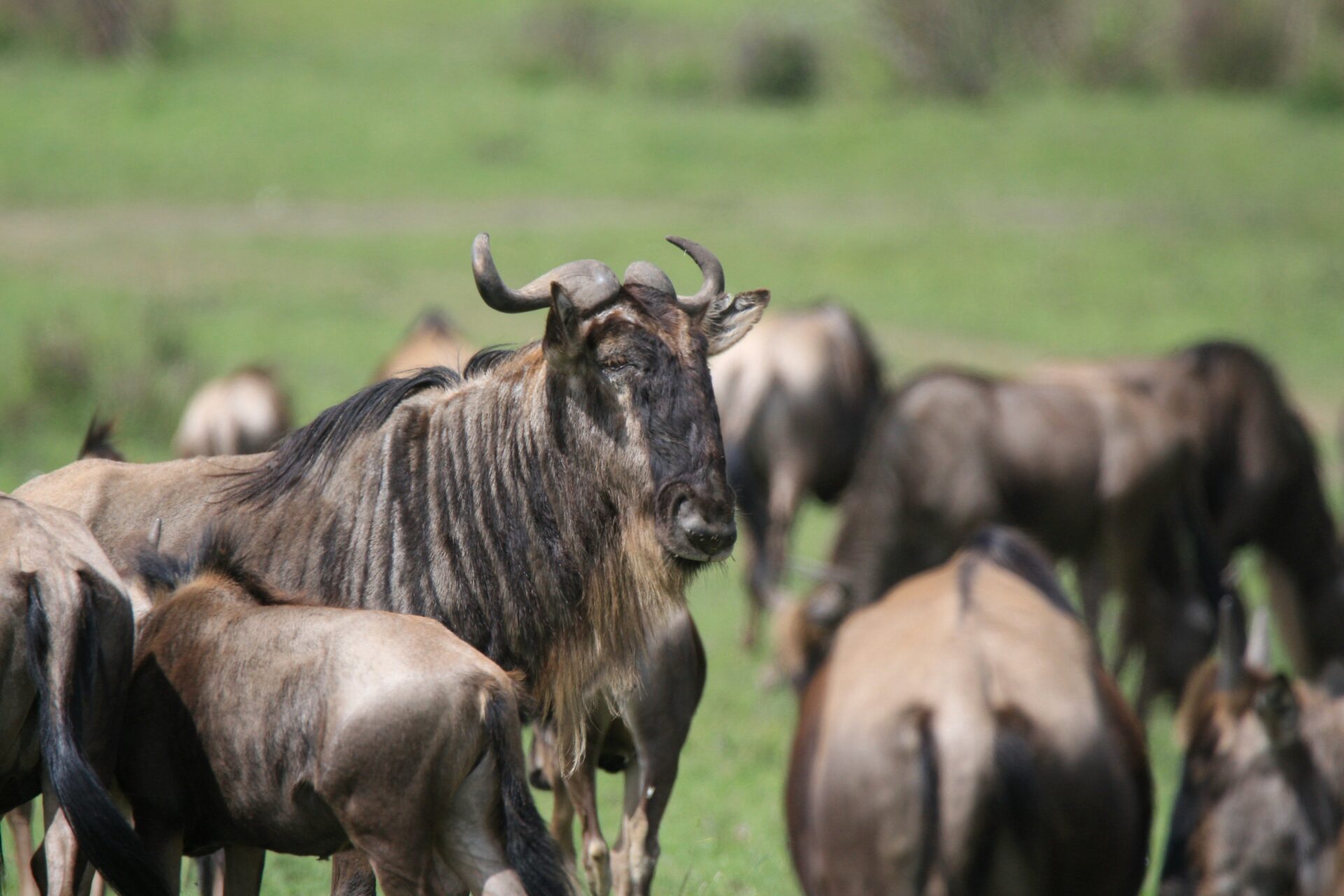
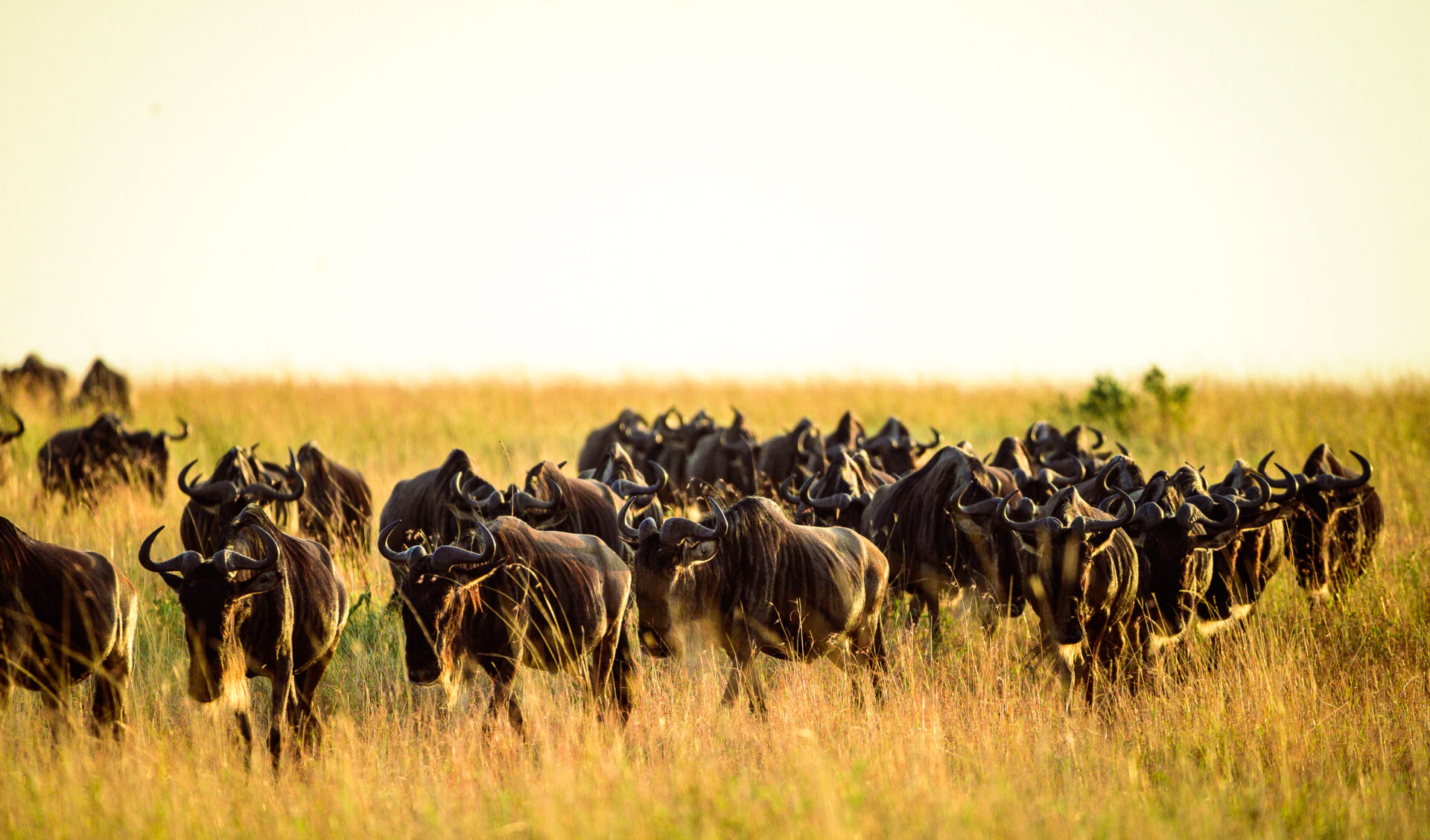
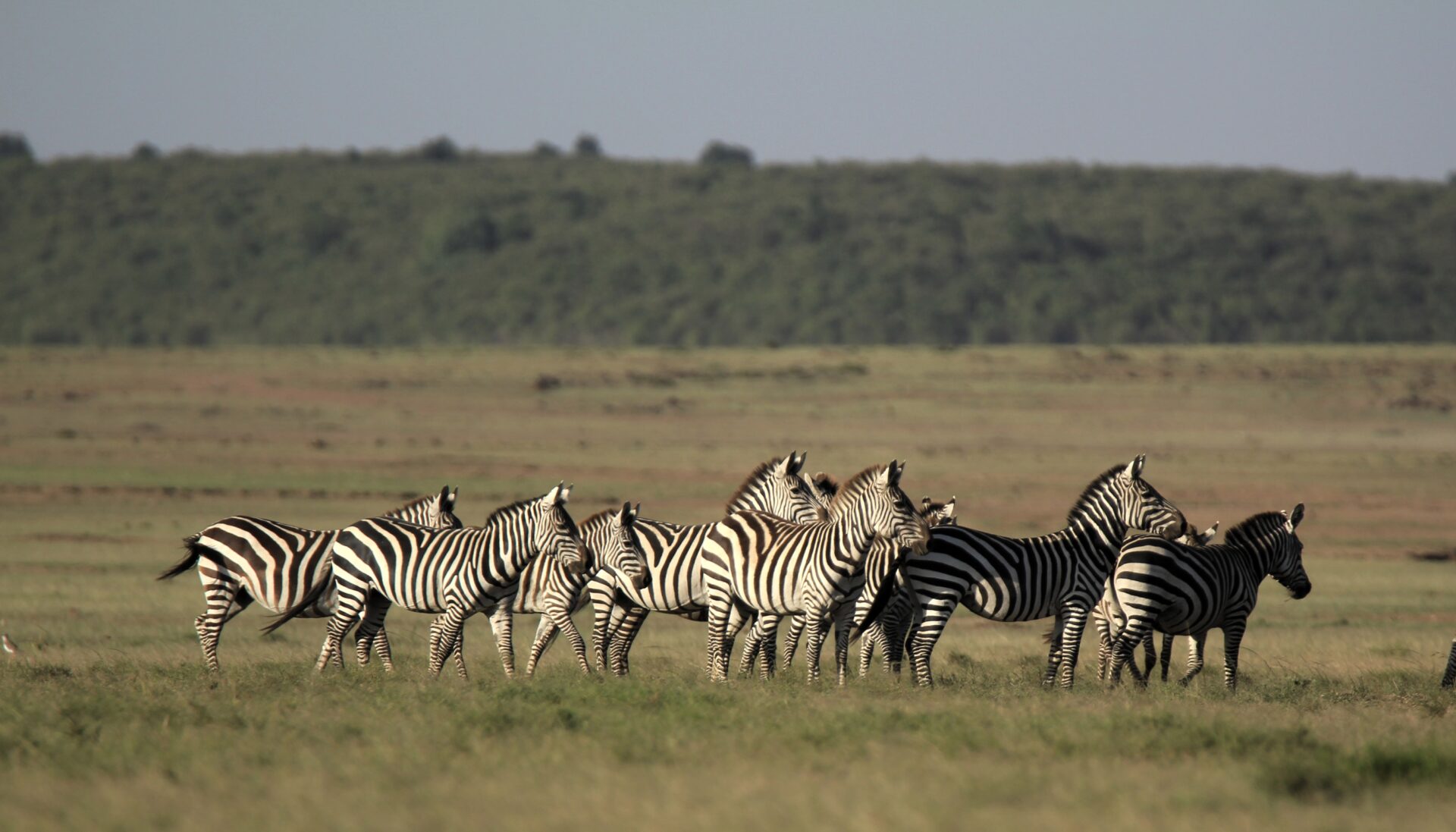
August is the Masai Mara at its most iconic. Massive herds of wildebeest and zebra dominate the plains, and river crossings occur frequently along the Mara River. These moments are unpredictable (hours of stillness followed by seconds of chaos) as animals surge into the water while predators wait below.
What makes this one of the best safari destinations in August is consistency. Unlike earlier months, crossings are not occasional, they are part of the cycle and happen frequently. Combined with exceptional big cat sightings, the Mara delivers a safari experience defined by scale, drama, and intensity.
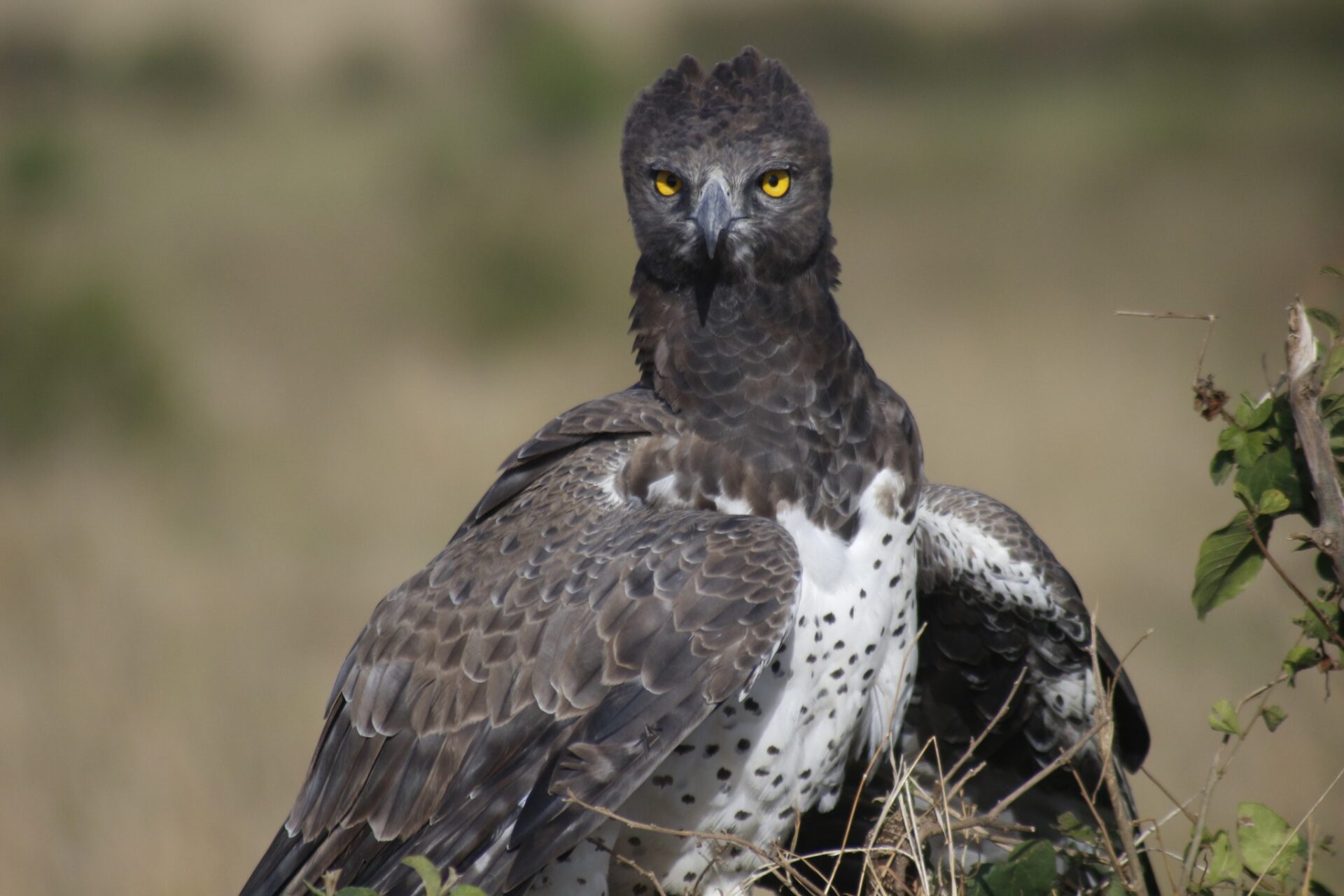
Away from the migration, Ol Pejeta is a different kind of peak-season experience. Wildlife density remains high, with strong populations of rhino, lions, and other plains game. The conservancy model allows for off-road driving, night safaris, and more flexible exploration.
What sets Ol Pejeta apart in August is its balance. While the Mara focuses on migration spectacle, Ol Pejeta delivers consistent, high-quality sightings without the same level of congestion.
While much of the migration moves north, the central Serengeti remains rich in resident wildlife. Predator populations are particularly strong here, with lions, leopards, and cheetahs regularly seen across open plains and river systems.
Even without the largest herds, game drives remain highly productive, and sightings often feel less pressured than in migration hotspots. As one of the best safari destinations in August, Seronera adds depth to a migration-focused itinerary.
August is one of the best months to visit Queen Elizabeth National Park. Dry-season conditions improve wildlife visibility as animals gather around permanent water sources, while thinner vegetation makes game viewing far more productive across the park’s open plains and crater landscapes.
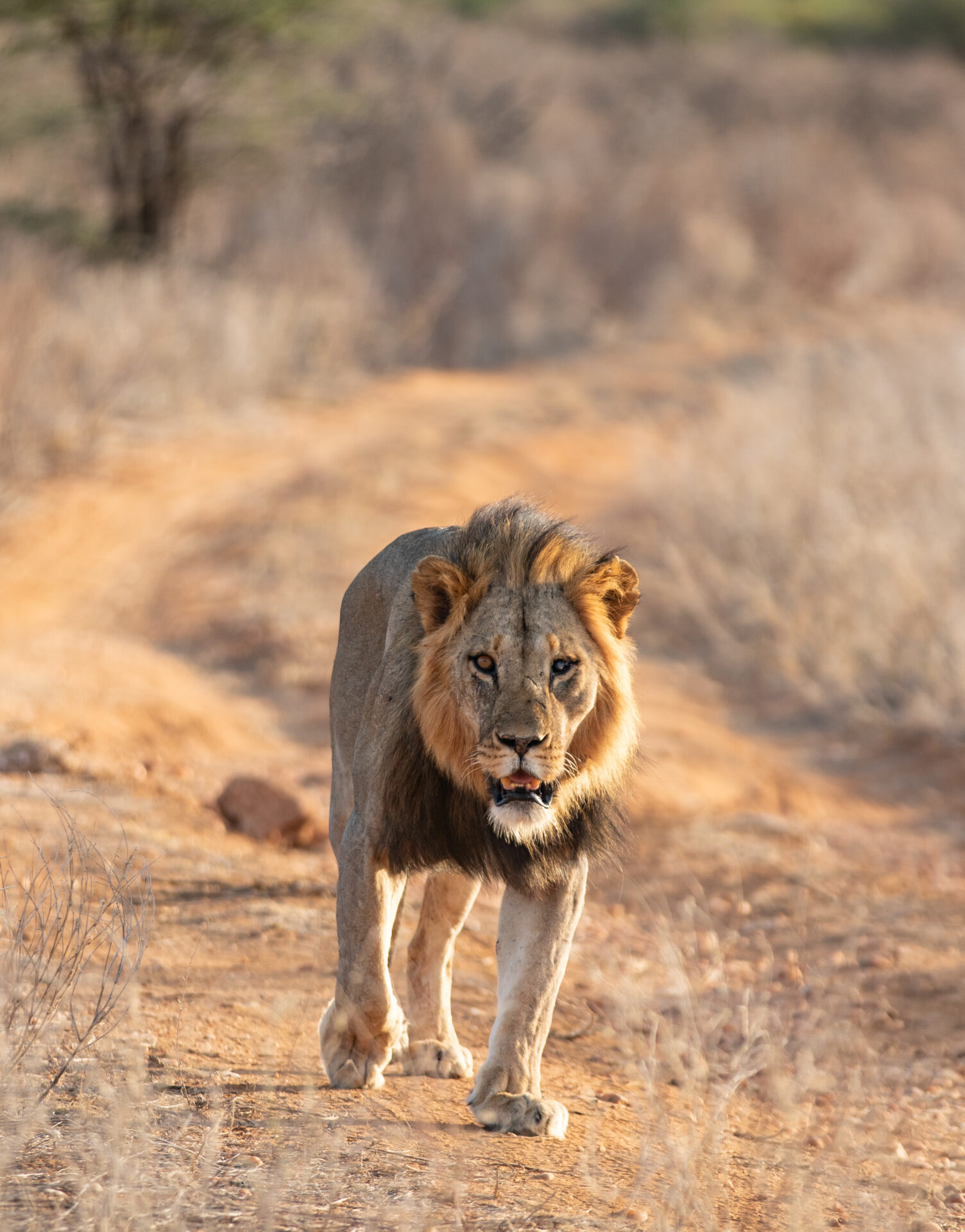
Queen Elizabeth has one of Uganda’s most distinctive wildlife experiences: the tree-climbing lions of the Ishasha sector. During August’s dry conditions, sightings become more consistent as predators remain active around the park’s southern plains. For travelers wanting to combine the Great Migration with a different style of safari, Queen Elizabeth National Park adds variety.
Yes, August is one of the peak months for migration activity, particularly for Mara River crossings.
No, crossings are never guaranteed, but August has one of the highest probabilities of witnessing them.
Yes, August is peak season, especially in the Masai Mara and northern Serengeti, so booking well in advance is essential.
Layered clothing for cool mornings and evenings, lightweight daytime wear, and sun protection.
Yes, combining areas like the Mara with conservancies such as Ol Pejeta creates a more balanced safari experience.
Do you have any other questions?
Get in touch with one of our experts for a free consultation.








Personalized service by travel experts with first-hand knowledge

Customizable tours to your preference

400+ 5-star TripAdvisor and Google reviews

Booking Security - Money - back guarantee & 24/7 support
