Discover Its Beauty and Wildlife
| Activity |
Long Dry Season Jun–Sep |
Short Wet Season Oct–Nov |
Short Dry Season Dec–Feb |
Long Wet Season Mar–May |
|---|---|---|---|---|
| Crater Wildlife Viewing | Excellent | High | Excellent | Good |
| Big Five Sightings | Excellent | High | Excellent | Good |
| Birdwatching | High | Excellent | Excellent | Good |
| Photography | Excellent | Good | Excellent | Fair |

Ngorongoro Conservation Area offers exceptional wildlife viewing throughout the year, but the dry seasons (June – September and December – February) provide the clearest and most consistent conditions. During these months, animals gather on the crater floor, grass remains short, and visibility is at its best for observing predators and plains game.

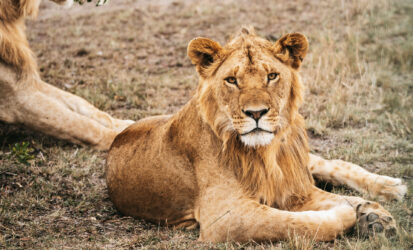
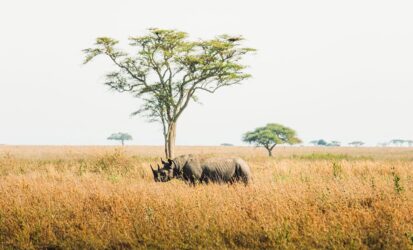
Ngorongoro is one of the most reliable places in Tanzania to see the Big Five in a single game drive. The dry season offers peak conditions, especially for spotting black rhinos and lions. January and February are also excellent, with warm temperatures and high wildlife density on the crater floor.

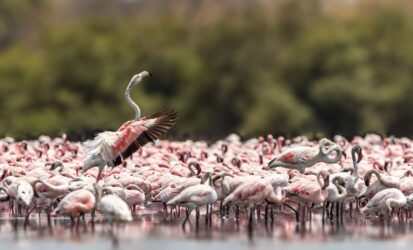
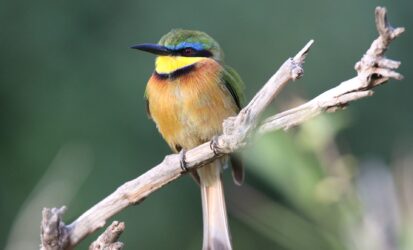
Birdwatching in Ngorongoro Conservation Area is strongest from November to April, when migratory species arrive and breeding activity increases. Soda lakes on the crater floor attract flamingos seasonally, while forested slopes and grasslands support a wide variety of raptors and resident birds year-round.

For classic Ngorongoro imagery, June to September is ideal. From October to April, the landscape turns greener, with dramatic skies, mist along the crater rim, and rich textures that create atmospheric photographic opportunities.
Ngorongoro Conservation Area experiences a mild highland climate, cooler than Tanzania’s lowland parks. Days are generally pleasant, with cool mornings and evenings, particularly along the crater rim. Daytime temperatures typically range from 60 – 80 °F (16 – 27 °C).

January
Clear conditions and excellent Big Five sightings.
February
Warm, stable weather with consistent wildlife activity.

March
Fresh landscapes and increasing bird activity.
April
Wettest month; dramatic skies and very low visitor numbers.
May
Rains ease, scenery remains vibrant and green.

July
Outstanding visibility and classic safari conditions.
August
Cool mornings, excellent predator sightings.
September
Dry, clear days with superb photographic light.

October
Dry early in the month with excellent crater visibility.
November
Greener scenery and vibrant birdlife.
Ngorongoro Conservation Area enjoys cool to mild temperatures year-round, typically ranging from 55 – 80 °F (13 – 27 °C). Dry seasons deliver optimal visibility and crisp light, while the green season enhances color, texture, and dramatic cloud formations across the crater and highlands.
General weather summary in November
Feel like
-
What to wear
-
Daylight length
-
Chance of rain
-
Amount
-
Wind speed
-
Humidity
-
Sunrise
-
Sunset
-
C°
Temperature
F°
30
20
10
0
86
68
50
32
General weather summary in December
Feel like
-
What to wear
-
Daylight length
-
Chance of rain
-
Amount
-
Wind speed
-
Humidity
-
Sunrise
-
Sunset
-
C°
Temperature
F°
30
20
10
0
86
68
50
32
General weather summary in January
Feel like
-
What to wear
-
Daylight length
-
Chance of rain
-
Amount
-
Wind speed
-
Humidity
-
Sunrise
-
Sunset
-
C°
Temperature
F°
30
20
10
0
86
68
50
32
General weather summary in February
Feel like
-
What to wear
-
Daylight length
-
Chance of rain
-
Amount
-
Wind speed
-
Humidity
-
Sunrise
-
Sunset
-
C°
Temperature
F°
30
20
10
0
86
68
50
32
General weather summary in March
Feel like
-
What to wear
-
Daylight length
-
Chance of rain
-
Amount
-
Wind speed
-
Humidity
-
Sunrise
-
Sunset
-
C°
Temperature
F°
30
20
10
0
86
68
50
32
General weather summary in April
Feel like
-
What to wear
-
Daylight length
-
Chance of rain
-
Amount
-
Wind speed
-
Humidity
-
Sunrise
-
Sunset
-
C°
Temperature
F°
30
20
10
0
86
68
50
32
General weather summary in May
Feel like
-
What to wear
-
Daylight length
-
Chance of rain
-
Amount
-
Wind speed
-
Humidity
-
Sunrise
-
Sunset
-
C°
Temperature
F°
30
20
10
0
86
68
50
32
General weather summary in June
Feel like
-
What to wear
-
Daylight length
-
Chance of rain
-
Amount
-
Wind speed
-
Humidity
-
Sunrise
-
Sunset
-
C°
Temperature
F°
30
20
10
0
86
68
50
32
General weather summary in July
Feel like
-
What to wear
-
Daylight length
-
Chance of rain
-
Amount
-
Wind speed
-
Humidity
-
Sunrise
-
Sunset
-
C°
Temperature
F°
30
20
10
0
86
68
50
32
General weather summary in August
Feel like
-
What to wear
-
Daylight length
-
Chance of rain
-
Amount
-
Wind speed
-
Humidity
-
Sunrise
-
Sunset
-
C°
Temperature
F°
30
20
10
0
86
68
50
32
General weather summary in September
Feel like
-
What to wear
-
Daylight length
-
Chance of rain
-
Amount
-
Wind speed
-
Humidity
-
Sunrise
-
Sunset
-
C°
Temperature
F°
30
20
10
0
86
68
50
32
General weather summary in October
Feel like
-
What to wear
-
Daylight length
-
Chance of rain
-
Amount
-
Wind speed
-
Humidity
-
Sunrise
-
Sunset
-
C°
Temperature
F°
30
20
10
0
86
68
50
32
Explore Ngorongoro through expertly curated safari itineraries that highlight the crater’s exceptional wildlife density, scenic highlands, and unique conservation model. Ngorongoro pairs seamlessly with Lake Manyara, the Serengeti, and Tarangire, forming the backbone of Tanzania’s northern safari circuit.


The Great African Rift Valley straddles Tanzania and is responsible for some of the most awe-inspiring landscapes in Africa. From fertile lakes to luscious volcanic craters, the passage of centuries h

Price From





Tucked away in the northern corner of Tanzania is a diverse eco-system, packed with wildlife and gorgeous volcanic landscapes. Here, you’ll find everything you’ve imagined possible on safari in Af

Price From


Jambo! Welcome to East Africa. Our 6-day Kenya & Tanzania Safari Adventure by Road gives our guests a ground-level view of the home of the African wildlife safari. Starting in Kenya, you’l
Price From
The Great African Rift Valley straddles Tanzania and is responsible for some of the most awe-inspiring landscapes in Africa. From fertile lakes to luscious volcanic craters, the passage of centuries h
Price From
Tucked away in the northern corner of Tanzania is a diverse eco-system, packed with wildlife and gorgeous volcanic landscapes. Here, you’ll find everything you’ve imagined possible on safari in Af
Price From
Jambo! Welcome to East Africa. Our 6-day Kenya & Tanzania Safari Adventure by Road gives our guests a ground-level view of the home of the African wildlife safari. Starting in Kenya, you’l
Price From
June – September and January – February offer the best wildlife visibility and weather conditions.
Yes. Wildlife remains present, landscapes are lush, and visitor numbers are lower.
Mild days, cool mornings and evenings, with seasonal rainfall typical of highland regions.
March – May, during the long rains, when some lodges offer reduced rates.
Yes. Conditions are warm, wildlife is active, and scenery is fresh and green.
November – April, during peak migratory and breeding seasons.
Absolutely. The crater’s permanent water and grazing support strong resident wildlife populations.
For peak dry-season travel, booking 6 – 12 months in advance is recommended.
Do you have any other questions?
Get in touch with one of our experts for a free consultation.









Personalized service by travel experts with first-hand knowledge

Customizable tours to your preference

400+ 5-star TripAdvisor and Google reviews

Booking Security - Money - back guarantee & 24/7 support
