Discover Its Beauty and Wildlife
| Activity |
Long Dry Season Jun–Sep |
Short Wet Season Oct–Nov |
Short Dry Season Dec–Feb |
Long Wet Season Mar–May |
|---|---|---|---|---|
| Elephant Viewing | Excellent | High | Excellent | Good |
| Predator Viewing | Excellent | Good | Excellent | Fair |
| Birdwatching | High | Excellent | Excellent | Good |
| Photography | Excellent | Good | Excellent | Fair |

Tarangire National Park is renowned for its large elephant populations, particularly during the long dry season from June to September. As water sources outside the park dry up, elephants congregate along the Tarangire River, creating some of the most dramatic elephant viewing in Tanzania. The December to February short dry season is also rewarding, offering excellent sightings with fewer visitors.

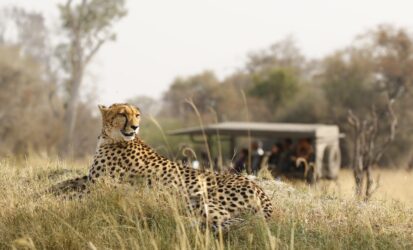
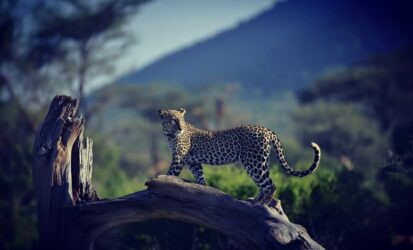
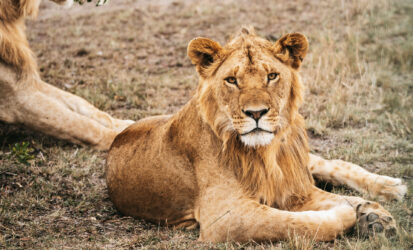
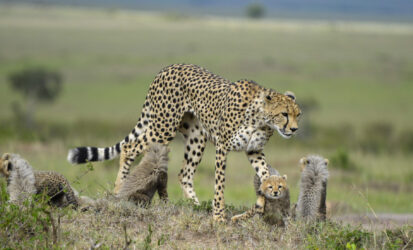
Lions, leopards, and cheetahs are present year-round in Tarangire, but visibility is highest during the dry months when prey concentrates near water. The June to September period delivers peak predator sightings, while January and February remain excellent for relaxed game drives and strong daytime activity.

Birdwatching in Tarangire is at its best from November to April, when migratory species arrive and breeding activity peaks. The park supports more than 500 bird species, with wetlands, riverine areas, and woodlands attracting everything from colorful bee-eaters to large birds of prey.

For classic Tarangire photography (elephants beneath baobab trees, dust trails, and wide open skies), the long dry season (June to September) is ideal. From October to April, the park turns greener, with dramatic cloud formations and softer light that create atmospheric and highly textured images.
Tarangire National Park experiences a warm savanna climate, with temperatures influenced by season rather than altitude. Days are generally warm, with cooler mornings and evenings. Daytime temperatures typically range from 70 – 90 °F (21 – 32 °C).

January
Warm conditions with excellent general wildlife viewing.
February
Strong predator activity and ideal photography conditions.

March
Fresh greenery and increasing bird activity.
April
Wettest month; dramatic skies and low visitor numbers.
May
Rains ease; landscapes remain vivid and scenic.

July
Outstanding elephant concentrations.
August
Excellent predator sightings and crisp light.
September
Dry, clear conditions with prime photography.

October
Dry early in the month with strong visibility.
November
Greener scenery and returning migratory birds.
Tarangire National Park experiences warm temperatures year-round, typically ranging from 65 – 90 °F (18 – 32 °C). Dry seasons deliver optimal wildlife concentration and visibility, while the green season enhances color, texture, and dramatic skies.
General weather summary in November
Feel like
-
What to wear
-
Daylight length
-
Chance of rain
-
Amount
-
Wind speed
-
Humidity
-
Sunrise
-
Sunset
-
C°
Temperature
F°
30
20
10
0
86
68
50
32
General weather summary in December
Feel like
-
What to wear
-
Daylight length
-
Chance of rain
-
Amount
-
Wind speed
-
Humidity
-
Sunrise
-
Sunset
-
C°
Temperature
F°
30
20
10
0
86
68
50
32
General weather summary in January
Feel like
-
What to wear
-
Daylight length
-
Chance of rain
-
Amount
-
Wind speed
-
Humidity
-
Sunrise
-
Sunset
-
C°
Temperature
F°
30
20
10
0
86
68
50
32
General weather summary in February
Feel like
-
What to wear
-
Daylight length
-
Chance of rain
-
Amount
-
Wind speed
-
Humidity
-
Sunrise
-
Sunset
-
C°
Temperature
F°
30
20
10
0
86
68
50
32
General weather summary in March
Feel like
-
What to wear
-
Daylight length
-
Chance of rain
-
Amount
-
Wind speed
-
Humidity
-
Sunrise
-
Sunset
-
C°
Temperature
F°
30
20
10
0
86
68
50
32
General weather summary in April
Feel like
-
What to wear
-
Daylight length
-
Chance of rain
-
Amount
-
Wind speed
-
Humidity
-
Sunrise
-
Sunset
-
C°
Temperature
F°
30
20
10
0
86
68
50
32
General weather summary in May
Feel like
-
What to wear
-
Daylight length
-
Chance of rain
-
Amount
-
Wind speed
-
Humidity
-
Sunrise
-
Sunset
-
C°
Temperature
F°
30
20
10
0
86
68
50
32
General weather summary in June
Feel like
-
What to wear
-
Daylight length
-
Chance of rain
-
Amount
-
Wind speed
-
Humidity
-
Sunrise
-
Sunset
-
C°
Temperature
F°
30
20
10
0
86
68
50
32
General weather summary in July
Feel like
-
What to wear
-
Daylight length
-
Chance of rain
-
Amount
-
Wind speed
-
Humidity
-
Sunrise
-
Sunset
-
C°
Temperature
F°
30
20
10
0
86
68
50
32
General weather summary in August
Feel like
-
What to wear
-
Daylight length
-
Chance of rain
-
Amount
-
Wind speed
-
Humidity
-
Sunrise
-
Sunset
-
C°
Temperature
F°
30
20
10
0
86
68
50
32
General weather summary in September
Feel like
-
What to wear
-
Daylight length
-
Chance of rain
-
Amount
-
Wind speed
-
Humidity
-
Sunrise
-
Sunset
-
C°
Temperature
F°
30
20
10
0
86
68
50
32
General weather summary in October
Feel like
-
What to wear
-
Daylight length
-
Chance of rain
-
Amount
-
Wind speed
-
Humidity
-
Sunrise
-
Sunset
-
C°
Temperature
F°
30
20
10
0
86
68
50
32
Explore Tarangire through expertly designed safari itineraries that highlight its elephant herds, baobab landscapes, and seasonal wildlife movement. Tarangire pairs seamlessly with Lake Manyara, Ngorongoro Crater, and the Serengeti, forming a key part of Tanzania’s northern safari circuit.





The most striking thing about this action-packed safari in Tanzania is the sheer number and variety of animals you will see in some extraordinary wildlife parks. Starting in Arusha, we explore Tanzani

Price From





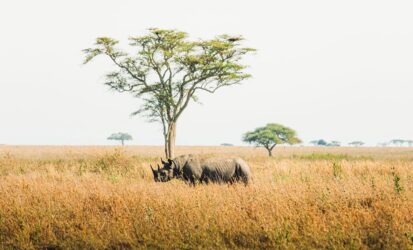
Tucked away in the northern corner of Tanzania is a diverse eco-system, packed with wildlife and gorgeous volcanic landscapes. Here, you’ll find everything you’ve imagined possible on safari in Af

Price From
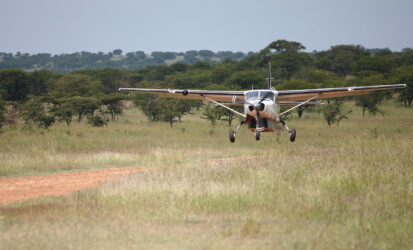


Jambo! Welcome to Tanzania. Africa Flash McTours proudly presents our magnificent 9-day Northern Circuit Fly-In Safari. This remarkable itinerary has been carefully curated to reveal the wonders
Price From
The most striking thing about this action-packed safari in Tanzania is the sheer number and variety of animals you will see in some extraordinary wildlife parks. Starting in Arusha, we explore Tanzani
Price From
Tucked away in the northern corner of Tanzania is a diverse eco-system, packed with wildlife and gorgeous volcanic landscapes. Here, you’ll find everything you’ve imagined possible on safari in Af
Price From
Jambo! Welcome to Tanzania. Africa Flash McTours proudly presents our magnificent 9-day Northern Circuit Fly-In Safari. This remarkable itinerary has been carefully curated to reveal the wonders
Price From
June – September and January – February offer the best wildlife visibility.
Yes. Wildlife remains present, and the park is quieter and beautifully green.
Warm days, cooler mornings and evenings, with seasonal rainfall.
March – May, during the long rains, when some lodges offer reduced rates.
Yes. Wildlife is active, landscapes are scenic, and crowds are manageable.
November – April, during peak migratory and breeding seasons.
Absolutely. Resident wildlife and the Tarangire River support consistent sightings.
For peak dry-season travel (June – September), booking 6 – 12 months in advance is recommended.
Do you have any other questions?
Get in touch with one of our experts for a free consultation.









Personalized service by travel experts with first-hand knowledge

Customizable tours to your preference

400+ 5-star TripAdvisor and Google reviews

Booking Security - Money - back guarantee & 24/7 support
