Take a look at this story
There’s a reason the phrase African Big Five safaris continues to define the dream safari experience. Long before travelers began crossing continents in search of wildlife encounters, the Big Five represented Africa at its wildest. Today, they remain the continent’s most iconic animals, not because they are the rarest, but because seeing them in the wild still feels extraordinary.
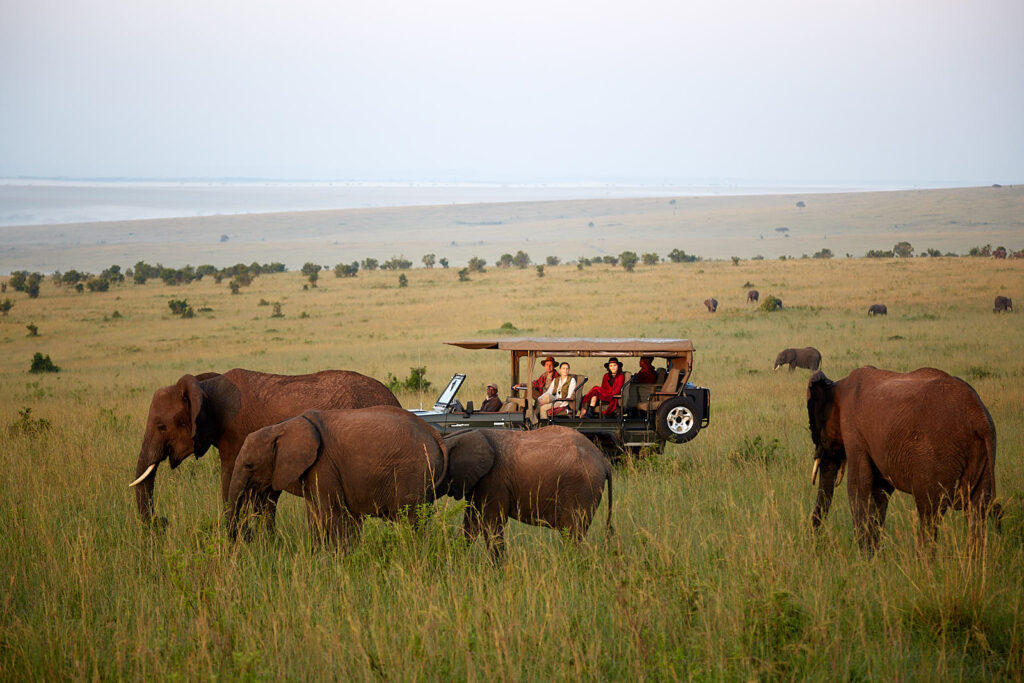
A lion emerging from golden grass at sunrise. A leopard stretched across the branch of a sausage tree. A herd of elephants moving silently through the dust. These are the moments that shape safaris in Kenya, Tanzania, Uganda, and Rwanda.
Originally coined by hunters to describe the five most dangerous animals to hunt on foot, the term “Big Five” has evolved into something far more meaningful. Today, safaris are rooted in conservation, photography, wildlife preservation, and responsible tourism. Seeing the Big Five animals is no longer about conquest; it’s about witnessing some of the planet’s most powerful species in their natural habitats.
East Africa remains one of the best regions in the world for African Big Five safaris. Kenya and Tanzania bring classic savannah safaris with exceptional predator sightings, while Uganda and Rwanda combine traditional game viewing with rainforest adventures and conservation-led travel experiences.
The Big Five animals are:
Each animal earned its place for different reasons. Some are powerful predators, others unpredictable herbivores, and some are critically endangered conservation successes. Together, they represent Africa’s most iconic wildlife species.
What makes Big Five safaris so compelling is the unpredictability. Every sighting feels earned. Unlike controlled wildlife experiences, safaris in East Africa happen naturally and differently every day, working in nature’s timing.

The Big Five animals are more than safari symbols. They are ecological engineers who shape the landscapes around them. Elephants open migration routes through dense vegetation. Lions help regulate herbivore populations. Rhinos influence grazing systems. Buffalo contribute to grassland dynamics, while leopards maintain balance among smaller prey species. Protecting these animals means protecting entire ecosystems.
For travelers, the appeal lies in the emotional intensity of the encounters themselves. There’s a profound difference between seeing wildlife and truly experiencing it: hearing lions roar in the distance at night, watching elephants interact with calves, or tracking fresh leopard prints at dawn with an experienced guide. This emotional connection is what continues to make African Big Five safaris so powerful.

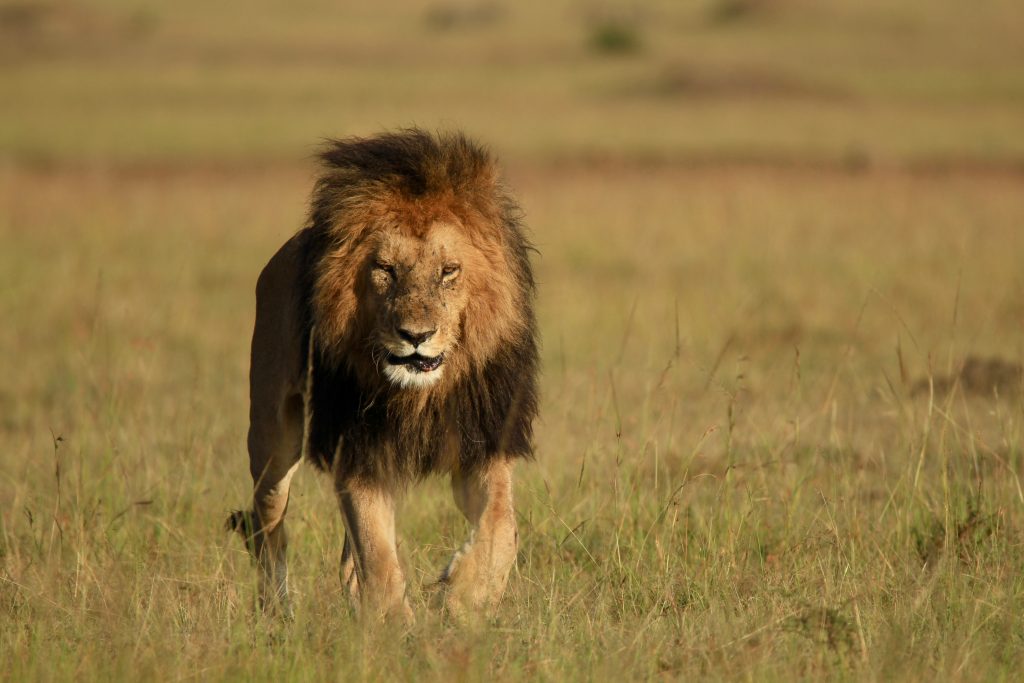
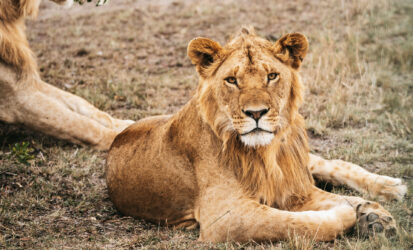
Few wildlife sightings rival the impact of seeing a lion in the wild. Lions embody the drama and intensity of the African savannah, whether they’re resting beneath acacia trees or stalking prey across open plains.
Unlike other big cats, lions live in prides, creating complex family dynamics that make sightings especially fascinating. Cubs play together while lionesses coordinate hunts and dominant males patrol territories.

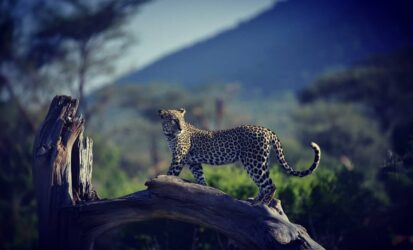
Leopards are masters of camouflage. Solitary, intelligent, and almost impossible to spot until they move, they are often considered the hardest member of the Big Five animals to find.
Leopard sightings feel especially exciting because they require patience, timing, and experienced guiding. One moment, the bush appears empty, the next, a leopard materializes silently from the shadows.
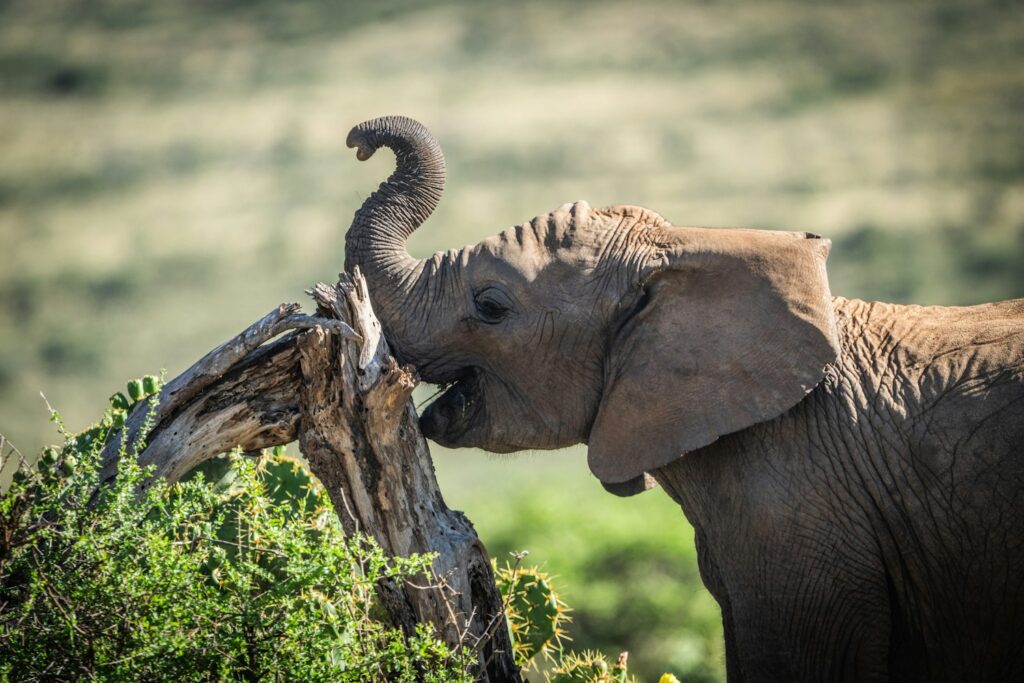
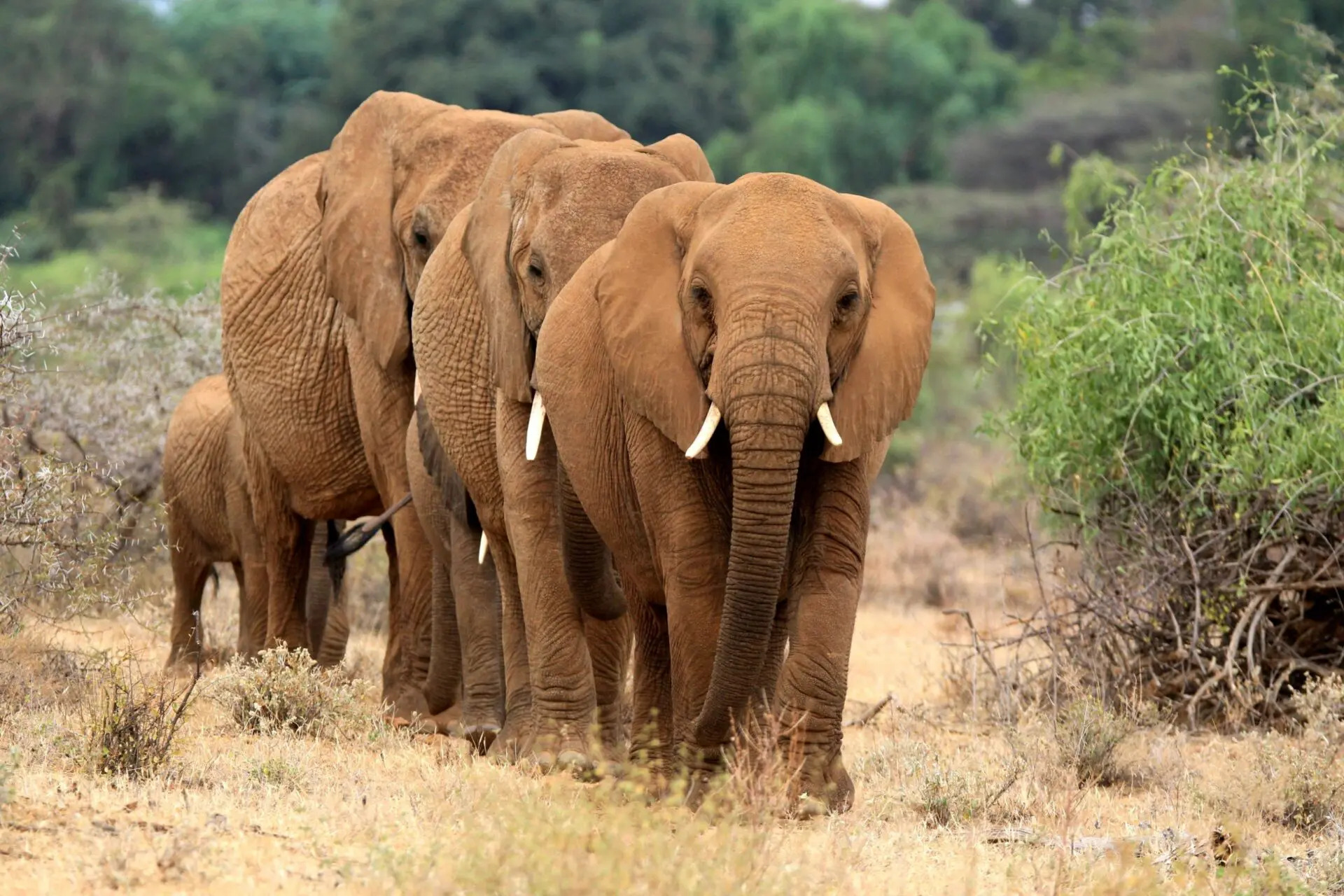
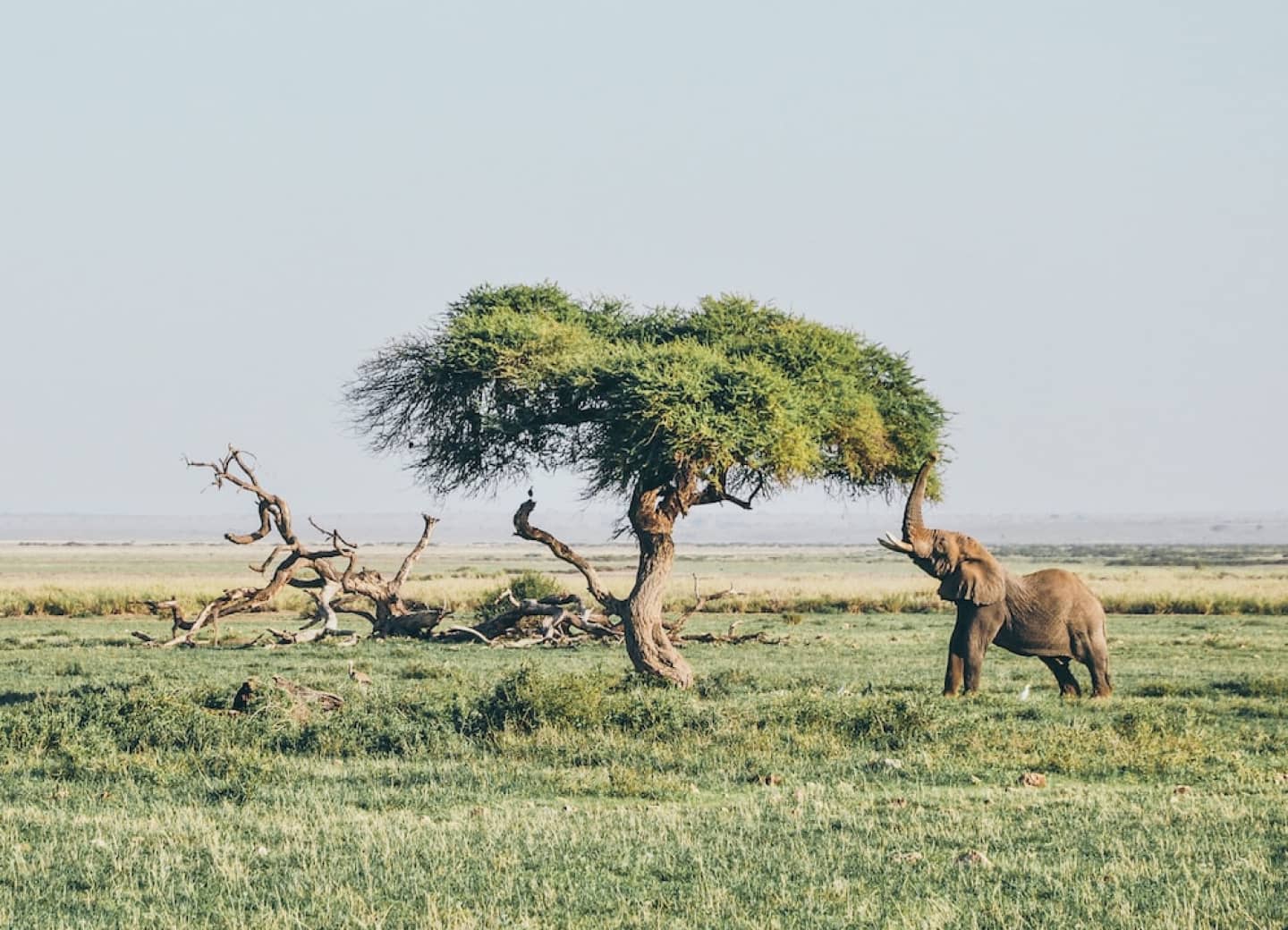
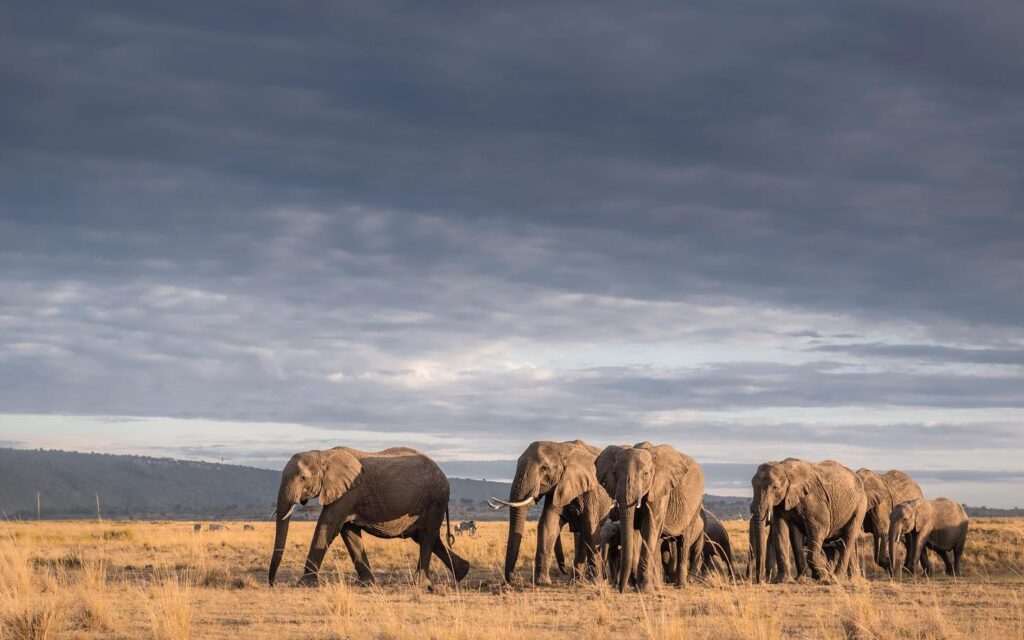
African elephants are among the most emotionally intelligent animals on Earth. Watching elephant herds interact reveals remarkable family bonds, communication, and protective behavior. Despite their immense size, elephants often move quietly through the landscape. Seeing them at close range is one of safari’s most humbling experiences.

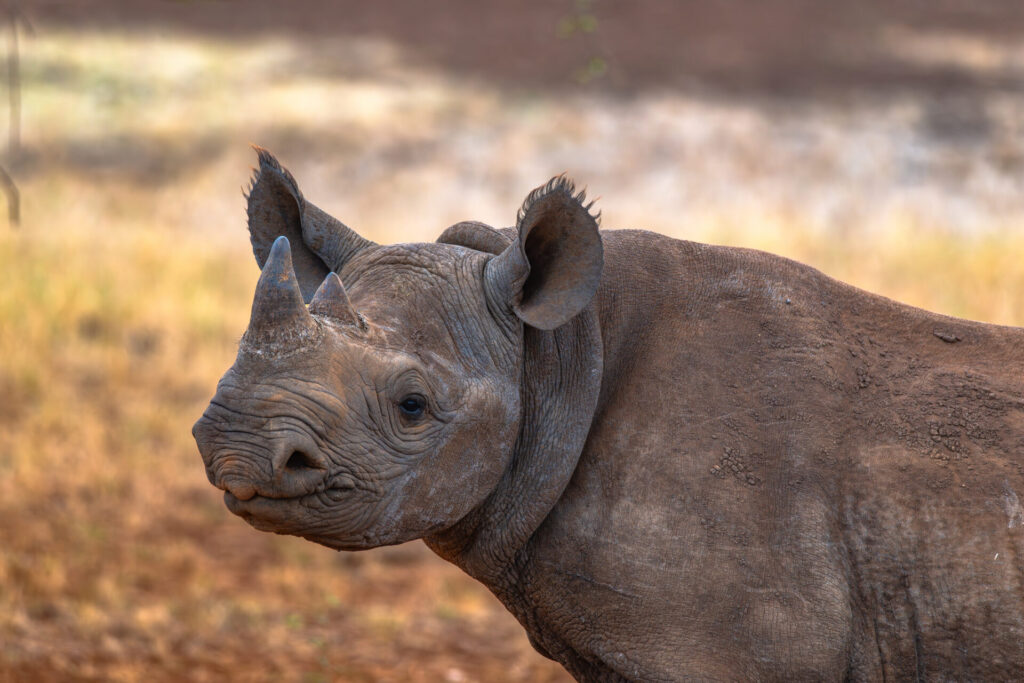
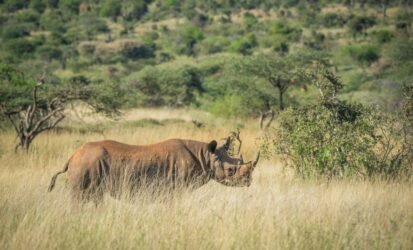
Rhinos are among the rarest animals travelers encounter on African Big Five safaris. Their prehistoric appearance and critically endangered status make every sighting feel significant. Both black and white rhinos exist in East Africa, although black rhinos are more common in protected conservancies.
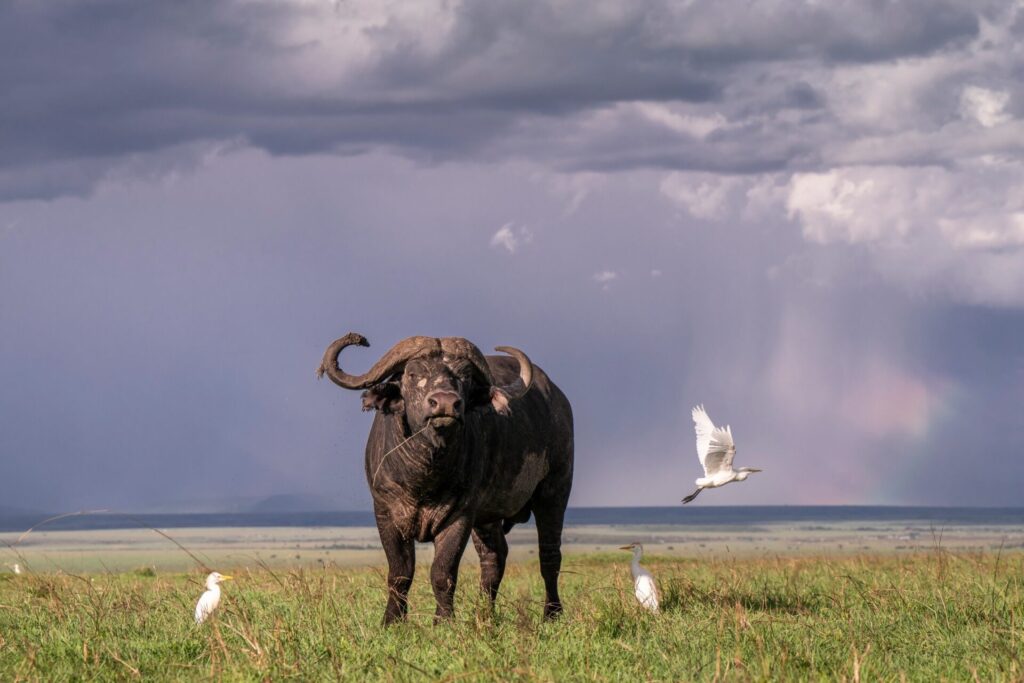
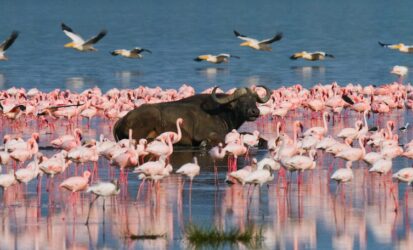
Buffalo are often overshadowed by lions and leopards, yet they are among Africa’s most formidable animals. Highly defensive and incredibly resilient, buffalo are known for their unpredictability and strong herd instincts. Large herds moving across open plains create some of safari’s most dramatic wildlife scenes.
| Destination | Chances of Seeing All Big Five | Best Time to Visit | Highlights |
| Masai Mara | Excellent | July – October | Migration & Predators |
| Serengeti & Ngorongoro | Excellent | Year-Round | Classic Safari Landscapes |
| Akagera National Park | Very Good | June – September | Rwanda’s Only Big Five Park |
| Queen Elizabeth & Murchison Falls | Moderate | December – February | Combine with Gorilla Trekking |
Kenya brings classic safari experiences with excellent wildlife density, strong conservation models, and luxury private conservancies.
Best for:
Tanzania delivers vast wilderness areas and some of Africa’s most iconic safari landscapes.
Best for:
Uganda combines traditional game drives with rainforest adventures and primate trekking.
Best for:
Rwanda has conservation-led luxury travel experiences with fewer crowds and exceptional service standards.
Best for:
| Animal | Best Months | Why |
| Lion | June – October | Easier predator sightings |
| Leopard | June – October | Sparse vegetation improves visibility |
| Elephant | July – October | Gather near water sources |
| Rhino | Year-Round | Protected conservancies improve sightings |
| Buffalo | Year-Round | Common throughout East Africa |
The cost for African Big Five safaris varies significantly depending on season, accommodation style, and level of exclusivity.
| Safari Style | Average Cost Per Person Per Night |
| Mid-Range Safari | $450 – $800 |
Luxury Safari | $900 – $2,500 |
| Ultra-Luxury Safari | $3,000+ |

Many East Africa travelers choose between traditional safaris and gorilla trekking safaris.
| African Big Five Safaris | Gorilla Trekking |
| Open savannah landscapes | Dense rainforest environments |
| Vehicle-based wildlife viewing | Hiking-focused experience |
| Multiple species sightings | Singular primate encounter |
| Strong photographic opportunities | Intimate wildlife interaction |
| Accessible for most fitness levels | Moderate fitness required |
For many travelers, combining both experiences creates the ultimate East Africa itinerary.
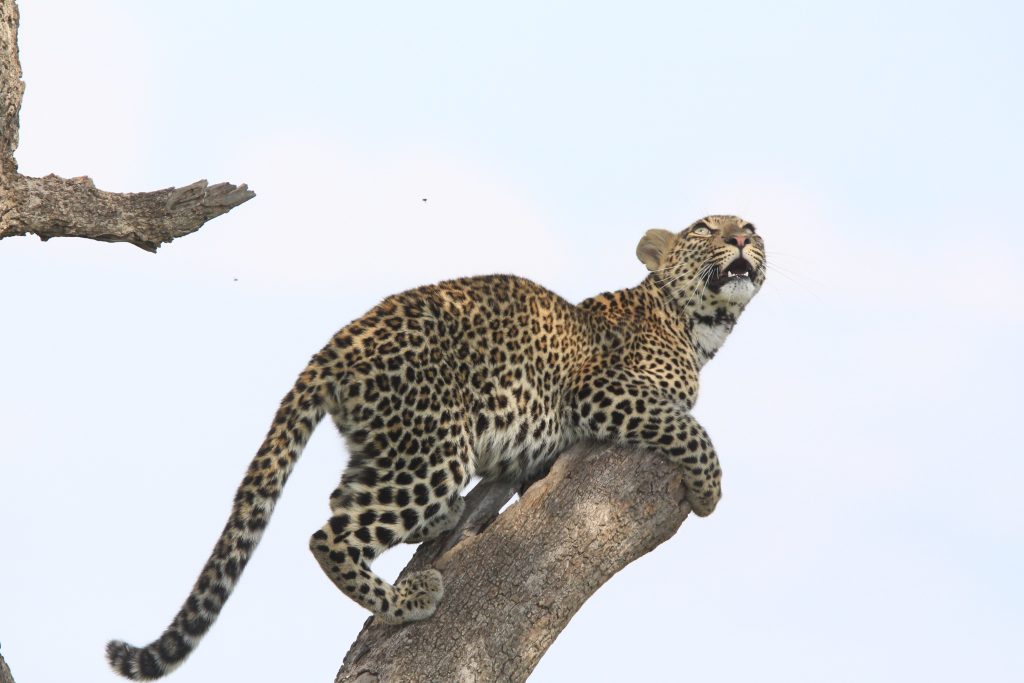
Wildlife photography is one of the highlights of African Big Five safaris.
Although conservation efforts across East Africa have achieved major successes, the Big Five animals continue to face significant threats.
Fortunately, responsible safari tourism plays an important role in supporting conservation funding, anti-poaching initiatives, and local community programs.
Why are they called the Big Five?
The term originally referred to the five most dangerous animals to hunt on foot.
Which Big Five animal is hardest to see?
Leopards are generally considered the most elusive.
Can you see the Big Five in Rwanda?
Yes. Akagera National Park is Rwanda’s only Big Five safari destination.
Which country is best for African Big Five safaris?
Kenya and Tanzania are generally considered the strongest overall Big Five safari destinations.
How many days do you need for a Big Five safari?
A minimum of 5 – 7 days is recommended for a comprehensive experience.
Are Big Five safaris safe?
Yes, when guided by professional safari experts and park guides.
What should you wear on safari?
Neutral-colored, lightweight clothing works best.
Are Big Five safaris ethical?
Responsible safari operators directly support conservation and local communities.
The Big Five animals remain central to Africa’s safari identity because they represent something timeless: raw wilderness, survival, and the extraordinary complexity of the natural world. Whether you’re tracking lions across the Serengeti, photographing elephants in Amboseli, searching for leopards in the Masai Mara, or combining rhino sightings with gorilla trekking in Rwanda, African Big Five safaris are about far more than checking animals off a list; it’s about witnessing Africa at its wildest.




This ten day safari gives nature lovers an extended and diverse view of Kenya; its wildlife, its wonderful landscapes and its warm-hearted people. Given the country’s natural heritage, it’s only
Price From

Taking in the icons of safari in Africa, this tour will show the wonders of the Masai Mara National Reserve, explore the lakes of the Rift Valley, and show you the wonders of Amboseli National Park. T

Price From




Whatever type of holiday adventure you seek, East Africa can offer it. This safari, covering two countries and a whole host of different landscapes and experiences, will have something to keep everyon

Price From
This ten day safari gives nature lovers an extended and diverse view of Kenya; its wildlife, its wonderful landscapes and its warm-hearted people. Given the country’s natural heritage, it’s only
Price From
Taking in the icons of safari in Africa, this tour will show the wonders of the Masai Mara National Reserve, explore the lakes of the Rift Valley, and show you the wonders of Amboseli National Park. T
Price From
Whatever type of holiday adventure you seek, East Africa can offer it. This safari, covering two countries and a whole host of different landscapes and experiences, will have something to keep everyon
Price From
If you don't want to miss useful and interesting articles, leave us your email.
Also you will be the first to know about all discounts and offers.









Personalized service by travel experts with first-hand knowledge

Customizable tours to your preference

400+ 5-star TripAdvisor and Google reviews

Booking Security - Money - back guarantee & 24/7 support