Take a look at this story
Planning a safari in Kenya often begins with one important decision: should you fly or drive? People researching Kenya safari packages quickly discover that there are two main ways to experience the country’s most famous wildlife destinations. A fly-in safari option lets you travel by light aircraft directly into the bush, while a road safari takes you overland through Kenya’s diverse landscapes in a dedicated safari vehicle.
Both options can deliver an exceptional Kenya wildlife safari, and both provide access to iconic destinations such as the Masai Mara. The right choice depends on your budget, available time, comfort preferences, and the type of experience you want from your safari. This guide compares fly-in and road safaris side by side to help you decide which option is best for your trip.
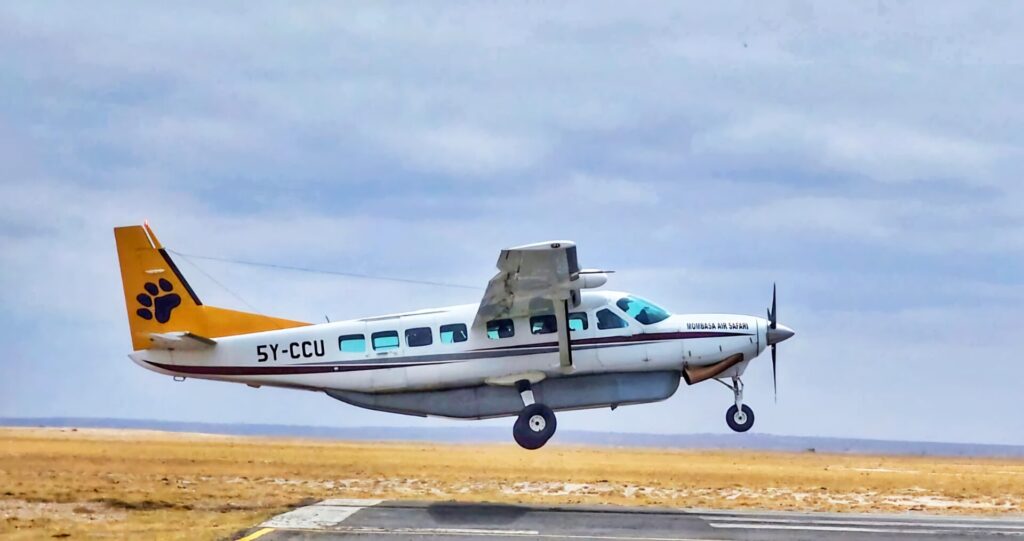
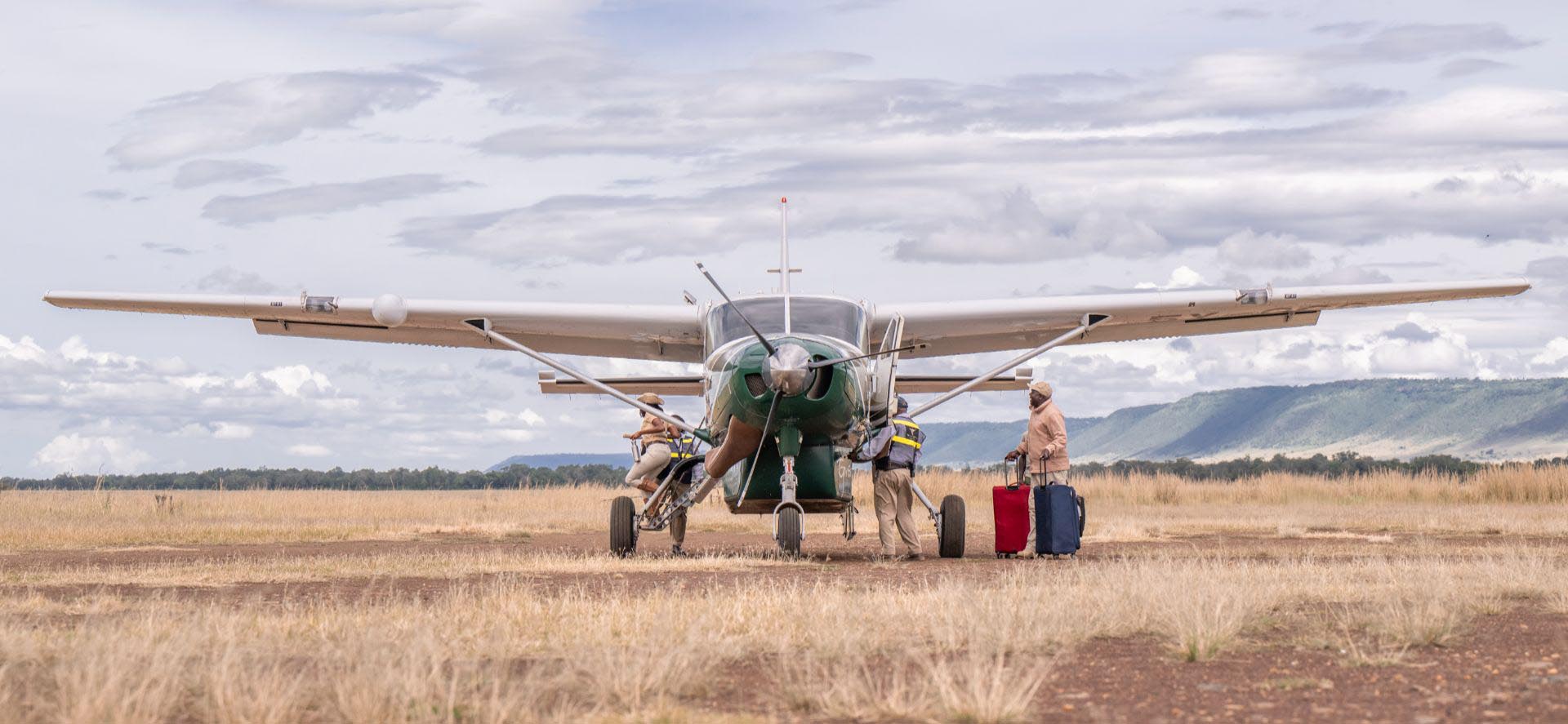
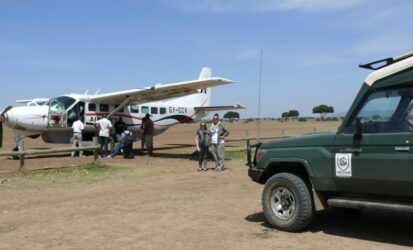
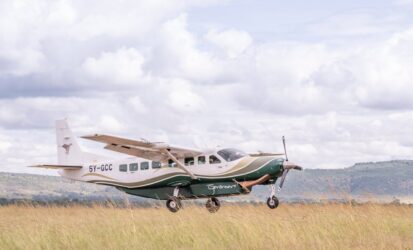
A fly-in safari eliminates the long road transfer between Nairobi or Mombasa and Kenya’s safari destinations by using scheduled or charter flights. Instead of spending hours driving, you fly directly into the reserve and begin your safari shortly after landing.
For many travelers, particularly those with limited vacation time, this is the most efficient way to experience a 3-day fly-in safari from Nairobi or a 4-day fly-in from Mombasa to the Masai Mara.
Most fly-in safaris begin at either Wilson Airport in Nairobi, Kenya’s domestic safari aviation hub, or Moi International Airport in Mombasa for travelers already enjoying Kenya’s coast. You will board a small aircraft and fly directly to an airstrip located inside or close to your chosen reserve. Flights from Nairobi to the Masai Mara typically take around 45 minutes, while flights from Mombasa generally take between one and a half and two hours, depending on the routing and any scheduled stops.
The experience feels very different from commercial air travel. Aircraft are smaller, passenger numbers are limited, and the journey itself becomes part of the adventure. Shortly after departure, you are treated to aerial views of Kenya’s remarkably diverse landscapes.
Because travel times are significantly reduced, fly-in safaris lets you spend more time enjoying game drives, nature walks or hot air balloon safaris and less time is spent in transit. This makes them particularly appealing for shorter itineraries, families, honeymooners, and travelers combining a safari with a stay along Kenya’s coast.
Several airstrips provide access to different regions of the ecosystem, including:
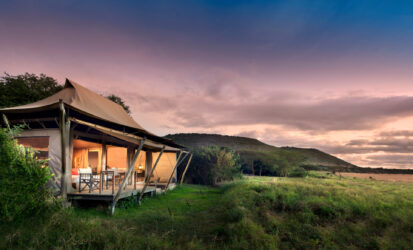
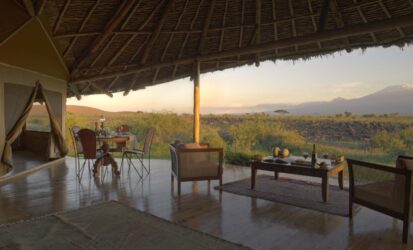
The airstrip used depends on the location of your camp or lodge. Many luxury properties are situated within private conservancies or prime wildlife areas, making transfers from the airstrip quick and convenient.
Most Masai Mara fly-in safari packages and other destinations include:
The primary advantage is efficiency. Instead of spending a significant portion of your itinerary on the road, you spend more time enjoying wildlife encounters.
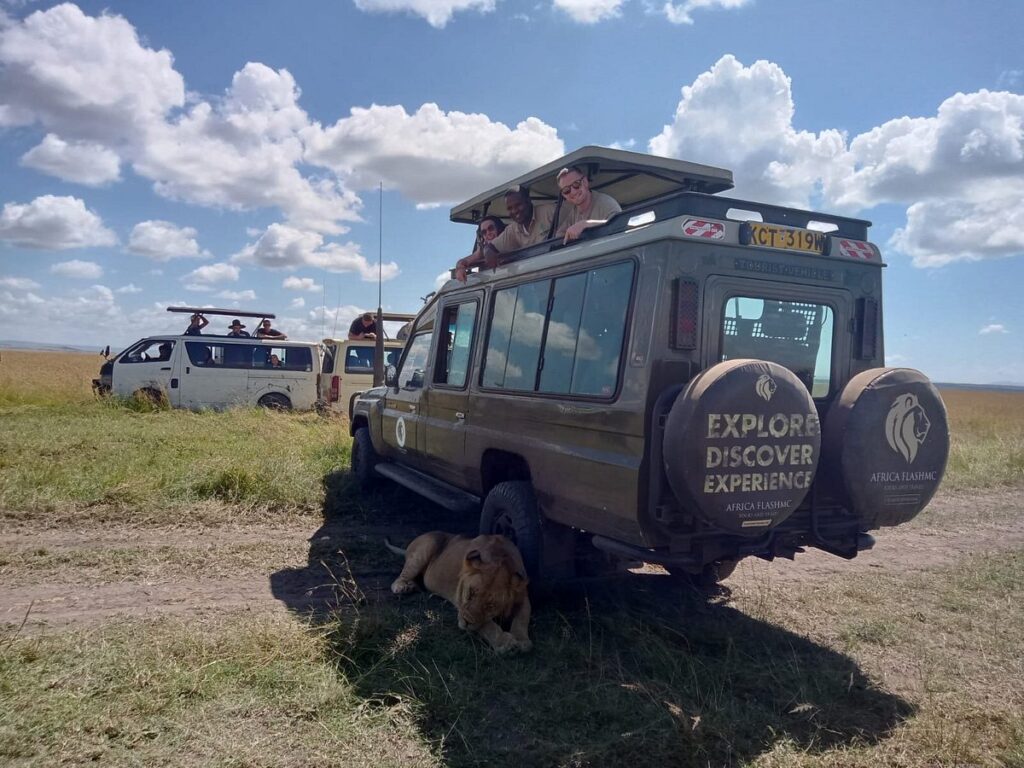
A road safari in Kenya is the traditional way to experience the country’s national parks and reserves. Travelers depart Nairobi in a purpose-built 4×4 safari vehicle accompanied by a professional guide and travel directly to their chosen destination. For decades, road safaris have been the foundation of many Kenya safari packages, particularly for first-time visitors and budget-conscious travelers. This is also a great option for a 2-day road safari from Nairobi.
Most road safaris begin with a morning departure from Nairobi. The journey itself forms part of the experience, with travelers stopping at viewpoints, local attractions, and scenic landmarks along the route before reaching the reserve. Upon arrival, safari activities begin immediately, often with an afternoon game drive.
One of the most common questions travelers ask is: how long is the journey from Nairobi to the Masai Mara?
The drive typically takes between four and six hours depending on road conditions, traffic leaving Nairobi, and the location of your lodge. The route passes through the dramatic Great Rift Valley, bringing spectacular scenery and excellent photographic opportunities along the way. Many travellers enjoy seeing more of Kenya beyond the wildlife reserves themselves, making the road journey an attraction in its own right.
Most road safari packages include:
Road safaris generally offer excellent value and remain one of the most affordable ways to experience a masai mara tour.
| Factor | Fly-In Safari | Road Safari |
| Travel Time | Around 45 minutes flight | 4 – 6 hours drive |
| Cost | Higher | More affordable |
| Scenic Views | Aerial views of Kenya | Great Rift Valley landscapes |
| Comfort | Minimal travel fatigue | Longer travel days |
| Time in Reserve | Maximum wildlife viewing | Less time on shorter itineraries |
| Best For | Luxury travelers, honeymooners, families with limited time | Budget travelers, first-time visitors, groups |
| Accommodation | Often mid-range to luxury camps | Budget, mid-range and luxury options |
Cost is often the biggest deciding factor when comparing safari styles. While both options can deliver exceptional wildlife experiences, the transportation method significantly influences overall pricing.
A typical fly-in safari in Kenya starts from approximately USD 1,300 per person and can increase significantly depending on accommodation standards, season, and exclusivity. Luxury camps, private conservancies, and peak migration periods naturally command higher rates.
Travellers are paying for:
For many honeymooners and luxury travellers, the additional cost is justified by the overall experience.
A road safari in Kenya can start from as little as USD 305 per person, making it one of the most accessible ways to enjoy a Kenya wildlife safari. The lower cost comes from replacing domestic flights with road transfers while still providing access to the same wildlife-rich destinations. For travelers seeking maximum value, road safaris are an excellent option.
The timing of your safari has a major influence on pricing. Peak season generally runs from July through October when the Great Wildebeest Migration moves through the Masai Mara. During this period, accommodation rates, flight prices, and park demand all increase.
The shoulder seasons often provide better value while still delivering excellent wildlife viewing opportunities. Travellers wanting a deeper understanding of pricing should read our full Kenya safari cost guide before booking.
One common misconception is that flying automatically results in better wildlife viewing. In reality, both options provide access to the same wildlife ecosystem. The difference lies in how much time you spend getting there.
The Masai Mara operates under a park entry system that influences game drive schedules.
Most camps structure activities around early morning and late afternoon wildlife viewing, when animals are most active. A fly-in itinerary often lets travelers arrive in time for additional game drives that might otherwise be lost to road travel.
On shorter itineraries, this can make a noticeable difference to overall safari time. For example, a three-day fly-in safari may include nearly two full days of wildlife viewing, whereas a three-day road itinerary may sacrifice several hours to overland transfers.

While game drives are the centerpiece of any Kenya wildlife safari, you can choose to add experiences that provide a different perspective on the Masai Mara and its surrounding communities.
Guided Nature Walks
In certain conservancies and private reserves, you can explore the wilderness on foot alongside experienced guides. These walks bring an entirely different pace from a game drive, focusing on animal tracks, insects, medicinal plants, and the rich birdlife that thrives throughout the ecosystem. It is an opportunity to appreciate the smaller details of the bush that are often missed from a vehicle.
Maasai Cultural Visits
Many safari itineraries also have the opportunity to visit a traditional Maasai village. Spending time with the Maasai provides meaningful insight into one of East Africa’s most recognizable cultures, from traditional customs and cattle-herding practices to daily life and community traditions. These encounters add a deeper understanding of the people who have lived alongside wildlife for generations.
Hot Air Balloon Safaris
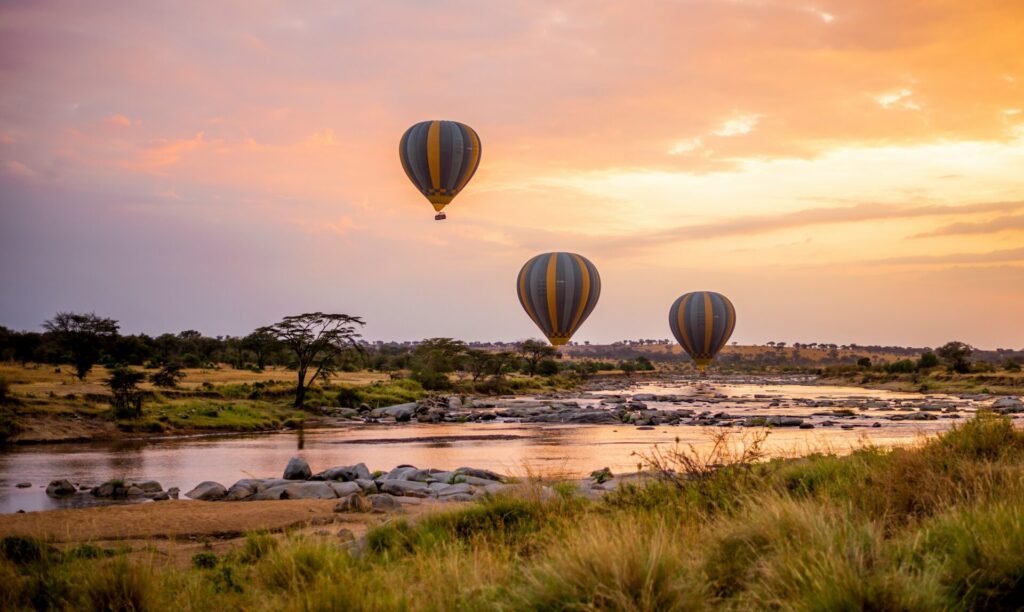
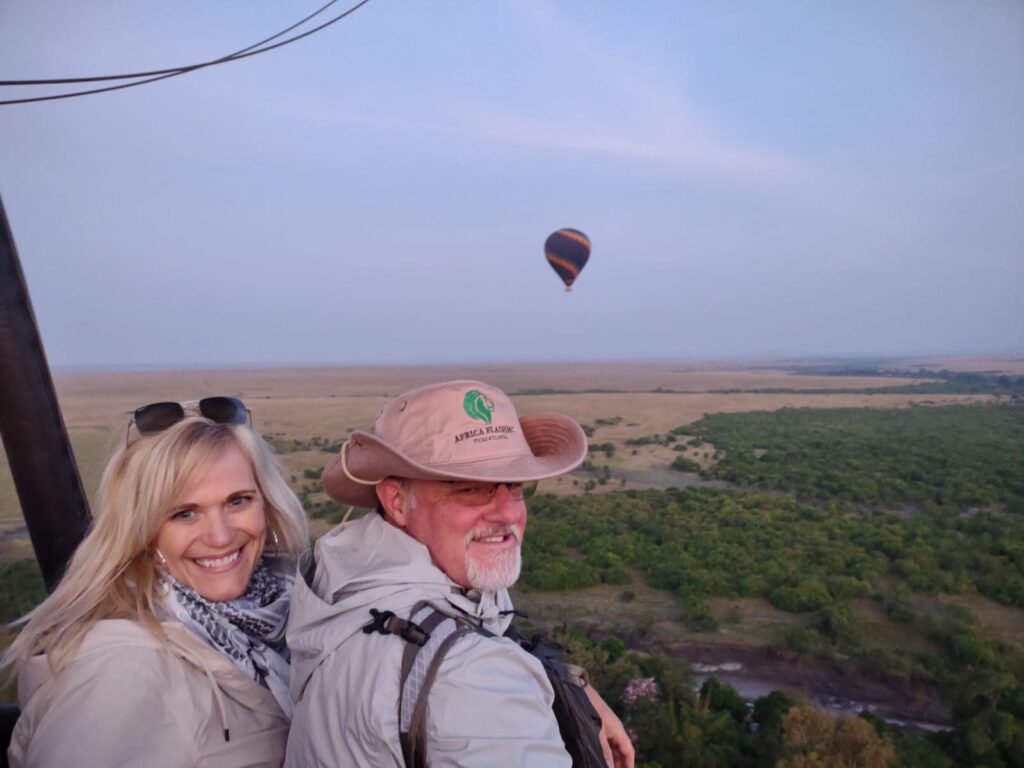
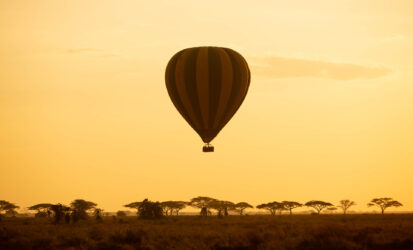
For a truly incredible experience, sunrise hot air balloon safaris bring a completely different perspective of the Masai Mara. Drifting silently above the plains as the first light reaches the savannah reveals wildlife movements that cannot be appreciated from the ground. It is often considered one of Kenya’s most memorable safari experiences and pairs particularly well with shorter fly-in itineraries, where maximizing time in the reserve is a priority.
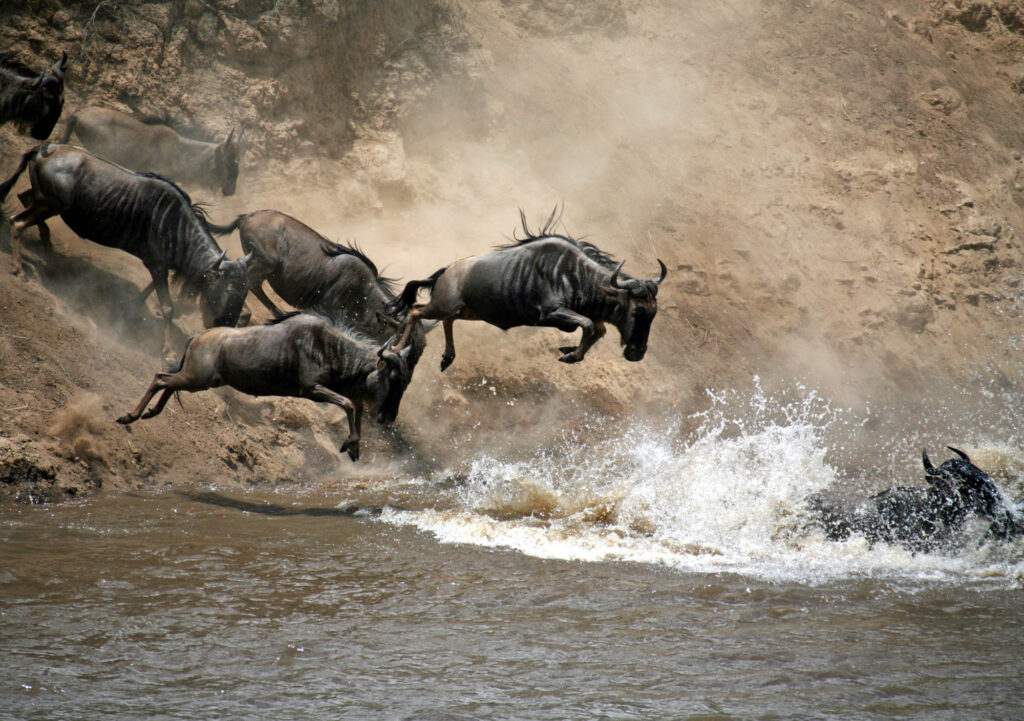
The best time to visit the Masai Mara depends on your priorities. For the Great Wildebeest Migration, July through October is considered the prime period. River crossings, predator activity, and high wildlife concentrations create some of Africa’s most dramatic safari experiences.
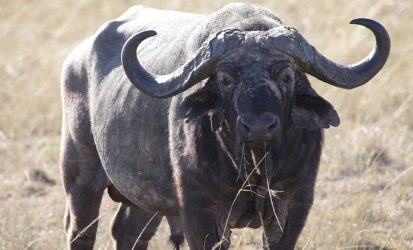
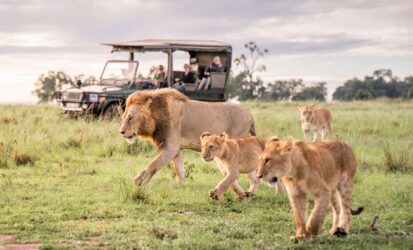
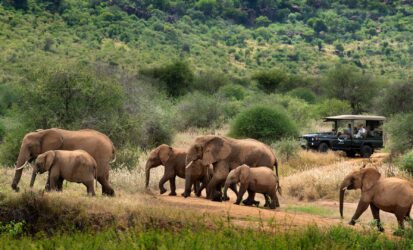
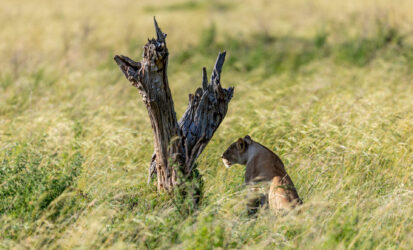
Outside migration season, the Masai Mara remains one of Africa’s finest year-round wildlife destinations. Resident populations of lions, cheetahs, elephants, buffalo, giraffes, and countless other species ensure excellent game viewing throughout the year.
While wildlife is often the primary focus of a safari, the journey itself can have a major impact on the overall experience.
A fly-in safari is often ideal for:
If your goal is to maximize wildlife viewing while minimizing transit time, a Masai Mara fly-in safari is often the best choice. The aerial views alone provide a unique perspective of Kenya’s landscapes, rivers, and wildlife areas.
A road safari is often best suited to:
The drive from Nairobi to Masai Mara has valuable insight into the country’s geography, communities, and landscapes. You’ll find that the overland journey becomes a memorable part of the adventure rather than simply transportation.
Can You Combine a Fly-In Safari and a Road Safari in One Trip?
Yes. Many travelers combine both styles, especially on longer Kenya safari packages. For example, you could drive from Nairobi to Lake Nakuru or Amboseli, then fly into the Masai Mara for the final part of your safari. This gives you the variety of a road journey with the time-saving benefit of a fly-in safari.
Are Fly-In Safaris Safe in Kenya?
Yes, fly-in safaris in Kenya are widely used by safari operators and lodges. Flights are usually operated by experienced bush pilots who understand remote airstrip conditions. Aircraft are smaller than commercial planes, but they are designed for short safari routes and scheduled domestic travel.
How Much Luggage Can You Take on a Fly-In Safari?
Most safari flights have strict luggage limits, usually requiring soft-sided bags rather than hard suitcases. This is because small aircraft have limited storage space. You should check luggage restrictions before packing, especially if you are combining your safari with a longer Kenya or beach itinerary.
Is a Road Safari Too Long for Children?
Not always. A road safari in Kenya can work well for families if the itinerary is planned carefully, with comfort stops and enough time at the destination. However, for very young children or travellers who struggle with long drives, a fly-in option may be more comfortable.
Which Safari Is Better for Photography?
Both can be excellent for photography. A road safari has scenic stops along the Great Rift Valley, while a fly-in safari in Kenya gives you aerial views and more time in the wildlife area. Serious wildlife photographers often prefer whichever option gives them the most time on game drives.
Do Road Safaris Use 4×4 Vehicles?
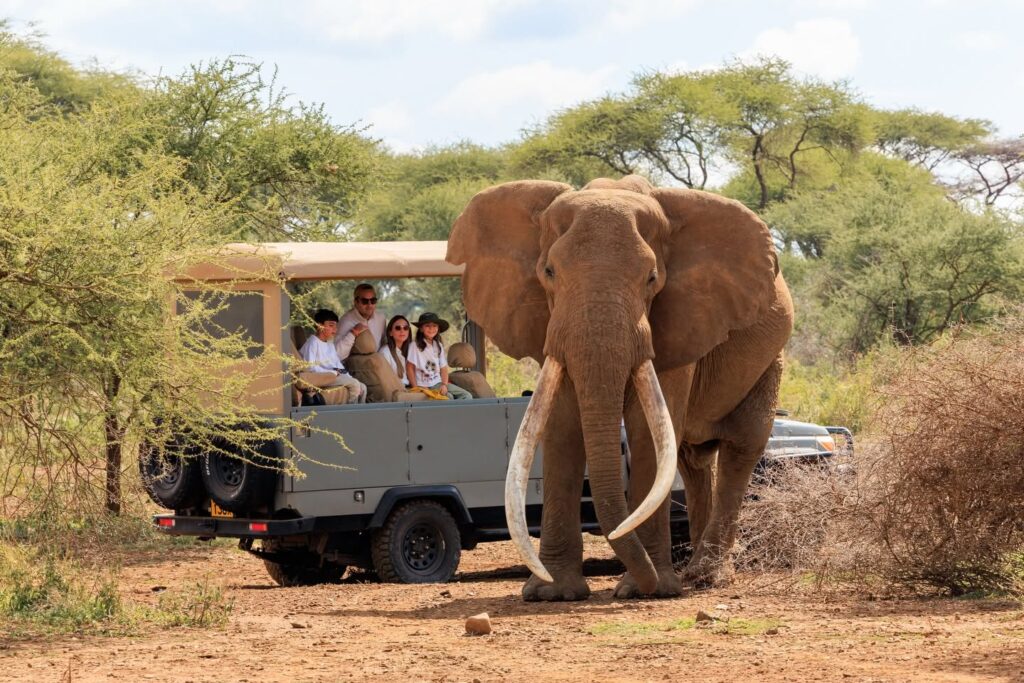
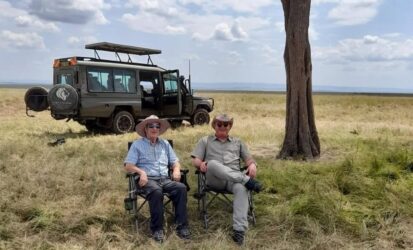
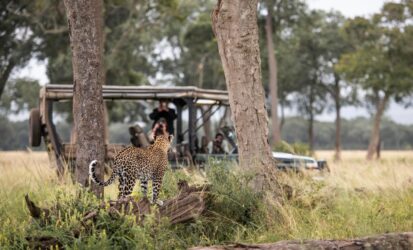
Most quality road safaris use 4×4 safari vehicles, especially for destinations such as the Masai Mara. These vehicles are designed for rougher terrain and game-viewing conditions, with elevated seating and large windows or pop-up roofs for better visibility.
Can You Combine a Safari with Kenya’s Coast?
Absolutely. One of the reasons Kenya is such a popular safari destination is how easily it combines world-class wildlife experiences with time spent on the Indian Ocean coast. You can choose to pair a safari in the Masai Mara or Amboseli with a few days on the beaches of Mombasa or Diani, creating an itinerary that has the best of both worlds, bush and beach.
Can You See the Big Five on Both Fly-In and Road Safaris?
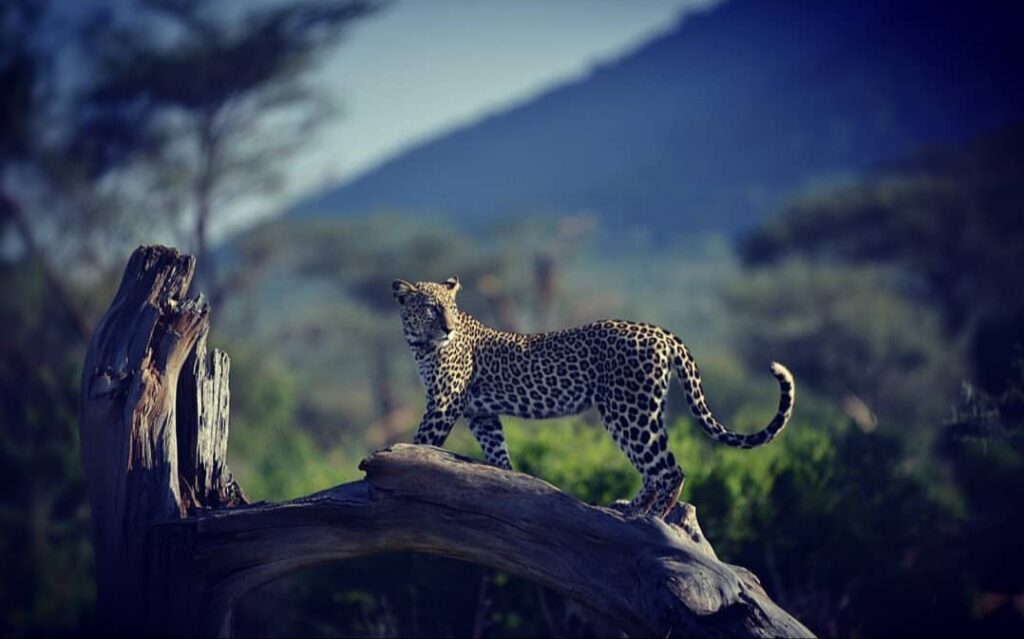
Yes. Both fly-in and road safaris provide access to Kenya’s celebrated wildlife destinations, including the Masai Mara, where sightings of lions, elephants, buffalo, leopards, and rhinos are all possible. The method of transport does not affect the quality of wildlife viewing once you are in the reserve. The main difference is how much time you spend getting there. On shorter itineraries, fly-in safaris often allow for additional game drives and more time in the bush, while road safaris bring the experience of seeing more of Kenya’s landscapes along the way.
What Is the Best Length for a Kenya Safari?
The ideal safari length depends on your interests, budget, and how much time you have available. A two or three-day safari can provide excellent wildlife viewing, particularly on a fly-in itinerary where less time is spent in transit. For a more relaxed experience, four to six days allows travelers to enjoy multiple game drives, and add experiences such as guided nature walks, Maasai cultural visits, or a hot air balloon safari.
Whether you choose a fly-in or road safari, Kenya remains one of Africa’s most celebrated safari destinations. A Masai Mara safari can be experienced in many different ways, but the best choice ultimately depends on your priorities. If time, convenience, and comfort matter most, a fly-in safari brings unmatched efficiency. If value, flexibility, and seeing more of the country appeals to you, a road safari in Kenya is an outstanding option.
At Flash McTours, we help travelers compare the options honestly and choose the safari that best matches their budget, travel style, and expectations. Browse all of our Kenya safari packages, explore our complete Kenya safari collection, or contact our team for personalized recommendations and itinerary planning.




This six days safari combines the superb Lewa Conservancy in Laikipia in northern Kenya with the outstanding Masai Mara National Reserve in the south-west. Offering some of the best game viewing anywh

Price From




The 4-Day Masai Mara Fly-In Safari from Mombasa combines two of Kenya's most iconic travel experiences: the white-sand beaches of the coast and the wildlife-rich plains of the
Price From



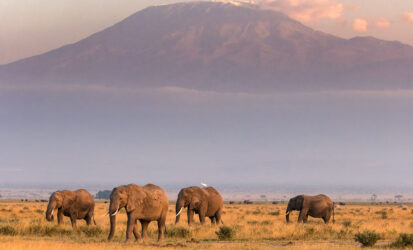

The 3-Day Amboseli Fly-In Safari is an incredible experience in one of Kenya's most recognizable national parks. Beginning and ending in Nairobi, the safari includes pickup from your hotel, residence,
Price From
This six days safari combines the superb Lewa Conservancy in Laikipia in northern Kenya with the outstanding Masai Mara National Reserve in the south-west. Offering some of the best game viewing anywh
Price From
The 4-Day Masai Mara Fly-In Safari from Mombasa combines two of Kenya's most iconic travel experiences: the white-sand beaches of the coast and the wildlife-rich plains of the
Price From
The 3-Day Amboseli Fly-In Safari is an incredible experience in one of Kenya's most recognizable national parks. Beginning and ending in Nairobi, the safari includes pickup from your hotel, residence,
Price From
If you don't want to miss useful and interesting articles, leave us your email.
Also you will be the first to know about all discounts and offers.









Personalized service by travel experts with first-hand knowledge

Customizable tours to your preference

400+ 5-star TripAdvisor and Google reviews

Booking Security - Money - back guarantee & 24/7 support