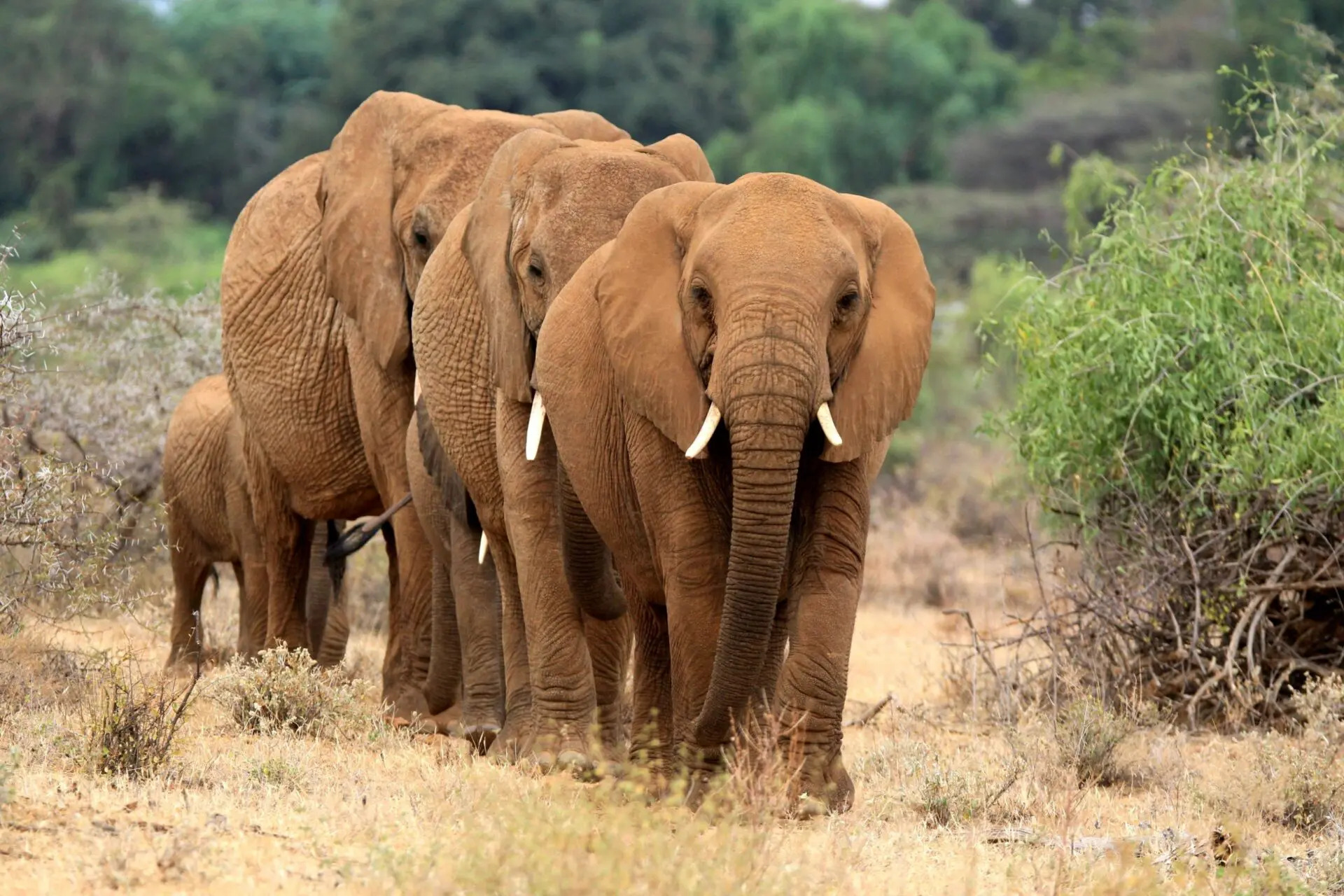
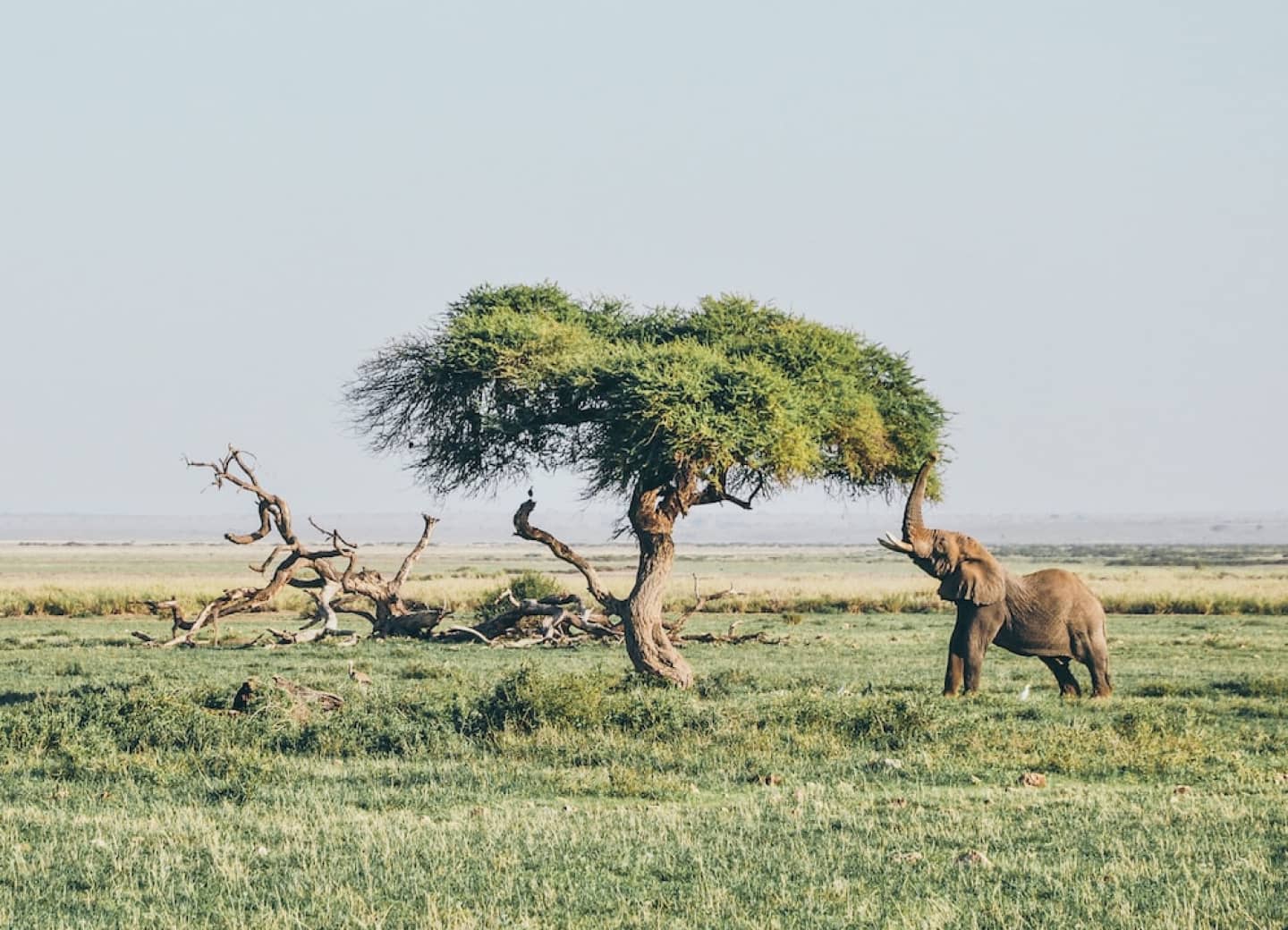
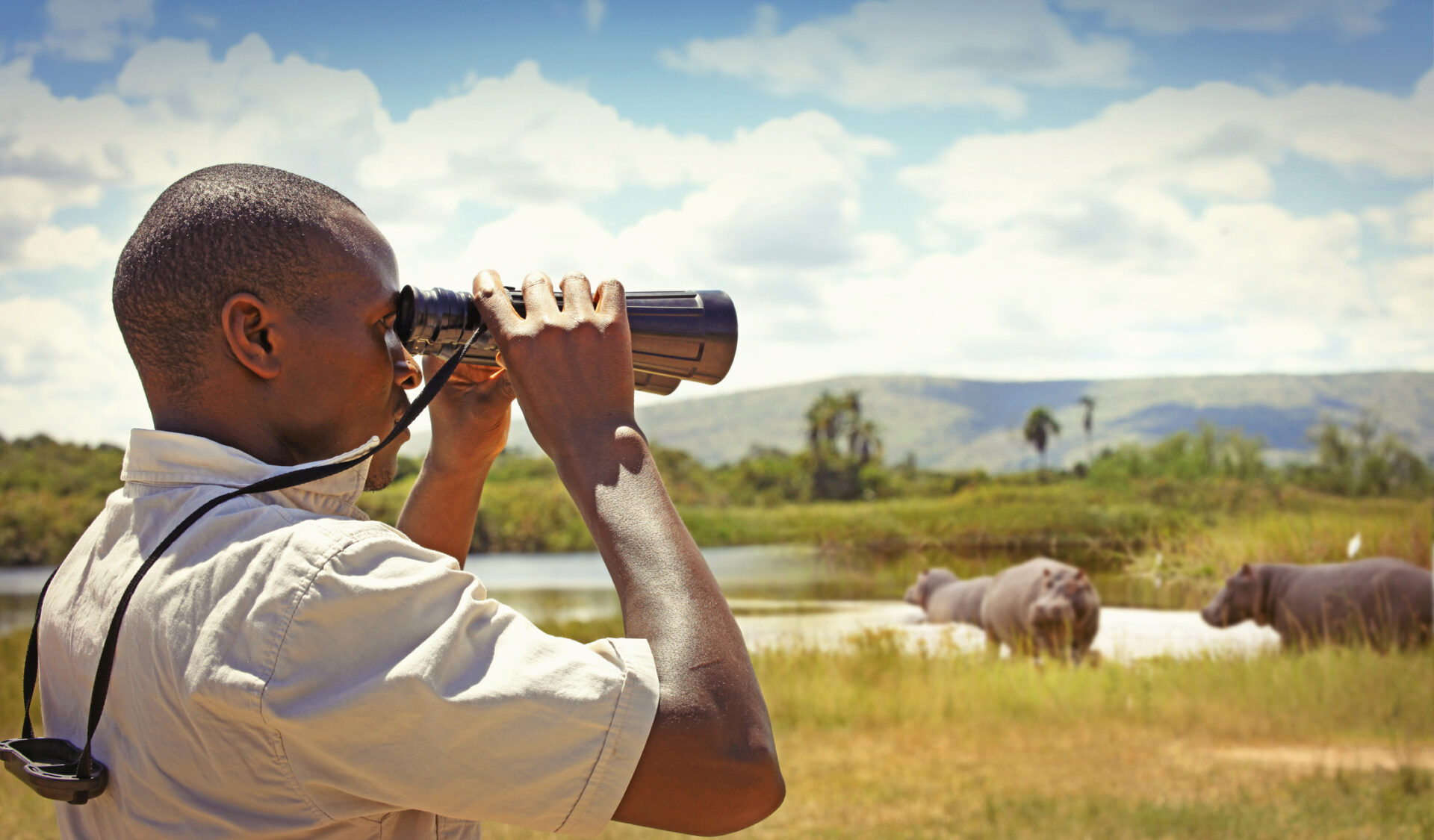
A walking safari changes the way you experience Africa. Instead of watching the landscape pass by from the seat of a vehicle, you move through it on foot: following tracks in the dust, noticing birds in the canopy, learning which plants animals browse and listening to a landscape that feels entirely different without the sound of an engine running.
East Africa has an extraordinary range of experiences for travelers who want to explore beyond the traditional game drive. You can take a gentle morning bush walk in a private Kenyan conservancy, hike along the rim of the Ngorongoro Crater, climb Mount Kenya or Kilimanjaro, or trek through the rainforest in search of mountain gorillas and chimpanzees in Uganda and Rwanda.
Flash McTours arranges walking, hiking and trekking experiences across Kenya, Tanzania, Uganda and Rwanda, with itineraries shaped around your fitness level, available time and interests. Whether you have a morning to spare or several days to devote to a mountain or rainforest trek, the aim is to find an experience that feels challenging without becoming the entire point of the trip.
This guide explains the difference between walking, hiking and trekking, where to go, what each experience involves and how to choose the right adventure for your East African safari.
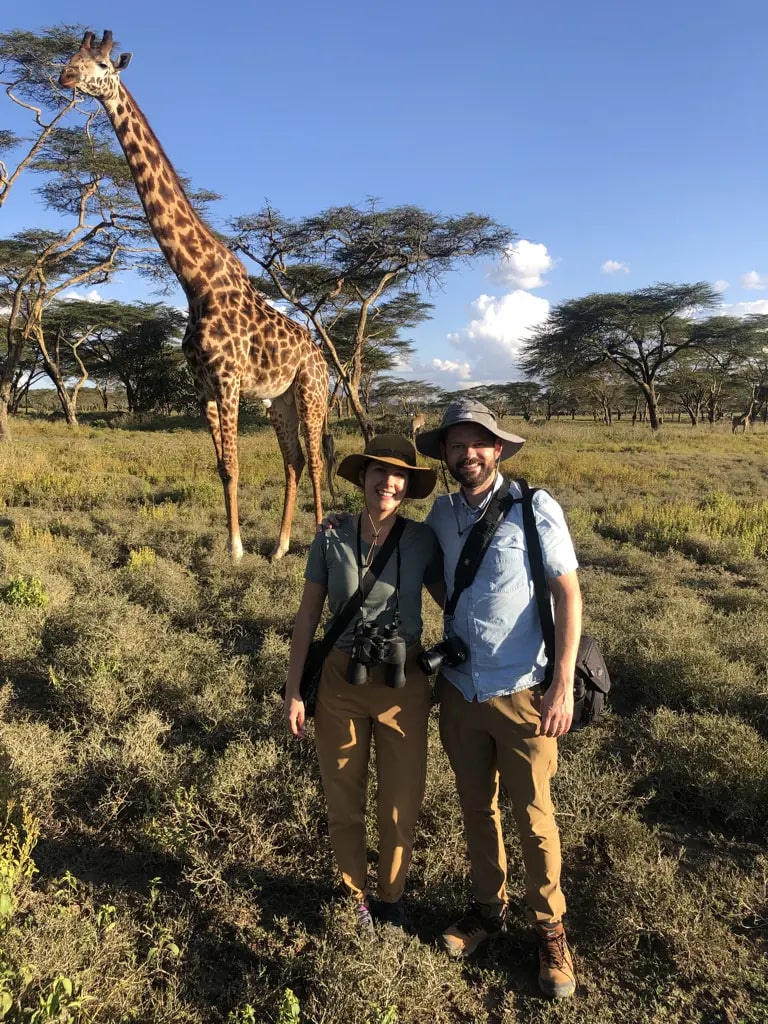
The terms hiking and trekking are often used interchangeably, but there is a useful distinction when planning an active safari. Trekking vs hiking generally comes down to duration and difficulty: hiking usually refers to a walk or day hike along an established trail, while trekking tends to describe a longer journey, often over several days and through more remote or demanding terrain.
So, what is trekking in the context of an East African safari? Think Mount Kilimanjaro, Mount Kenya or a rainforest trek in search of gorillas. These experiences require more preparation, greater physical commitment and, in some cases, acclimatization to altitude.
A walking safari is different. Rather than following a trail simply to reach a destination, you’re walking through wildlife habitat with a trained guide who interprets what is around you and manages the experience with wildlife safety in mind. That means trekking vs hiking isn’t really the only distinction worth making. This guide covers the full spectrum, from a quiet morning bush walk to a multi-day summit attempt.
The appeal of walking safaris is that they shift your attention. From a vehicle, you naturally look for the large and obvious: elephants, lions, giraffes and other animals on the horizon. On foot, your attention drops to the ground and expands outward. You begin noticing tracks, dung, broken branches, insects, bird calls and plants that would be easy to miss from a vehicle.
Walking also gives you a more intimate understanding of the landscape. Your guide may stop to explain how an animal has passed through an area, identify a particular bird by its call or show you how local communities have traditionally used a particular plant. A walking experience can be gentle and accessible, or it can become a serious physical challenge involving altitude, steep terrain and multiple days on the trail.

Some of the most incredible walking experiences take place in private conservancies rather than public national parks. In areas of Kenya’s Laikipia and Mara regions, for example, conservation models allow guided walking in designated areas where the rules governing vehicle access are different. Tanzania also has bush walking in concessions and areas bordering major wildlife destinations, including landscapes around Tarangire and the Serengeti.
The experience is deliberately different from a game drive. You may not cover the same distance or see as many large animals, but you gain a much closer understanding of the smaller details that make the ecosystem work.

A walking guide is essentially your interpreter of the bush. Rather than simply leading you from one point to another, they read the landscape. A footprint can tell you which animal passed through, while droppings can reveal what it has been eating. Broken vegetation, browse lines and disturbed soil can provide clues about what has happened nearby. Your guide may also identify birds, insects and plants, including species with traditional uses.
Large animals are viewed from a respectful distance. The objective isn’t to approach wildlife on foot but to understand how animals move through their environment while following established safety protocols. This makes a guided walk particularly valuable for understanding more about the ecosystem, rather than simply collecting a list of sightings.

Not every hiking experience has to involve a multi-day trek. East Africa’s volcanic landscapes have shorter walks with spectacular scenery. The rim of the Ngorongoro Crater is one example. A crater-rim walk brings a completely different perspective on the surrounding landscape, with dramatic views across the crater and surrounding highlands.
Kenya’s volcanic landscapes provide further opportunities for shorter hikes, including areas around Mount Longonot. These experiences can work particularly well for those who want to add an active element to a conventional safari without committing several days to a mountain climb.
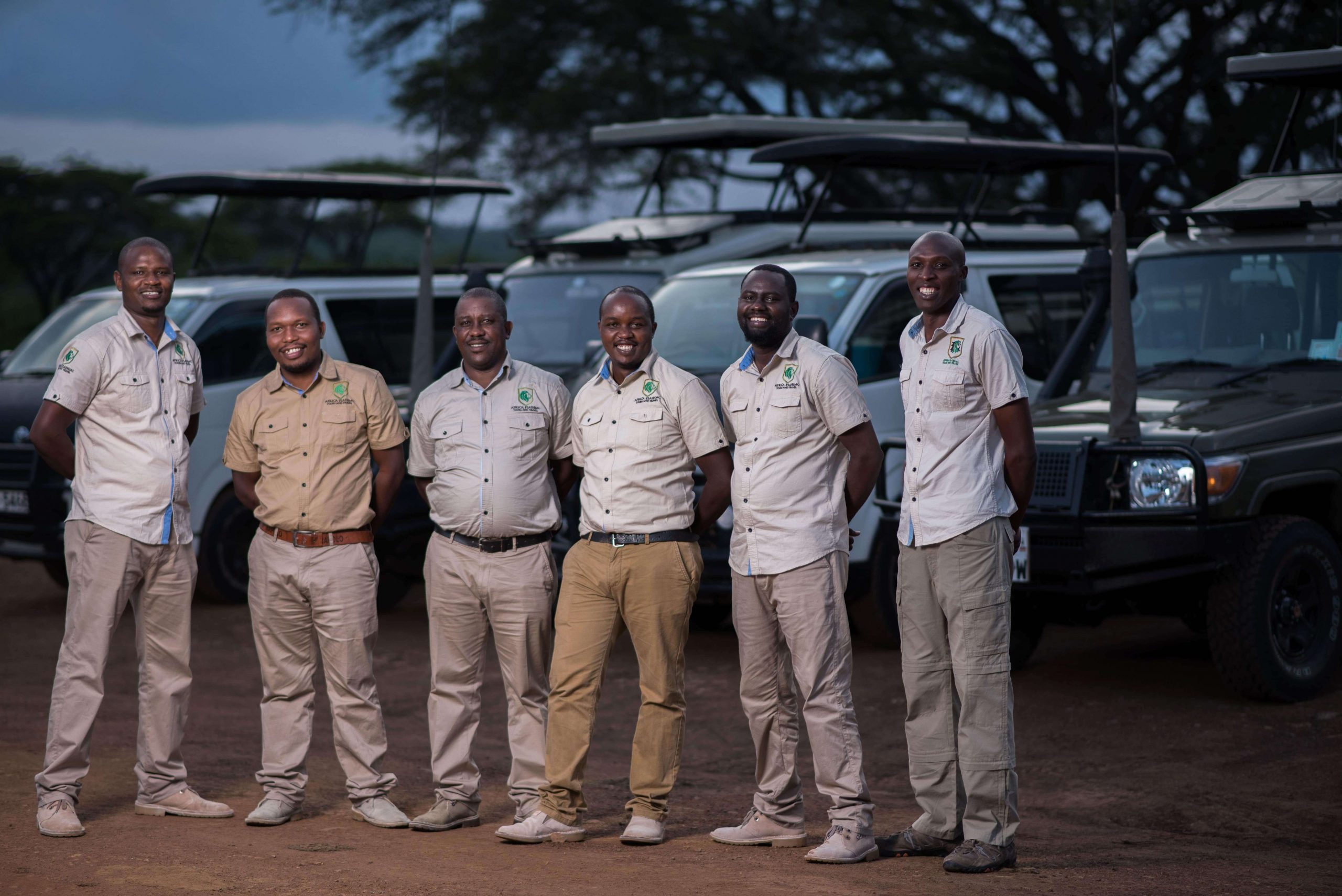
Walking in wildlife country requires a different approach from hiking an ordinary trail. Walking safaris and treks should be led by appropriately trained guides who understand wildlife behavior, terrain and emergency procedures. A safety briefing takes place before the walk, covering everything from how the group should move to what to do if wildlife is encountered.
Group sizes can also be restricted depending on the experience. Gorilla trekking in particular operates under strict regulations, with limited numbers of visitors permitted to visit each gorilla group. The result is a more controlled experience that prioritizes both visitor safety and the protection of wildlife.
The best hiking places in East Africa depend on what you actually want to do. Kenya is particularly strong for conservancy bush walks, Tanzania combines wildlife walking with major mountain trekking, while Uganda and Rwanda have rainforest trekking experiences centered around gorillas and chimpanzees.
The countries can also be combined. You could spend several days on safari in Kenya before adding a walking experience, or pair a Tanzanian wildlife itinerary with a Kilimanjaro climb. Flash McTours can structure the itinerary around the type and intensity of experience you’re looking for.
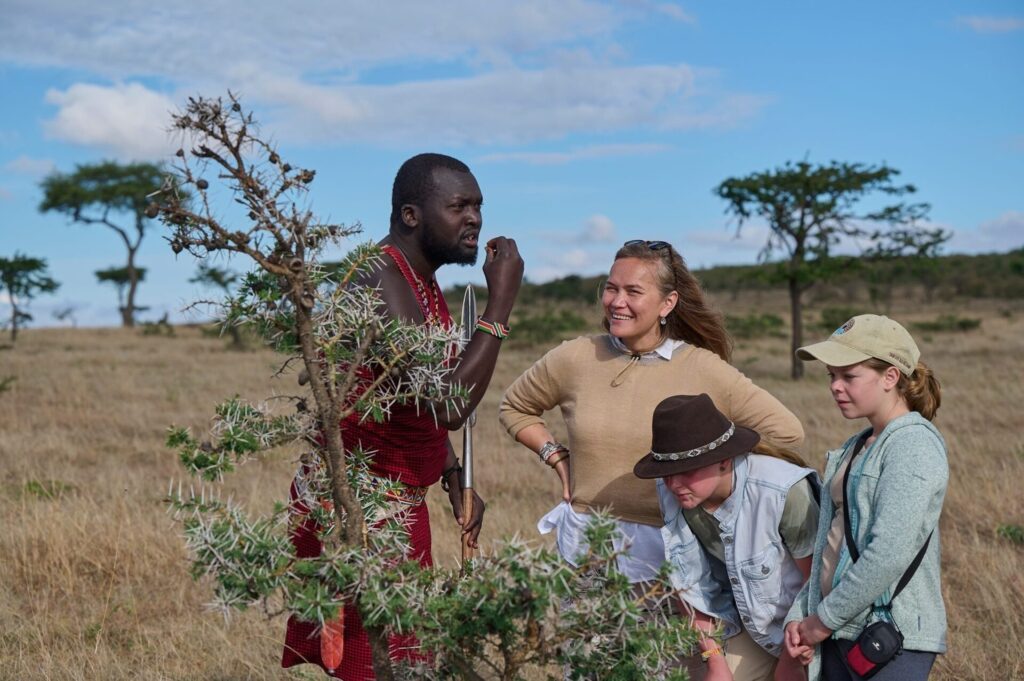
Kenya’s private conservancies are among the country’s most established destinations for walking safaris. Laikipia, including areas such as Ol Pejeta and Lewa, have opportunities to explore wildlife landscapes on foot, while conservancies surrounding the Masai Mara provide another perspective on the region.
For a very different landscape, Aberdare National Park has forest hiking, with cooler temperatures and densely vegetated terrain replacing the open plains associated with the Mara. Walking is usually incorporated into a wider safari rather than replacing game drives altogether. You might spend the morning walking with a guide before returning to your camp for lunch and heading out on a game drive later in the day.
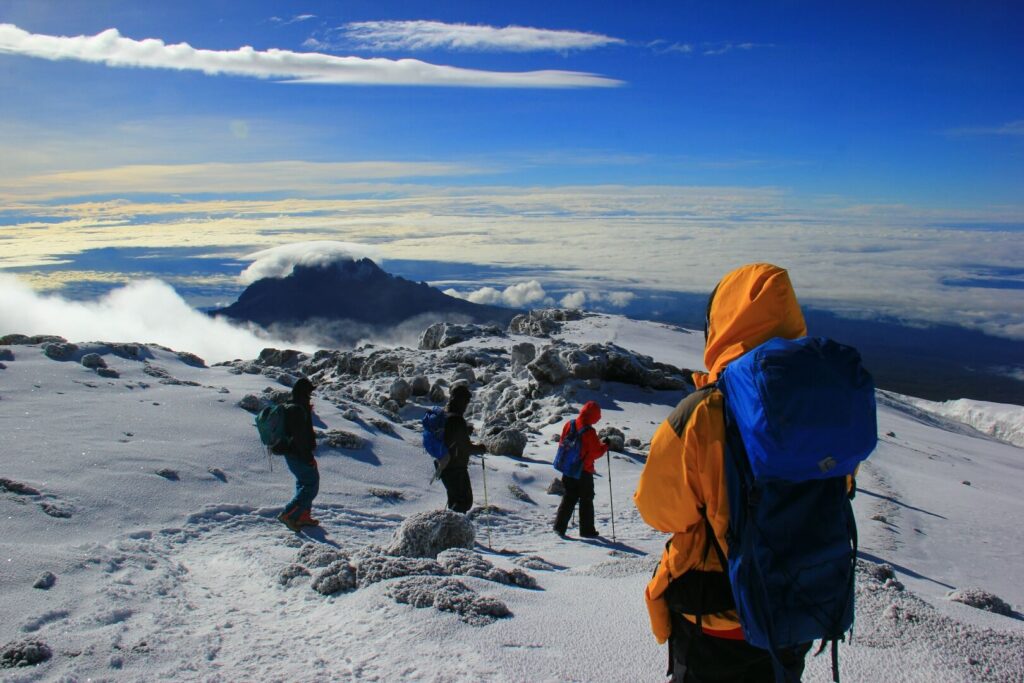
Tanzania has perhaps the broadest spectrum of walking and trekking experiences in the region. Guided bush walks can be incorporated into itineraries around Tarangire, the Serengeti and Lake Manyara, while the country’s mountain landscapes bring the chance to tackle Mount Kilimanjaro. For something shorter, the Ngorongoro Crater rim has scenic walking experiences without the commitment of a summit expedition.
Kilimanjaro is an entirely different proposition. Routes vary in length, terrain and acclimatization profile, so choosing the right route should depend on your available time, fitness and experience rather than simply selecting the shortest option.
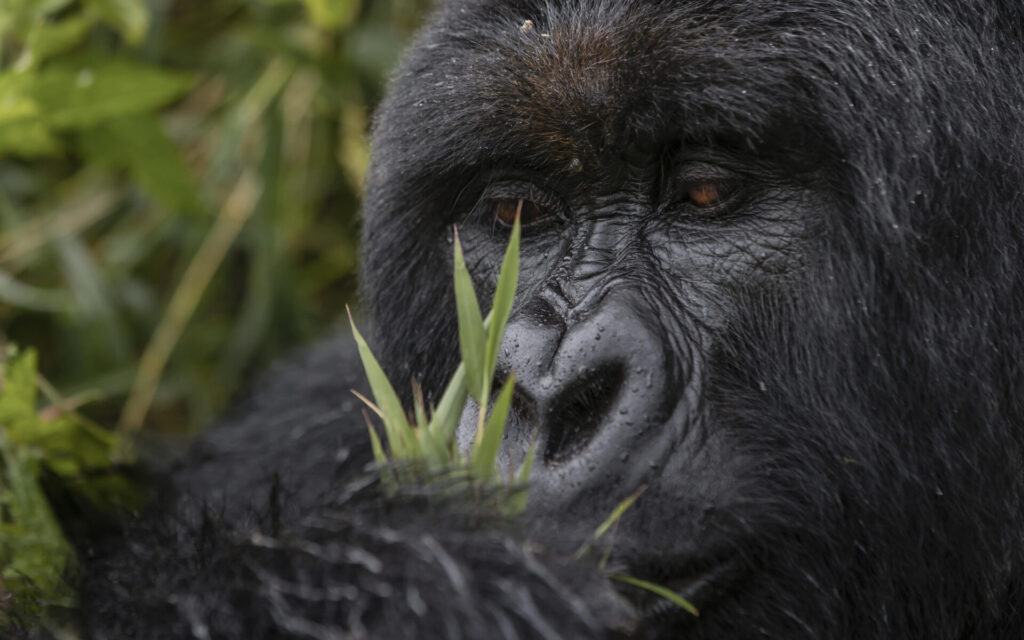
Uganda and Rwanda have one of East Africa’s most distinctive walking experiences: trekking through rainforest in search of mountain gorillas. Uganda also has chimpanzee trekking, particularly in Kibale Forest.
These are physically different from a conservancy bush walk. Rainforest terrain can be steep, muddy and humid, and the length of a trek depends on where the animals are located. Some excursions may last several hours. Gorilla safari permits are limited, so these experiences require considerably more advance planning than a simple guided nature walk. For those who want to include gorilla trekking in a wider safari, securing the permit should be one of the first steps in building the itinerary.
Read our full gorilla trekking guide.
Walking and hiking trips in East Africa broadly fall into three categories: short bush walks, multi-day mountain trekking experiences and rainforest primate trekking. They can be combined into a single itinerary, but each has very different requirements when it comes to fitness, preparation and time.
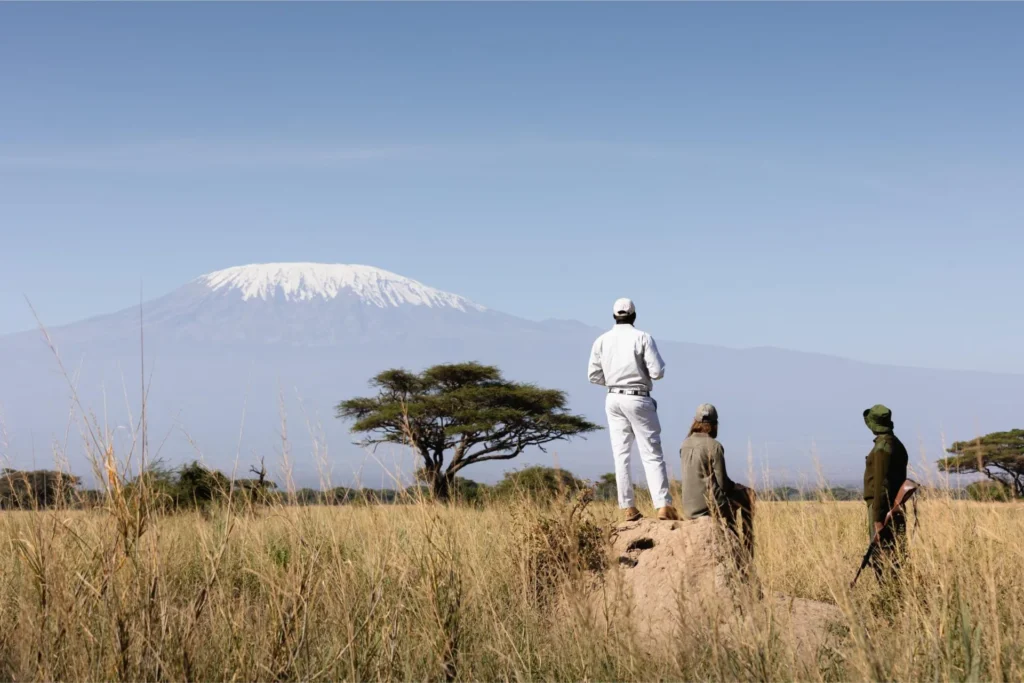
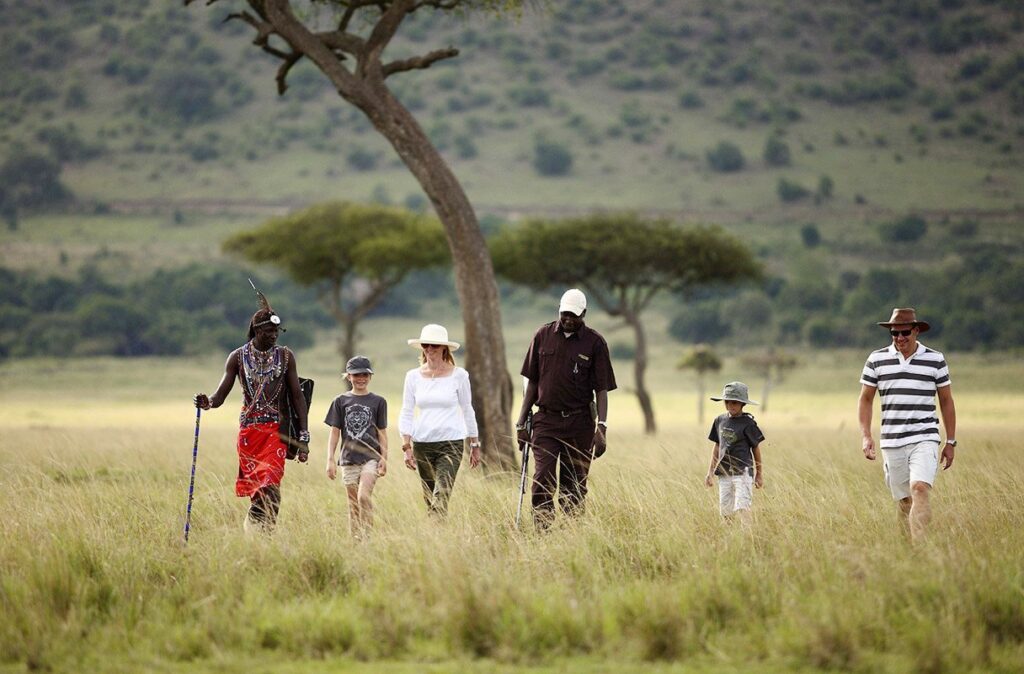
A bush walking safari in Kenya or Tanzania is usually incorporated into a broader game drive itinerary, often as one or two mornings rather than a standalone expedition. The walks are generally moderate and paced according to the group. This makes them one of the most accessible ways to add an active element to a safari. Families with older children may be able to participate, depending on the conservancy or lodge’s minimum age requirements.
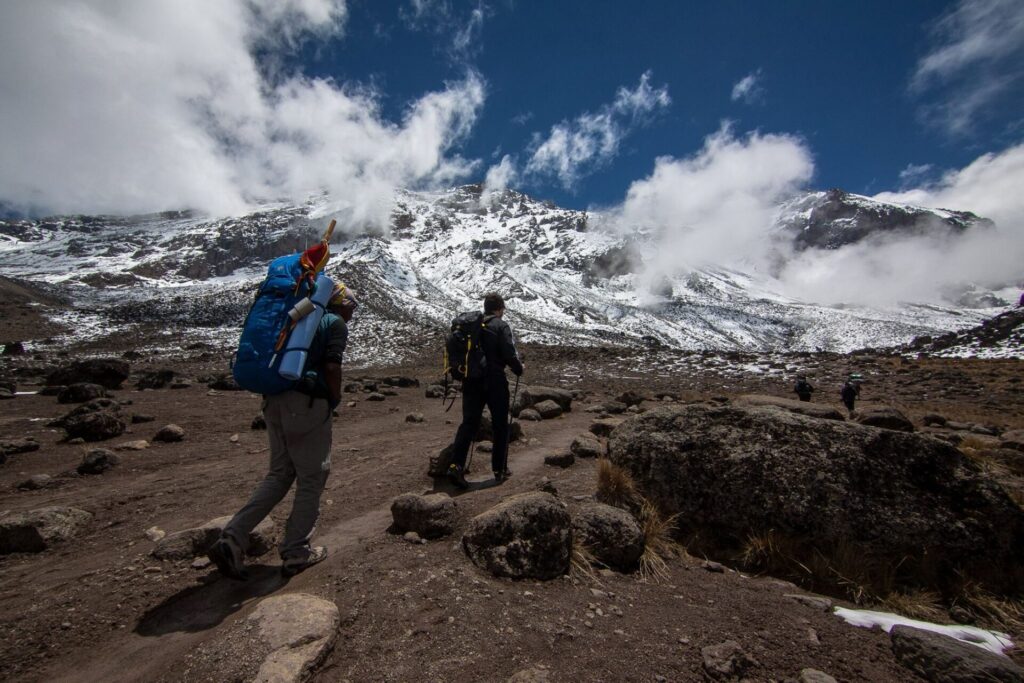
Kilimanjaro and Mount Kenya represent a much more demanding form of trekking. Both involve sustained walking, elevation gain and, depending on the route, altitude acclimatization.
The route you choose has a significant impact on difficulty, duration and the likelihood of reaching the summit. A shorter route isn’t necessarily the best route, particularly where additional acclimatization days can improve your chances of completing the climb successfully. Fitness preparation should begin well before departure, and route selection should be discussed with a specialist.
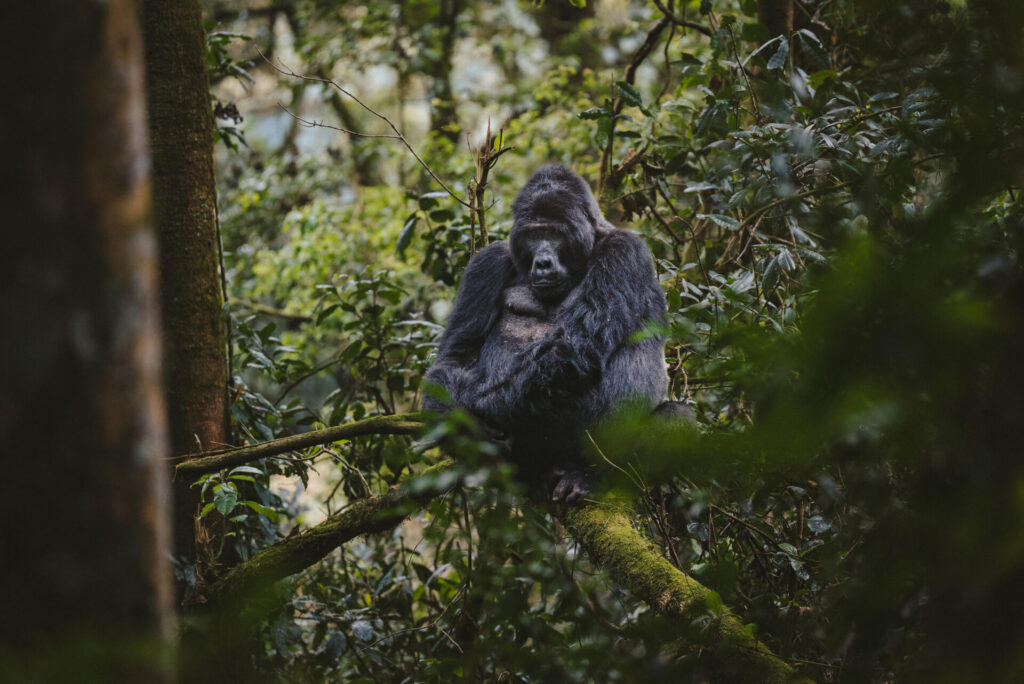
Gorilla and chimpanzee trekking takes place in very different conditions from a traditional bush walk. The rainforest is steep, humid and often wet, and trails can be difficult underfoot.
The physical challenge is balanced by the relatively short overall trip length, with many itineraries taking around three to four days.
However, the permit requirement makes advance planning particularly important. Peak periods, including June to September and December to February, can be especially popular, so travelers should secure permits well ahead of their intended travel dates.
Inclusions vary significantly by trek type and route. The following covers what is included in most Flash McTours walking and hiking packages and what travelers should budget for separately.
It is important to check the individual itinerary carefully before traveling, particularly for mountain treks. Equipment requirements and inclusions can vary considerably between routes.
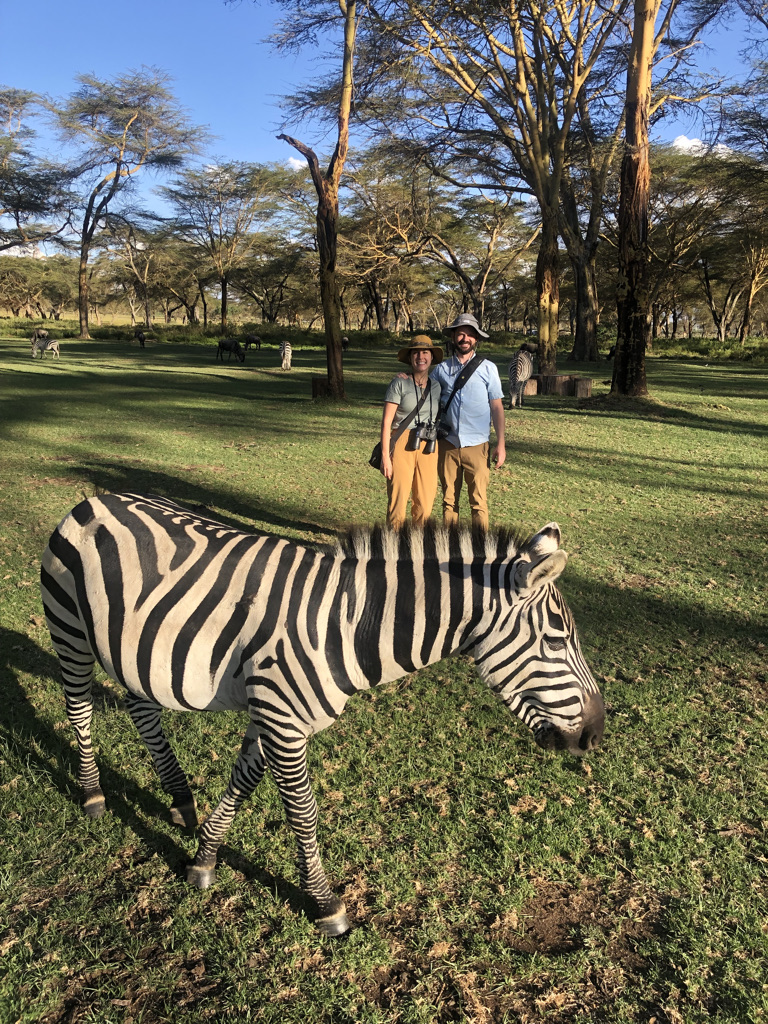
This hiking guide covers everything from a short bush walk to a multi-day mountain trek, so the most important question is not simply whether you can walk, but what type of experience is appropriate for your fitness, interests and itinerary.
A walking safari is designed to be conducted safely when led by a trained, certified guide who provides a safety briefing before departure. Wildlife is observed from an appropriate distance rather than approached, and guides are trained to assess animal behavior and manage encounters.
Walking experiences take place in designated areas where walking is permitted, including appropriate private conservancies and reserves, rather than simply letting you walk freely through any national park.
It depends entirely on the experience. A short bush walk generally requires moderate fitness and is paced according to the group, while gorilla trekking and mountain climbs can require considerably more stamina.
Kilimanjaro and Mount Kenya also require preparation for sustained walking and, depending on the route, altitude. Your itinerary should therefore be selected according to your existing fitness level rather than choosing a trek based solely on its popularity.
For Kilimanjaro and Mount Kenya, the drier periods from January to March and June to October generally offer more favorable hiking conditions.
For gorilla trekking, June to September and December to February are popular periods when trails can be more accessible. Bush walks in Kenya and Tanzania can take place throughout the year, although dry conditions can make trails easier underfoot.
Weather varies considerably by altitude and location, so the best time also depends on the specific experience you want.
Gorilla trekking permits should ideally be arranged six to twelve months ahead, particularly if you are traveling during a popular season. Numbers are strictly limited, with only a set number of visitors permitted to visit each gorilla family each day.
Permit costs also vary by country and can change, so the current cost should be confirmed when planning your itinerary. Flash McTours can arrange permits as part of the booking process.
Children may be able to participate in some conservancy bush walks, but minimum ages vary by conservancy, lodge and activity. A shorter, gently paced walk can be suitable for older children who can follow instructions and walk quietly.
Mountain and primate trekking has stricter age requirements because of the physical demands and wildlife regulations involved. Always check the minimum age before booking a specific activity.
The Marangu Route is often considered one of the more accessible Kilimanjaro routes because accommodation is provided in huts and the route follows a relatively straightforward trail.
However, longer routes such as Lemosho provide more time for acclimatization. More days can mean a better opportunity to adjust to altitude, making route duration an important consideration alongside fitness.
The best route therefore depends on your available time, fitness and priorities rather than simply whether you’re a first-time climber.
A walking safari brings something that a conventional game drive cannot: the opportunity to experience the landscape at ground level. Whether you’re following tracks through a Kenyan conservancy, climbing toward a Kilimanjaro summit or moving through Uganda’s rainforest in search of gorillas, walking makes the journey itself part of the experience.
Flash McTours can match the right trek or walking experience to your fitness level, interests and available time, while arranging the guides, permits, accommodation and logistics required to make the itinerary work.
Contact Flash McTours to start planning your walking or hiking safari.


Welcome to Rwanda! Our 4-Day Rwanda Gorillas and Akagera Wildlife Safari is tailor-made for those who’d like to see Rwanda’s keynote savannah and rainforest species. Beginning in the capital c
Price From


Jambo! Welcome to Africa. This 6-day package introduces visitors to some of Africa’s most iconic wildlife. Beginning in Kenya, you’ll travel in style to one of Africa’s most renowned wildl
Price From


Embark on the ultimate adventure with a climb up Mount Kilimanjaro via the Machame Route also known as the Whisky Route, renowned for its scenic beauty and diverse landscapes. This iconic trekking rou
Price From
Welcome to Rwanda! Our 4-Day Rwanda Gorillas and Akagera Wildlife Safari is tailor-made for those who’d like to see Rwanda’s keynote savannah and rainforest species. Beginning in the capital c
Price From
Jambo! Welcome to Africa. This 6-day package introduces visitors to some of Africa’s most iconic wildlife. Beginning in Kenya, you’ll travel in style to one of Africa’s most renowned wildl
Price From
Embark on the ultimate adventure with a climb up Mount Kilimanjaro via the Machame Route also known as the Whisky Route, renowned for its scenic beauty and diverse landscapes. This iconic trekking rou
Price From
If you don't want to miss useful and interesting articles, leave us your email.
Also you will be the first to know about all discounts and offers.









Personalized service by travel experts with first-hand knowledge

Customizable tours to your preference

400+ 5-star TripAdvisor and Google reviews

Booking Security - Money - back guarantee & 24/7 support