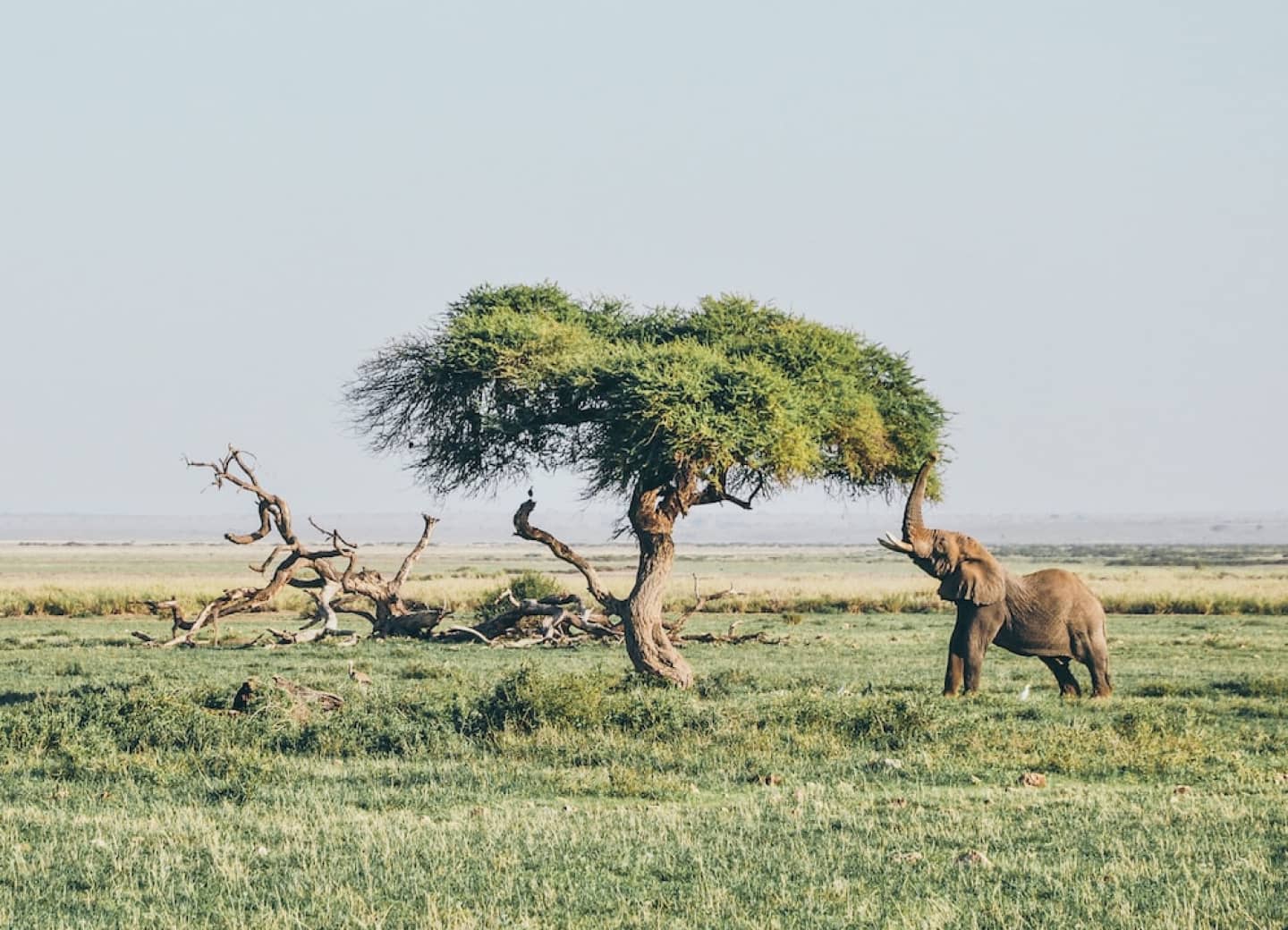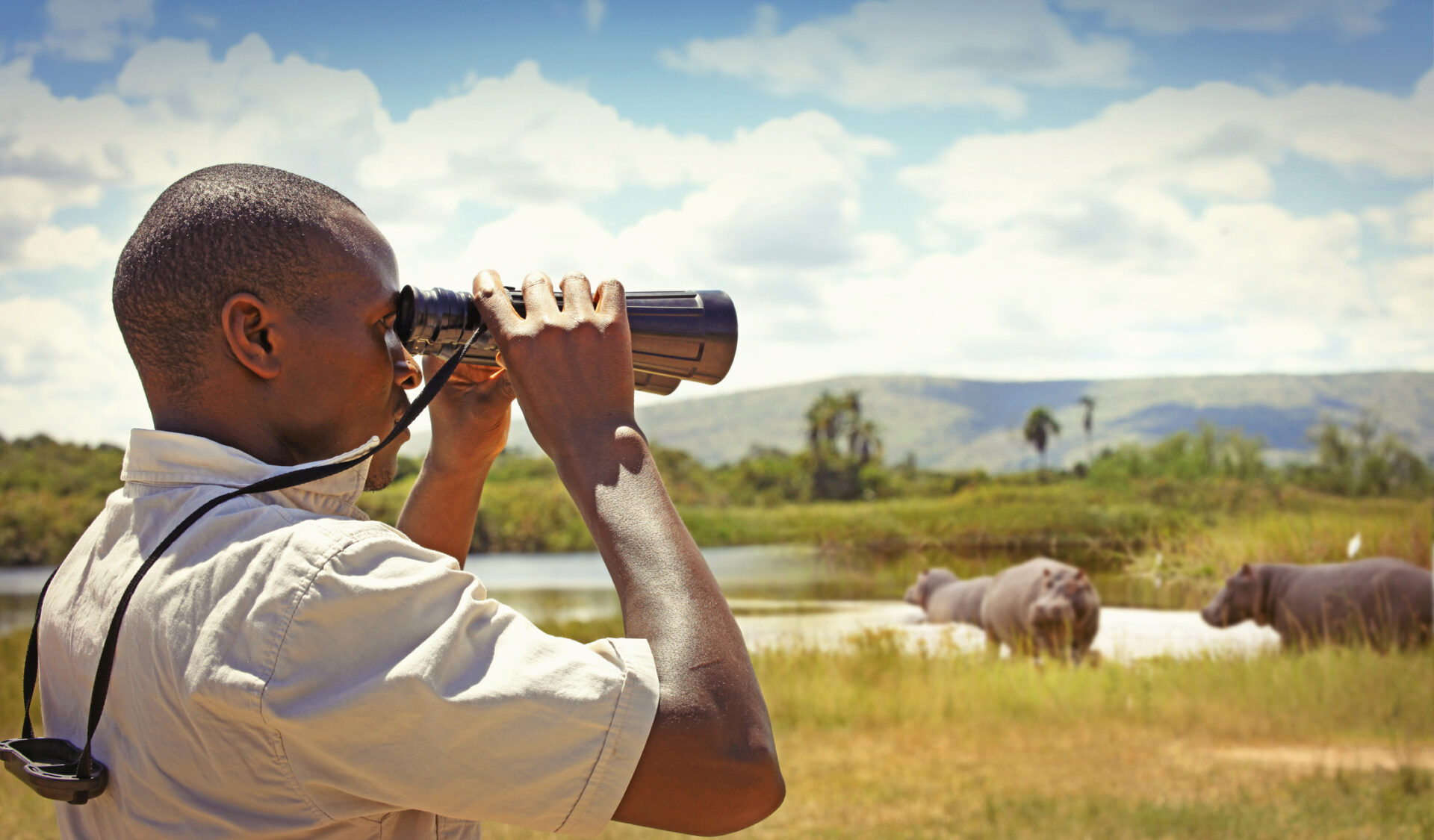
A good pair of binoculars is one of the few pieces of safari equipment that can genuinely change what you see. The right pair can bring a distant leopard into focus, reveal the markings on a lilac-breasted roller or let you follow an elephant herd moving across the horizon. But finding the best binoculars for safari isn’t simply a matter of choosing the highest magnification or most expensive model.
The best binoculars balance magnification, lens size, weight, durability and comfort. What works beautifully from an open safari vehicle may not be the ideal choice for a walking safari, and the needs of a dedicated birder can be different again.
At Flash McTours, practical advice is part of planning the journey. Your guide, vehicle, destinations and pace can all influence the equipment that makes sense to bring. This guide looks at the features worth considering, the different types of safari binoculars available and how to choose a pair you’ll actually enjoy using throughout your trip.
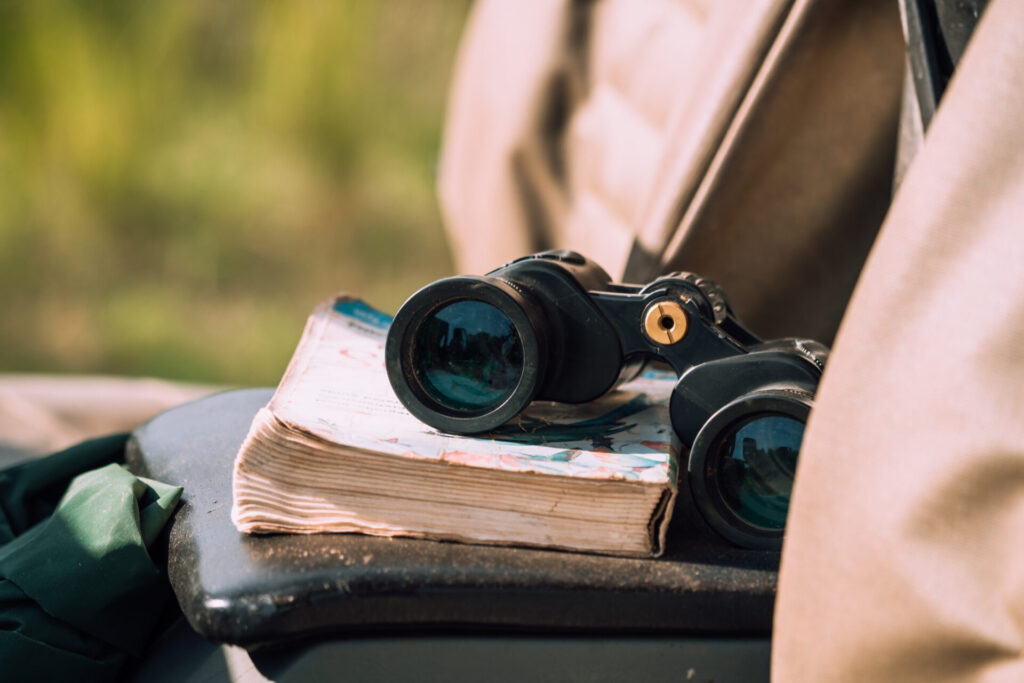
When choosing binoculars for safari, start with the numbers printed on the body. The two most common configurations for general safari use are 8×42 and 10×42. The first number refers to magnification, while the second refers to the diameter of the objective lenses in millimeters.
An 8×42 pair magnifies an image eight times and generally provides a wider, steadier field of view. That makes it particularly comfortable when you’re following moving animals or scanning a broad landscape. A 10×42 pair provides greater magnification, which can be useful for distant sightings, although the narrower field of view can make moving subjects slightly harder to follow.
Weight matters more than you might expect. You may spend several hours with your binoculars around your neck or lifting them repeatedly during a game drive, so a pair that feels cumbersome can quickly become tiresome. Field of view is equally important, particularly for birds in flight or fast-moving wildlife.
Look for good-quality lenses and coatings that produce a bright, clear image in changing light. A waterproof, dust-resistant construction is also useful in open vehicles, where you’re likely to encounter both. If you wear glasses, look for adjustable eyecups and enough eye relief to see the full image comfortably.
There is no single perfect specification. Flash McTours can help match these features to the type of safari you’re planning rather than recommending one generic pair for every traveler.
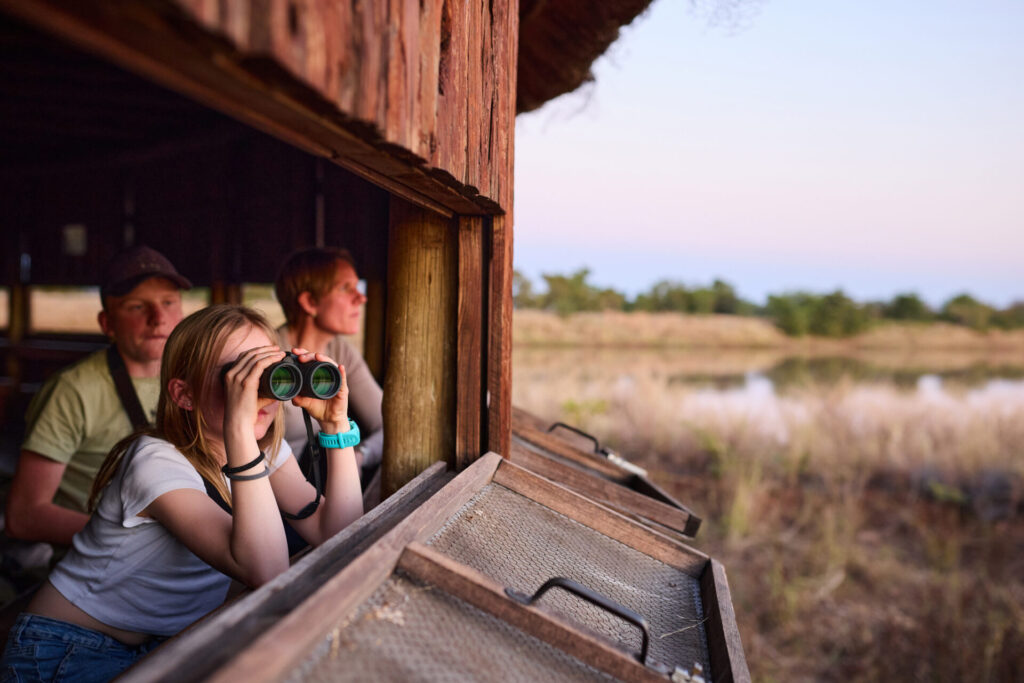
The best safari binoculars for you depend on how you plan to use them. There is a meaningful difference between choosing an all-purpose pair for occasional wildlife viewing and investing in specialist optics for serious birding or long-distance observation.
For most game-drive safaris, an 8×42 or 10×42 pair is an excellent starting point. These configurations have a useful combination of magnification, light gathering, field of view and manageable weight.
An 8×42 is particularly appealing if you value a broad, stable view. It is easier to use when the vehicle is moving or when you’re trying to follow an animal through dense vegetation. A 10×42 is a good choice if you regularly find yourself watching wildlife at greater distances and feel comfortable with the slightly narrower field of view. Neither is inherently better. The decision comes down to how you use your binoculars.
You don’t need to spend a fortune to appreciate the difference a decent pair of binoculars can make. A good mid-priced model from an established optics manufacturer can provide clear images, reliable focusing and sufficient durability for a safari without moving into premium pricing.
If you’re buying specifically for one trip, prioritize optical clarity, comfortable handling and a robust build over additional features you may never use. Avoid choosing purely on price. Extremely inexpensive binoculars can have poor image quality, stiff focusing mechanisms or construction that isn’t well suited to dusty, active travel.
For travelers who are carefully watching luggage weight, compact binoculars can be appealing. Smaller models are easier to pack and carry, making them particularly useful when your itinerary includes light aircraft flights with strict luggage allowances.
The compromise is usually objective lens size and, consequently, performance in lower light. Compact binoculars can be excellent for general sightseeing and casual wildlife viewing, but travelers who are particularly focused on early-morning and late-afternoon game drives may prefer the optical performance of a larger pair.
If you are expecting to spend time scanning open plains, a 10×42 configuration can bring useful additional reach. The extra magnification can make distant animals easier to identify, particularly in expansive landscapes where wildlife may be hundreds of yards away.
The trade-off is stability. Higher magnification makes small movements more noticeable, so technique matters. If you have particularly steady hands and prioritize distant viewing, 10x can be a compelling choice. If you prefer a relaxed, easy-to-use pair for a variety of situations, 8x may be more forgiving.
See our full safari packing list.
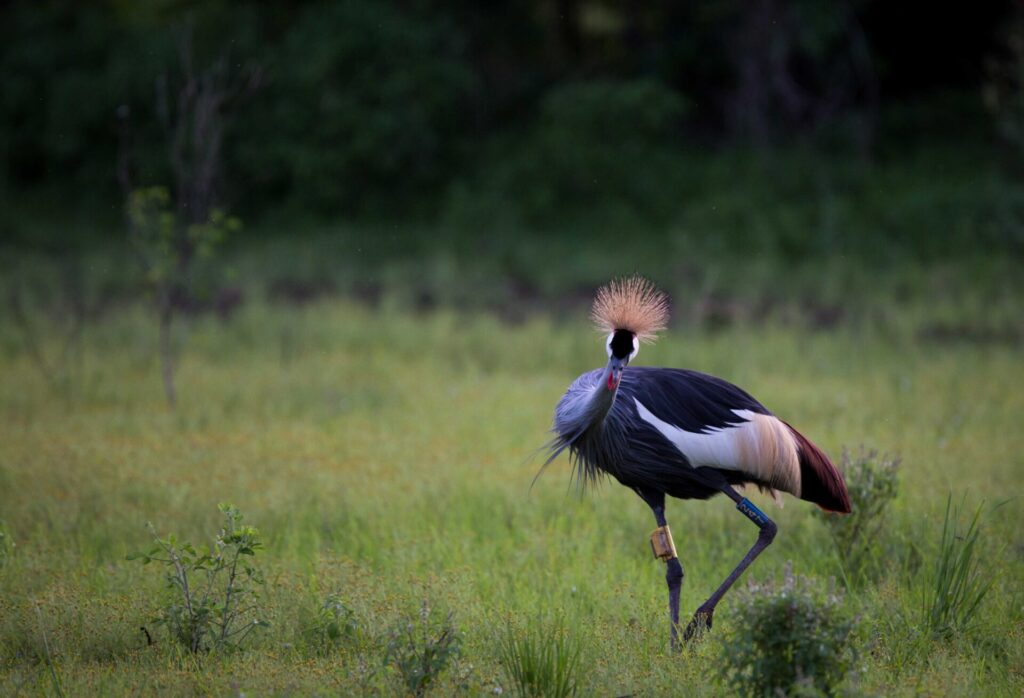
The best binoculars for wildlife viewing need to handle a surprisingly wide range of subjects. One minute you may be looking at a lion resting in the shade; the next, your guide may point out a small bird perched high in a tree.
For general wildlife viewing, a versatile 8×42 or 10×42 pair is usually enough. Birders, however, may place greater emphasis on field of view, close-focus performance and the ability to acquire small, fast-moving subjects quickly. A wide field of view can make it easier to track a bird in flight, while a good close-focus distance helps when observing smaller species nearby.
For most, there is little reason to carry separate binoculars for mammals and birds. One good all-purpose pair should cover both remarkably well. If birding is a major reason for your trip, however, it is worth giving the choice more thought. Your optics become part of your birding equipment rather than simply another item on the packing list.
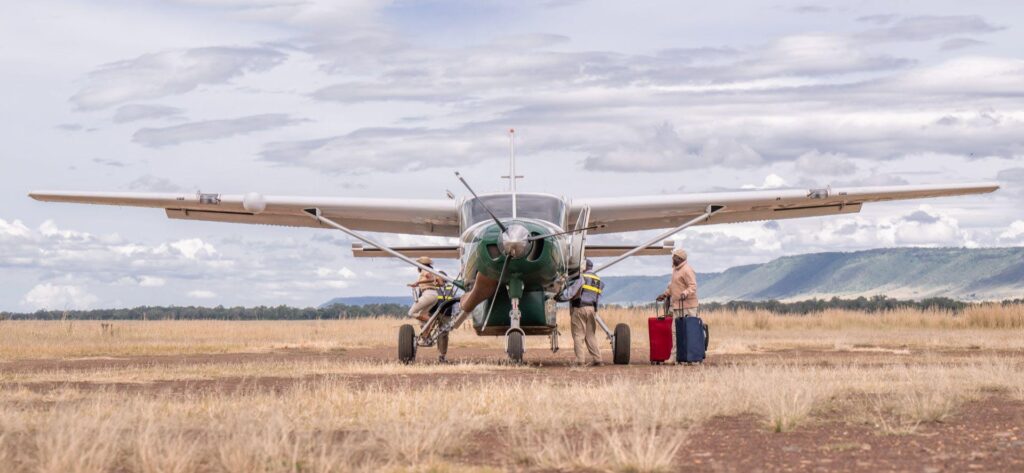
Your itinerary should influence your choice of binoculars as much as your interest in wildlife.
On a conventional game drive in an open vehicle, you have relatively few concerns about carrying a slightly larger pair. You can keep your binoculars around your neck or beside you and reach for them whenever your guide spots something interesting. Here, optical quality and comfortable handling may matter more than minimizing every ounce.
A walking safari is different. When you’re moving on foot, weight becomes much more noticeable. Compact, lightweight binoculars can be easier to carry throughout the day, particularly when they’re being used alongside other equipment.
The same principle applies to different destinations. A Tanzania safari can take you across broad open landscapes where distant sightings are common, while a Kenya safari might combine open plains, woodland and other habitats. Neither destination requires a completely different type of binocular, but the balance between magnification, field of view and weight may feel more important depending on the specific itinerary.
If you’re traveling as a couple, it’s worth considering whether you both want your own pair. Sharing one can work, but binoculars become particularly useful when several things are happening at once. One person may be watching a herd of elephants while another wants to follow a bird overhead. Having two pairs means nobody has to wait.
For families, the same principle applies. Children may enjoy using binoculars, but a lightweight, easy-to-handle pair can be more practical than giving them expensive adult optics. If you’re traveling with a larger group, decide in advance how many pairs you actually need.
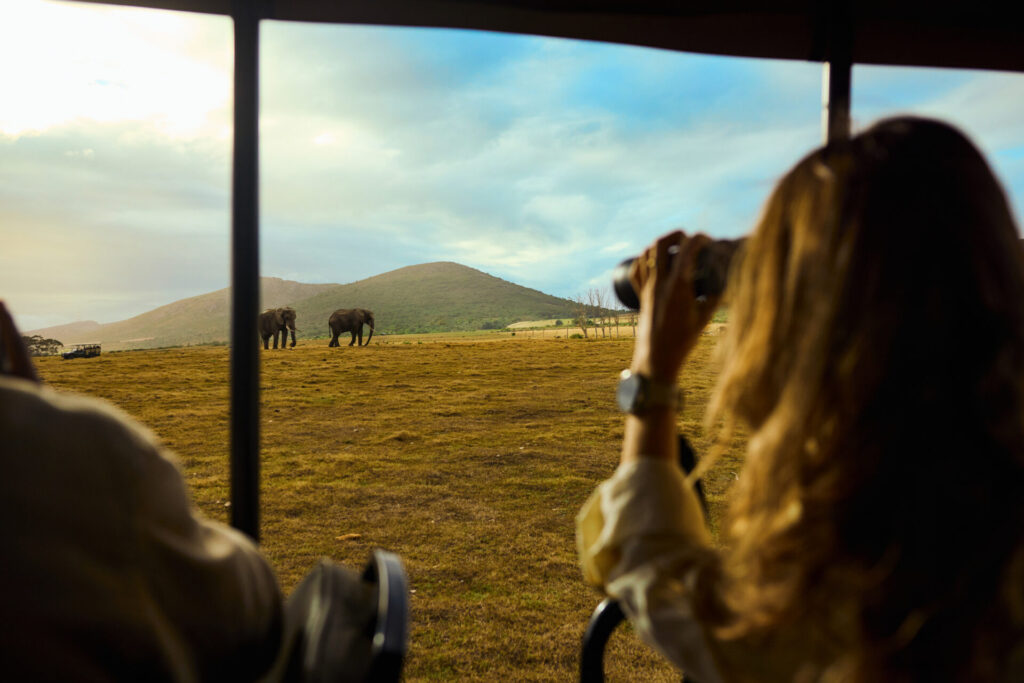
For frequent safari travelers, buying a good pair is usually worthwhile. Quality binoculars can last for years and become useful well beyond safari, from bird watching and hiking to travel and nature walks.
For occasional travelers, renting can be an option if available through your local camera or optics provider. However, buying before your trip means you can become familiar with the binoculars before arriving in Africa. That last point is worth emphasizing. The best binoculars are not particularly useful if you only learn how to adjust them on your first game drive.
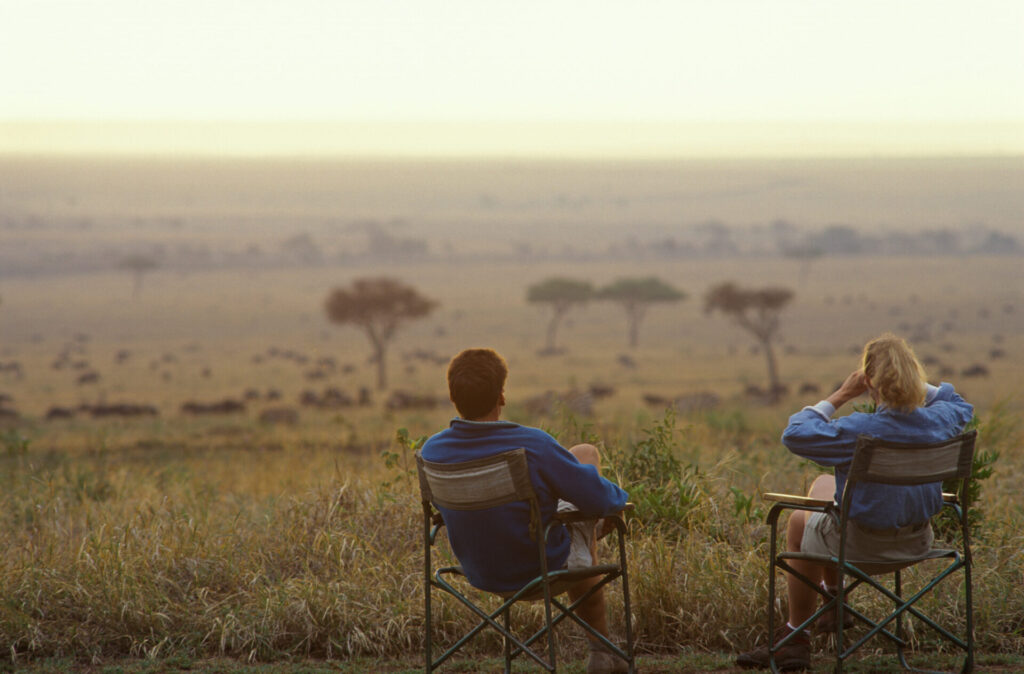
Before leaving home, adjust the binoculars to your eyes. Set the interpupillary distance so the two circular images merge into one, adjust the eyecups if necessary and practice focusing on objects at different distances. Doing this before your safari means you’re ready when your guide suddenly points toward the horizon.
A comfortable neck strap or harness is useful, particularly on long game drives. A harness can distribute the weight more evenly and keep the binoculars secure when you’re moving around the vehicle.
Dust is one of the realities of safari, so avoid wiping lenses with clothing or anything abrasive. Use a proper lens cloth or lens-cleaning brush to remove loose dust before gently cleaning the glass. If you’ve been traveling on particularly dusty roads, take a moment to check the binoculars before storing them.
Keep your binoculars protected when you’re not using them. A padded case can help protect them from knocks, while keeping them somewhere dry and secure protects against moisture and temperature changes. Most importantly, don’t leave them loose on a vehicle seat where they can slide or fall when the vehicle moves.
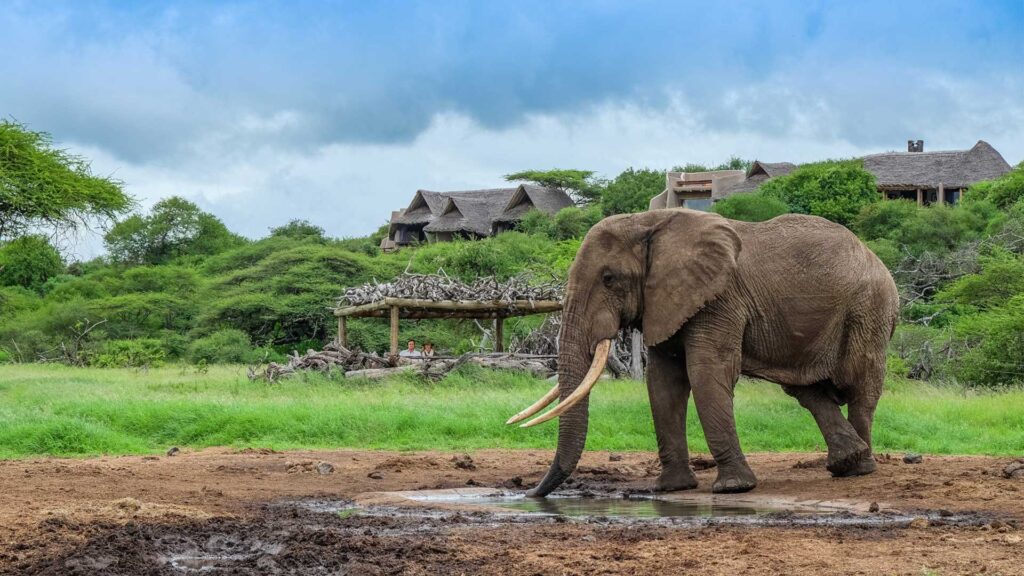
Choosing the right gear becomes much easier when you know what your safari actually looks like. Flash McTours can provide practical advice based on your itinerary, whether you’re spending your days in an open vehicle, walking through the bush or moving between several destinations.
Rather than starting with a generic list of equipment, the team can look at your trip and help you understand what will genuinely be useful. That means your binoculars, camera equipment and other essentials can complement the journey rather than weighing you down.
Contact Flash McTours to start planning your safari.
For most travelers, 8×42 and 10×42 binoculars are an excellent balance of magnification, field of view, brightness and weight. An 8×42 pair is generally easier to hold steady and provides a wider view, while 10×42 offers more reach for distant subjects.
Start by considering how you’ll use them. Look at magnification, objective lens size, weight, field of view, optical quality and durability. An 8×42 or 10×42 pair is a versatile choice for most game drives. If you’re walking, weight becomes more important; if you’re a keen birder, field of view and close-focus performance may deserve greater consideration.
The numbers describe magnification and objective lens diameter. With an 8×42 pair, the “8” means the image appears eight times closer than it would to the naked eye, while “42” refers to the 42-millimeter diameter of the objective lenses. Higher magnification isn’t automatically better; it can mean a narrower field of view and more noticeable hand movement.
You can generally find binoculars through specialist optics stores, camera shops, outdoor retailers and established online retailers in the UK. If possible, try several pairs before buying. Hold them to your eyes, check how easily you can focus and assess whether the weight feels comfortable.
There are plenty of things you can pack for a safari that you’ll barely touch once you arrive. Binoculars are different. A good pair can turn a distant shape into a recognizable animal, reveal the detail in a bird’s plumage or let you follow a pride of lions long after the naked eye has lost track of them. They encourage you to look beyond the obvious and notice the smaller moments happening around you.
The trick is not to find the most powerful binoculars available. It is to find a pair that feels natural in your hands, gives you a clear image and suits the way you’ll actually travel.


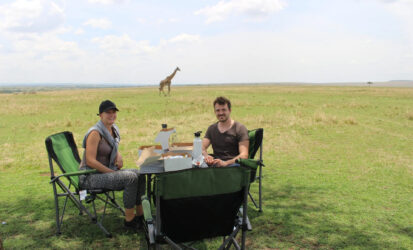
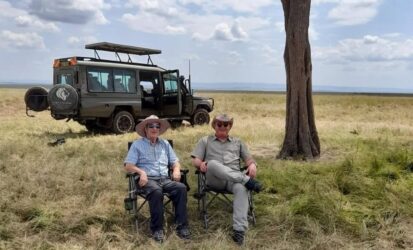


This ten day safari gives nature lovers an extended and diverse view of Kenya; its wildlife, its wonderful landscapes and its warm-hearted people. Given the country’s natural heritage, it’s only
Price From




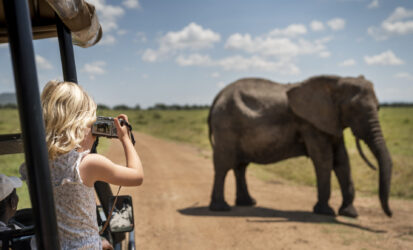

This thrilling 9-day safari of Tanzania’s ‘Northern Circuit’ can be undertaken at any time of year, as the amazing parks are world-renowned for being home to a large abundance of the Big Five an

Price From


Welcome to Uganda! This 6-day Ugandan safari is ideal for safari enthusiasts with a particular interest in the great apes and other primates. Your first stop will be at Kibale National Park, visitin
Price From
This ten day safari gives nature lovers an extended and diverse view of Kenya; its wildlife, its wonderful landscapes and its warm-hearted people. Given the country’s natural heritage, it’s only
Price From
This thrilling 9-day safari of Tanzania’s ‘Northern Circuit’ can be undertaken at any time of year, as the amazing parks are world-renowned for being home to a large abundance of the Big Five an
Price From
Welcome to Uganda! This 6-day Ugandan safari is ideal for safari enthusiasts with a particular interest in the great apes and other primates. Your first stop will be at Kibale National Park, visitin
Price From
If you don't want to miss useful and interesting articles, leave us your email.
Also you will be the first to know about all discounts and offers.









Personalized service by travel experts with first-hand knowledge

Customizable tours to your preference

400+ 5-star TripAdvisor and Google reviews

Booking Security - Money - back guarantee & 24/7 support