Take a look at this story
There is a remarkable difference between watching lions surrounded by twenty safari vehicles and watching the same pride entirely alone. That difference is often the result of choosing a private conservancy rather than a national reserve. Across Kenya, these protected landscapes are where visitor numbers are carefully managed, wildlife has room to behave naturally, and every stay contributes directly to conservation and local communities. They also allow experiences that are generally not permitted inside Kenya’s national reserves, including guided walking safaris, off-road game viewing, and night drives that reveal an entirely different side of the African wilderness.
At Flash McTours, we believe a safari should feel personal rather than crowded. Whether you’re planning your first journey to Kenya or returning to explore the country beyond its famous national parks, incorporating a Kenya conservancy into your itinerary brings a deeper connection to both wildlife and the people protecting it. A conservancy stay can stand alone as an exceptional safari destination or complement visits to iconic areas such as the Masai Mara, Amboseli, Samburu, or Mount Kenya.
This guide explores private conservancies in Kenya, each with its own landscape, conservation safaris and success stories, and meaningful wildlife encounters.

To understand why private conservancies in Kenya have become some of East Africa’s most sought-after safari destinations, it helps to understand how they differ from national parks and reserves.
National parks and national reserves are owned and managed by government authorities. They protect significant ecosystems while remaining open to public visitors, often welcoming both overnight guests and day visitors. These protected areas have played an extraordinary role in safeguarding Kenya’s wildlife, but their popularity can also mean busier game-viewing areas during peak travel seasons.
A private conservancy, by contrast, is protected land owned or managed by private landowners, families, companies, or partnerships with local communities. Rather than operating as public parks, these conservancies limit visitor numbers, carefully manage tourism activities, and reinvest tourism revenue directly into wildlife conservation, habitat restoration, anti-poaching initiatives, and community development.
Many of Kenya’s most successful wildlife conservancies also operate under innovative community partnership models. Local landowners lease their land for conservation instead of agriculture or development, receiving reliable income while preserving critical wildlife corridors. These partnerships create a sustainable future where both wildlife and local communities benefit.
This model has transformed conservation across Kenya. Wildlife populations flourish because habitats remain protected, while surrounding communities receive employment opportunities, education support, healthcare initiatives, and long-term economic benefits generated through responsible tourism. For travelers, this means every safari does much more than just create memories. Every stay actively supports one of Africa’s most successful conservation stories.
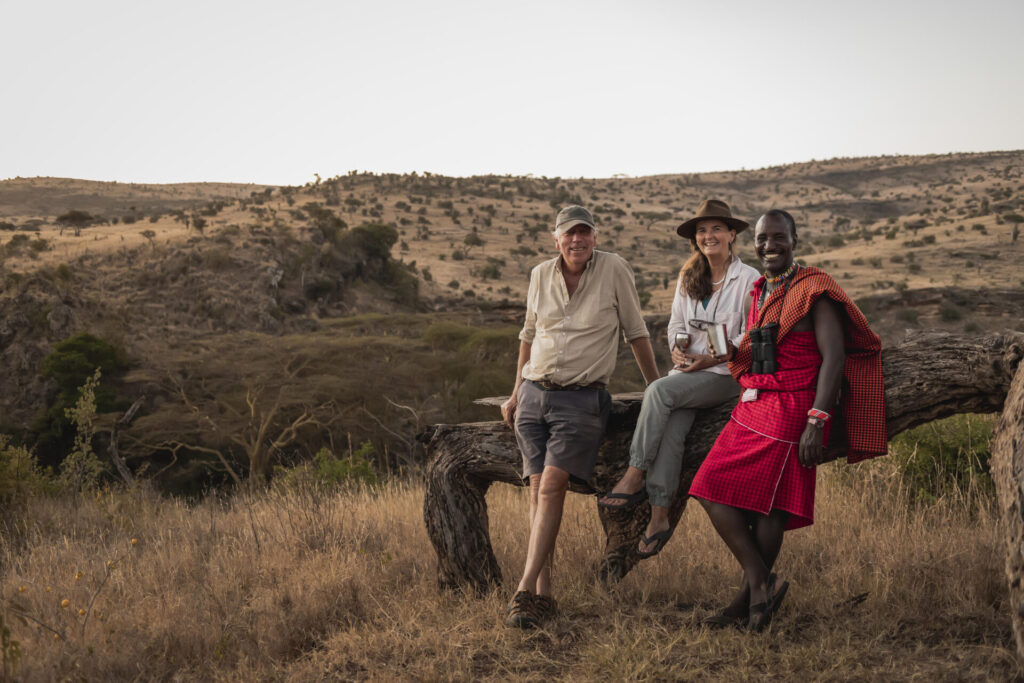
A conservancy safari isn’t just another way to experience Kenya, it is an entirely different style of safari.
The most noticeable difference is exclusivity. Most private conservancies strictly cap guest numbers and prohibit day visitors altogether. Rather than competing with dozens of vehicles for wildlife sightings, you may spend an entire morning observing a leopard, elephant herd, or lion pride with only one or two other vehicles nearby, or sometimes completely alone.
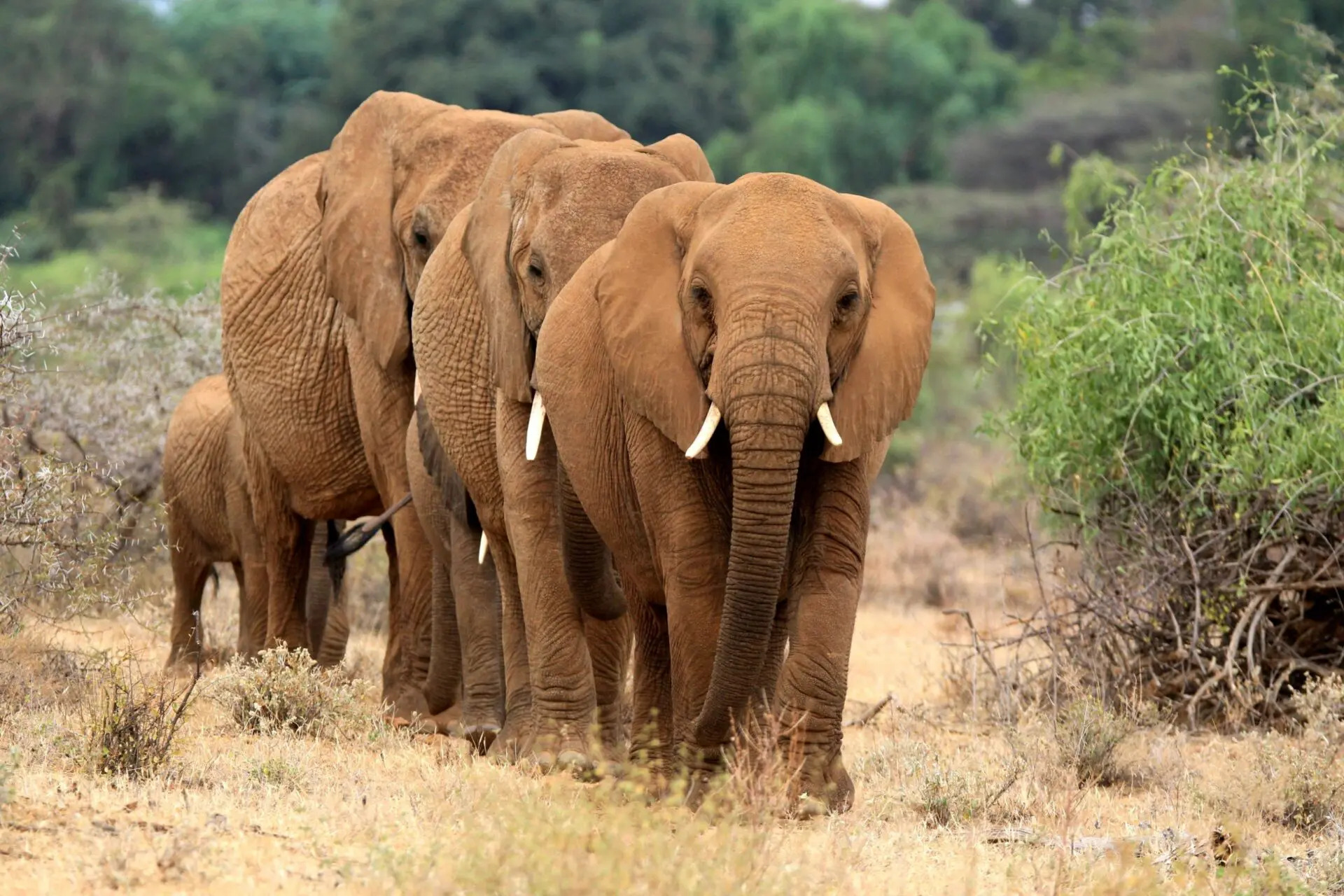
This lets guides spend longer interpreting animal behavior rather than rushing between sightings. You’ll notice details that often go unseen: elephant families communicating through low-frequency rumbles, cheetah cubs practicing hunting techniques, or lionesses patiently teaching young cubs survival skills. Unlike most national reserves, many wildlife conservancies also permit activities that create a far richer understanding of the ecosystem.
Night game drives reveal elusive nocturnal wildlife including aardwolves, servals, civets, porcupines, and bush babies. Guided walking safaris introduce the smaller details often overlooked from a vehicle, from medicinal plants and animal tracks to insects, birds, and the intricate relationships that sustain the entire ecosystem. In designated areas, experienced guides may also drive off established tracks to position you responsibly for exceptional wildlife photography while minimizing environmental impact.
For many seasoned safari travelers, a private conservancy becomes the natural next step after visiting Kenya’s famous national parks.
Kenya is home to more than 230 registered conservancies, protecting millions of acres across the country. Together they represent one of the world’s most successful examples of community-led conservation, creating vital wildlife corridors that connect national parks and safeguard threatened species.
While every Kenya conservancy has its own unique appeal, this guide focuses on eight outstanding destinations spanning the legendary Masai Mara ecosystem and the wildlife-rich landscapes of Laikipia. Each with exceptional guiding, remarkable biodiversity, and meaningful conservation initiatives that elevate every safari experience.
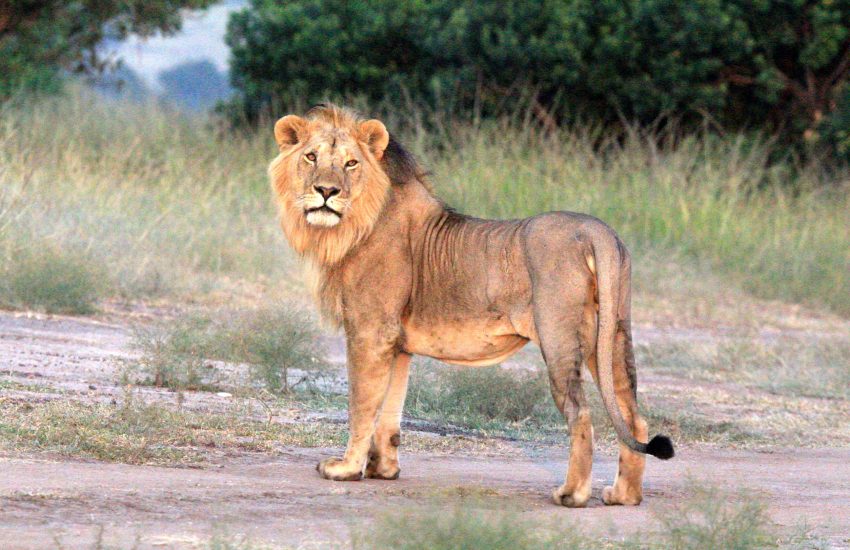
Perhaps no private conservancy in Africa demonstrates the power of conservation quite like the Ol Pejeta Conservancy.
On the plains between the foothills of Mount Kenya and the Aberdare Range, Ol Pejeta has spectacular game viewing with one of Africa’s most ambitious wildlife conservation programs. It is internationally recognized for protecting East Africa’s largest population of black rhinos and serving as home to the world’s last two remaining northern white rhinos.
Beyond its rhino conservation achievements, the conservancy supports healthy populations of elephants, lions, leopards, buffalo, cheetahs, hyenas, giraffes, zebras, and countless antelope species. Chimpanzees rescued from across Central Africa also live within the Sweetwaters Chimpanzee Sanctuary, the only sanctuary of its kind in Kenya.
Activities are exceptionally varied. One morning may focus on tracking predators across open plains, while the afternoon could involve meeting anti-poaching teams, visiting rhino monitoring programs, or learning first-hand how conservation science shapes the future of endangered species.

Originally established as a cattle ranch, Lewa Wildlife Conservancy has evolved into one of Africa’s leading conservation success stories, protecting globally significant populations of both black and white rhinos while providing sanctuary for the endangered Grevy’s zebra, reticulated giraffe, and numerous other threatened species.
Its landscape is breathtakingly diverse. Rolling grasslands merge into ancient acacia woodland before rising toward dramatic views of Mount Kenya. This variation supports an impressive diversity of wildlife, making every game drive feel distinctly different.
Lewa’s exclusivity defines the experience. Strict visitor limits make sure that game drives remain uncrowded, allowing you to spend time interpreting wildlife behavior rather than moving rapidly between sightings.
Conservation extends well beyond wildlife protection. Lewa invests heavily in education, healthcare, water infrastructure, and sustainable livelihoods throughout neighboring communities, demonstrating how carefully managed tourism creates long-term benefits for both people and wildlife.
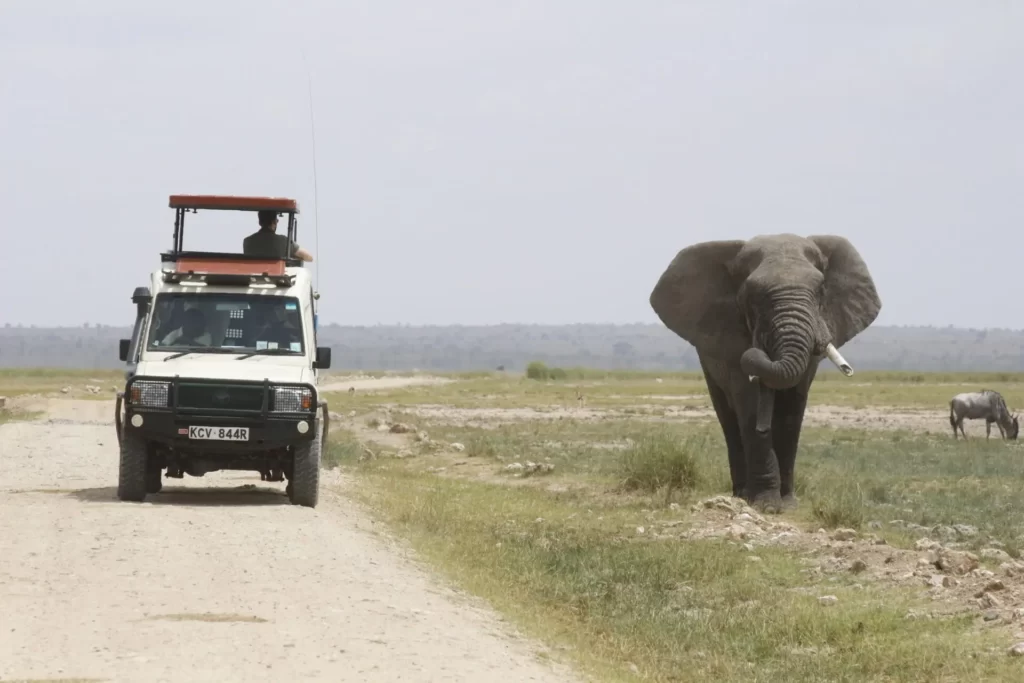
Bordering the world-famous Masai Mara National Reserve, Mara Naboisho Conservancy, represents everything that makes Kenya’s community conservancy model so successful.
Owned collectively by approximately 500 Maasai landowners, the conservancy was created to preserve critical wildlife habitat while generating sustainable income for local families through responsible tourism. Instead of relying solely on traditional livestock grazing, participating landowners receive tourism stipends that directly support both conservation and community livelihoods. The result is one of the richest wildlife ecosystems anywhere in East Africa.
Naboisho has earned an international reputation for its remarkable lion density, with several resident prides regularly seen throughout the conservancy. Leopards, cheetahs, elephants, giraffes, buffalo, hyenas, and abundant plains game also thrive within its protected grasslands and acacia woodlands.
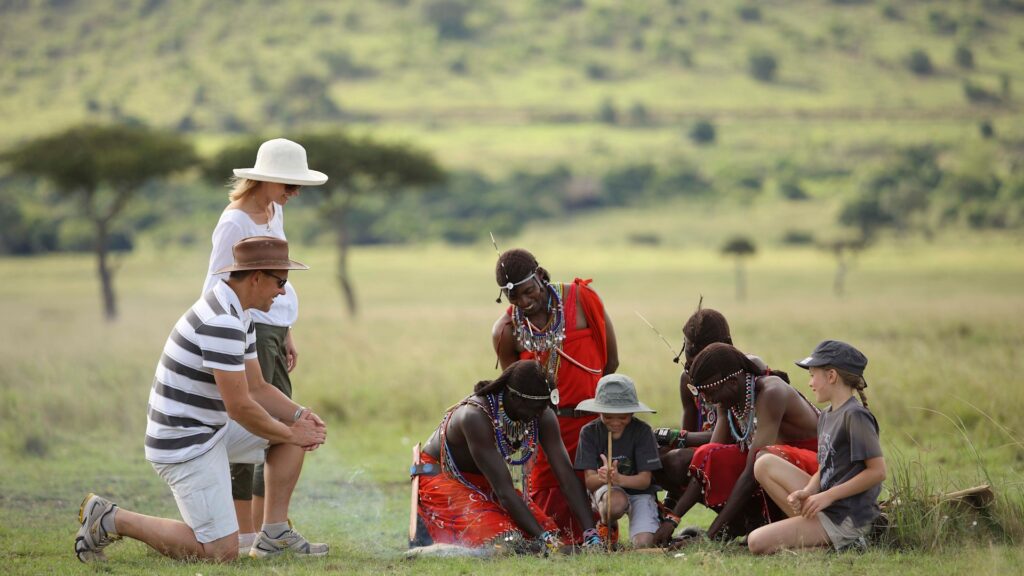
Night drives and guided walking safaris provide another significant advantage. Watching predators emerge after sunset or exploring the bush on foot with an experienced Maasai guide brings perspectives that many travelers never experience on a traditional safari.
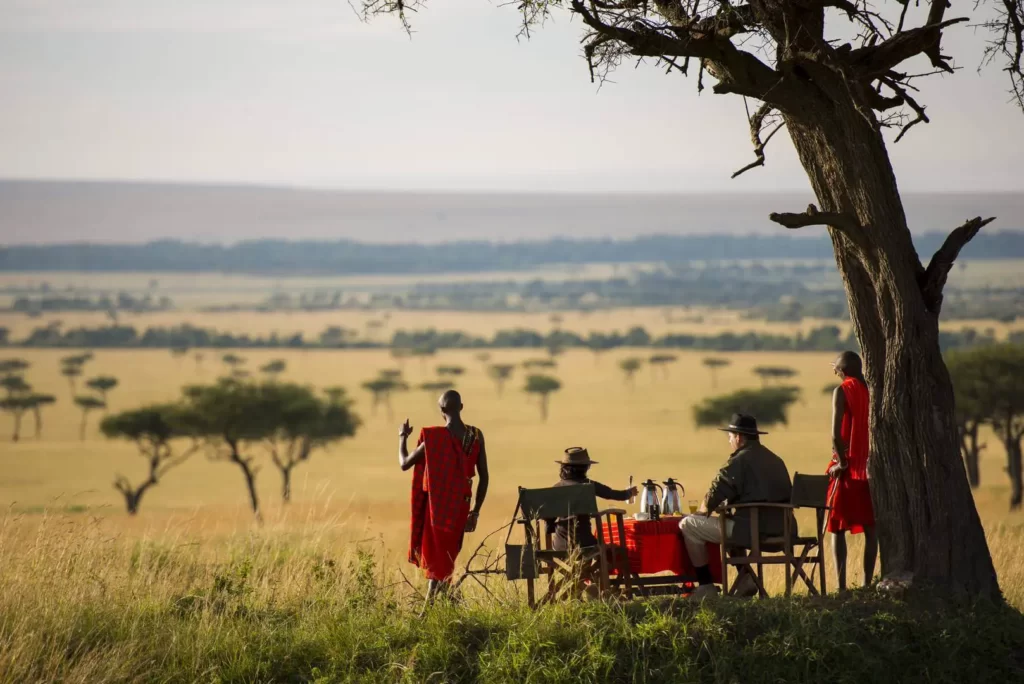
Sharing a boundary with the Masai Mara National Reserve, Mara North Conservancy is one of the most wildlife-rich areas within the greater Mara ecosystem. Covering more than 74,000 acres of protected wilderness, it is managed through a partnership between Maasai landowners and a collection of carefully selected safari camps, creating a model where tourism directly supports conservation and local livelihoods.
The conservancy is renowned for having one of the highest concentrations of wildlife in the Mara ecosystem. The Big Five are all present, while healthy populations of cheetahs, hyenas, giraffes, zebras, and countless plains game species make every game drive exceptional. It is also one of Kenya’s premier destinations for leopard sightings, with the dramatic Leopard Gorge becoming synonymous with some of East Africa’s most iconic wildlife documentaries.
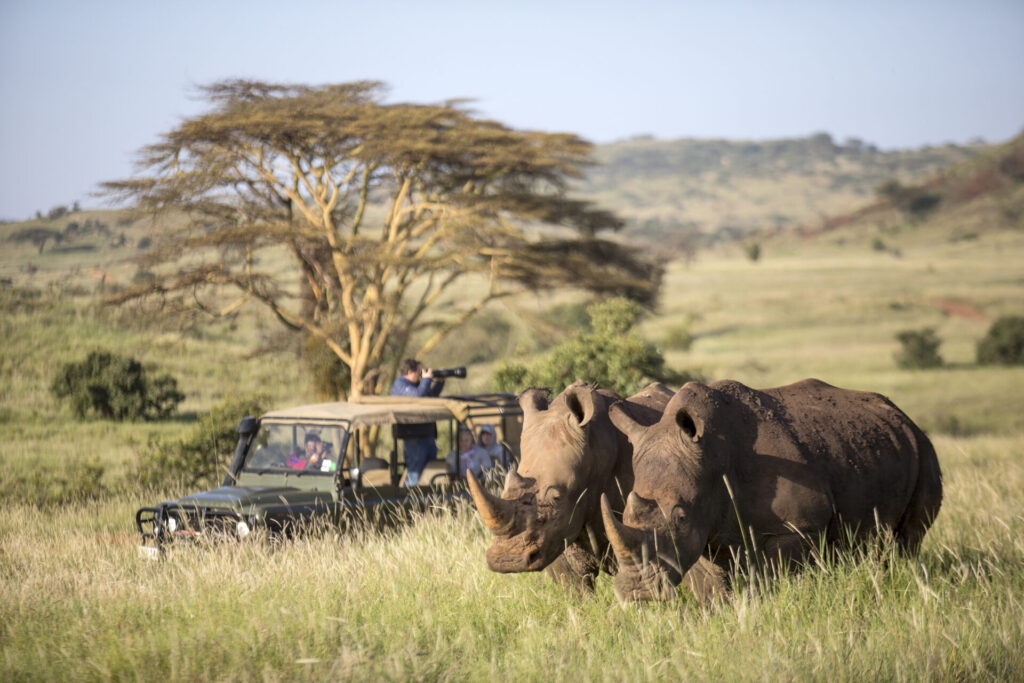
Neighboring Lewa on the foothills beneath Mount Kenya, Borana Conservancy is one of Africa’s most respected conservation success stories. Originally established as a working cattle ranch, Borana has evolved into a thriving wildlife conservancy where sustainable tourism, livestock management, and conservation work together to protect one of Kenya’s most important ecosystems.
Borana plays a significant role in Kenya’s rhino conservation efforts, supporting both black and white rhino populations while contributing to one of the country’s largest connected conservation landscapes alongside Lewa. Together, these neighboring conservancies create a vast protected habitat supporting elephants, lions, endangered African wild dogs, Grevy’s zebras, reticulated giraffes, and more than 300 recorded bird species.
Activities extend well beyond traditional game drives, with horseback safaris, mountain biking, guided walks, and behind-the-scenes conservation experiences, letting you engage with the landscape in entirely different ways.

As the first community-owned conservancy established in the greater Masai Mara ecosystem, Ol Kinyei has become a benchmark for sustainable tourism. Maasai landowners lease their land for conservation, protecting crucial wildlife habitat while receiving a dependable income that benefits local families for generations to come.
The conservancy supports impressive populations of lions, cheetahs, leopards, elephants, buffalo, and abundant plains game, yet visitor numbers remain exceptionally low. It is not unusual to spend an entire morning exploring the conservancy while encountering very few other safari vehicles. Its varied landscapes (rolling grasslands, seasonal rivers, scattered acacia forests, and rocky outcrops) provide excellent opportunities for photographers seeking diverse compositions and beautiful natural light.
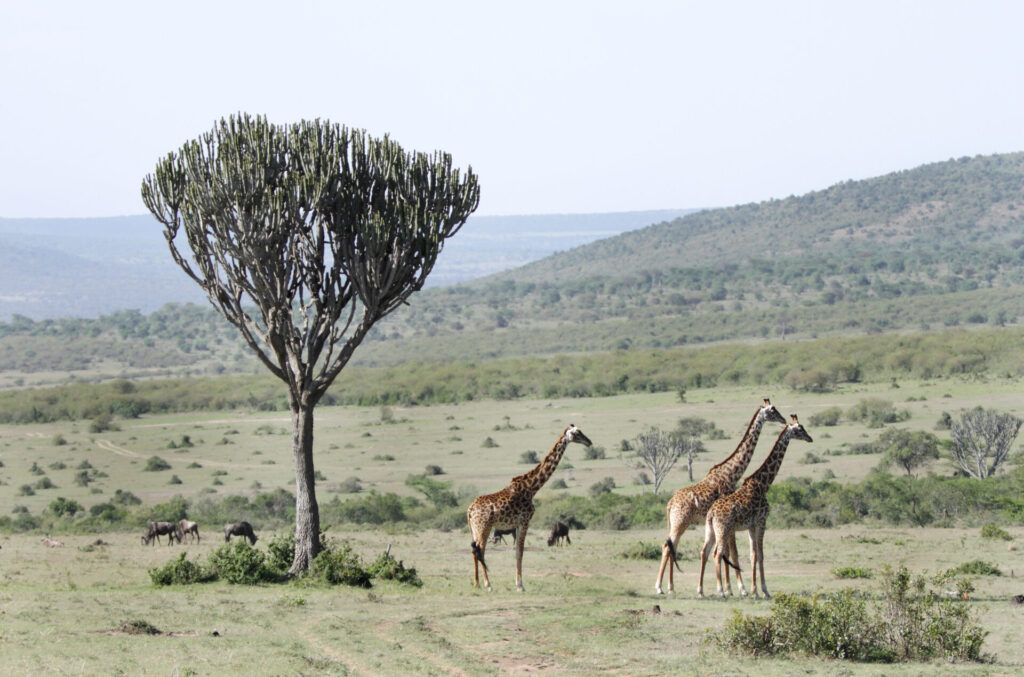
Within the Amboseli ecosystem, Selenkay Conservancy is an experience that feels wonderfully different from Kenya’s northern conservancies. Bordering Amboseli National Park, this privately managed conservation area is known for its spectacular views of Mount Kilimanjaro, thriving elephant populations, and close partnership with the local Maasai community.
Selenkay is home to lions, cheetahs, giraffes, zebras, hyenas, wildebeest, and numerous antelope species, while more than 300 bird species make it particularly attractive for birdwatchers. Because tourism is intentionally limited, wildlife encounters are peaceful, allowing guides to interpret the landscape without the distractions of larger visitor numbers.
The conservancy also has guided bush walks led by Maasai guides whose knowledge extends beyond wildlife to include traditional medicinal plants, tracking techniques, local history, and centuries-old cultural traditions.
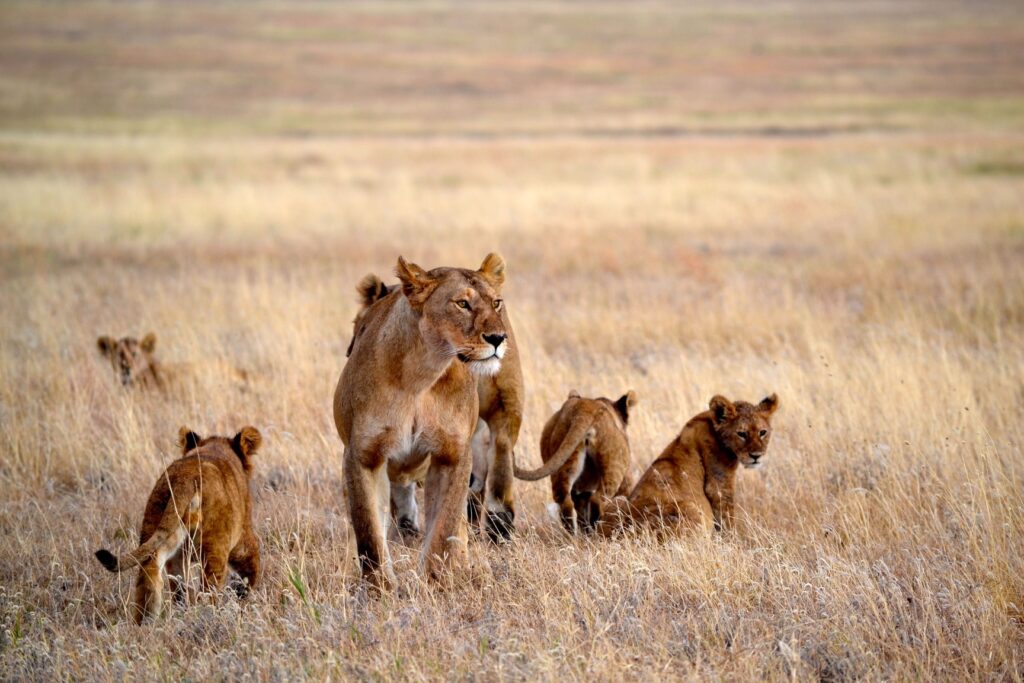
While Tsavo National Park is one of Kenya’s largest protected areas, several surrounding conservancies provide an entirely different way to experience this vast wilderness. Often overlooked by first-time visitors focused on the Masai Mara, the greater Tsavo ecosystem protects enormous populations of elephants, lions, leopards, buffalo, lesser kudu, gerenuk, and an astonishing diversity of birdlife across dramatically varied landscapes.
Private conservancies surrounding Tsavo have lower visitor density, exclusive accommodation, and access to activities including guided walks and night drives that are unavailable within much of the national park itself. The scenery here is wonderfully varied, from volcanic hills and ancient lava flows to riverine forests, open savanna, and the striking red earth that famously colors Tsavo’s elephants.
For repeat visitors looking beyond Kenya’s best-known safari circuit, Tsavo’s conservancies are an ideal choice for those willing to explore one of East Africa’s last great wilderness landscapes.
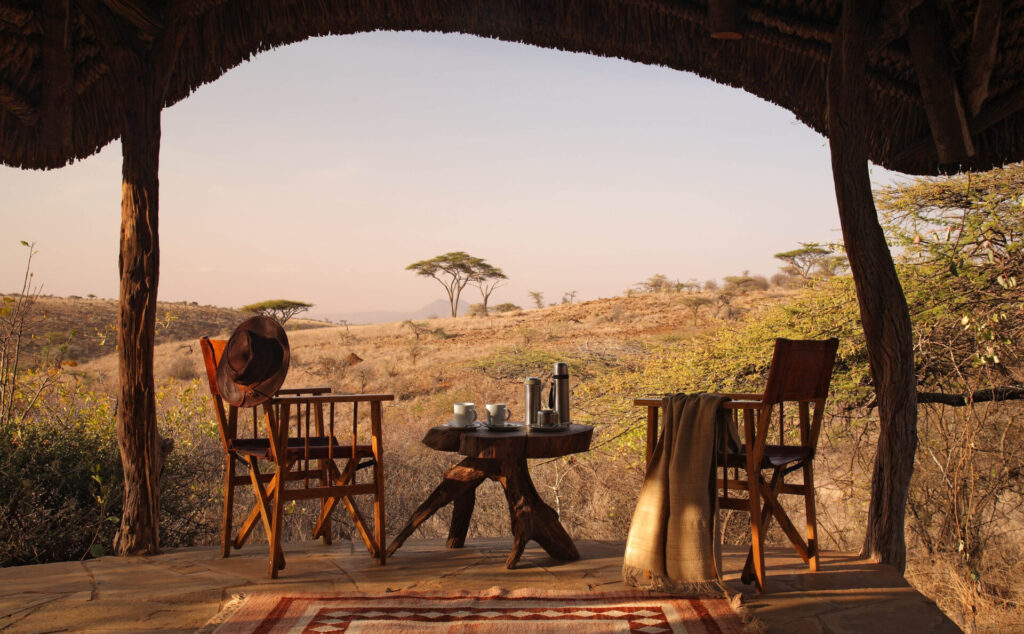
Choosing the right Kenya conservancy depends largely on the type of safari you hope to experience.
If seeing the Great Migration, following big cat populations, or combining iconic wildlife with exclusive game viewing is your priority, conservancies bordering the Masai Mara National Reserve are difficult to surpass. Mara Naboisho Conservancy, Mara North Conservancy, Ol Kinyei Conservancy, and neighboring conservancies provide exceptional predator sightings, fewer safari vehicles, and experiences such as walking safaris and night drives that complement a traditional Mara itinerary beautifully.
Travelers interested in endangered species, conservation initiatives, and the landscapes surrounding Mount Kenya should look toward Laikipia. Ol Pejeta Conservancy, Lewa Wildlife Conservancy and Borana Conservancy have some of Africa’s most significant rhino conservation programs while pairing naturally with destinations such as Samburu, Solio, and Mount Kenya.
Those exploring Amboseli can elevate their itinerary with a stay in Selenkay Conservancy, while those looking to discover Kenya beyond its classic safari circuit will find the Tsavo conservancies the perfect fit.
At Flash McTours, every itinerary is tailored around your travel style rather than fixed departures. Whether you want a safari focused on photography, family travel, conservation, luxury lodges, or the Great Migration, we can seamlessly incorporate a private conservancy into almost any Kenya itinerary, either as the centerpiece of your journey or as an addition to a broader adventure.
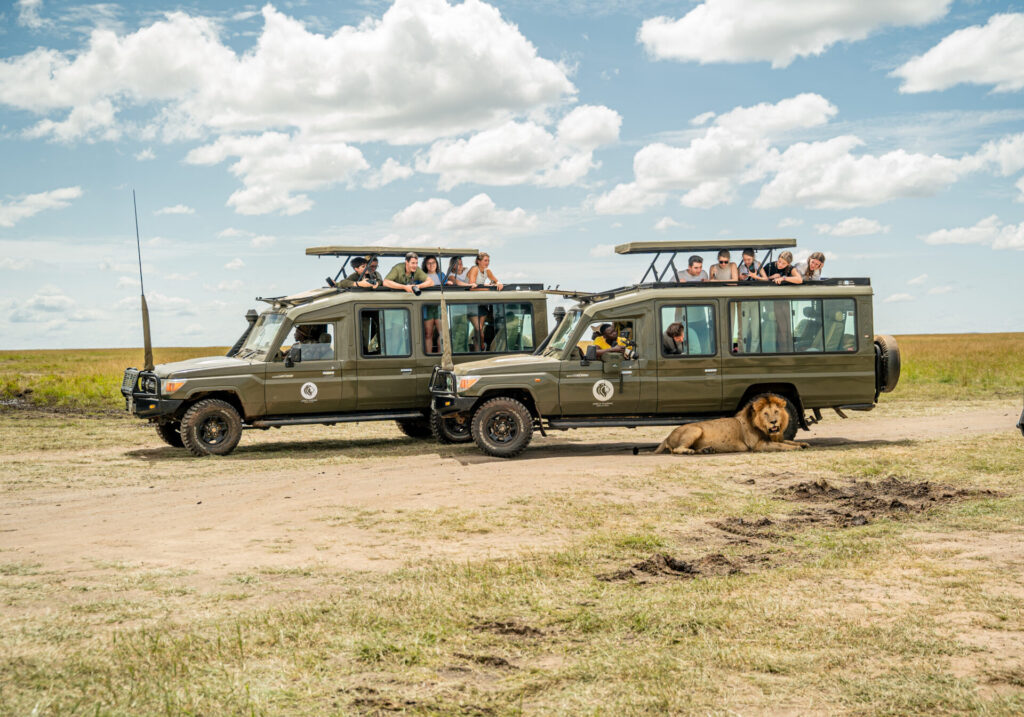
Choosing a private conservancy means choosing a more exclusive safari experience. You’ll enjoy fewer vehicles at wildlife sightings, access to activities unavailable in many national reserves, and the knowledge that your journey directly contributes to protecting Kenya’s extraordinary wildlife while supporting the communities who share the landscape with it.
Whether you’re dreaming of rhino tracking in Laikipia, watching lions roam the grasslands of the Mara ecosystem, or walking through the bush alongside experienced Maasai guides, Flash McTours will design a tailor-made itinerary that reflects your interests and travel style.
Contact Flash McTours today to start planning your Kenya Conservancy Safari.
What is the difference between a national park and a private conservancy?
National parks and reserves are managed by government authorities and are generally open to both overnight guests and day visitors. A private conservancy is managed by private landowners or community partnerships, with visitor numbers carefully limited.
Can you do night game drives in a Kenya conservancy?
Yes. One of the greatest advantages of a conservancy safari is access to activities that are generally prohibited within most national parks and reserves. Many private conservancies in Kenya have night game drives, guided walking safaris, and carefully managed off-road wildlife viewing.
Which private conservancy is best for seeing rhinos?
Both Ol Pejeta Conservancy and Lewa Wildlife Conservancy are among Africa’s premier destinations for rhino conservation. Together they protect internationally significant populations of both black and white rhinos, making either conservancy an outstanding choice for travelers hoping to see these endangered animals in their natural habitat.
Can you combine a conservancy stay with the Masai Mara?
Absolutely. In fact, many experienced safari travelers consider this the ideal way to experience the Mara ecosystem.
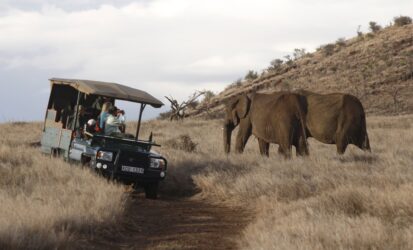


A pastoral mix of plains, rolling hills and forest, Lewa began as a cattle ranch before becoming perhaps the premier wildlife watching conservancy in Kenya. Protecting its wildlife, especially its rhi

Price From

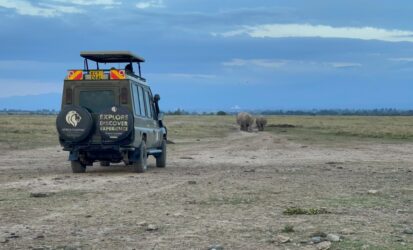


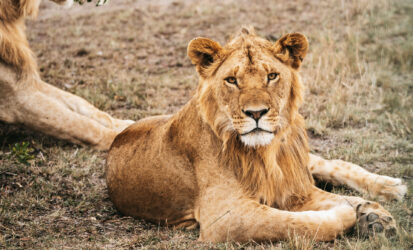
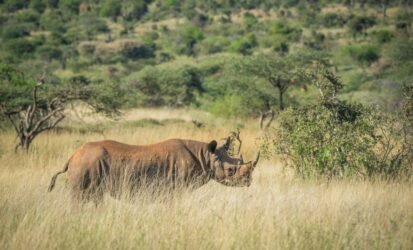
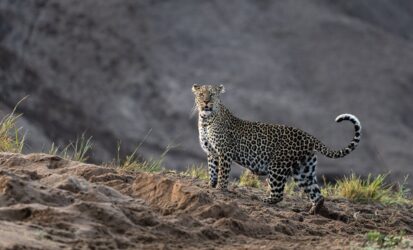


A safari adventure to this cattle ranch turned wildlife sanctuary is as breath taking as it is inspiring. It exists outside of the national park system in Kenya, but is internationally recognized for

Price From


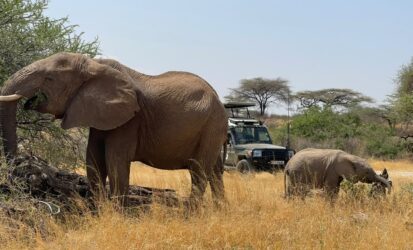


Our 5-day Ol Pejeta and Samburu Safari showcases two of Kenya’s most interesting wildlife destinations. Firstly you’ll visit the privately owned Ol Pejeta Conservancy, widely credited with savin
Price From
A pastoral mix of plains, rolling hills and forest, Lewa began as a cattle ranch before becoming perhaps the premier wildlife watching conservancy in Kenya. Protecting its wildlife, especially its rhi
Price From
A safari adventure to this cattle ranch turned wildlife sanctuary is as breath taking as it is inspiring. It exists outside of the national park system in Kenya, but is internationally recognized for
Price From
Our 5-day Ol Pejeta and Samburu Safari showcases two of Kenya’s most interesting wildlife destinations. Firstly you’ll visit the privately owned Ol Pejeta Conservancy, widely credited with savin
Price From
If you don't want to miss useful and interesting articles, leave us your email.
Also you will be the first to know about all discounts and offers.









Personalized service by travel experts with first-hand knowledge

Customizable tours to your preference

400+ 5-star TripAdvisor and Google reviews

Booking Security - Money - back guarantee & 24/7 support