| Activity |
Long Dry Season Jun–Sep |
Short Wet Season Oct–Nov |
Short Dry Season Dec–Feb |
Long Wet Season Mar–May |
|---|---|---|---|---|
| Wildlife safaris, Great Migration, trekking | Excellent | Good | High | Fair |
| Calving season in the Serengeti, beach escapes in Zanzibar | Good | Good | Excellent | Fair |
| Birdwatching | Fair | Excellent | Good | Excellent |
| Budget travel, birding | Fair | Excellent | Good | Excellent |

The Serengeti migration months, from December through July, mark one of Earth’s greatest natural spectacles. Between January and March, the herds gather in the southern Serengeti for calving season, when tens of thousands of wildebeest are born on the open plains. By May and June, the columns begin moving northward, culminating in dramatic river crossings at the Grumeti and Mara Rivers between July and September.

For classic, dry-season safari conditions, June to October is Tanzania at its best. The vegetation thins, water sources shrink, and animals gather in spectacular concentrations. Explore the Serengeti National Park, where lions and cheetahs stalk the plains; the Ngorongoro Crater, with its dense wildlife and stunning scenery; and Tarangire National Park, known for vast elephant herds under towering baobabs.

From November to April, the short and long rains turn Tanzania into a lush paradise for birders. Migratory species from Europe and Asia flock to the wetlands, and resident birds show off their breeding plumage. The Rift Valley lakes shimmer with flamingos, Ruaha echoes with lilac-breasted rollers, and Nyerere (formerly Selous) becomes a sanctuary for fish eagles and kingfishers.

Zanzibar’s best time to visit is during the short dry season from December to March and again from June to October, when the weather is warm, dry, and ideal for swimming, diving, and sailing. On these spice-scented islands, pristine beaches meet coral reefs, and centuries of Swahili history fill the alleys of Stone Town.
Climate varies by season, offering distinct experiences throughout the year. Average daytime temperatures range from 18 °C to 32 °C (64 °F–90 °F), with two main rainy periods.

January
A great time for game viewing and beach holidays, with hot temperatures and little to no rain. It’s the peak of the dry summer season. The wildebeest calving season begins in the southern Serengeti, offering dynamic predator-prey action.
February
Ideal for safaris with minimal rainfall, especially as the wildebeest calving continues in the Serengeti. Warm days and cool evenings in the highlands; hot on the coast. Also a good month to climb Mount Kilimanjaro or enjoy Zanzibar for island activities.

March
The weather shifts from hot and dry to wet and rainy, with muddy landscapes and some impassable roads. However, it’s less crowded and more affordable.
April
One of Kenya’s wettest months. Though game drives can be tough, lush greenery and dramatic skies make it a great time for photographers. Just prepare for the rain
May
The long rains dominate, and coastal areas lose their beach appeal. Not ideal for a sunshine escape.

Late July
The first herds cross into the Mara, offering dramatic river-crossing scenes. The weather is dry and temperate, with occasional light showers.
August
Migration is in full swing—zebras and wildebeest cross crocodile-filled rivers, creating thrilling wildlife encounters.
September
Remains dry with excellent game viewing.
October
The herds begin to depart, but resident wildlife ensures the safari action continues.

November
Marks the start of the short rains. While some camps in Laikipia close, most parks remain open, offering fewer crowds and lower prices.
December
Can be hot with occasional rain, but wildlife viewing is excellent, and birdlife peaks—making it ideal for birdwatchers.
Explore Tanzania through expertly crafted itineraries that reveal its breathtaking contrasts, from the drama of the Serengeti plains to the calm of Zanzibar’s coral-fringed beaches. Each journey with Flash McTours is designed to go beyond sightseeing, blending seamless logistics with authentic experiences and expert local guides. With handpicked lodges, 24/7 support, and insider access, your adventure will be as effortless as it is unforgettable.


Jambo! Welcome to East Africa - the home of the African safari. This seven-day Tanzania and Kenya Safari has been tailor-made to showcase four of the region’s premier wildlife destinations. Yo
Price From


Jambo! Welcome to Tanzania. Our 4-day Serengeti and Ngorongoro Fly-In Safari from Zanzibar. This tour is perfect for those who would like to add an exciting safari to their beach holiday. Th
Price From

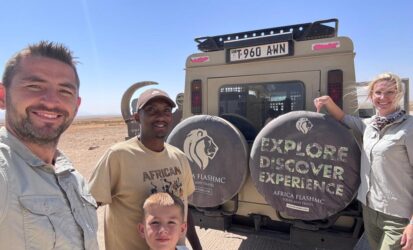

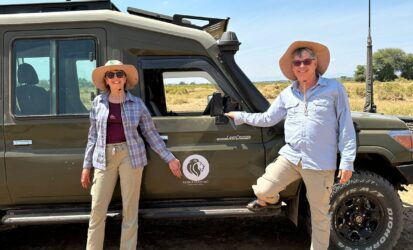
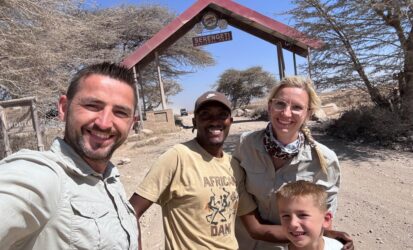
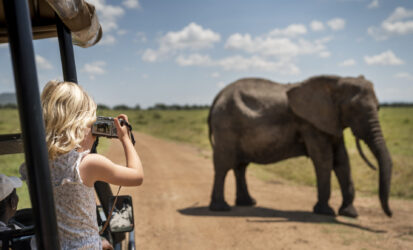
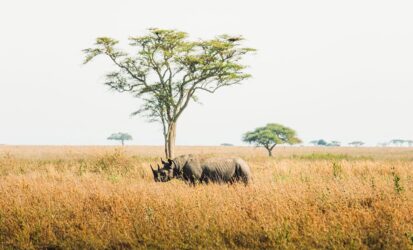
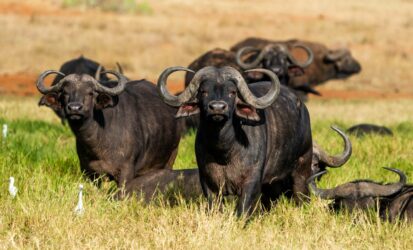
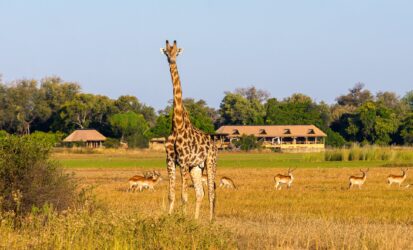
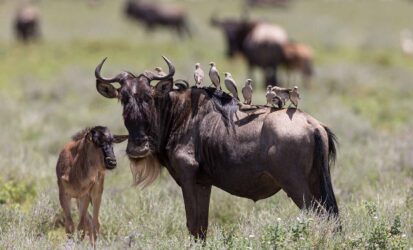

This thrilling 9-day safari of Tanzania’s ‘Northern Circuit’ can be undertaken at any time of year, as the amazing parks are world-renowned for being home to a large abundance of the Big Five an

Price From
Jambo! Welcome to East Africa - the home of the African safari. This seven-day Tanzania and Kenya Safari has been tailor-made to showcase four of the region’s premier wildlife destinations. Yo
Price From
Jambo! Welcome to Tanzania. Our 4-day Serengeti and Ngorongoro Fly-In Safari from Zanzibar. This tour is perfect for those who would like to add an exciting safari to their beach holiday. Th
Price From
This thrilling 9-day safari of Tanzania’s ‘Northern Circuit’ can be undertaken at any time of year, as the amazing parks are world-renowned for being home to a large abundance of the Big Five an
Price From
The best time to visit Tanzania for a safari is during the long dry season from June to October, when wildlife is easiest to spot around water sources and the weather is clear and comfortable.
The Serengeti migration months peak between July and September, when dramatic river crossings occur. For calving season and newborn wildlife, visit between January and March in the southern Serengeti.
Yes, while April and May bring heavy rain, the showers are usually brief, and Zanzibar remains beautiful and uncrowded. The short rains in November often create lush, photogenic scenery without major travel disruptions.
Absolutely. January is one of the best times to see the Great Migration Tanzania calving season in Ndutu, with predators in abundance and excellent photography conditions.
The most affordable time to travel is during the long rains (March to May), when lodge rates drop significantly. Though some camps close, you’ll enjoy solitude, green landscapes, and great birdwatching.
Do you have any other questions?
Get in touch with one of our experts for a free consultation.









Personalized service by travel experts with first-hand knowledge

Customizable tours to your preference

400+ 5-star TripAdvisor and Google reviews

Booking Security - Money - back guarantee & 24/7 support
