| Activity |
Long Dry Season Jun–Oct |
Short Wet Season Oct–Nov |
Short Dry Season Dec–Feb |
Long Wet Season Mar–May |
|---|---|---|---|---|
| Wildlife Viewing (Nairobi NP) | Excellent | Good | Excellent | Fair |
| City & Culture | Excellent | Excellent | Excellent | Excellent |
| Photography | Excellent | Excellent | Excellent | Excellent |
| Travel Value | High | High | Good | Off-peak |

Nairobi’s vibrant city life, from art galleries to bustling markets, is enjoyable in all seasons, but the short dry season (December – February) has the most pleasant weather for walking tours and dining outdoors. This is also a festive period, when the city’s gardens are lush, and temperatures average a warm 23–26 °C (73–79 °F).

The long dry season (June – October) has the clearest skies and best light for cityscapes and wildlife shots. The rainy seasons (March – May and October – November) create dramatic backdrops: stormy skies, green hills, and atmospheric sunsets. Many photographers consider April and November particularly striking.

If you’re looking for the cheapest time to travel to Nairobi, consider the long rains (March – May). While showers are heavier, they usually fall in the afternoons, leaving mornings relatively clear. Hotels and lodges often run specials, and popular attractions are quieter, giving you a more intimate experience.
Nairobi enjoys a mild, spring-like climate year-round thanks to its elevation of about 1,795 meters (5,889 feet). Days are generally warm, while mornings and evenings can be refreshingly cool. Average daytime temperatures range from 20°C to 27°C (68°F–81°F). The city experiences two rainy seasons, the long rains from March to May and the short rains from October to November, but sunshine and blue skies are never far away. Whether you’re here for a pre-safari stay, city exploration, or simply to unwind before flying home, every month offers something special in Kenya’s lively capital.

January
Excellent for city tours and wildlife viewing within Nairobi National Park. The air is fresh, and sunsets over the Ngong Hills are spectacular.
February
Another dry, pleasant month with warm days and cool nights, perfect for day trips to Karen Blixen Museum, Karura Forest, or a rooftop sundowner overlooking the city.

March
The rains begin late in the month; mornings remain clear and cool. Great for photography and visiting indoor attractions.
April
The wettest month in Nairobi, perfect for coffee lovers, museum visits, or cozy evenings in boutique hotels.
May
Rains ease by mid-month, leaving the city green, quiet, and peaceful. A lovely time for botanical garden walks and local cultural tours

June
Cool and fresh, ideal for city walks, markets, and museum visits.
July
One of the coolest months, with clear skies and golden winter light, a photographer’s dream.
August
Comfortably dry and mild. Perfect for pre-safari stays or exploring Nairobi’s dining and art scene.
September & October
Warmer, drier, and excellent for outdoor events, rooftop dining, and city safaris before the short rains arrive.

November
Rainfall is scattered and short-lived; a great month for birdwatching and photography.
December
One of the most vibrant months in Nairobi, think festive markets, warm evenings, and excellent safari weather. Book early, as hotels fill fast for the holiday season.
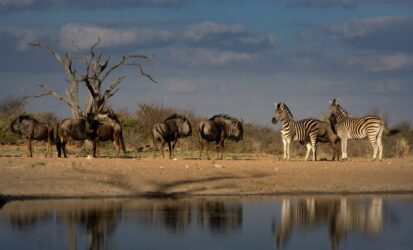
While game drives are possible year-round, the dry seasons (June – October and December – February) are considered the best time to visit Nairobi for wildlife. Skies are clear, vegetation is low, and animals gather at waterholes, making sightings easier. July through September is especially rewarding, with cool mornings and comfortable conditions for full-day safaris.
If you’re planning a longer safari, this is also the best window to connect Nairobi with Kenya’s great parks such as Amboseli and the Masai Mara.
General weather summary in November
Feel like
-
What to wear
-
Daylight length
-
Chance of rain
-
Amount
-
Wind speed
-
Humidity
-
Sunrise
-
Sunset
-
C°
Temperature
F°
30
20
10
0
86
68
50
32
General weather summary in December
Feel like
-
What to wear
-
Daylight length
-
Chance of rain
-
Amount
-
Wind speed
-
Humidity
-
Sunrise
-
Sunset
-
C°
Temperature
F°
30
20
10
0
86
68
50
32
General weather summary in January
Feel like
-
What to wear
-
Daylight length
-
Chance of rain
-
Amount
-
Wind speed
-
Humidity
-
Sunrise
-
Sunset
-
C°
Temperature
F°
30
20
10
0
86
68
50
32
General weather summary in February
Feel like
-
What to wear
-
Daylight length
-
Chance of rain
-
Amount
-
Wind speed
-
Humidity
-
Sunrise
-
Sunset
-
C°
Temperature
F°
30
20
10
0
86
68
50
32
General weather summary in March
Feel like
-
What to wear
-
Daylight length
-
Chance of rain
-
Amount
-
Wind speed
-
Humidity
-
Sunrise
-
Sunset
-
C°
Temperature
F°
30
20
10
0
86
68
50
32
General weather summary in April
Feel like
-
What to wear
-
Daylight length
-
Chance of rain
-
Amount
-
Wind speed
-
Humidity
-
Sunrise
-
Sunset
-
C°
Temperature
F°
30
20
10
0
86
68
50
32
General weather summary in May
Feel like
-
What to wear
-
Daylight length
-
Chance of rain
-
Amount
-
Wind speed
-
Humidity
-
Sunrise
-
Sunset
-
C°
Temperature
F°
30
20
10
0
86
68
50
32
General weather summary in June
Feel like
-
What to wear
-
Daylight length
-
Chance of rain
-
Amount
-
Wind speed
-
Humidity
-
Sunrise
-
Sunset
-
C°
Temperature
F°
30
20
10
0
86
68
50
32
General weather summary in July
Feel like
-
What to wear
-
Daylight length
-
Chance of rain
-
Amount
-
Wind speed
-
Humidity
-
Sunrise
-
Sunset
-
C°
Temperature
F°
30
20
10
0
86
68
50
32
General weather summary in August
Feel like
-
What to wear
-
Daylight length
-
Chance of rain
-
Amount
-
Wind speed
-
Humidity
-
Sunrise
-
Sunset
-
C°
Temperature
F°
30
20
10
0
86
68
50
32
General weather summary in September
Feel like
-
What to wear
-
Daylight length
-
Chance of rain
-
Amount
-
Wind speed
-
Humidity
-
Sunrise
-
Sunset
-
C°
Temperature
F°
30
20
10
0
86
68
50
32
General weather summary in October
Feel like
-
What to wear
-
Daylight length
-
Chance of rain
-
Amount
-
Wind speed
-
Humidity
-
Sunrise
-
Sunset
-
C°
Temperature
F°
30
20
10
0
86
68
50
32





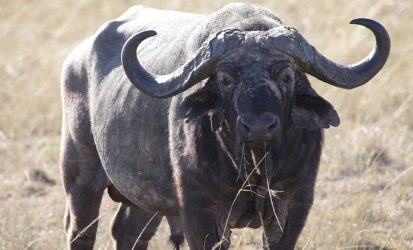
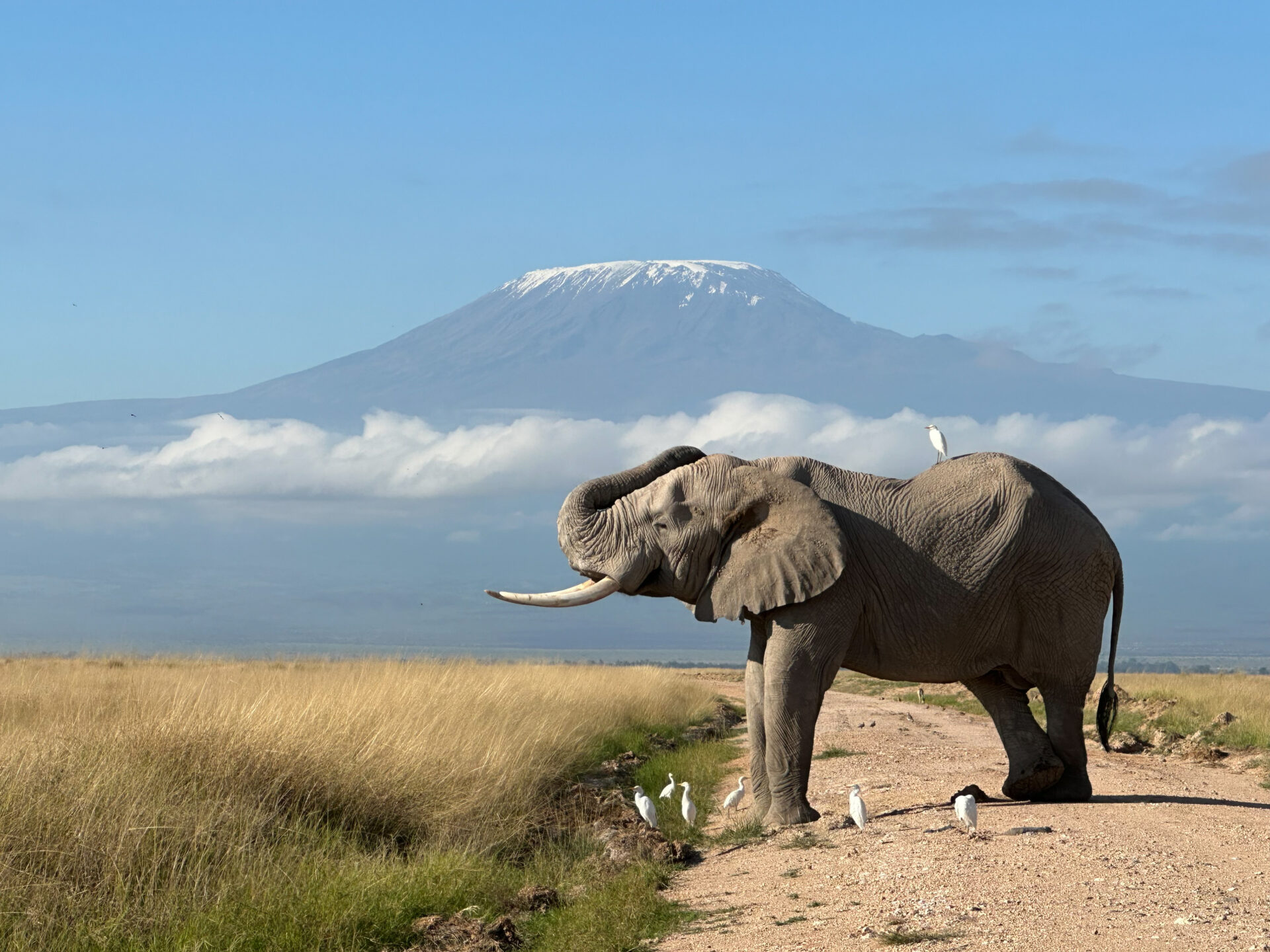

Take a break from the City Life on this day tour to Amboseli. The view of the Amboseli National Park, with elephant moving below the snow-capped peaks of Mount Kilimanjaro, is one of the most photogra

Price From




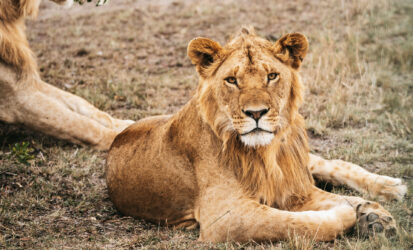

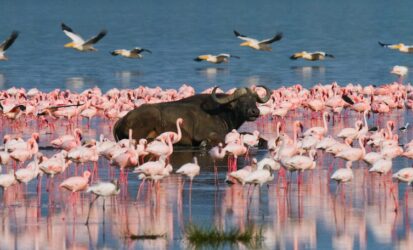


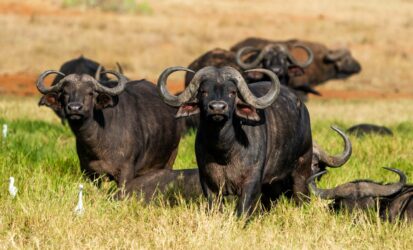
Lake Nakuru National Park is one of Kenya’s two Premium Parks, and is a birdlover’s paradise. It surrounds Lake Nakuru, located in the Central Rift Conservation Area in the Southern Rift Valley re

Price From
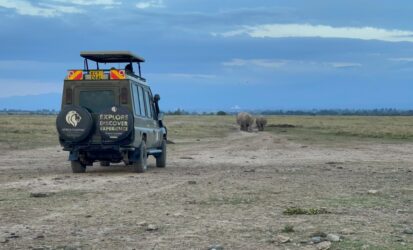



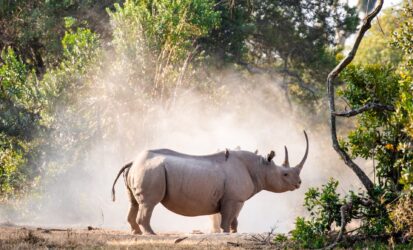


Ol Pejeta Conservancy offers one of a kind experiences which truly highlight what makes this beautiful region of Kenya so special.On this tour, you will get to see Nanyuki, a town on the foot of M

Price From
Take a break from the City Life on this day tour to Amboseli. The view of the Amboseli National Park, with elephant moving below the snow-capped peaks of Mount Kilimanjaro, is one of the most photogra
Price From
Lake Nakuru National Park is one of Kenya’s two Premium Parks, and is a birdlover’s paradise. It surrounds Lake Nakuru, located in the Central Rift Conservation Area in the Southern Rift Valley re
Price From
Ol Pejeta Conservancy offers one of a kind experiences which truly highlight what makes this beautiful region of Kenya so special.On this tour, you will get to see Nanyuki, a town on the foot of M
Price From
Thanks to its altitude (1,795 m / 5,889 ft), the Nairobi climate is pleasantly mild. Highs average 20–26 °C (68–79 °F) and lows 12–14 °C (54–57 °F). Evenings can feel cool, especially during the winter season in Nairobi (June – August).
The dry seasons (June – October and December – February) are the best time to travel to Nairobi, ideal for both wildlife viewing and city exploration.
The long rainy season (March – May) brings heavier showers, especially in April, while the short rainy season (October – November) has lighter, shorter rains. Both seasons turn the city green and are great for photography and birdwatching.
Yes. July is cool and dry, with clear skies and comfortable conditions. Expect chilly mornings (down to 12 °C / 54 °F), so bring warm layers for early game drives.
Summer in Nairobi refers to the dry months (June – October and December – February). Days are sunny and warm without being hot, thanks to the city’s altitude.
The long rainy season (March – May) usually offers the best value, with lower hotel rates and fewer visitors. While the rains can be heavy, indoor attractions and cultural experiences are plentiful.
Do you have any other questions?
Get in touch with one of our experts for a free consultation.









Personalized service by travel experts with first-hand knowledge

Customizable tours to your preference

400+ 5-star TripAdvisor and Google reviews

Booking Security - Money - back guarantee & 24/7 support
