DISCOVER ITS BEAUTY AND WILDLIFE
| Activity |
Long Dry Season Jun–Sep |
Short Wet Season Oct–Nov |
Short Dry Season Dec–Feb |
Long Wet Season Mar–May |
|---|---|---|---|---|
| Rhino & Big Game Viewing | Excellent | Good | Excellent | Good |
| Northern Species Viewing | Excellent | High | Excellent | Good |
| Birdwatching | Good | Excellent | Excellent | Good |
| Photography | Excellent | Good | High | Fair |

Lewa is a stronghold for black and white rhinos, and the long dry season (June – September) has exceptional visibility across its golden plains. Wildlife clusters near river lines, forest edges, and open savanna, creating ideal viewing conditions. The short dry season (December – February) is equally rewarding, with warm weather and high concentrations of elephants, buffalo, big cats, and northern species.

For those hoping to see Grevy’s zebras, reticulated giraffes, Somali ostriches, gerenuks, and beisa oryx, the dry seasons (June – October and December – February) deliver unparalleled sightings. Sparse vegetation keeps wildlife visible, and species thrive in Lewa’s semi-arid habitats during these cooler months.

Birders will find November – April the most rewarding period, when migratory species arrive and Lewa’s savanna, woodland, and riverine areas come alive with activity. Raptors are abundant during the dry months, while the wet season reveals vibrant breeding plumage and heightened bird movement throughout the conservancy.

Photographers love June – September for crystal-clear skies, sharp visibility, and the dramatic interplay of Mount Kenya’s snowy peak against Lewa’s amber plains. The green season (November – April) adds stormy clouds, saturated greens, and moodier, atmospheric light, ideal for creative landscape and wildlife compositions.
Lewa Wildlife Conservancy experiences a mild, semi-arid climate with warm days, cool nights, and distinct wet and dry seasons. Average daytime temperatures range from 72 – 82 °F (22 – 28 °C).

January
Bright mornings and excellent sightings of rhinos, elephants, and big cats.
February
Warm and reliable weather for both game drives and horseback safaris.

March
Green growth increases; excellent time for Grevy’s zebra and birding.
April
Wettest month, beautiful mist, dramatic skies, and evocative photos.
May
Still rainy but vibrant, with spectacular contrasts between vegetation and wildlife.

Late July
Rhinos are particularly active; extraordinary photographic conditions.
August
Cool, dry mornings for ideal game-drive visibility.
September
Warm, scenic, excellent time for hiking and horseback safaris.
October
Dry early on; landscapes shift dramatically as short rains approach.

November
Green landscapes and abundant birdlife; excellent for elephants.
December
Beautiful mix of sunshine and brief showers; wildlife highly active.
Lewa Wildlife Conservancy enjoys mild, pleasant temperatures year-round, typically ranging from 64 – 82 °F (18 – 28 °C). Dry seasons (June – October, December – February) have the best game viewing and accessibility, while the green season brings lush scenery and exceptional birdlife.
General weather summary in December
Feel like
-
What to wear
-
Daylight length
-
Chance of rain
-
Amount
-
Wind speed
-
Humidity
-
Sunrise
-
Sunset
-
C°
Temperature
F°
30
20
10
0
86
68
50
32
General weather summary in January
Feel like
-
What to wear
-
Daylight length
-
Chance of rain
-
Amount
-
Wind speed
-
Humidity
-
Sunrise
-
Sunset
-
C°
Temperature
F°
30
20
10
0
86
68
50
32
General weather summary in February
Feel like
-
What to wear
-
Daylight length
-
Chance of rain
-
Amount
-
Wind speed
-
Humidity
-
Sunrise
-
Sunset
-
C°
Temperature
F°
30
20
10
0
86
68
50
32
General weather summary in March
Feel like
-
What to wear
-
Daylight length
-
Chance of rain
-
Amount
-
Wind speed
-
Humidity
-
Sunrise
-
Sunset
-
C°
Temperature
F°
30
20
10
0
86
68
50
32
General weather summary in April
Feel like
-
What to wear
-
Daylight length
-
Chance of rain
-
Amount
-
Wind speed
-
Humidity
-
Sunrise
-
Sunset
-
C°
Temperature
F°
30
20
10
0
86
68
50
32
General weather summary in May
Feel like
-
What to wear
-
Daylight length
-
Chance of rain
-
Amount
-
Wind speed
-
Humidity
-
Sunrise
-
Sunset
-
C°
Temperature
F°
30
20
10
0
86
68
50
32
General weather summary in June
Feel like
-
What to wear
-
Daylight length
-
Chance of rain
-
Amount
-
Wind speed
-
Humidity
-
Sunrise
-
Sunset
-
C°
Temperature
F°
30
20
10
0
86
68
50
32
General weather summary in July
Feel like
-
What to wear
-
Daylight length
-
Chance of rain
-
Amount
-
Wind speed
-
Humidity
-
Sunrise
-
Sunset
-
C°
Temperature
F°
30
20
10
0
86
68
50
32
General weather summary in August
Feel like
-
What to wear
-
Daylight length
-
Chance of rain
-
Amount
-
Wind speed
-
Humidity
-
Sunrise
-
Sunset
-
C°
Temperature
F°
30
20
10
0
86
68
50
32
General weather summary in September
Feel like
-
What to wear
-
Daylight length
-
Chance of rain
-
Amount
-
Wind speed
-
Humidity
-
Sunrise
-
Sunset
-
C°
Temperature
F°
30
20
10
0
86
68
50
32
General weather summary in October
Feel like
-
What to wear
-
Daylight length
-
Chance of rain
-
Amount
-
Wind speed
-
Humidity
-
Sunrise
-
Sunset
-
C°
Temperature
F°
30
20
10
0
86
68
50
32
General weather summary in November
Feel like
-
What to wear
-
Daylight length
-
Chance of rain
-
Amount
-
Wind speed
-
Humidity
-
Sunrise
-
Sunset
-
C°
Temperature
F°
30
20
10
0
86
68
50
32
Explore Lewa through tailored wildlife itineraries that highlight its rhino conservation success, rare northern species, open savanna landscapes, community partnerships, and panoramic views of Mount Kenya. Flash McTours offers seamless planning, expert guides, and personalized journeys across one of Kenya’s most inspiring conservation destinations.


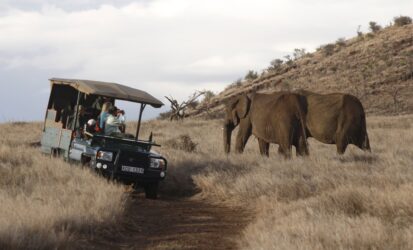


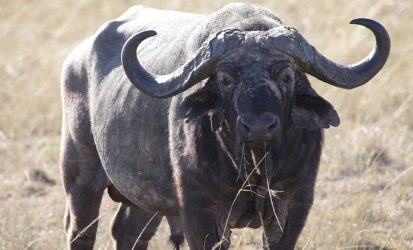
This six days safari combines the superb Lewa Conservancy in Laikipia in northern Kenya with the outstanding Masai Mara National Reserve in the south-west. Offering some of the best game viewing anywh

Price From


A pastoral mix of plains, rolling hills and forest, Lewa began as a cattle ranch before becoming perhaps the premier wildlife watching conservancy in Kenya. Protecting its wildlife, especially its rhi

Price From

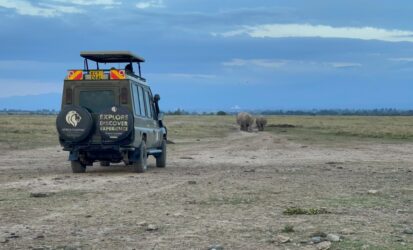


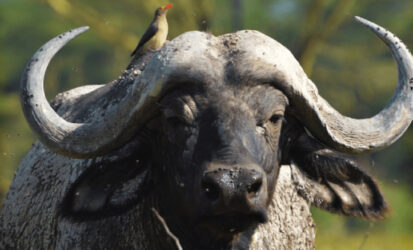
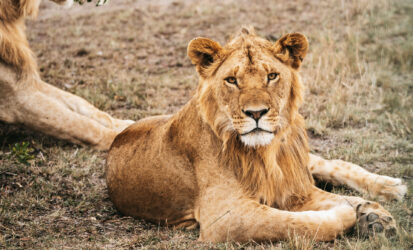

Since the dawn of the 20th century, rhinoceros populations have faced severe threats due to illegal poaching, pushing these magnificent animals to the brink of extinction. For decades, relentless hunt

Price From
This six days safari combines the superb Lewa Conservancy in Laikipia in northern Kenya with the outstanding Masai Mara National Reserve in the south-west. Offering some of the best game viewing anywh
Price From
A pastoral mix of plains, rolling hills and forest, Lewa began as a cattle ranch before becoming perhaps the premier wildlife watching conservancy in Kenya. Protecting its wildlife, especially its rhi
Price From
Since the dawn of the 20th century, rhinoceros populations have faced severe threats due to illegal poaching, pushing these magnificent animals to the brink of extinction. For decades, relentless hunt
Price From
June – September and December – February provide the best wildlife visibility and conditions.
Yes. Wildlife remains abundant, though some tracks may become muddy. Landscapes are exceptionally scenic.
Warm days, cool evenings, and lower humidity than Kenya’s Rift Valley parks.
March – May, during the long rains, when some lodges offer reduced rates.
Yes. Short rains taper off, wildlife remains active, and birdlife is excellent.
November – April, when resident and migratory species overlap.
Yes. Higher elevations near the hills are cooler, while plains warm quickly in sunlight.
Generally yes, with especially strong sightings of rhinos, elephants, Grevy’s zebra, and big cats.
Dry season trips (June – October) should be booked 4 – 6 months in advance.
Do you have any other questions?
Get in touch with one of our experts for a free consultation.









Personalized service by travel experts with first-hand knowledge

Customizable tours to your preference

400+ 5-star TripAdvisor and Google reviews

Booking Security - Money - back guarantee & 24/7 support
