Discover Its Beauty and Wildlife
| Activity |
Long Dry Season Jun–Sep |
Short Wet Season Oct–Nov |
Short Dry Season Dec–Feb |
Long Wet Season Mar–May |
|---|---|---|---|---|
| Big Cat Viewing | Excellent | High | Excellent | Good |
| Wildebeest & Zebra Movements | High | Excellent | High | Fair |
| Birdwatching | High | Excellent | Excellent | Good |
| Photography | Excellent | Good | Excellent | Good |

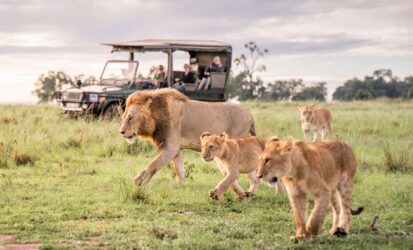
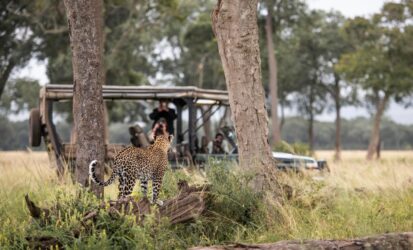
Mara Naboisho Conservancy is known for having one of the highest lion densities in the Maasai Mara ecosystem, and the long dry season (June – September) is the best time for consistent predator sightings. Vegetation is low, visibility is high, and prides are often found resting or hunting in the open plains. The short dry season (December – February) is equally rewarding, with cheetahs extremely active and frequent leopard sightings along wooded drainage lines.

While the Great Migration occurs primarily in the national reserve, Naboisho benefits from seasonal wildlife movements as wildebeest and zebra traverse the conservancy in search of fresh grazing. These movements are strongest during the dry seasons (June – October and December – February), bringing impressive herds and dramatic predator-prey interactions.

Birders will find November – April particularly rewarding, when migratory species arrive and Naboisho’s woodlands, plains, and acacia valleys come alive with sound and color. The wet season enhances feeding opportunities, while the dry months are ideal for spotting raptors riding thermals above the savanna.

From June – September, the dry season’s crystal-clear air, warm tonal palette, and open landscapes create perfect conditions for wildlife and predator photography. The green season (November – April) introduces dramatic skies, emerald grasslands, and atmospheric light after rain.
Mara Naboisho Conservancy experiences a warm, pleasant savanna climate with cool nights, clear skies during the dry months, and lush green landscapes during the rains. Daytime temperatures typically range from 70 – 82 °F (21 – 28 °C).

January
Clear mornings, high predator activity, and superb photography.
February
Ideal for game drives, walking safaris, and night drives.

March
Increased greenery; great for birding and dramatic lion sightings.
April
Wettest month; atmospheric light and striking cloud formations.
May
Still rainy but beautifully lush, with excellent wildlife visibility.

Late July
Prime predator action; outstanding clarity for photography.
August
Cool mornings and high animal movement.
September
Warm, vibrant landscapes perfect for walking safaris.
October
Dry early, turning green as short rains begin.

November
Emerald landscapes and active predators.
December
Bright mornings, brief showers, and superb wildlife viewing.
Mara Naboisho Conservancy enjoys warm days and cool evenings year-round, with temperatures typically ranging from 64 – 82 °F (18 – 28 °C). Dry seasons deliver the best visibility and wildlife concentration, while the green season offers lush landscapes, migratory birds, and atmospheric light.
General weather summary in November
Feel like
-
What to wear
-
Daylight length
-
Chance of rain
-
Amount
-
Wind speed
-
Humidity
-
Sunrise
-
Sunset
-
C°
Temperature
F°
30
20
10
0
86
68
50
32
General weather summary in December
Feel like
-
What to wear
-
Daylight length
-
Chance of rain
-
Amount
-
Wind speed
-
Humidity
-
Sunrise
-
Sunset
-
C°
Temperature
F°
30
20
10
0
86
68
50
32
General weather summary in January
Feel like
-
What to wear
-
Daylight length
-
Chance of rain
-
Amount
-
Wind speed
-
Humidity
-
Sunrise
-
Sunset
-
C°
Temperature
F°
30
20
10
0
86
68
50
32
General weather summary in February
Feel like
-
What to wear
-
Daylight length
-
Chance of rain
-
Amount
-
Wind speed
-
Humidity
-
Sunrise
-
Sunset
-
C°
Temperature
F°
30
20
10
0
86
68
50
32
General weather summary in March
Feel like
-
What to wear
-
Daylight length
-
Chance of rain
-
Amount
-
Wind speed
-
Humidity
-
Sunrise
-
Sunset
-
C°
Temperature
F°
30
20
10
0
86
68
50
32
General weather summary in April
Feel like
-
What to wear
-
Daylight length
-
Chance of rain
-
Amount
-
Wind speed
-
Humidity
-
Sunrise
-
Sunset
-
C°
Temperature
F°
30
20
10
0
86
68
50
32
General weather summary in May
Feel like
-
What to wear
-
Daylight length
-
Chance of rain
-
Amount
-
Wind speed
-
Humidity
-
Sunrise
-
Sunset
-
C°
Temperature
F°
30
20
10
0
86
68
50
32
General weather summary in June
Feel like
-
What to wear
-
Daylight length
-
Chance of rain
-
Amount
-
Wind speed
-
Humidity
-
Sunrise
-
Sunset
-
C°
Temperature
F°
30
20
10
0
86
68
50
32
General weather summary in July
Feel like
-
What to wear
-
Daylight length
-
Chance of rain
-
Amount
-
Wind speed
-
Humidity
-
Sunrise
-
Sunset
-
C°
Temperature
F°
30
20
10
0
86
68
50
32
General weather summary in August
Feel like
-
What to wear
-
Daylight length
-
Chance of rain
-
Amount
-
Wind speed
-
Humidity
-
Sunrise
-
Sunset
-
C°
Temperature
F°
30
20
10
0
86
68
50
32
General weather summary in September
Feel like
-
What to wear
-
Daylight length
-
Chance of rain
-
Amount
-
Wind speed
-
Humidity
-
Sunrise
-
Sunset
-
C°
Temperature
F°
30
20
10
0
86
68
50
32
General weather summary in October
Feel like
-
What to wear
-
Daylight length
-
Chance of rain
-
Amount
-
Wind speed
-
Humidity
-
Sunrise
-
Sunset
-
C°
Temperature
F°
30
20
10
0
86
68
50
32
Explore Naboisho through tailor-made itineraries showcasing its exceptional predator densities, varied landscapes, community conservation model, and exclusive safari activities such as night drives and walking safaris. Flash McTours provides expert guides, seamless planning, and personalized journeys into one of East Africa’s most inspiring conservancies.


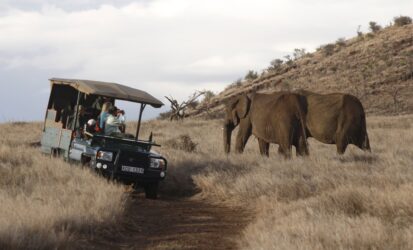


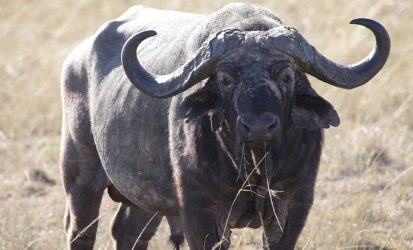
This six days safari combines the superb Lewa Conservancy in Laikipia in northern Kenya with the outstanding Masai Mara National Reserve in the south-west. Offering some of the best game viewing anywh

Price From


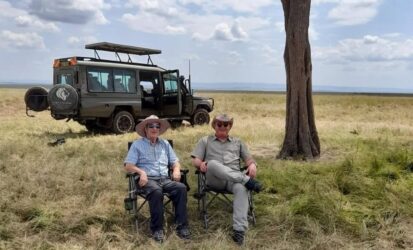
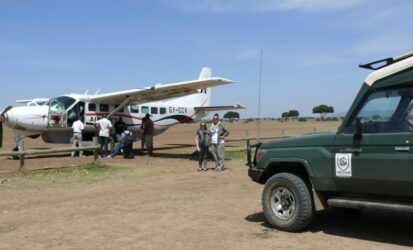


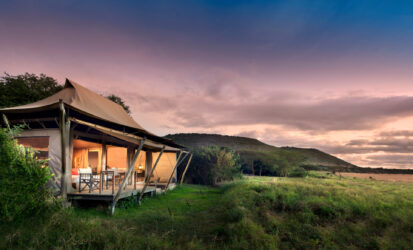
The 4-Day Masai Mara Fly-In Safari from Mombasa combines two of Kenya's most iconic travel experiences: the white-sand beaches of the coast and the wildlife-rich plains of the
Price From


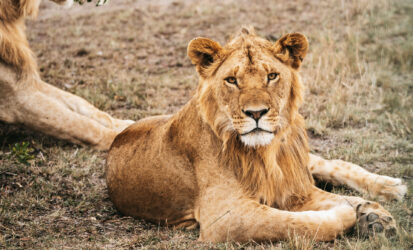

Jambo! East Africa for your 5-day adventure in Kenya and Tanzania. Worldwide, nature lovers aspire to witness the phenomenal Mara-Serengeti Ecosystem, home of the Great Wildebeest Migration. Th
Price From
This six days safari combines the superb Lewa Conservancy in Laikipia in northern Kenya with the outstanding Masai Mara National Reserve in the south-west. Offering some of the best game viewing anywh
Price From
The 4-Day Masai Mara Fly-In Safari from Mombasa combines two of Kenya's most iconic travel experiences: the white-sand beaches of the coast and the wildlife-rich plains of the
Price From
Jambo! East Africa for your 5-day adventure in Kenya and Tanzania. Worldwide, nature lovers aspire to witness the phenomenal Mara-Serengeti Ecosystem, home of the Great Wildebeest Migration. Th
Price From
June – September and December – February offer the best wildlife density and visibility.
Yes. Wildlife remains abundant year-round, though some trails may become muddy.
Warm days, cool nights, with rich green seasons and clear dry months.
March – May, when long rains reduce visitor numbers and some camps offer lower rates.
Yes. Lush landscapes, active wildlife, and superb birdwatching.
November – April, when migratory species join resident birds.
Yes. Low plains warm quickly, while wooded valleys remain cooler and shaded.
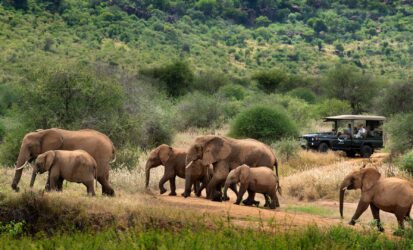
Absolutely. Naboisho’s densities of lions, cheetahs, giraffes, elephants, and plains game are consistently high.
Dry-season trips (June – October) should be booked 4 – 6 months in advance, especially around migration-related travel.
Do you have any other questions?
Get in touch with one of our experts for a free consultation.









Personalized service by travel experts with first-hand knowledge

Customizable tours to your preference

400+ 5-star TripAdvisor and Google reviews

Booking Security - Money - back guarantee & 24/7 support
