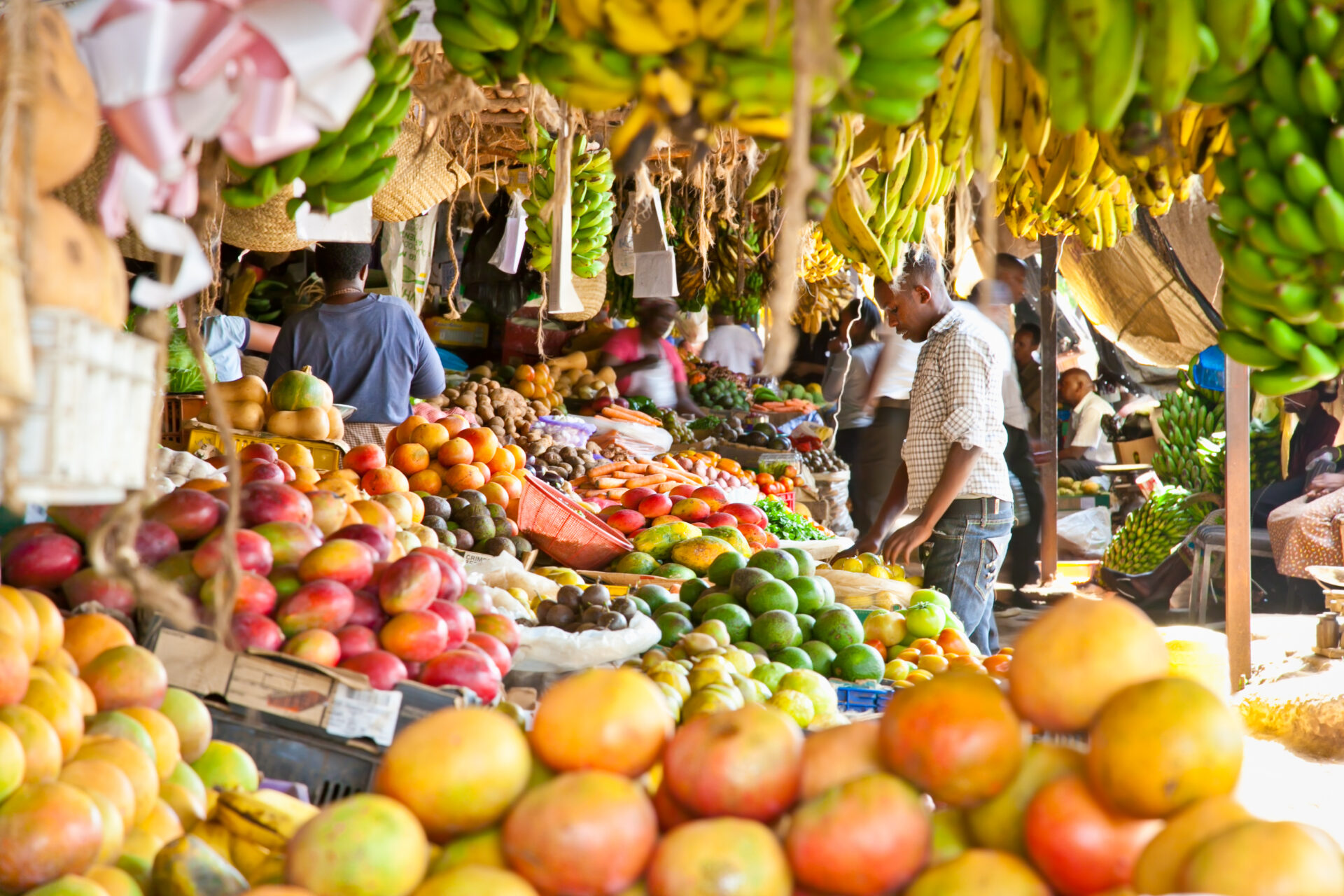
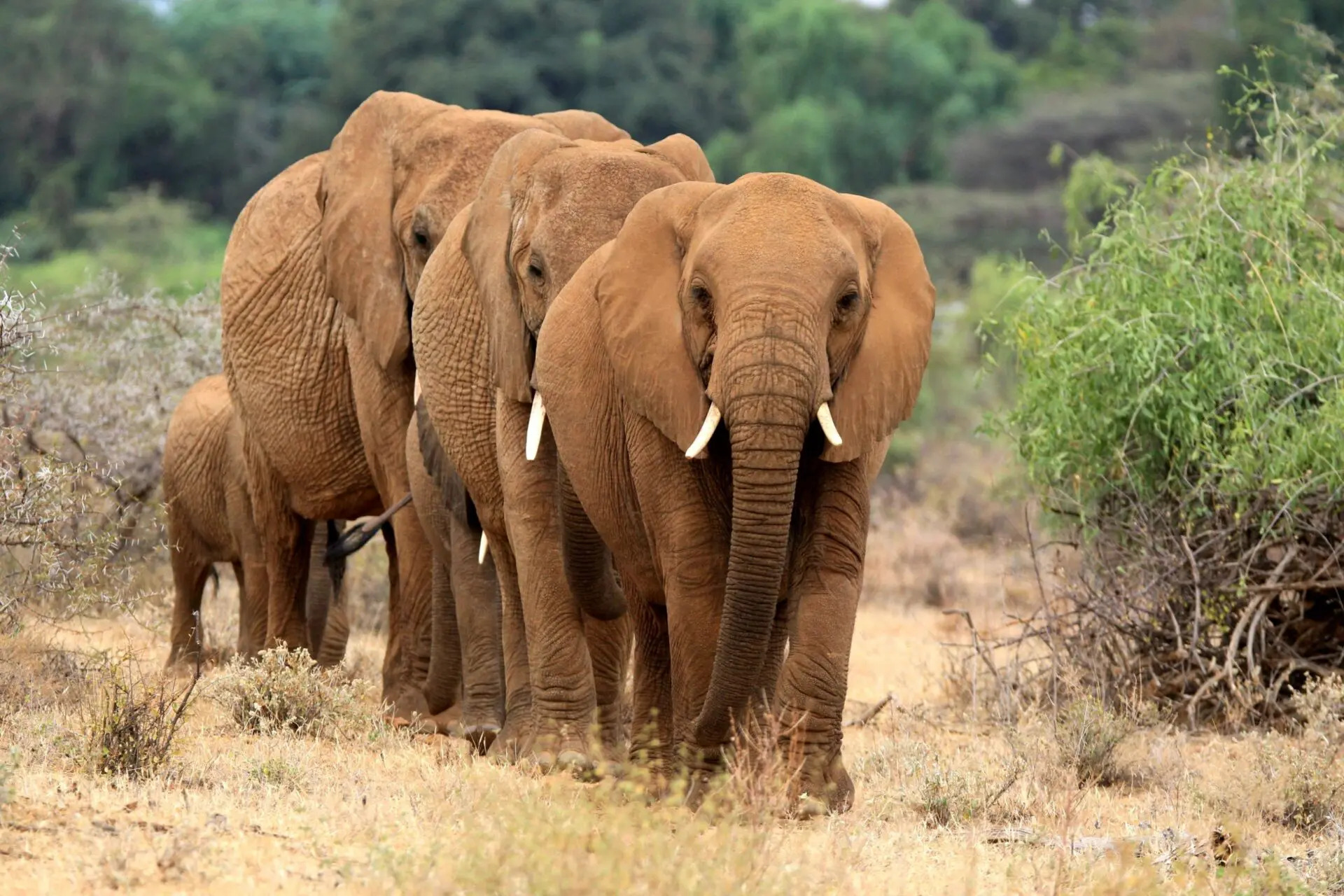
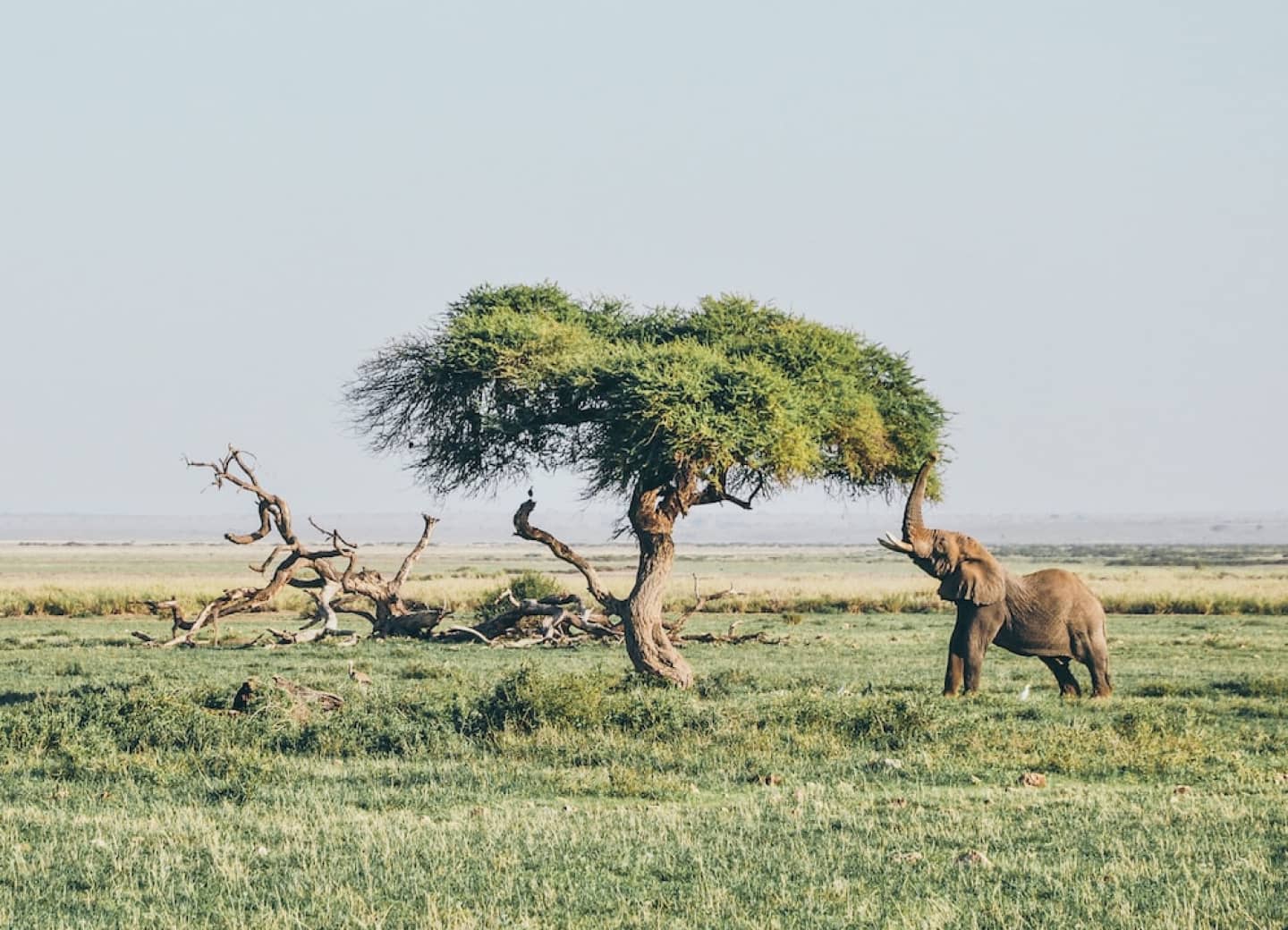
For many travelers, an African safari exists first as an idea long before it becomes reality. It lives in photographs of elephants moving through golden dust, in documentaries showing lions crossing open plains at sunrise, and in stories about landscapes so vast they seem almost impossible to comprehend. Yet when the time comes to plan a safari, excitement is often accompanied by uncertainty. Which country should you choose? When should you go? How much does a safari cost? And what does a safari actually feel like once you arrive?
For first-time visitors, East Africa brings one of the best introductions to safari travel anywhere on the continent. Kenya, Tanzania, Uganda, and Rwanda combine exceptional wildlife viewing with dramatically different landscapes and experiences, allowing travelers to experience multiple sides of Africa within a single journey. Here, safaris are not scripted or predictable. They happen naturally, shaped by weather, wildlife movement, timing, and luck.
This African safari guide has been designed specifically for first-time travelers who want clarity before they book. It covers everything from choosing the right destination and understanding safari seasons to how much to budget and what wildlife experiences to expect.
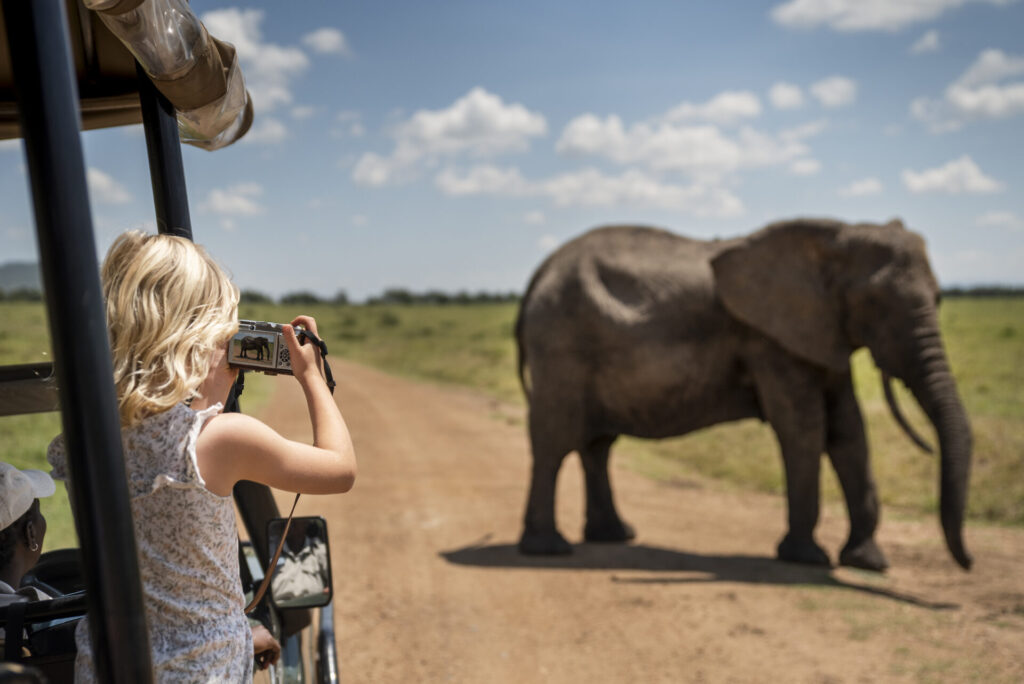
East Africa represents the safari many travelers imagine before they ever visit Africa. Vast open savannahs stretch endlessly toward the horizon. Acacia trees punctuate golden plains. Herds of wildebeest move across dramatic landscapes while predators follow closely behind. The scale of the scenery alone feels incredible.
But what makes East Africa particularly rewarding for first-time safari travelers is its diversity. Within one region, you can experience classic game drives, rainforest trekking, walking safaris, boat safaris, luxury lodges, remote tented camps, and conservation-focused travel experiences. Few destinations in the world have this level of variety within relatively easy travel connections.
East Africa is also home to some of Africa’s most established safari infrastructure. The region has spent decades refining safari experiences, meaning first-time travelers benefit from highly experienced guides, well-managed parks, exceptional hospitality, and carefully curated safari itineraries.
Choosing the right destination is one of the most important parts of planning your first safari. While Kenya, Tanzania, Uganda, and Rwanda all have extraordinary wildlife experiences, each country feels distinctly different.
The best destination depends on the type of safari experience you’re looking for, how much time you have available, and whether you prioritize classic wildlife viewing, primates, luxury travel, or adventure.

Kenya is often considered the ultimate starting point for first-time safari travelers because it combines accessibility, excellent wildlife viewing, and iconic safari scenery. The country’s safari industry is exceptionally well developed, making travel logistics relatively smooth while still delivering extraordinary wilderness experiences.
Kenya is home to some of Africa’s most famous wildlife regions, particularly the Masai Mara National Reserve, where dramatic predator sightings and the Great Migration create some of the most sought-after safari experiences in the world.
One of Kenya’s greatest strengths is its conservancy model. Private conservancies surrounding major reserves offer lower vehicle densities, more exclusive wildlife sightings, and activities not permitted in national parks, including walking safaris and night drives. For first-time travelers seeking a more intimate safari experience, these conservancies can elevate a trip.
Best For:
Top Safari Destinations:
Kenya also combines exceptionally well with beach destinations along the Indian Ocean, making it ideal for travelers wanting both safari and relaxation within the same itinerary.
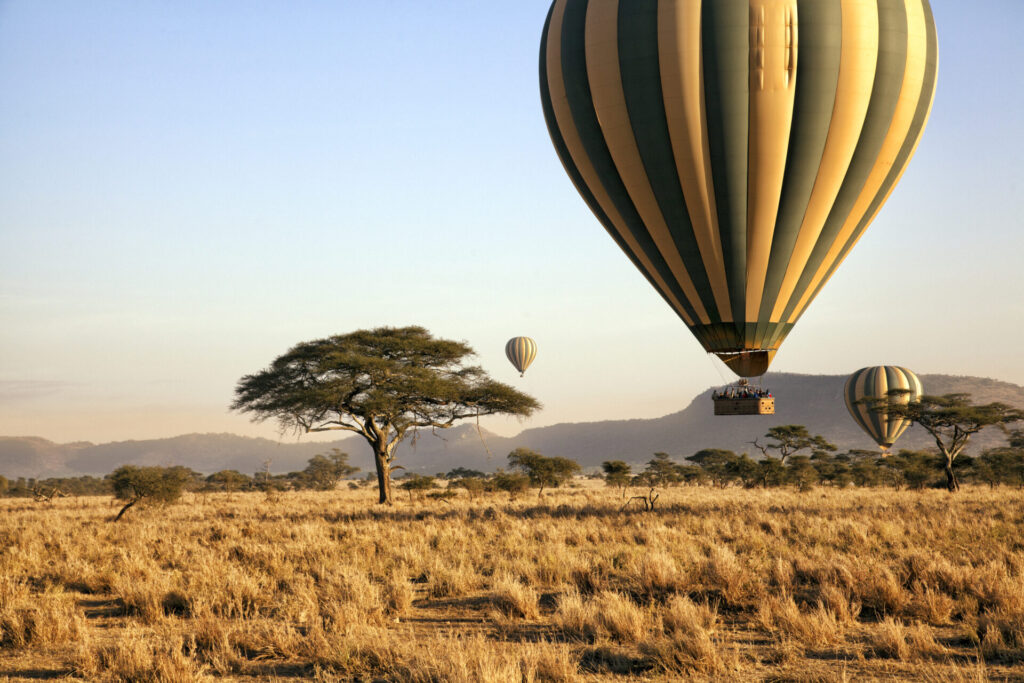
Tanzania delivers some of Africa’s most dramatic safari landscapes and wildlife concentrations. Everything here feels larger: the plains, the herds, the skies, and the sense of wilderness itself.
The country’s northern safari circuit is one of the most iconic wildlife regions in the world, anchored by Serengeti National Park and the Ngorongoro Crater. Together, these destinations create extraordinary opportunities for predator sightings, migration encounters, and game viewing experiences.
What often surprises first-time travelers about Tanzania is how varied the landscapes are. One day you may be driving through baobab-studded plains in Tarangire, and the next descending into the Ngorongoro Crater surrounded by volcanic highlands. This diversity keeps safari experiences feeling constantly dynamic.
Tanzania is also known for its luxury tented camps, many of which feel deeply connected to the wilderness around them. Staying in a tented camp in the Serengeti, hearing hyenas and lions after dark, is often one of the defining experiences of a first safari.
Best For:
Top Safari Destinations:
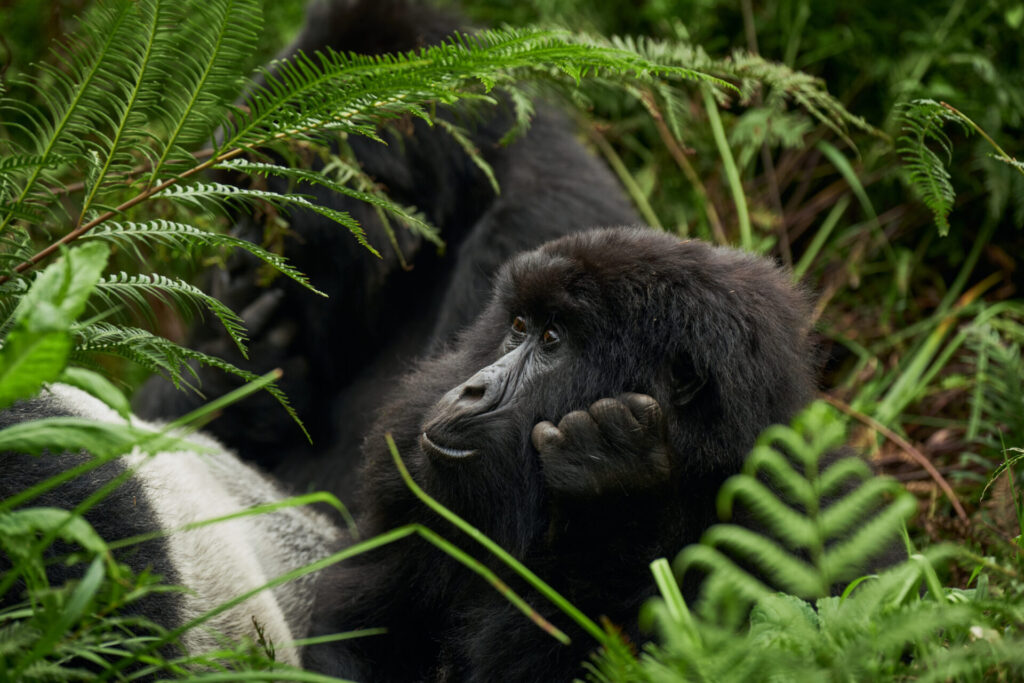
Uganda has a completely different style of safari experience compared to Kenya and Tanzania. While traditional game drives are still an important part of travel here, Uganda’s greatest strength lies in its diversity of ecosystems and primate encounters.
The country combines savannahs, rainforests, crater lakes, waterfalls, and mountain landscapes into one remarkably varied destination. Gorilla trekking in Bwindi Impenetrable National Park is widely regarded as one of the most emotional wildlife experiences on Earth.
Unlike traditional safaris, where wildlife is viewed primarily from vehicles, gorilla trekking feels engaging and physical. Travelers hike through dense forest before spending time observing gorilla families at close range. Uganda also has exceptional chimpanzee tracking, boat safaris, and classic wildlife viewing in parks like Queen Elizabeth National Park.
Best For:
Top Safari Destinations:
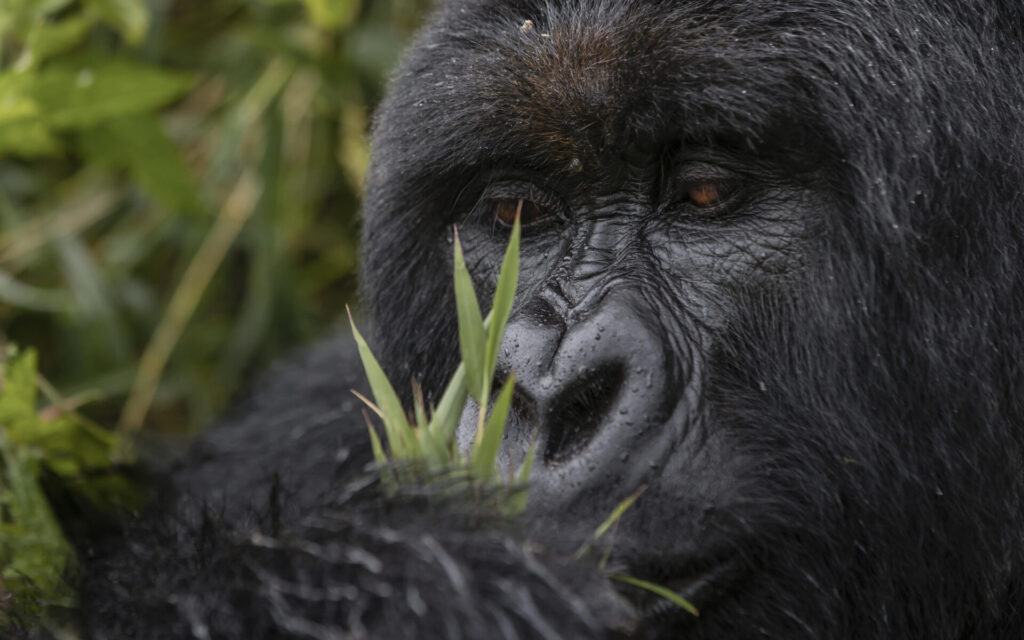
Rwanda has rapidly become one of Africa’s most sophisticated and conservation-focused safari destinations. Although the country is smaller than its East African neighbors, it delivers exceptionally curated wildlife experiences combined with incredible hospitality standards.
Rwanda is best known for gorilla trekking in Volcanoes National Park, where conservation tourism has directly contributed to the recovery of mountain gorilla populations. Trekking through mist-covered volcanic forests before encountering gorillas at close range is one of Africa’s most iconic wildlife experiences.
The country’s safari offering has expanded significantly in recent years, particularly through the revival of Akagera National Park as a Big Five destination. Akagera combines open plains, wetlands, and woodland ecosystems with a quieter, more exclusive safari atmosphere.
Best For:
Top Safari Destinations:
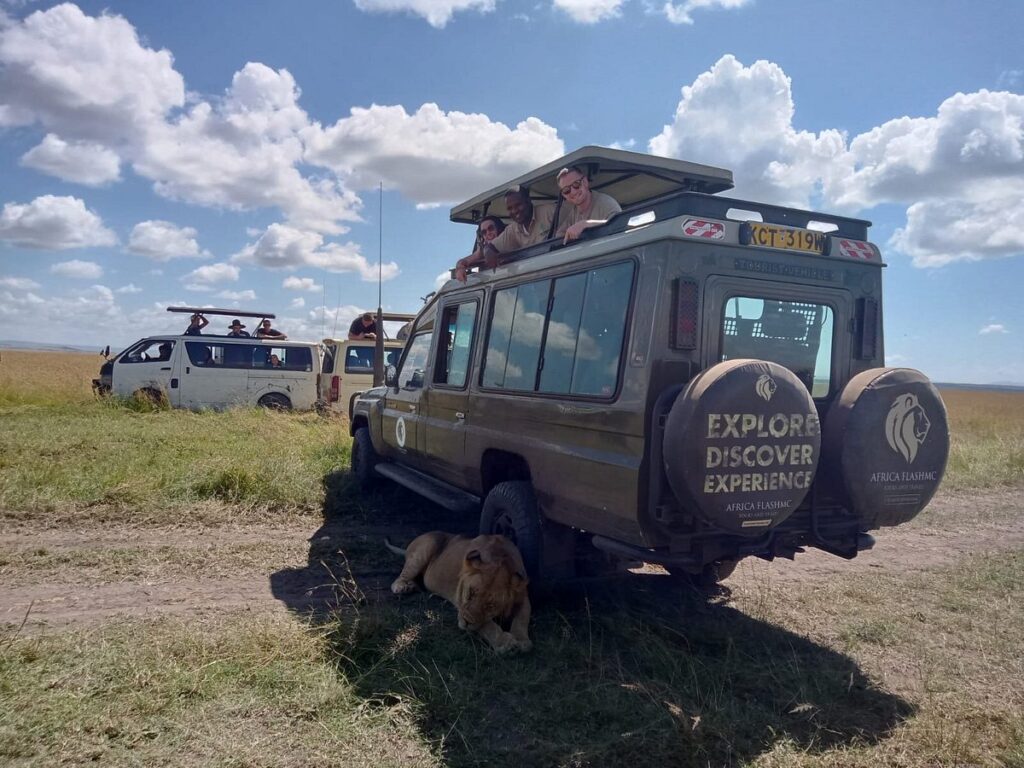
One of the biggest misconceptions about safaris is that they are constant action from beginning to end. In reality, safaris move at a more intentional pace. A well-planned safari allows you to settle into the landscape, observe wildlife naturally, and experience Africa beyond just the sightings themselves.
For many first-time travelers using this African Travel Guide to plan their journey, the atmosphere and sensory moments often become just as memorable as the wildlife encounters.
Early Morning Wake-Ups
Safari days usually begin before sunrise with coffee or tea before heading out on an early morning game drive, when wildlife is at its most active.
Prime Wildlife Viewing at Dawn
Early mornings have cooler temperatures, softer light, and great predator activity, making this one of the best times to spot lions, leopards, and hyenas.
Long Morning Game Drives
Morning drives can last several hours, with guides tracking wildlife movements and stopping frequently for sightings and photography opportunities.
Midday Downtime at Camp
After brunch, most travelers return to camp during the hotter part of the day to relax, enjoy lunch, swim, or simply take in the surroundings.
Afternoon & Evening Game Drives
Later in the afternoon, game drives resume as temperatures cool and wildlife becomes more active again.
Sundowners in the Bush
Many safaris include sundowner stops, where drinks and snacks are enjoyed as the sun sets across the plains.
Evening Spent Around Camp
After dinner, safari camps become incredibly atmospheric, with distant lion calls, hippos grunting nearby, and the sounds of nocturnal wildlife surrounding you.
Wildlife sightings are never guaranteed, and that unpredictability is precisely what makes safaris so exciting. Some days are filled with predator encounters, while others focus more on landscapes, birdlife, smaller animals, or peaceful moments in nature. The best safaris encompass all of it.

East Africa is a year-round safari destination, but seasonal conditions dramatically shape the type of experience you’ll have. Wildlife behavior, migration movement, weather patterns, crowd levels, and photography conditions all change throughout the year.
For first-time travelers, understanding safari seasons is one of the most important parts of planning a successful trip. There is no single “perfect” time to visit East Africa, only the right season for the type of safari experience you want.
The dry season is widely considered the best overall time for safari travel across Kenya and Tanzania. During these months, vegetation becomes thinner, water sources become more limited, and wildlife gathers around rivers and permanent watering holes, making animals easier to spot.
This period also coincides with the Great Migration in Kenya’s Masai Mara National Reserve, when millions of wildebeest and zebra move across the Mara River ecosystem in search of fresh grazing.
The dry season also creates ideal conditions for photography. Dusty golden landscapes, dramatic skies, and softer vegetation produce the classic East African safari imagery many travelers associate with Africa.
Best For:
The short dry season is another excellent time for safari travel, particularly for travelers wanting warm temperatures and strong wildlife viewing without the peak-season crowds of migration months.
In Tanzania’s southern Serengeti, this period coincides with calving season, when thousands of wildebeest give birth across the plains. Predator activity intensifies during this time, creating remarkable wildlife interactions. Uganda and Rwanda also experience favorable trekking conditions during these months, making it an excellent period for gorilla trekking and chimpanzee tracking.
Best For:
The green season transforms East Africa into a dramatically different landscape. Rainfall turns dry plains lush and vibrant, birdlife is abundant, and safari regions feel quieter and more exclusive.
Although rainfall is more frequent, it rarely rains all day continuously. Storms often arrive in short bursts, followed by clear skies and beautiful light. For photographers, the green season can be one of the most visually rewarding times to travel. Safari rates are also generally lower during this period, making it appealing for those seeking more value.
Best For:
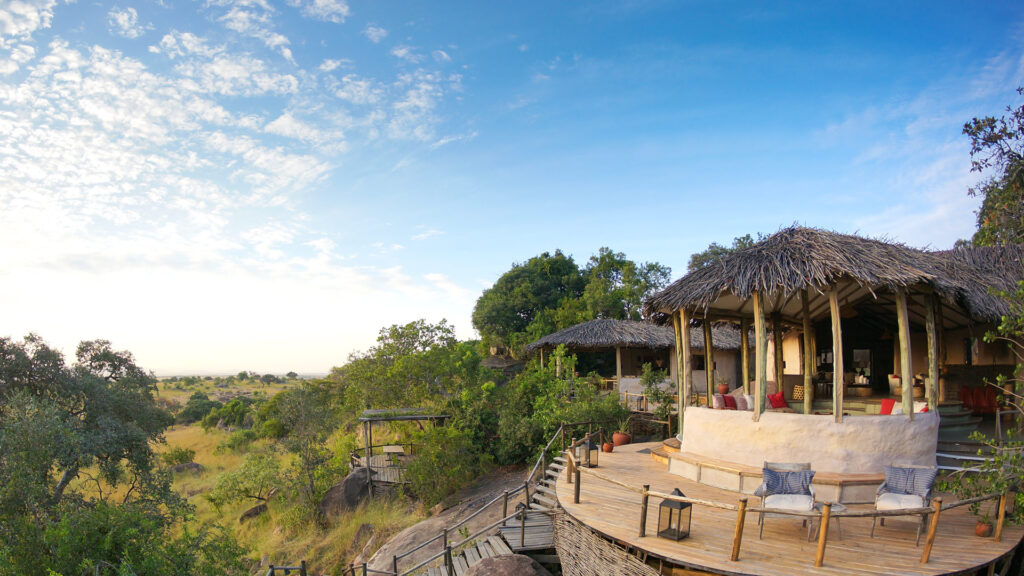
One of the most common mistakes first-time safari travelers make is trying to fit too much into a short itinerary. East Africa’s safari regions are vast, and moving too quickly between destinations can make a safari feel rushed rather than valuable time spent.
The ideal safari length depends on how many countries or ecosystems you want to explore, but most first-time travelers find that seven to ten days provides the right balance.
| Safari Length | Best For |
| 4 – 5 Days | Short safari introductions |
| 7 – 10 Days | Ideal for a first safari experience |
| 10 – 14 Days | Multi-country itineraries |
| 14 Days and over | Safari, gorilla trekking, and beaches |
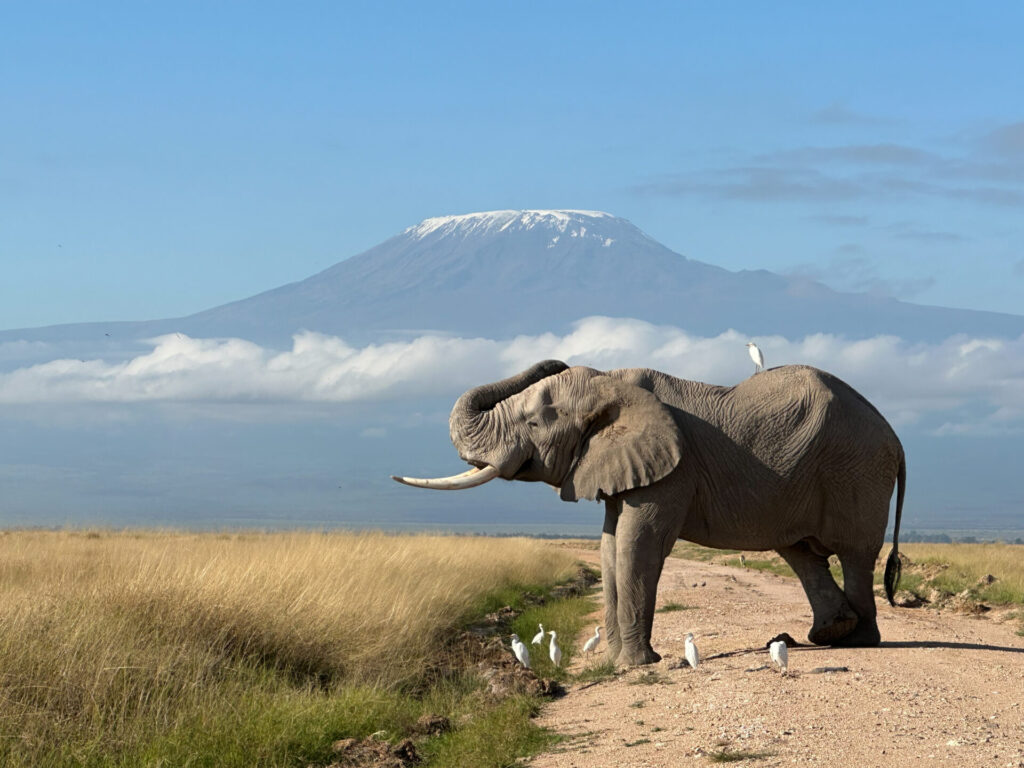
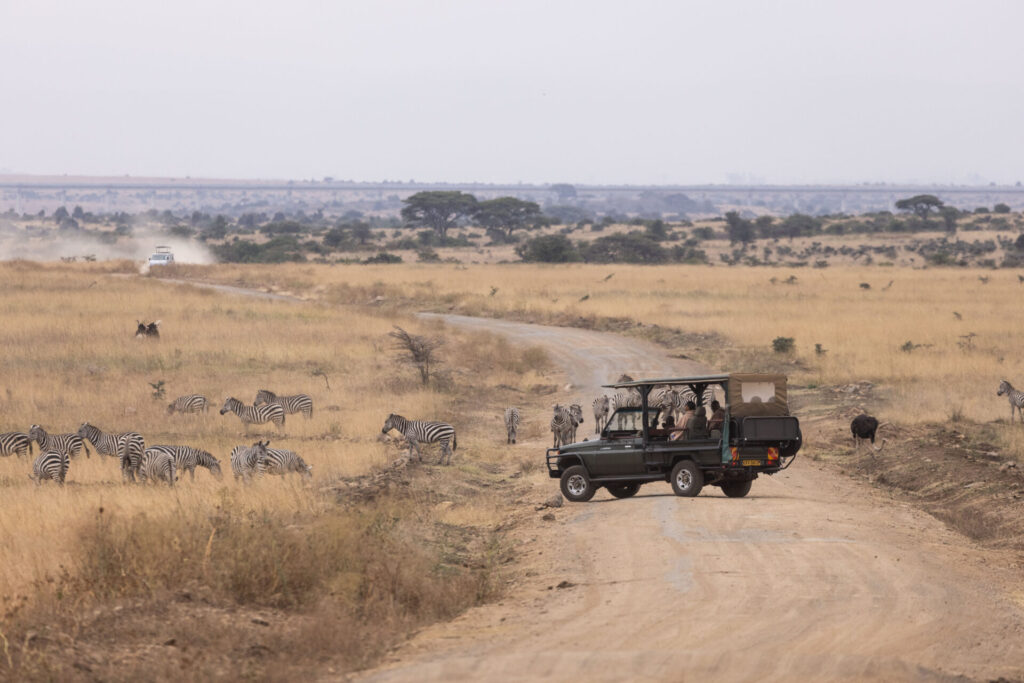
Wildlife sightings vary depending on season, location, and luck, but East Africa has some of the highest wildlife densities on the continent. For many first-time travelers, the sheer abundance of wildlife is one of the most surprising aspects of safari travel.
Herds of zebra, giraffes, antelope, and elephants are often seen within hours of arriving in safari regions. Predator sightings are particularly strong in Kenya and Tanzania, especially within the Serengeti-Mara ecosystem.
Uganda and Rwanda introduce primate encounters into safari itineraries, including gorillas and chimpanzees. Birdlife across East Africa is extraordinary as well, with hundreds of species ranging from enormous ostriches and secretary birds to colorful bee-eaters and kingfishers.

Packing correctly can significantly improve your safari experience. Comfort matters on safari, particularly during long game drives and changing temperatures between early mornings and afternoons. Fortunately, safari packing is generally simpler than many first-time travelers expect.

Safari pricing varies dramatically depending on season, accommodation level, internal flights, and the exclusivity of the experience. For many first-time travelers, safari costs initially seem high compared to traditional vacations. However, safaris are highly inclusive experiences that typically combine accommodation, meals, guiding, park fees, and wildlife activities into one package.
| Safari Style | Average Cost Per Person Per Night |
| Mid-Range Safari | $400 – $800 |
| Luxury Safari | $900 – $2,500 |
| Ultra-Luxury Safari | $3,000+ |
Peak safari season from June to October has the highest rates because of strong wildlife viewing conditions and Great Migration demand.

Safari etiquette plays an important role in both wildlife conservation and the quality of safari experiences themselves. Respectful behavior helps minimize stress on wildlife while also creating better sightings for everyone involved.
Important Tips:
Experienced safari guides are highly skilled at reading wildlife behavior and positioning vehicles responsibly. Trusting their judgment dramatically improves both safety and wildlife viewing opportunities.
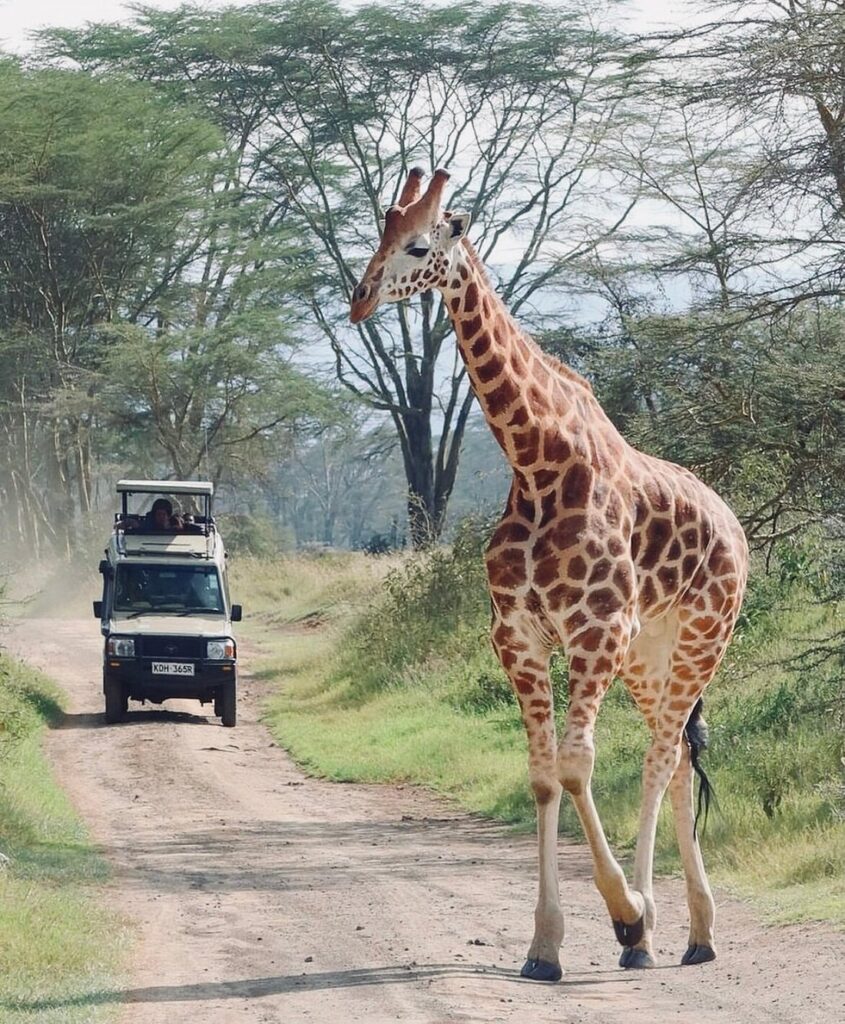
For most travelers, safari travel in East Africa is extremely safe when planned through reputable safari operators and experienced guides. Luxury camps, lodges, and conservancies maintain strong safety protocols, while guides undergo extensive wildlife and safety training.
The greatest safari risks are generally environmental rather than wildlife-related, including dehydration, sun exposure, or uneven terrain during trekking activities. Travelers should always follow guide instructions carefully, particularly during walking safaris or gorilla trekking experiences.

Modern safaris are deeply connected to conservation. Across Kenya, Tanzania, Uganda, and Rwanda, safari tourism directly supports wildlife protection, anti-poaching programs, habitat restoration, and local communities. Many of East Africa’s most successful conservation stories exist because responsible tourism creates sustainable funding for wildlife preservation.
In Rwanda, gorilla tourism has helped fund mountain gorilla conservation efforts for decades. In Kenya, private conservancies protect vital migration corridors while supporting Maasai communities. Across Tanzania and Uganda, tourism revenue contributes directly to national park protection and community development.
For first-time travelers, choosing conservation-focused safari operators makes sure that your safari positively contributes to the landscapes and wildlife you experience.
What is the best country for a first safari?
Kenya and Tanzania are generally considered the best introductions to safari travel because of their wildlife density, iconic landscapes, and established safari infrastructure.
What is the best month for safari?
June to October are the best overall wildlife viewing conditions across East Africa.
Can you combine safari with beach stays?
Yes. Kenya and Tanzania combine exceptionally well with Indian Ocean beach destinations.
Is a safari suitable for families?
Absolutely. Many safari lodges and conservancies cater specifically to families and children.
Will I see the Big Five?
While wildlife sightings are never guaranteed, Kenya and Tanzania have excellent chances of seeing the Big Five during a well-planned safari.
Do you need vaccinations?
Vaccination requirements vary depending on your travel route and destination country. Yellow fever certificates are sometimes required.
Your first safari changes the way you experience nature. It slows you down, sharpens your awareness, and reconnects you with landscapes that still feel truly wild. For first-time travelers, there is no single perfect safari. There is only the safari that feels right for the kind of journey you want to experience.


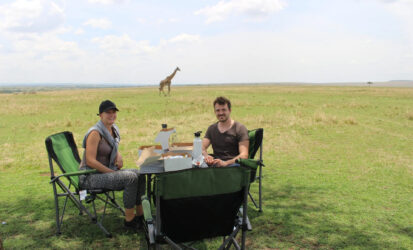
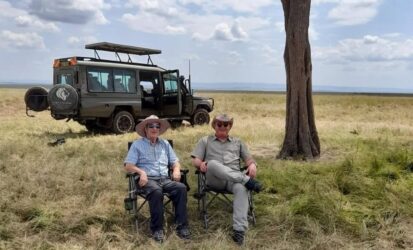


This ten day safari gives nature lovers an extended and diverse view of Kenya; its wildlife, its wonderful landscapes and its warm-hearted people. Given the country’s natural heritage, it’s only
Price From


We offer a seven day and an eight day climb to the summit of Kilimanjaro using the Lemosho route. Both offer good acclimatization and wonderful views enroute. This route has a beautiful approach throu

Price From
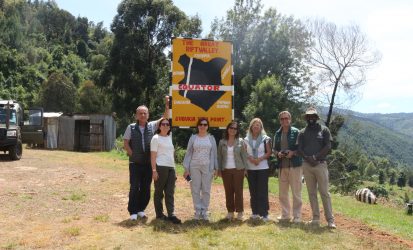
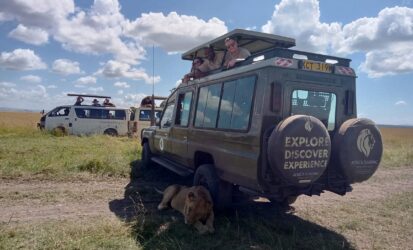


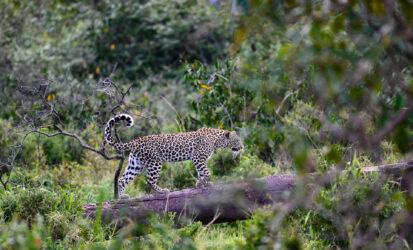
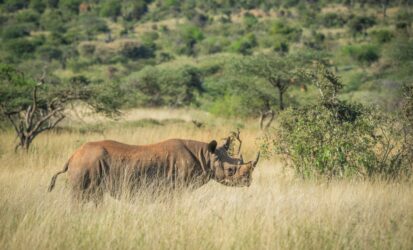
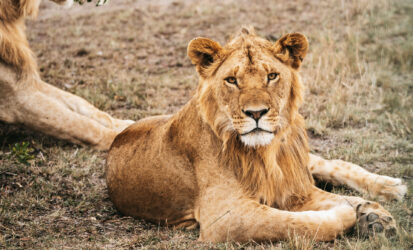

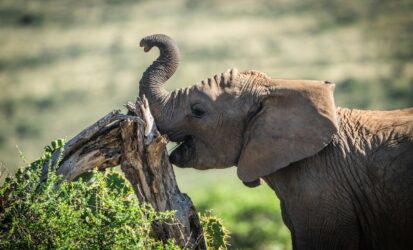

On this exciting 6-day safari you will first head north into the foothills of Mount Kenya and the celebrated Ol Pejeta Conservancy. One of the most successful privately-run conservancies in Kenya and

Price From
This ten day safari gives nature lovers an extended and diverse view of Kenya; its wildlife, its wonderful landscapes and its warm-hearted people. Given the country’s natural heritage, it’s only
Price From
We offer a seven day and an eight day climb to the summit of Kilimanjaro using the Lemosho route. Both offer good acclimatization and wonderful views enroute. This route has a beautiful approach throu
Price From
On this exciting 6-day safari you will first head north into the foothills of Mount Kenya and the celebrated Ol Pejeta Conservancy. One of the most successful privately-run conservancies in Kenya and
Price From
If you don't want to miss useful and interesting articles, leave us your email.
Also you will be the first to know about all discounts and offers.









Personalized service by travel experts with first-hand knowledge

Customizable tours to your preference

400+ 5-star TripAdvisor and Google reviews

Booking Security - Money - back guarantee & 24/7 support