A safari in Kenya is often imagined as rugged and remote, with open plains, dusty tracks, and wildlife roaming across vast landscapes. But what many travelers don’t realize is that with thoughtful planning and the right operator, a Kenya safari can be remarkably accessible. From wheelchair-friendly safari vehicles to lodges with step-free pathways and spacious rooms, it is entirely possible to experience Kenya’s wild beauty without compromise.
Accessibility in safari travel isn’t simply about ramps or wide doorways. It’s about designing a journey that allows every traveler to engage fully with the experience, whether that means using adaptable game-drive vehicles, lodges with accessible pathways, or guides who know how to pace daily activities. When planned well, a wheelchair-accessible safari offers the same thrilling wildlife encounters and immersive landscapes that define Kenya’s greatest adventures.
Here’s how to plan a wheelchair-accessible safari in Kenya, along with the regions, lodges, and travel strategies that make it possible.

Not all safari destinations are equally suited to accessible travel. Some parks require long road journeys or rugged terrain, while others bring easier access and well-developed infrastructure.
The Masai Mara is one of the best destinations in Kenya for wheelchair-accessible safaris. Wildlife densities are among the highest in Africa, and the reserve’s relatively open terrain makes sightings easier to enjoy without needing to travel far off the main tracks.
Because the Mara supports exceptional wildlife year-round (including lions, elephants, giraffes, cheetahs, and large herds of plains game), travelers can experience spectacular sightings within short game drives. The region also offers several lodges with accessible accommodations and adaptable safari vehicles.
Lake Nakuru is another excellent option when planning an accessible safari. The park is compact, meaning wildlife encounters often occur within relatively short driving distances. This makes it ideal for travelers who prefer shorter game drives without sacrificing the richness of the experience.
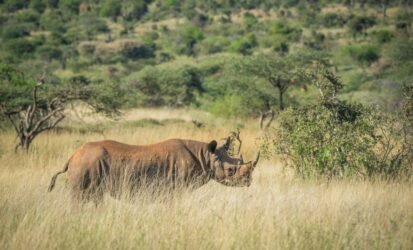
The park is known for its strong rhino population, Rothschild’s giraffes, and extraordinary birdlife. Its manageable size also allows guides to tailor game drives to suit guests’ comfort and mobility needs.
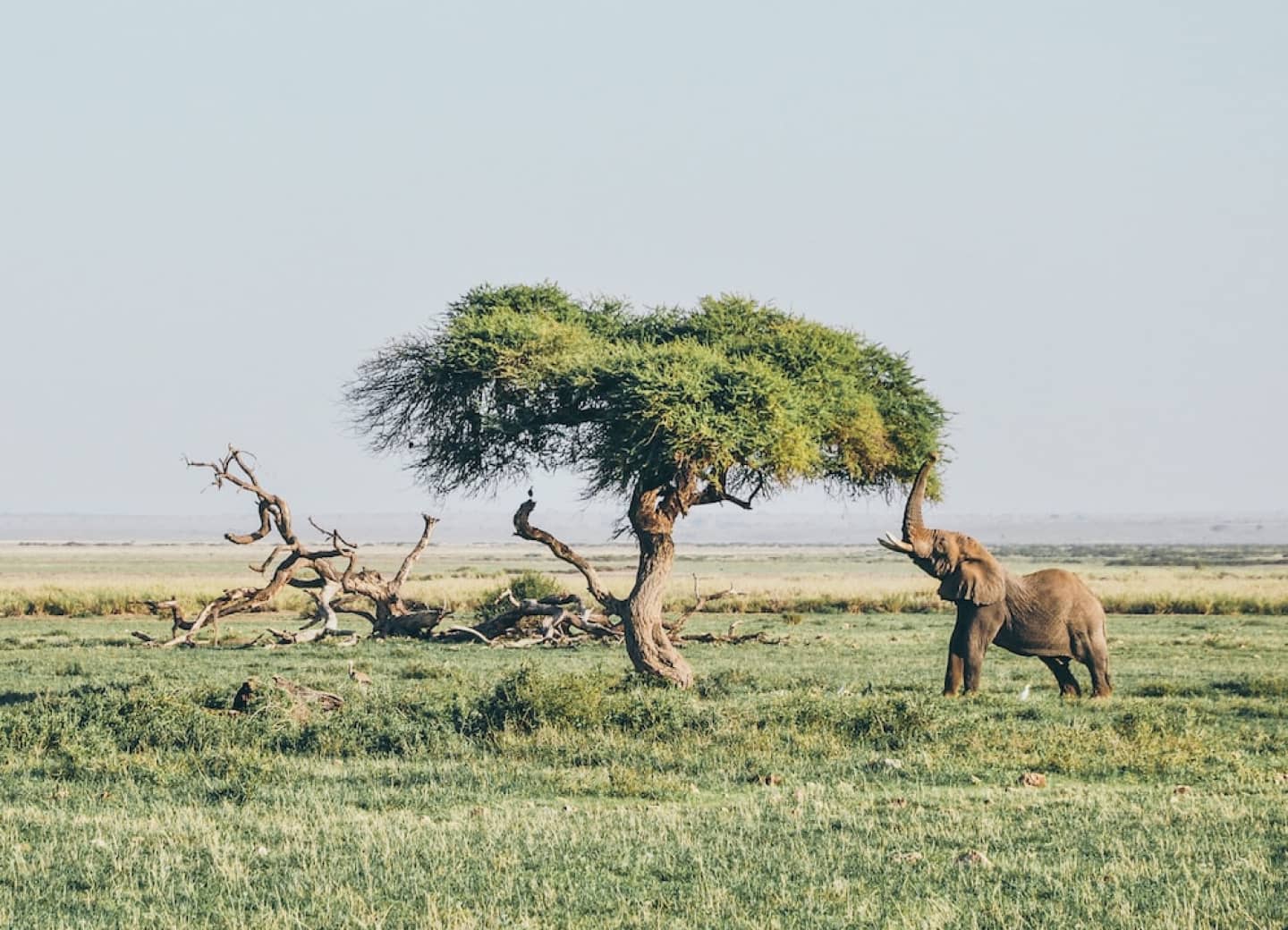
Amboseli is one of the most iconic safari landscapes in Africa, with vast open plains and Mount Kilimanjaro rising dramatically in the background. The terrain is generally flat and open, making wildlife easier to observe.
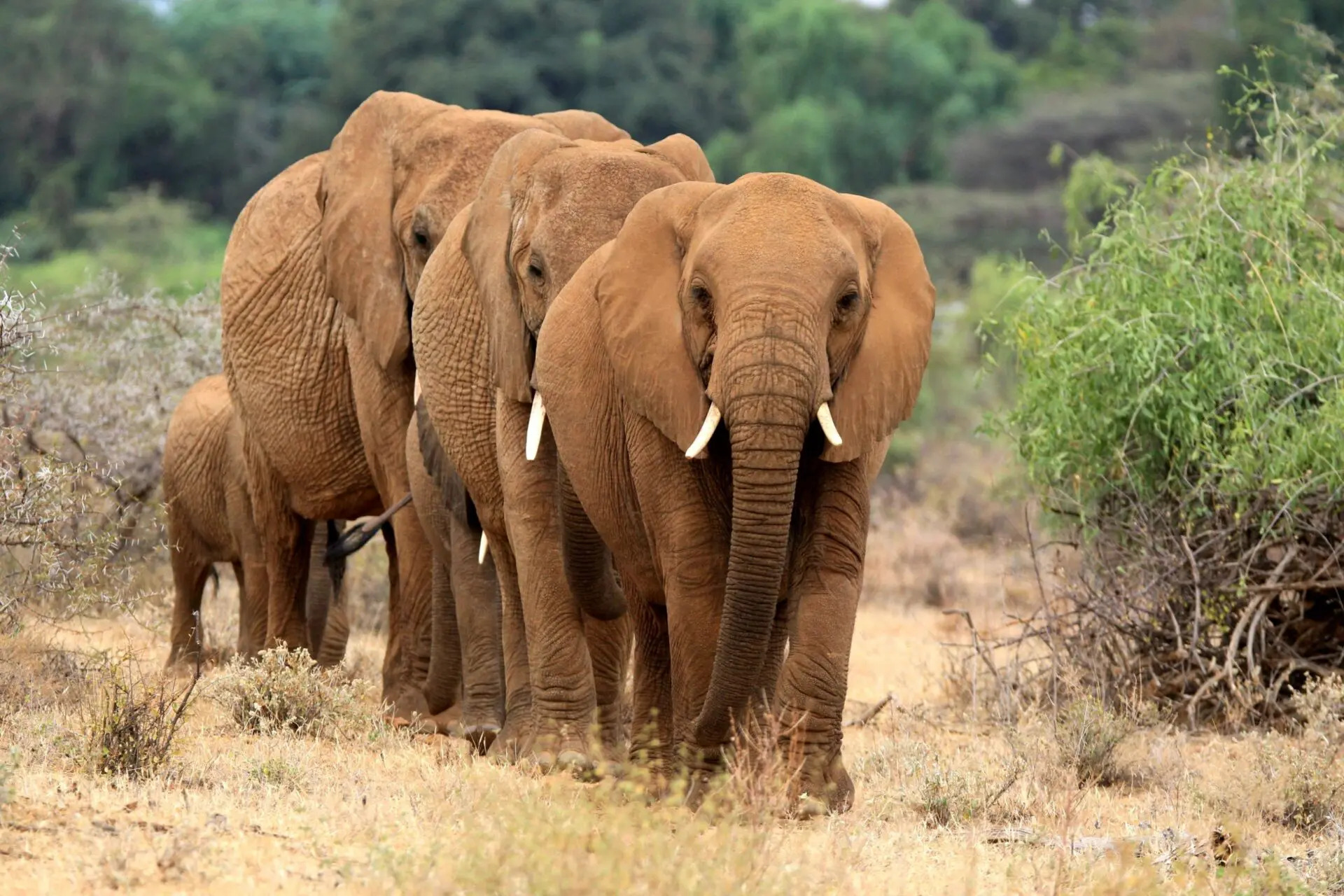
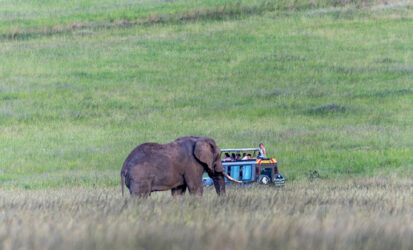
Amboseli is particularly famous for its elephant herds, many of which roam the park’s marshlands in impressive numbers. For wheelchair users, this means extraordinary wildlife viewing without needing to venture deep into difficult terrain.

One of the most important elements of an accessible safari is the vehicle itself. At Flash McTours, we work with safari vehicles that can be adapted for wheelchair access. These may include:
Experienced guides also play a crucial role. Skilled safari guides know how to position vehicles for optimal wildlife viewing while making sure that you remain comfortable and safe throughout the journey.

Accommodation is where accessible safari planning becomes especially important. Fortunately, several lodges in Kenya offer thoughtful designs that make them easier for travelers with mobility challenges.
Zebra Plains Mara Camp – Masai Mara
Located on the edge of the Masai Mara, Zebra Plains Mara Camp delivers a classic tented safari experience while maintaining accessibility considerations. The camp’s spacious tents have wide interiors, making movement easier for travelers using mobility aids.
Raised walkways connect many of the main areas of the camp, and the attentive staff are well known for their warm, personalized service. Wildlife frequently moves across the surrounding plains, meaning guests can often enjoy sightings directly from the camp’s viewing decks.
Its proximity to prime wildlife territory also means that game drives reach exceptional viewing areas quickly.
Mara Sopa Lodge is one of the Masai Mara’s most established safari lodges and has a layout that can be easier to navigate for wheelchair users. Spacious public areas, wide pathways, and ground-level accommodations make moving around the lodge more manageable.
From its hillside setting overlooking the plains, you can enjoy panoramic views even when not on game drives. The lodge’s location also places it close to some of the Mara’s most wildlife-rich areas.
Sarova Lion Hill Game Lodge – Lake Nakuru
Perched on a ridge overlooking Lake Nakuru, Sarova Lion Hill Game Lodge has sweeping views across the park’s acacia forests and lake shoreline. The lodge provides accessible rooms designed with wider doorways and step-free access to key areas.
Because Lake Nakuru National Park is compact, wildlife encounters (including rhinos, giraffes, and flamingos) are often reached within short drives. The lodge’s landscaped grounds also provide excellent opportunities to enjoy the scenery even when relaxing at camp.
One of the most reliable options in Amboseli for travelers with mobility challenges is Amboseli Sopa Lodge, located just outside the park. The lodge includes two wheelchair-accessible rooms specifically designed to accommodate guests with mobility needs.
The lodge’s elevated position has incredible views toward Mount Kilimanjaro and across the Amboseli plains. From here, you can head out on game drives to see the park’s famous elephant herds, along with lions, buffalo, giraffes, and a variety of birdlife.
Located inside Amboseli National Park, Ol Tukai Lodge is another property that has been noted for being relatively accessible. It has wide pathways and easy movement between the main areas of the lodge, including the restaurant, lobby, and pool area.
The lodge sits in one of the most wildlife-rich parts of Amboseli, where elephants frequently roam across the open grasslands directly in front of the property. On clear days, Mount Kilimanjaro forms a dramatic backdrop behind the lodge, creating some of the most iconic wildlife photography opportunities in Africa.
Another option to consider is Amboseli Serena Safari Lodge, which has rooms that are designed to accommodate guests with mobility needs. The lodge blends Maasai-inspired architecture with modern comforts and sits within the national park itself. Its location allows for excellent wildlife viewing, particularly elephants, which often move through the surrounding plains.

Accessibility in safari travel goes far beyond ramps and doorways. A truly wheelchair-accessible safari considers every aspect of the journey.
Key elements include:
When these elements are combined, a safari becomes inclusive rather than restrictive.

Timing can significantly influence the comfort of an accessible safari.
June to October – Dry Season
This is the most popular safari season. Wildlife gathers around water sources, making sightings easier. Roads are also typically dry and easier to navigate.
January to March
Another excellent time for safaris, with warm weather and clear skies that create ideal photography conditions.
April to May – Green Season
Rainfall is heavier during this period, which can sometimes make park roads muddy. For travelers seeking the most comfortable driving conditions, dry-season safaris are often preferable.
Choosing the right season can improve both wildlife viewing and overall travel comfort.
Accessible safari travel requires more than choosing the right lodge. A specialist safari operator coordinates the entire experience, including:

One of the most important factors in planning a wheelchair-accessible safari is the overall structure of the itinerary. A well-designed safari should balance wildlife experiences with comfort, ensuring that travel days, game drives, and lodge stays remain enjoyable rather than exhausting.
The most successful accessible safaris tend to follow a slower, more thoughtful pace. Instead of moving between too many parks, itineraries often focus on two or three destinations where wildlife viewing is excellent, and travel logistics are manageable. For example, pairing the Masai Mara with Lake Nakuru creates a safari that has exceptional wildlife diversity while avoiding overly long transfers.
Fly-in safaris can also make a significant difference. Domestic flights between Nairobi and the Masai Mara reduce travel time dramatically, allowing you to spend more time enjoying the safari itself rather than navigating long road journeys. Bush flights also offer extraordinary aerial views of the Great Rift Valley, turning travel between destinations into part of the adventure.
Another advantage of a carefully designed itinerary is flexibility. Shorter game drives, longer lunch breaks, and relaxed evenings at the lodge allow travelers to experience the rhythm of safari life without feeling rushed. This approach not only enhances comfort but also ensures that wildlife encounters remain the highlight of the journey.
Ultimately, the goal of an accessible safari itinerary is the same as any great safari: meaningful wildlife experiences, breathtaking landscapes, and the feeling of being immersed in the natural world.

Travelers with mobility challenges often ask about medical preparedness while on safari. Kenya’s major safari regions are supported by air evacuation services, and reputable operators maintain relationships with emergency medical providers.
Before traveling, it is recommended to:
With proper preparation, most travelers find safari travel in Kenya both safe and manageable.

A safari is not only about wildlife, but it’s also about experiencing Kenya’s rich cultural heritage. Many cultural experiences can be adapted for accessibility.
Maasai village visits
Guests can learn about Maasai traditions, beadwork, and storytelling through visits arranged with accessibility considerations.
Conservation centers in Nairobi
The Giraffe Centre and elephant conservation programs often provide accessible viewing areas and pathways.
Wildlife viewing from lodges
Many safari lodges sit within wildlife corridors, meaning animals frequently pass nearby. Guests can enjoy wildlife sightings even while relaxing at camp.

One of the most remarkable aspects of safari travel in Kenya is that extraordinary wildlife encounters often happen without you needing to leave the vehicle.
Unlike hiking-based wildlife experiences found in other destinations, most Kenyan safaris are conducted in specialized 4×4 vehicles designed for wildlife viewing. These vehicles allow travelers to explore vast landscapes while remaining comfortably seated.
For wheelchair users, this means that iconic wildlife sightings can be enjoyed without navigating uneven terrain. Game drives typically take place twice a day: early in the morning when wildlife is most active, and again in the late afternoon as temperatures cool. During these drives, guides interpret the landscape, tracking animals by reading footprints, sounds, and subtle movements across the plains.

While Kenya safaris can be accessible, there are a few challenges that require planning.
Uneven terrain at some camps
Solution: Choose lodges with established pathways and accessible room options.
Boarding safari vehicles
Solution: Use vehicles equipped with ramps or extra space for wheelchair access.
Transfers between airstrips and lodges
Solution: Arrange advanced assistance and accessible transfer vehicles.
Long game drives
Solution: Plan shorter, flexible game drives with breaks when needed.
With the right planning, these challenges can be addressed easily.
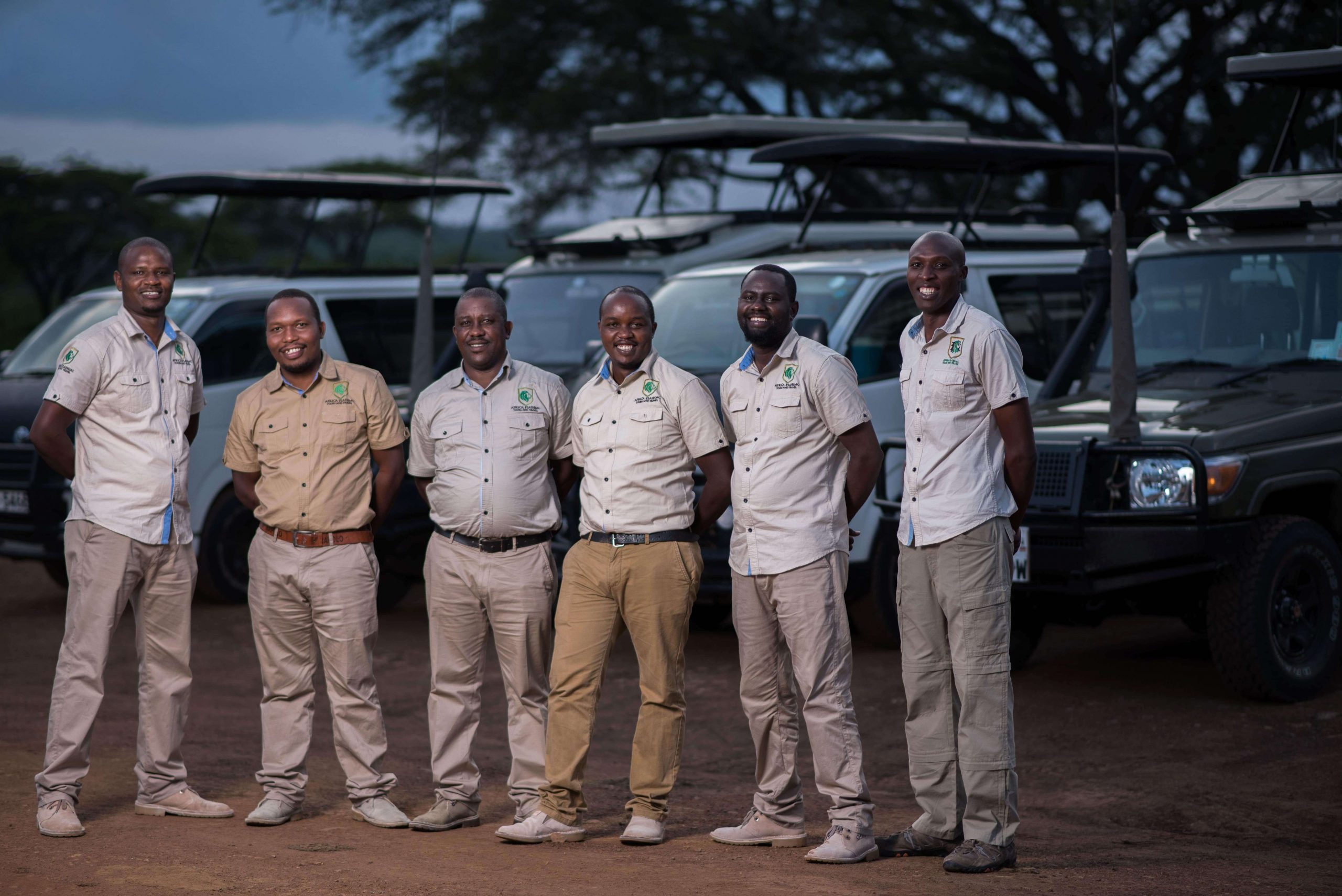
An experienced safari guide can transform the experience. Guides help position vehicles for optimal wildlife viewing, adjust routes to avoid rough terrain, and pace game drives comfortably. Their deep knowledge of wildlife behavior also ensures that you enjoy meaningful sightings even within shorter drives.
Kenyan safari guides are among the most respected in the world, known for their extraordinary ability to interpret the natural world.

Kenya has long been one of Africa’s most established safari destinations. Its combination of world-class wildlife, experienced guides, and well-developed national parks makes it particularly well-suited to accessible travel.
From the lion-filled plains of the Masai Mara to the elephant herds beneath Mount Kilimanjaro in Amboseli, Kenya has extraordinary wildlife experiences that can be enjoyed by travelers of all abilities. With thoughtful planning and expert guidance, a wheelchair-accessible safari in Kenya is not only possible, it can be every bit as thrilling and immersive as any other safari adventure. Because the magic of Africa’s wilderness should belong to everyone.
Below are some of our wheelchair friendly safaris, to consider while on your Kenya safari!




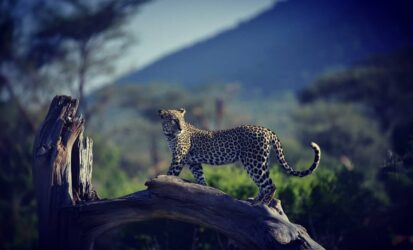
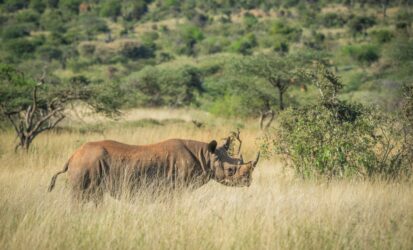
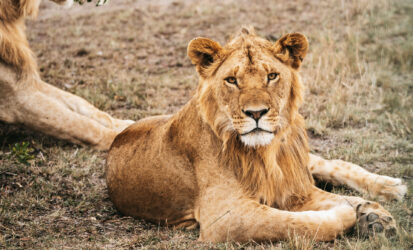

Visit two of the beautiful lakes of the Great African Rift Valley before heading to the rightly-famous Masai Mara national reserve on this Kenyan safari. Brilliant bird watchi

Price From
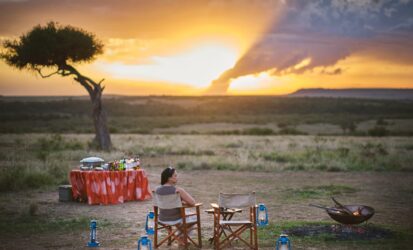


With the splendor of the Masai Mara, coupled with the majesty of Lake Nakuru, this African safari is the perfect choice for both animal and bird lovers. Famed for its population of big cats, such as

Price From




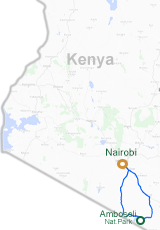
In Amboseli National Park, elephants roam against a backdrop of Mount Kilimanjaro. Located in southern Kenya, you can take your Kenyan safari through one of the most diverse ecosystems on the planet.
Price From
Visit two of the beautiful lakes of the Great African Rift Valley before heading to the rightly-famous Masai Mara national reserve on this Kenyan safari. Brilliant bird watchi
Price From
With the splendor of the Masai Mara, coupled with the majesty of Lake Nakuru, this African safari is the perfect choice for both animal and bird lovers. Famed for its population of big cats, such as
Price From
In Amboseli National Park, elephants roam against a backdrop of Mount Kilimanjaro. Located in southern Kenya, you can take your Kenyan safari through one of the most diverse ecosystems on the planet.
Price From
If you don't want to miss useful and interesting articles, leave us your email.
Also you will be the first to know about all discounts and offers.









Personalized service by travel experts with first-hand knowledge

Customizable tours to your preference

400+ 5-star TripAdvisor and Google reviews

Booking Security - Money - back guarantee & 24/7 support