Take a look at this story
Our safari photography tips are designed to help you come home with photographs that capture not only Africa’s wildlife, but the atmosphere and unpredictability that make being on safari so extraordinary. African safari photography is very different from most travel photography: animals don’t wait while you adjust your settings, the light changes rapidly across the savannah, and you may have only a few seconds to photograph a sighting you’ve waited all morning to see. With most travelers having only a handful of days on safari, knowing how to make the most of those moments matters.
Africa gives photographers an extraordinary range of subjects. Lions resting in golden grass, elephants crossing dusty tracks, leopards appearing unexpectedly from woodland, giraffes silhouetted against the horizon, and birds taking flight can all become part of a single game drive. But successful wildlife photography in Africa isn’t simply about pointing your camera at an animal. Light, timing, positioning, patience, and an understanding of wildlife behavior all play a role.
This expanded guide covers the entire process, from choosing the right destination and understanding the best time for safari photography to deciding what camera, lens, and safari photography gear to pack. We’ll also share practical techniques for photographing wildlife from a safari vehicle, choosing useful safari camera settings, working with natural light, and getting sharper, more compelling images in the field.
Where and when you travel can make an enormous difference to the photographs you bring home. Different destinations offer different landscapes, wildlife concentrations, seasonal events, and photographic conditions, so we recommend thinking about what you most want to photograph before choosing your itinerary.
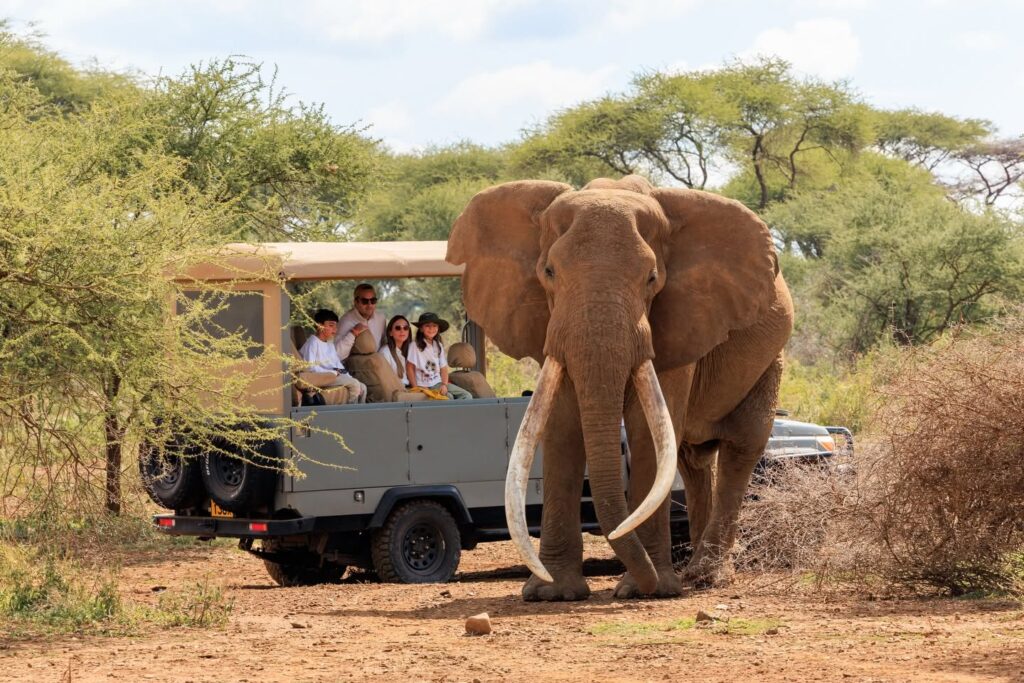
Kenya is one of Africa’s classic wildlife photography destinations, combining open savannah, dramatic skies, varied wildlife, and excellent opportunities to photograph predators. The Masai Mara is particularly good, whether you’re hoping to photograph big cats throughout the year or the dramatic movement of wildebeest during the Great Migration season.
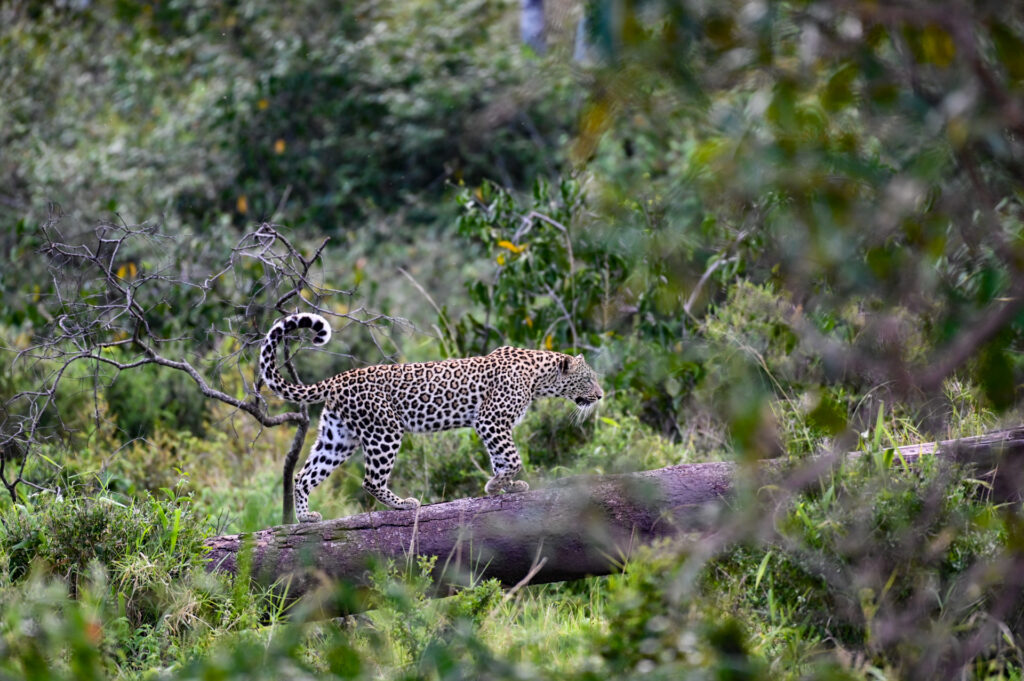
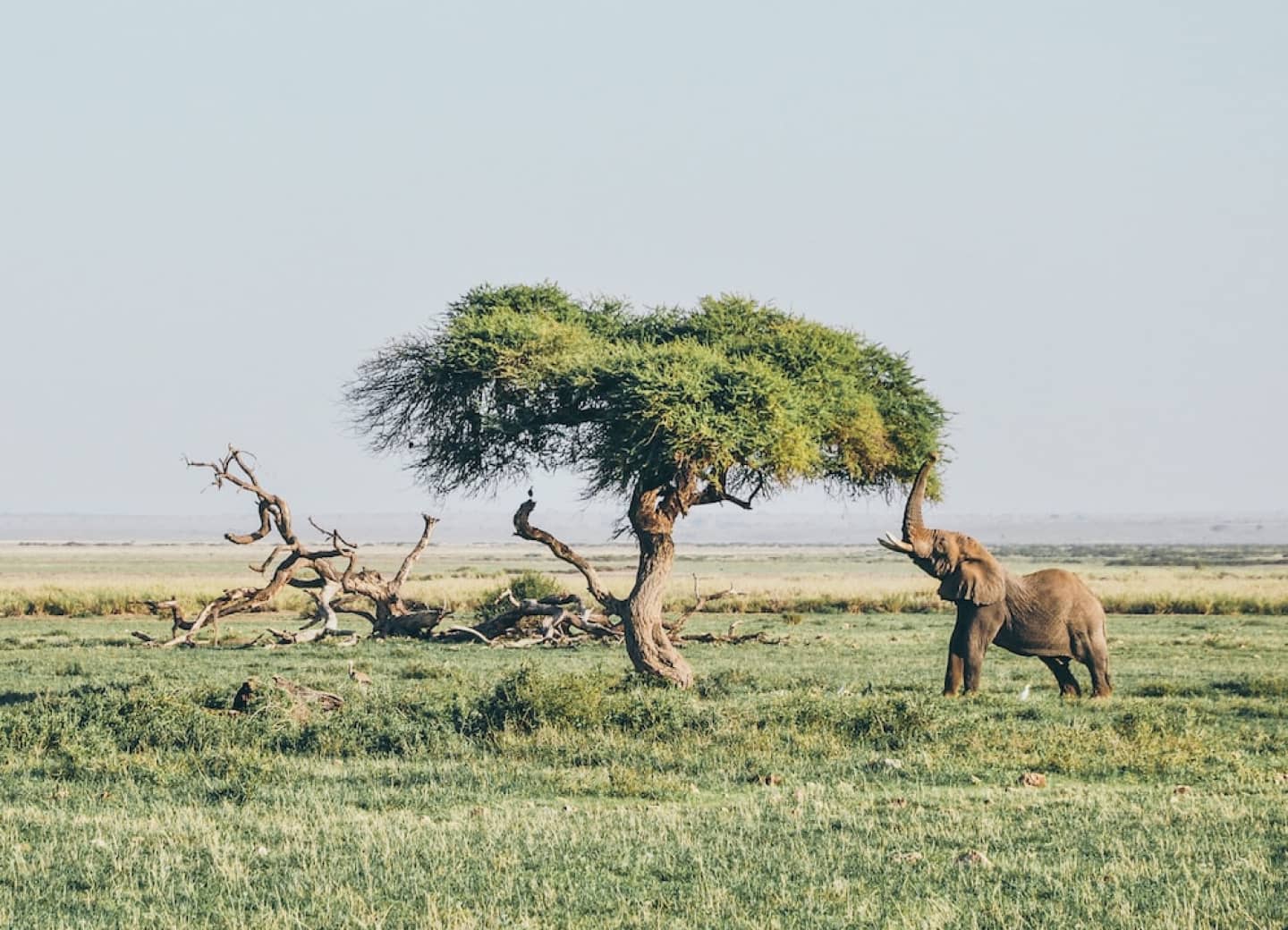
In Tanzania, the vast plains of Serengeti National Park give classic safari compositions, from lone acacia trees against enormous skies to predators moving through grassland. The Ngorongoro Crater has something different again, with high concentrations of wildlife contained within one of Africa’s most dramatic landscapes.
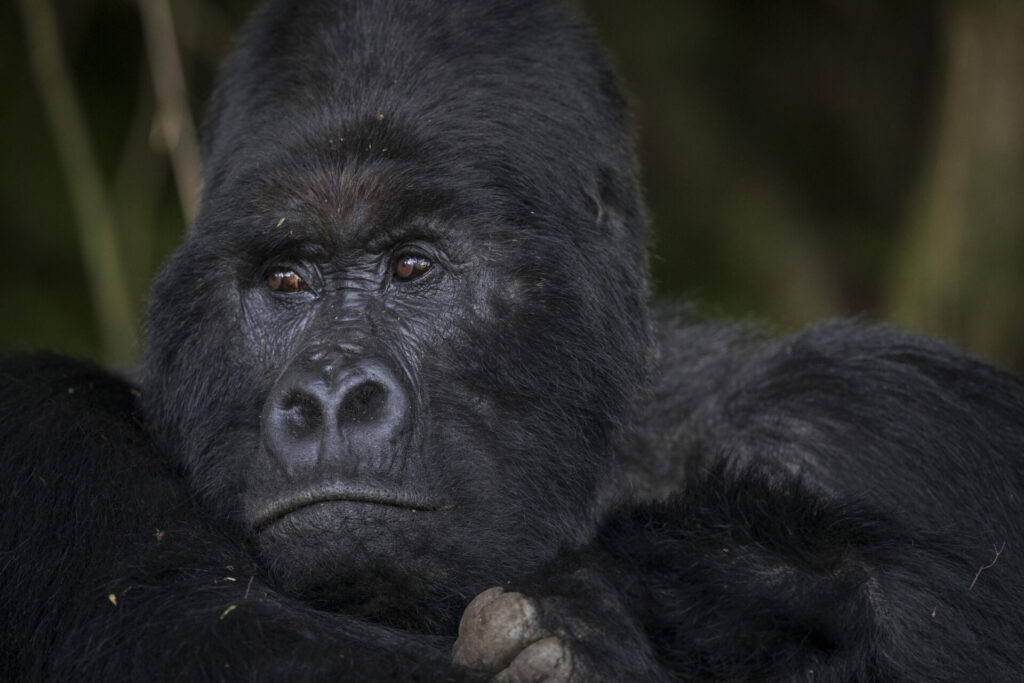
Uganda shifts the photographic focus from open savannah to forests and primates. Photographing mountain gorillas can be one of Africa’s most memorable wildlife experiences, but forest photography brings its own challenges: lower light, dense vegetation, changing exposure, and the need to react quickly when an animal moves into a clear position.

A safari doesn’t have to be exclusively about wildlife. Adding Zanzibar gives photographers an entirely different palette: turquoise water, dhows, white-sand beaches, Stone Town’s historic streets, local life, and Indian Ocean sunsets. It can provide a beautiful visual contrast to the earthy colors and wildlife portraits of the bush.
Season matters too. The dry months generally have easier wildlife viewing because vegetation thins and animals gather around permanent water sources. The wetter or “green” season, however, can be superb for photographers: landscapes become lush, skies more dramatic, birdlife is abundant, and there may be fewer vehicles around popular sightings.
The right choice depends on what you want to photograph. Once you’ve settled on the destination and season, the next step is making sure you have the right equipment and field techniques to take advantage of it.
You don’t need the most expensive equipment on the market to take memorable safari photographs. Good positioning, light, patience, and understanding animal behavior often matter more than having the newest camera. That said, bringing appropriate safari photography equipment makes certain types of photographs considerably easier.

For serious wildlife photography, the best camera for safari is generally a DSLR or mirrorless body paired with a telephoto zoom lens. Wildlife is often some distance from the vehicle, so having a focal length of 300mm or more gives you much more flexibility when photographing smaller animals, birds, or predators that aren’t close to the road.
That doesn’t mean you need professional equipment. Bridge cameras with long built-in zooms can be excellent travel companions because they’re relatively compact while still giving you substantial reach. Modern smartphones can also produce beautiful images when animals are close, particularly in good light.
The important thing is to choose equipment you’re comfortable using. A simpler camera you understand is far more useful when a cheetah suddenly begins running than an advanced camera whose controls you’re still trying to figure out.
If you’re bringing an interchangeable-lens camera, a telephoto zoom is generally the most valuable camera lens for safari. A flexible zoom lets you quickly reframe as an animal approaches or moves away, while a wider lens can be useful for landscapes, elephants at close range, environmental portraits, and photographs that show wildlife within the scale of the surrounding wilderness.
Useful safari photography gear also includes a bean bag or vehicle mount for stability, a microfiber lens cloth for dust, and a protective rain cover or dry bag when traveling during wetter months. Full-size tripods are rarely practical during a game drive because you’re usually photographing from inside a vehicle and need to reposition quickly.
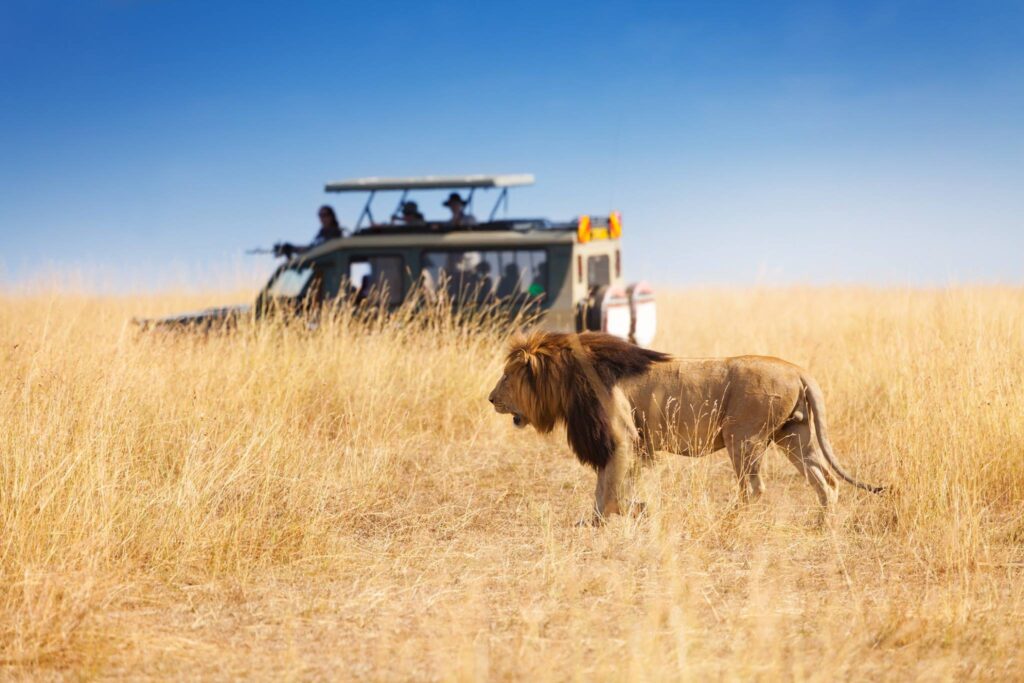
Yes, but within limits. Modern phone cameras are excellent for landscapes, people, camp photographs, video, sunsets, and animals that happen to approach close to your vehicle.
Their biggest weakness is distant wildlife. Limited optical zoom means a lion 80 yards away will rarely fill the frame with the same clarity you’d achieve using a dedicated telephoto lens. If photography is a casual part of your trip, a phone may be all you need; if capturing detailed wildlife portraits is a priority, consider bringing or renting a camera with more optical reach.
Equipment helps, but great wildlife photography safari experiences ultimately depend on what happens in the field. Wildlife doesn’t follow a shot list, which is why preparation, patience, and the ability to react quickly matter so much.
These wildlife photography tips will help you make better use of the opportunities that happen during your game drives.
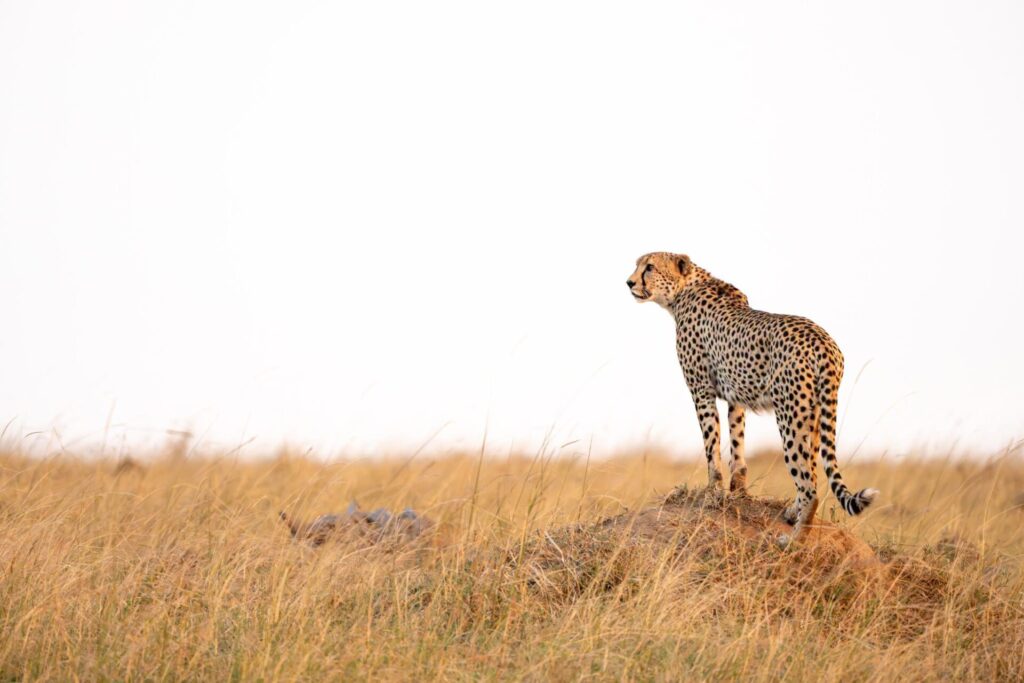
Understanding your subject is one of the most useful things you can do before pressing the shutter. Learn about the animals you’re hoping to photograph, including their typical behavior, habitats, and the times of day when they’re most active.
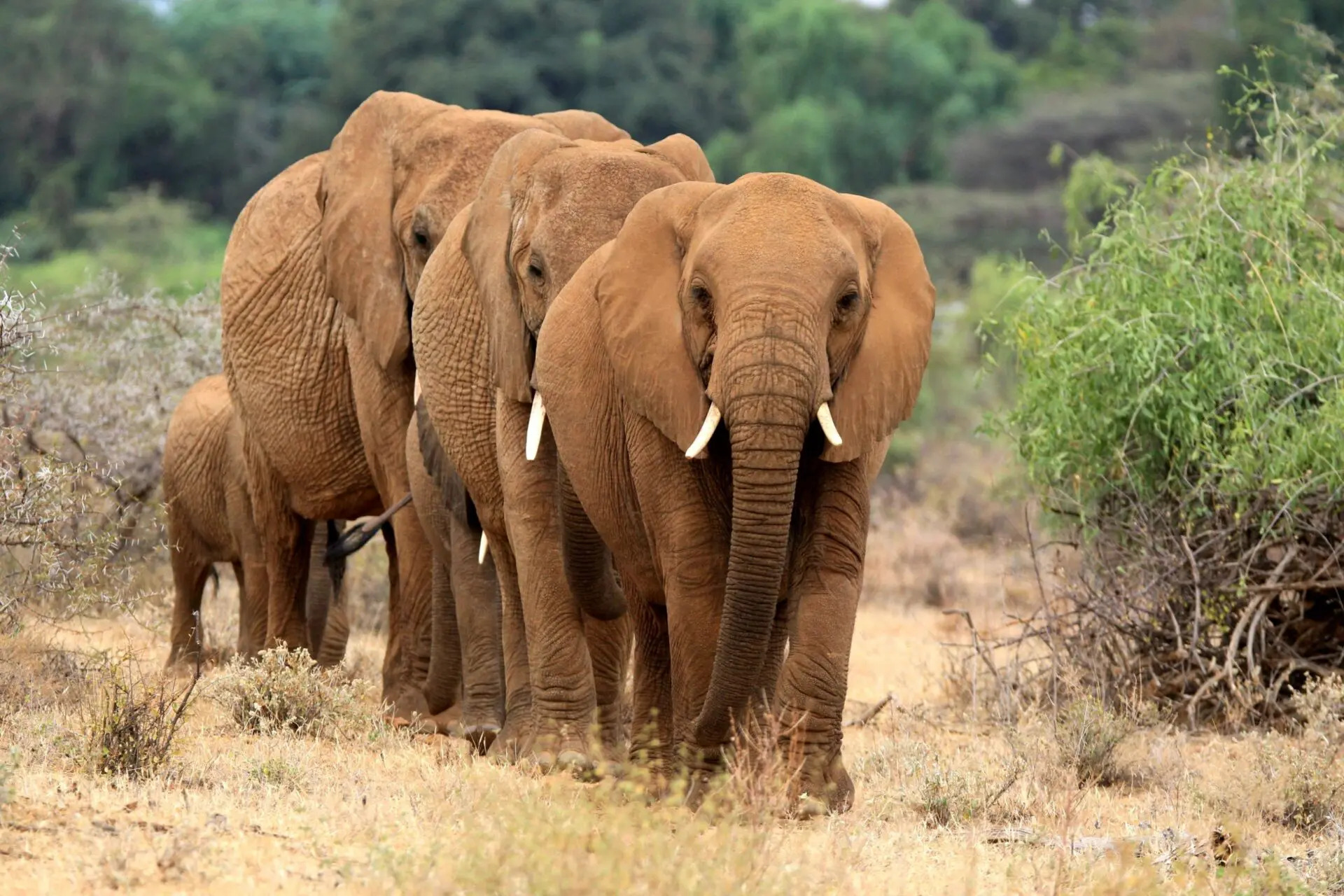
That knowledge can help you anticipate what might happen next. A lion repeatedly looking toward a herd may be preparing to move. A bird changing its posture may be about to take flight. An elephant herd approaching water can create opportunities for interaction, reflections, and wider environmental compositions. Your guide is invaluable here. Experienced safari guides spend years learning animal behavior and can often recognize subtle cues long before a visitor does.
Research should always include safety and ethical viewing distances too. No photograph is worth disturbing wildlife or encouraging a guide to move closer than is appropriate.
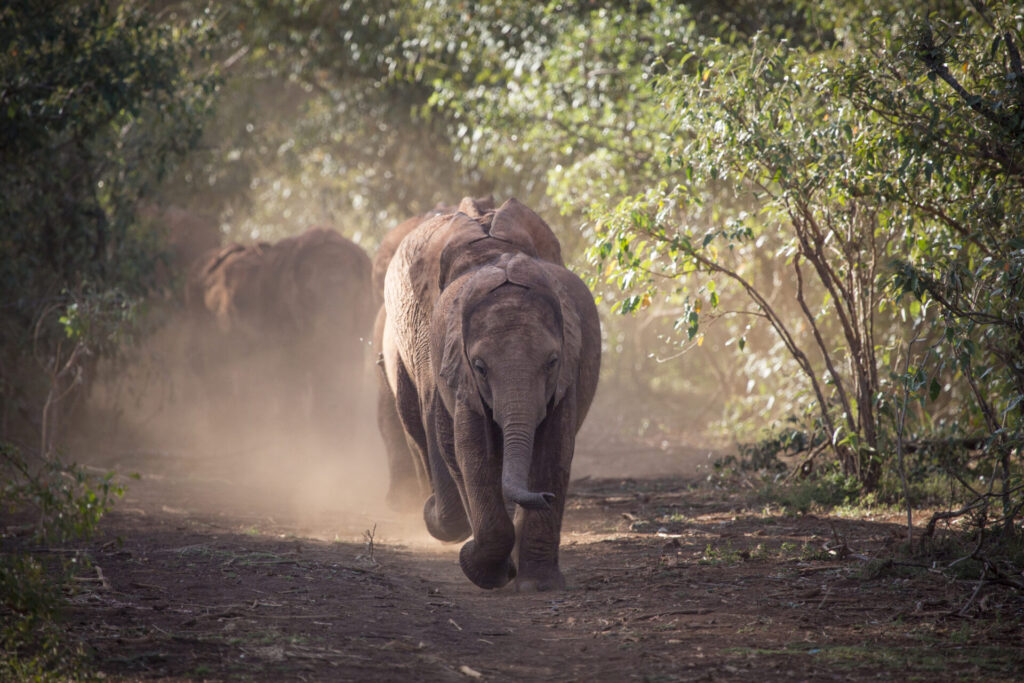
Preparation makes an enormous difference because wildlife encounters can change in seconds. Check your camera before leaving camp, clean your lens, confirm your batteries are charged, make sure there’s space on your memory cards, and select sensible starting settings before the game drive begins.
Think about the kind of photographs you want. Are you hoping for tight animal portraits, action, landscapes, birds, behavioral sequences, or photographs that place animals within their environment?
If photography is one of the main reasons for your safari, tell us when you’re planning your trip. We can consider vehicle arrangements, guiding, destinations, and camps that are particularly well suited to photographers rather than treating photography as an afterthought.
Light can transform an ordinary wildlife photograph. The first and last hours of daylight often produce warmer, softer illumination, longer shadows, and richer texture than the harsh light around midday.
Early starts also improve your chances of encountering active wildlife. Predators may still be hunting or moving before temperatures rise, while other animals begin feeding as the landscape wakes up.
Don’t assume every great image needs the sun behind you. Side lighting can reveal texture, while backlighting can turn fur, dust, grass, and even an animal’s breath into part of the composition. A silhouette against an African sunrise can sometimes tell a stronger story than a perfectly exposed close-up. This is why experienced photographers often value the first drive of the morning and the final hour before sunset so highly.
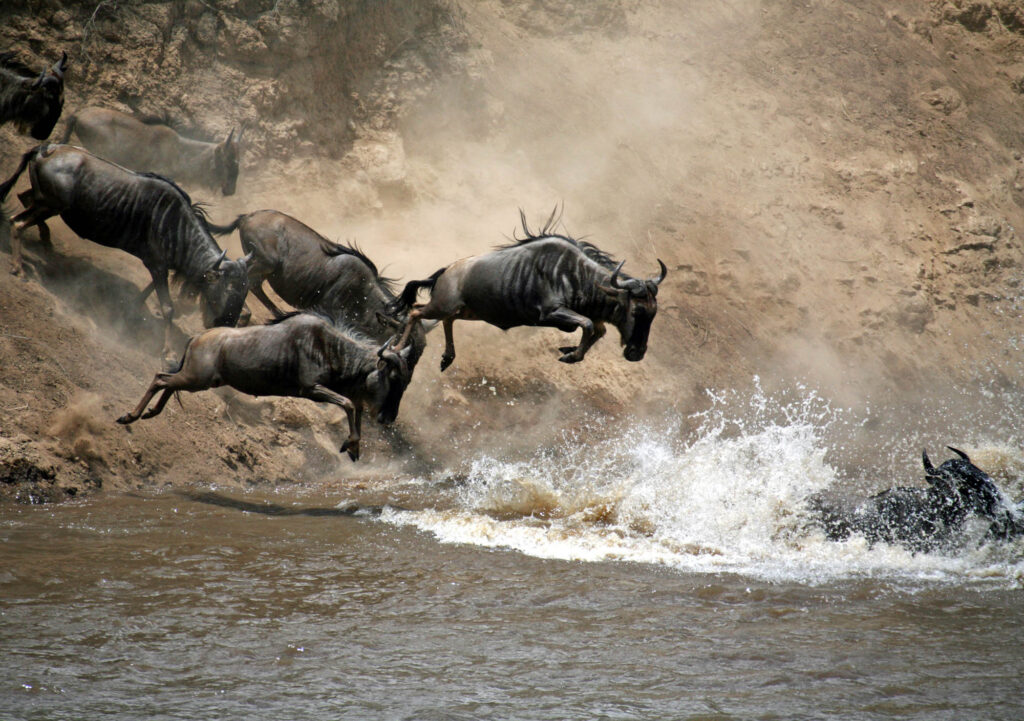
If you’re learning how to photograph wildlife on safari, one of the biggest improvements you can make is understanding a few basic settings before leaving automatic mode.
For moving animals, consider shutter-priority mode or manually selecting a fast shutter speed. Around 1/1000 of a second or faster can be a useful starting point for freezing running mammals or birds in flight, although the exact setting will depend on available light and the speed of your subject.
Switching to continuous or burst shooting can help capture a sequence when something suddenly happens, while continuous autofocus tracking helps the camera maintain focus on a moving subject. You don’t need to master every menu option before your safari, learn these few fundamentals and practice using them before you travel.
Long telephoto lenses magnify movement as well as wildlife. Even a small shake that wouldn’t matter with a wide-angle lens can soften a photograph when you’re shooting at 300mm, 400mm, or beyond.
A tripod isn’t usually practical inside a safari vehicle. Instead, rest your camera on a bean bag placed over the door, window frame, or roof edge, or use a suitable clamp-style vehicle mount. The extra stability is particularly valuable in lower light when your shutter speed begins to fall.
Few things are more frustrating than seeing the photograph you’ve been waiting for and discovering your battery is flat or your memory card is full. Safari days can be long, and burst shooting can produce hundreds or even thousands of photographs surprisingly quickly. Bring spare batteries, multiple memory cards, your charger, and any adapters needed for your destination. We also recommend backing up photographs regularly if possible. Keep your images in more than one place so a lost card or equipment problem doesn’t take your safari memories with it.
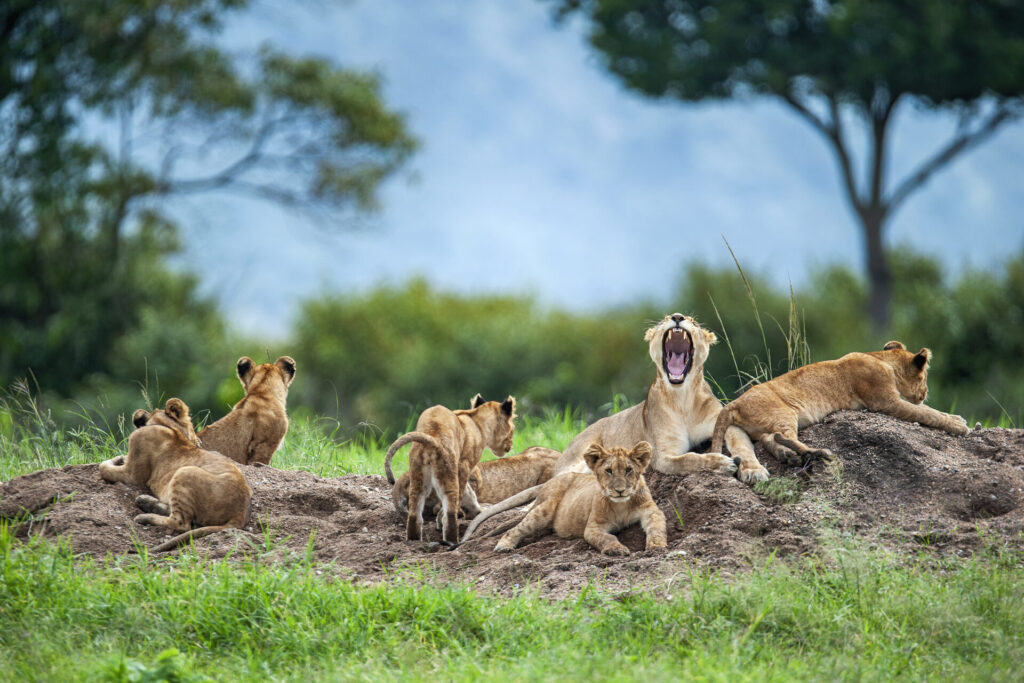
Responsible wildlife photography starts with the animal, not the photograph. Never ask a guide to crowd wildlife, block an animal’s route, move off-road where this isn’t permitted, or position the vehicle in a way that creates unnecessary stress.
This is especially important around predators hunting, animals with young, and sightings already surrounded by several vehicles. Sometimes the best decision a photographer can make is to wait. Patience often produces better photographs anyway. Giving an animal space allows natural behavior to happen, which can result in far more compelling images than forcing a closer view. A responsible photography safari should leave the animal’s behavior unchanged by your presence.
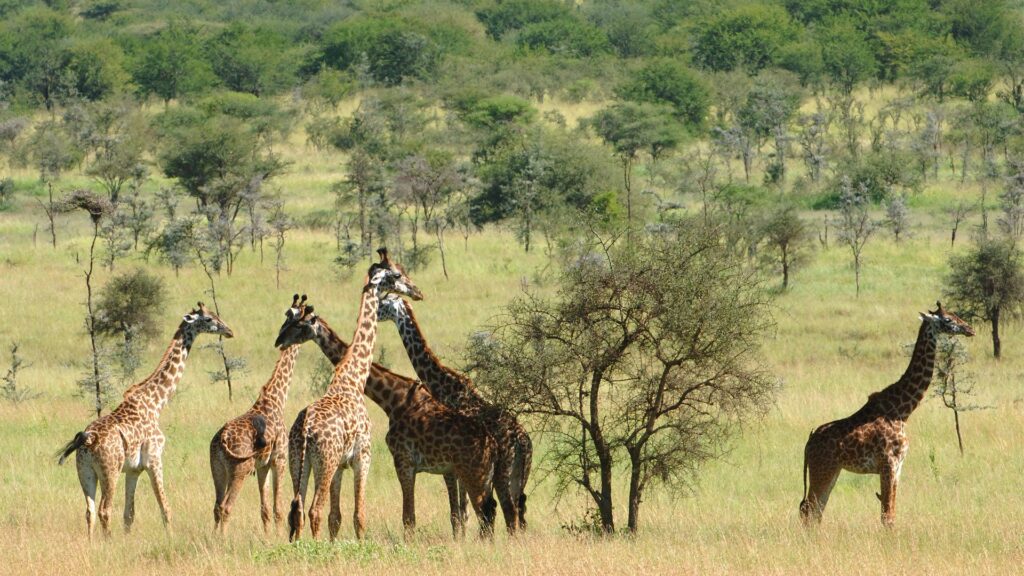
Editing can refine a strong photograph, but it can’t replace the decisions you make in the field. Concentrate first on light, focus, timing, composition, and animal behavior. Once you’re back at camp or home, small adjustments to exposure, cropping, contrast, and sharpening can help your strongest images shine. Avoid excessive saturation, extreme filters, or heavy processing that makes wildlife and landscapes look artificial.
Part of the power of African safari photography is its authenticity. The dust really was hanging in the sunset, the elephant really did emerge through the trees, and the lion really did look directly toward you. Good editing should strengthen that moment rather than turn it into something that never existed.
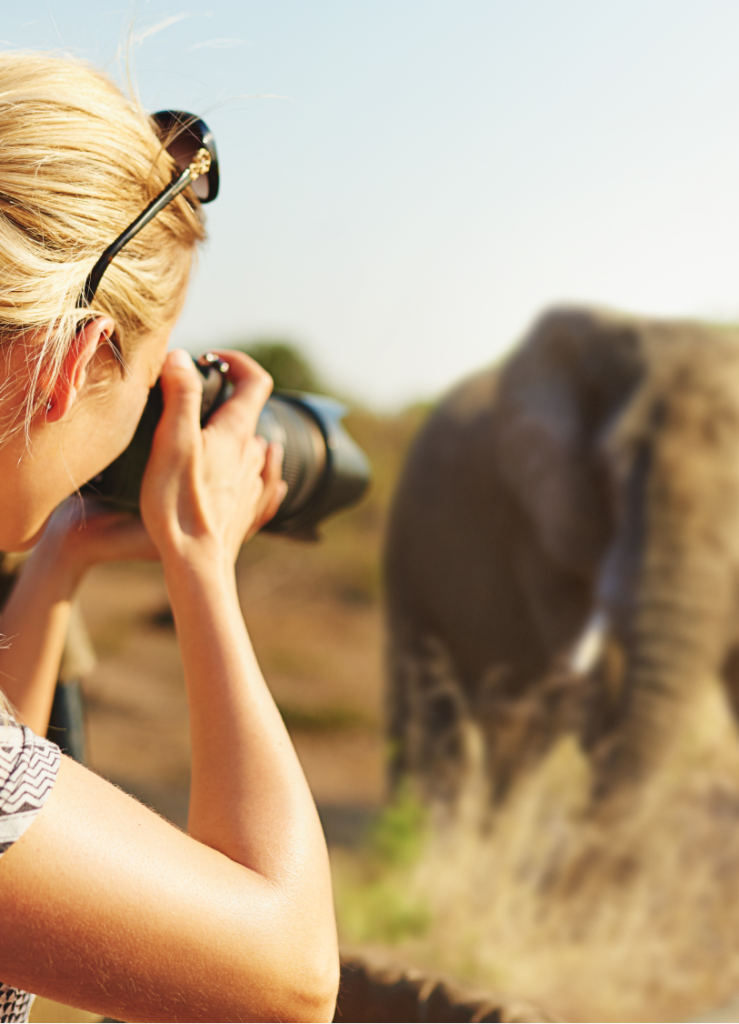
The difference between seeing wildlife and photographing it well can come down to positioning, patience, and having the right guide beside you. Our team understands that photographers often need more time at a sighting, better positioning for the light, an earlier departure, or the freedom to wait when everyone else is ready to move on. Precision matters, and knowledgeable guides can make an enormous difference when seconds determine whether you capture the shot.
For travelers who want photography to shape the journey rather than simply accompany it, Flash McTours can create specialist photography safaris built around the landscapes and wildlife you want to capture. From expert naturalist-photographers and photographers’ vehicles to destinations chosen for specific wildlife and seasonal events, we can design the safari around what happens on the other side of your lens.




This ten day safari gives nature lovers an extended and diverse view of Kenya; its wildlife, its wonderful landscapes and its warm-hearted people. Given the country’s natural heritage, it’s only
Price From


Northern Tanzania is world famous as a safari destination, and with good reason. Here, you can range through the Great African Rift Valley through the lands that are home to the big five of African sa

Price From



The east of African holds many natural wonders, from mountains to salt lakes, flamingos to gorillas. This small corner of the world is filled with beauty, wonder, and excitement with so many landscape

Price From
This ten day safari gives nature lovers an extended and diverse view of Kenya; its wildlife, its wonderful landscapes and its warm-hearted people. Given the country’s natural heritage, it’s only
Price From
Northern Tanzania is world famous as a safari destination, and with good reason. Here, you can range through the Great African Rift Valley through the lands that are home to the big five of African sa
Price From
The east of African holds many natural wonders, from mountains to salt lakes, flamingos to gorillas. This small corner of the world is filled with beauty, wonder, and excitement with so many landscape
Price From
If you don't want to miss useful and interesting articles, leave us your email.
Also you will be the first to know about all discounts and offers.









Personalized service by travel experts with first-hand knowledge

Customizable tours to your preference

400+ 5-star TripAdvisor and Google reviews

Booking Security - Money - back guarantee & 24/7 support