A safari with kids is about much more than sitting quietly in the back of a vehicle and hoping an elephant appears. Done well, a Kenya safari turns wildlife into something children can actively discover: following animal tracks with a guide, learning how to spot a lion before anyone else in the vehicle, or understanding why a zebra has stripes. The experience becomes a hands-on introduction to the natural world.
The key is balance. A successful family safari combines wildlife viewing with time to swim, explore and recharge, and Kenya’s parks and camps make it possible to build that into an itinerary. Flash McTours creates family experiences around the ages of the children traveling, with activities including junior ranger programs, cultural visits to Maasai villages, nature walks and age-appropriate game drives across destinations such as the Masai Mara, Amboseli, Lake Naivasha and Tsavo.
For a little more inspiration, explore our wider family safaris in Africa or our full Kenya family safari guide.
From choosing activities according to age to finding the right destinations, here’s how to make your Kenya family safari one your children will still be talking about for years to come.
Kenya is particularly well suited to a family safari experience because wildlife sightings can happen quickly, helping children stay interested rather than spending hours waiting for something to appear. Beyond the game drive, camps and conservancies can introduce younger travelers to tracking, conservation, local culture and the smaller details of the bush, making a safari feel active and engaging.
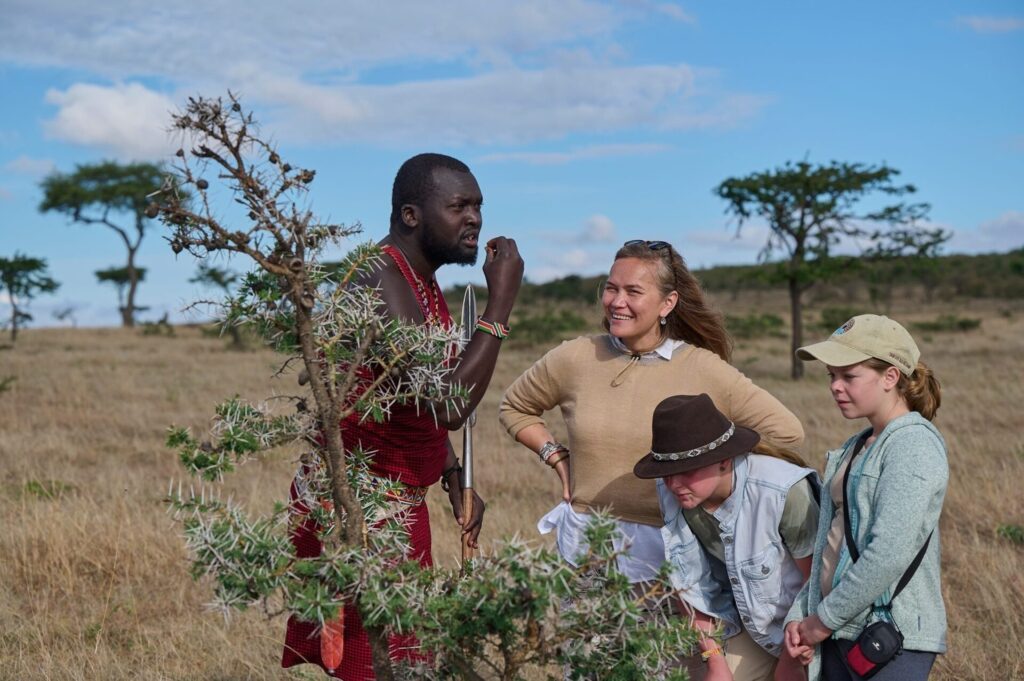
Junior ranger programs turn children from passengers into participants. Depending on the camp, activities can include learning to identify animal tracks, understanding predator behavior and discovering how conservation works in the wilderness around them.
These programs are most commonly experienced at selected properties in Tsavo East and Tsavo West. A child might learn to recognize elephant tracks in the soil, then proudly identify a set before the guide points them out. It is a simple skill, but it can completely change how children look at the landscape around them.
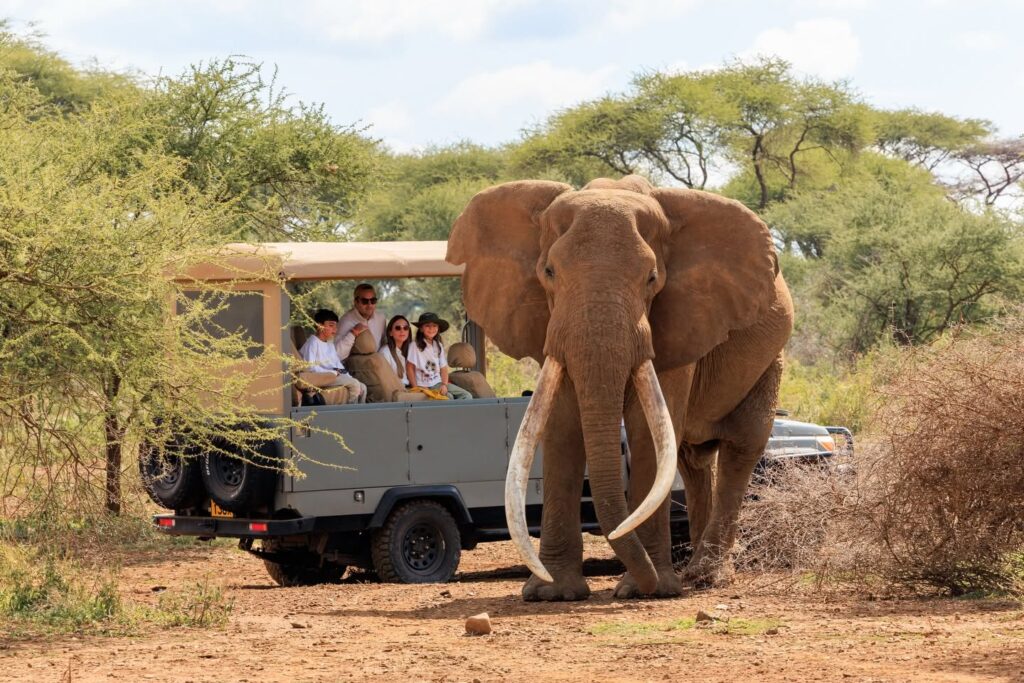
Game drives don’t have to mean spending an entire day in a vehicle. Guides can adapt the experience to suit younger travelers, keeping drives shorter, taking regular breaks and spending more time at active sightings rather than rushing from one animal to the next.
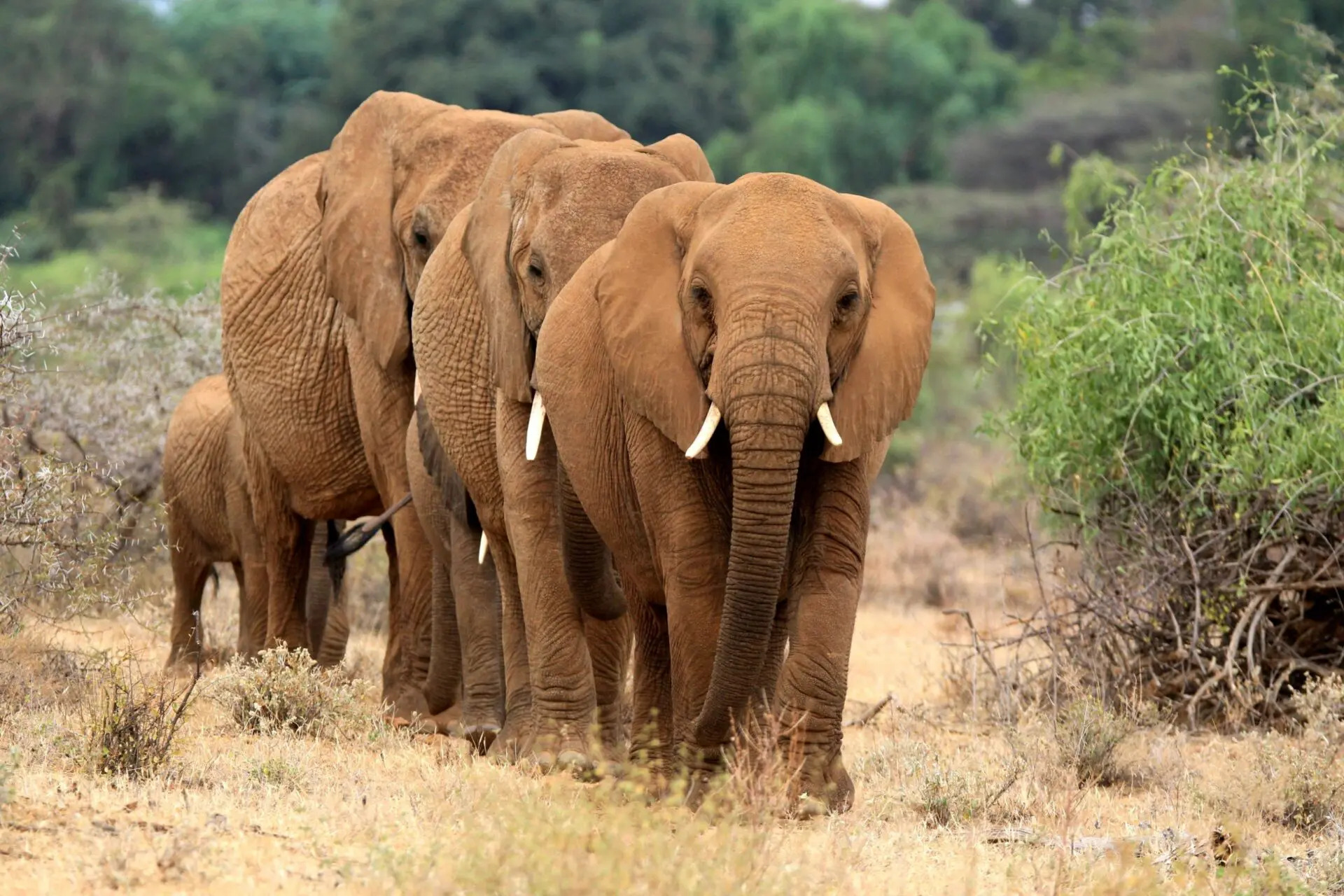
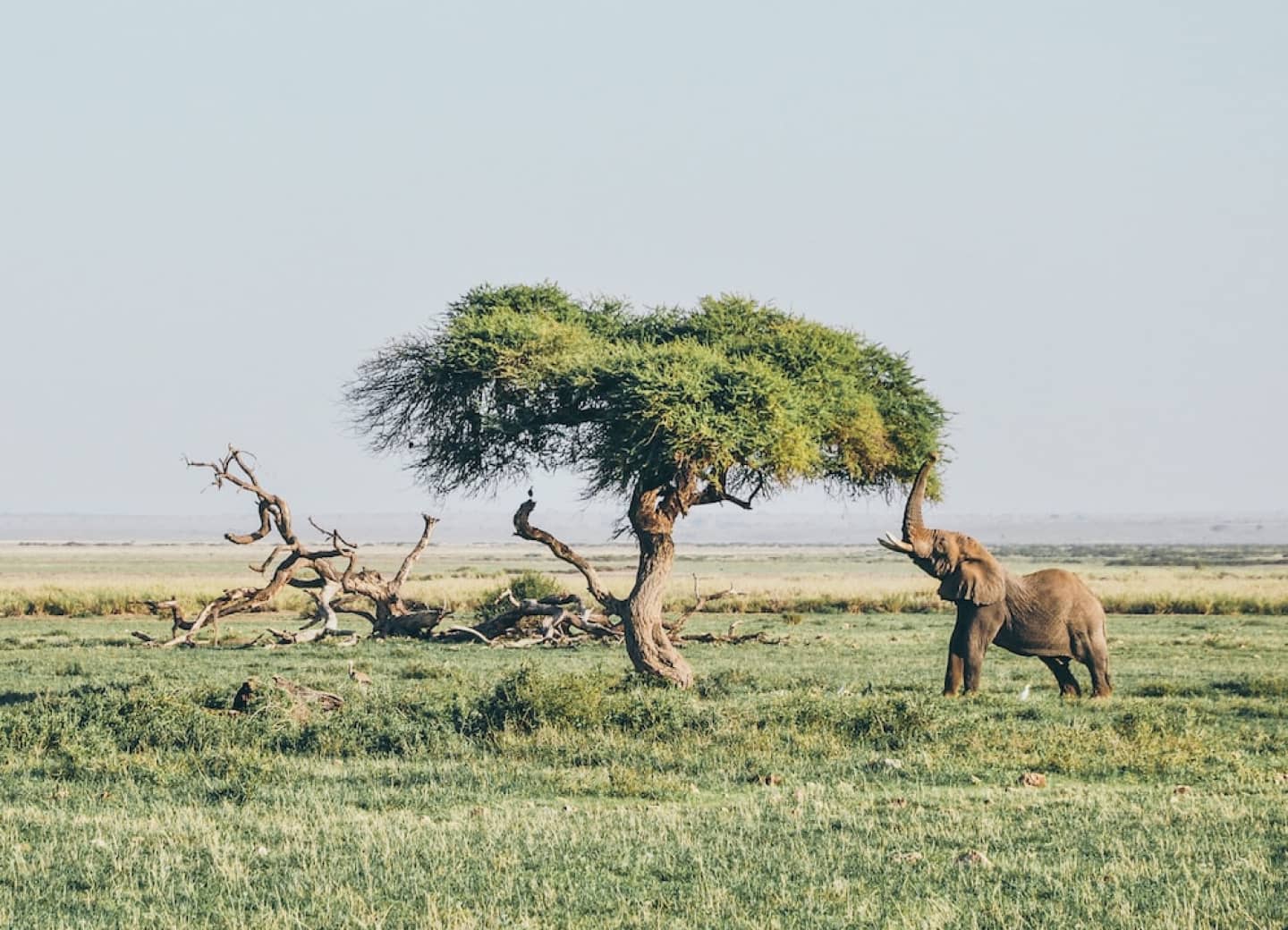
Open landscapes such as the Masai Mara and Amboseli can be particularly incredible because wildlife may be visible soon after leaving camp. For younger children, seeing a herd of elephants or a group of giraffes early in the drive can provide exactly the excitement needed to keep them engaged.

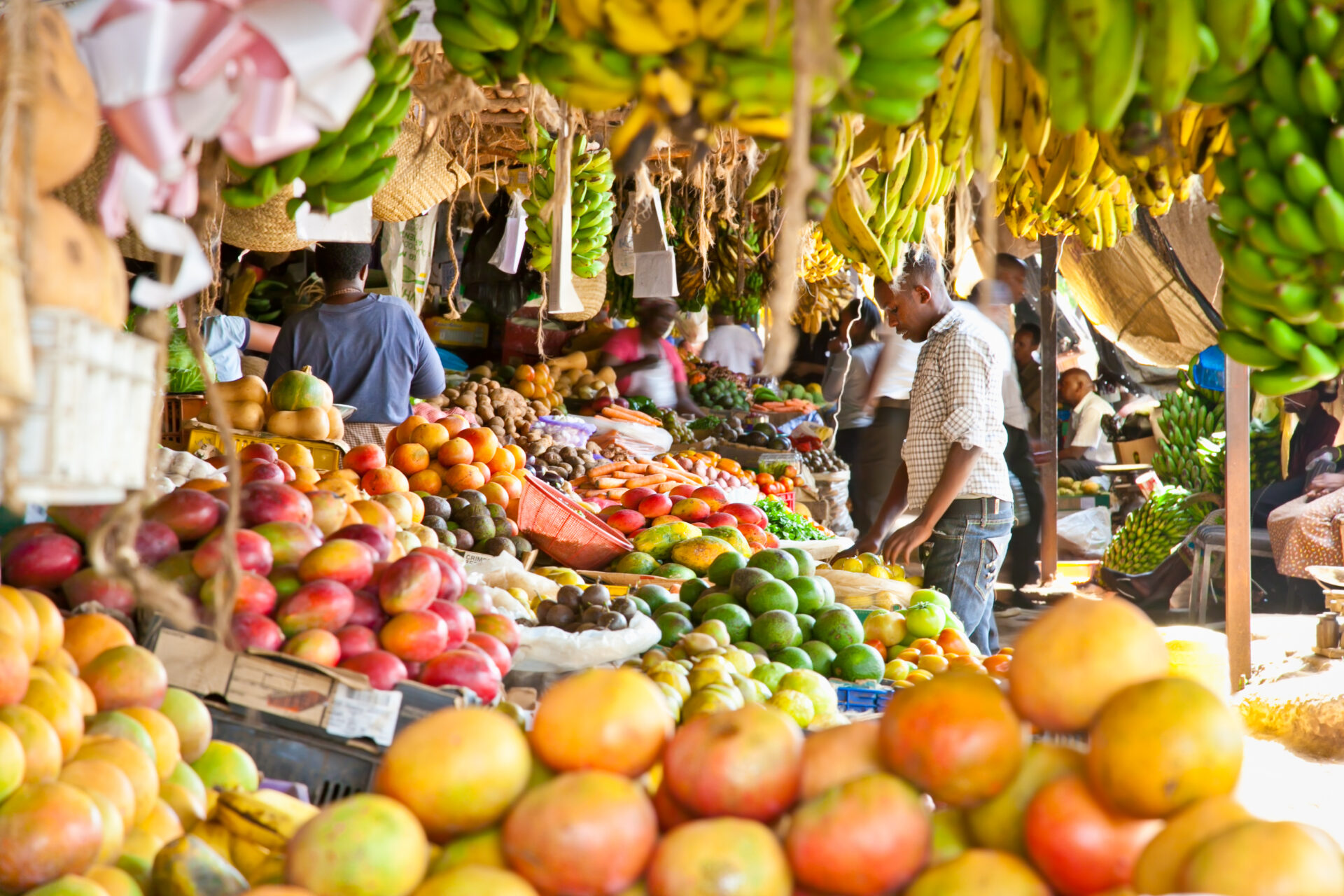
A safari can also introduce children to the people and cultures of Kenya. Around the Masai Mara, cultural visits to Maasai villages can give families the opportunity to meet local families, see traditional homes and learn about daily life. Depending on the experience arranged, children may also watch or participate in demonstrations such as jewelry-making or traditional dances.
For children, these encounters can be just as memorable as seeing wildlife. They add context to the landscape and help turn a family safari in Africa into something broader than game viewing.
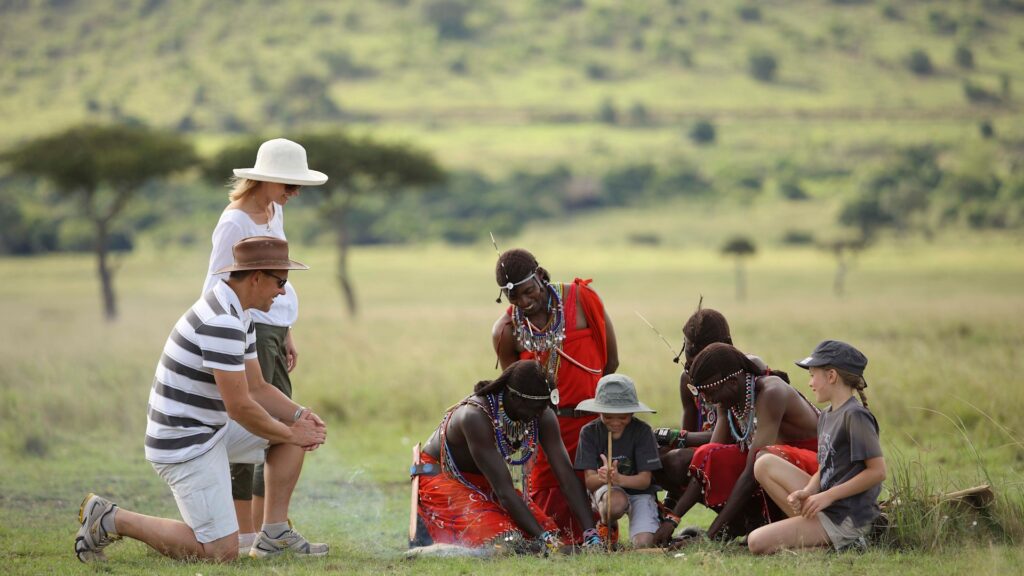
Walking through the bush reveals an entirely different side of safari. Where permitted, guided walks outside main reserve boundaries or within private conservancies allow children to focus on things they might miss from a vehicle: insects, plants, birds, tracks and smaller signs of wildlife. Rather than looking for the biggest animal, they learn to pay attention to the landscape itself.
Lake Naivasha’s Crescent Island is a particularly useful example for families, having a walking safari experience where children can explore on foot rather than spending another day in a vehicle.
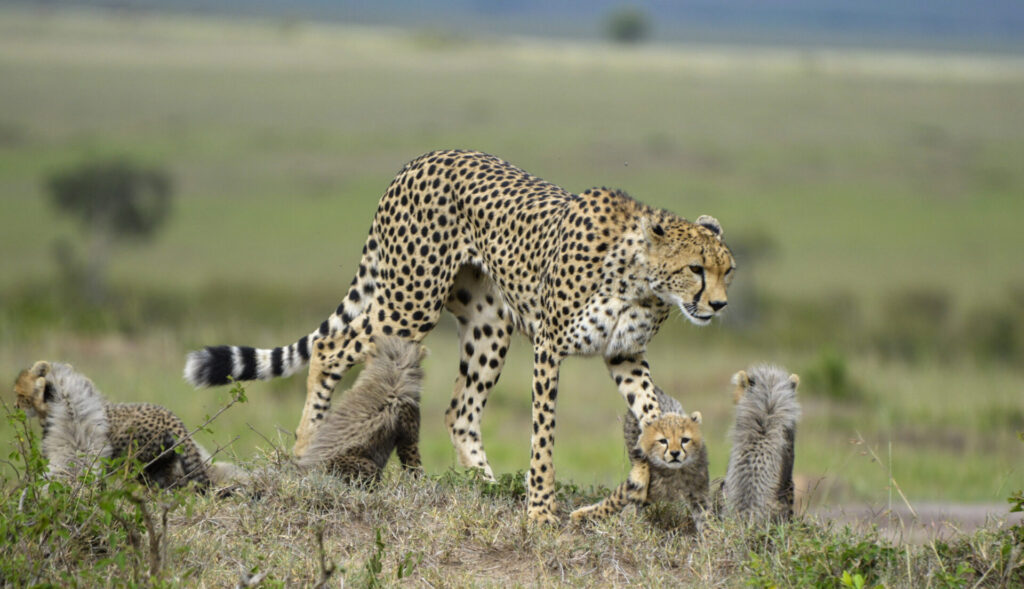
The right safari activities depend heavily on a child’s age. Younger children generally benefit from shorter drives, frequent breaks and simple, hands-on distractions, while teenagers can usually handle longer drives and more immersive wildlife and conservation experiences.
Flash McTours can pace an itinerary around the youngest traveler in the group by default, with activities and daily schedules adjusted according to the family’s needs.
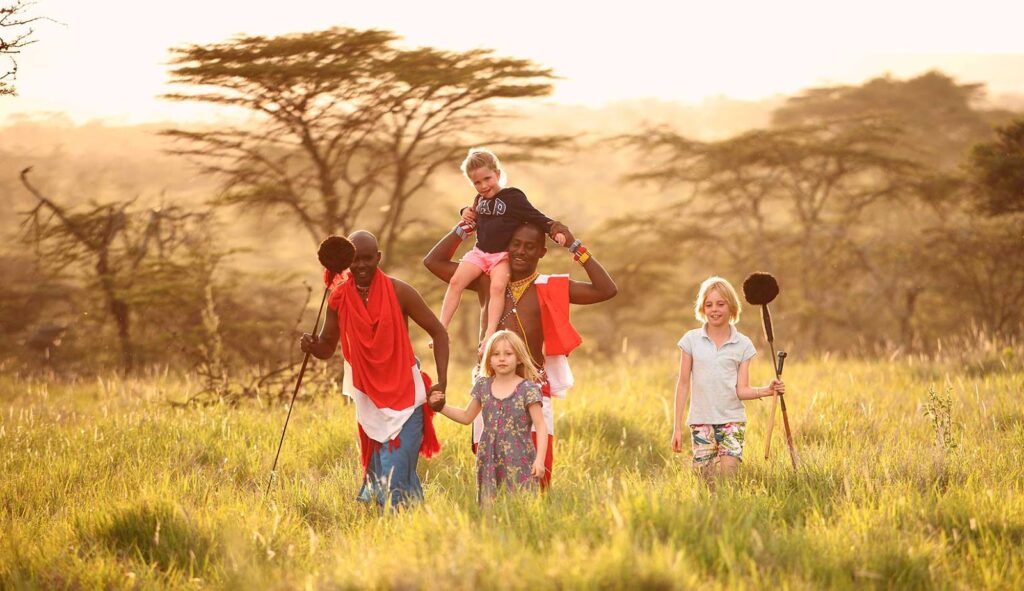
For younger children, variety is usually more important than duration. Shorter game drives, swimming breaks and simple wildlife-spotting games can help keep safari exciting without making the days feel too long.
At this age, easily recognizable sightings such as elephants, giraffes and zebras can be more rewarding than spending a long time searching for a rare or distant animal. Camps with pools or open spaces also give children somewhere to burn off energy between drives.

Children between nine and twelve are often naturally curious about how the bush works. This is an excellent age for activities that encourage them to look more closely at their surroundings, from junior ranger programs and birdwatching to beginner wildlife photography.
Cultural visits can also work particularly well for this age group, giving children something to engage with beyond wildlife and helping them understand the people and communities that share these landscapes.
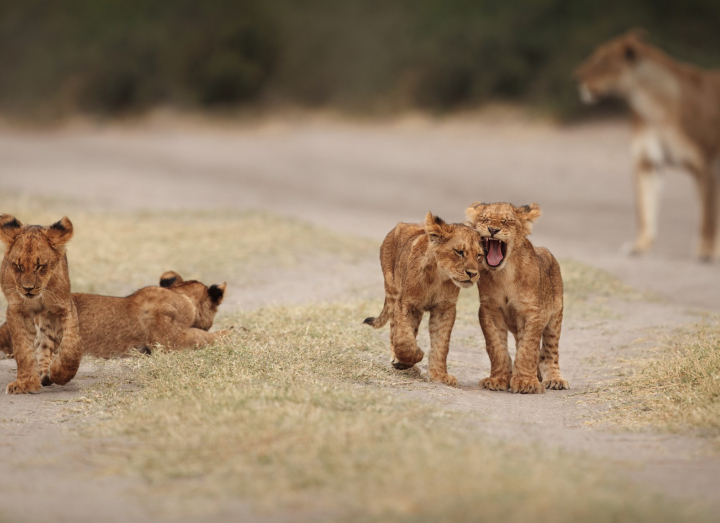
Teenagers can generally manage longer, more adventurous days and may appreciate opportunities to develop a particular interest, whether that’s wildlife photography, tracking, conservation or nature.
Extended game drives, guided nature walks and photography-focused outings can give teenagers more independence and a deeper understanding of the environment. They can also usually handle a fuller multi-park itinerary, allowing families to combine several distinct areas of Kenya.
A kenya family safari will often work best when it combines two or three destinations, each having something different rather than repeating the same game-drive experience. Flash McTours builds itineraries around the activities a family is most interested in, rather than simply choosing destinations based on proximity.
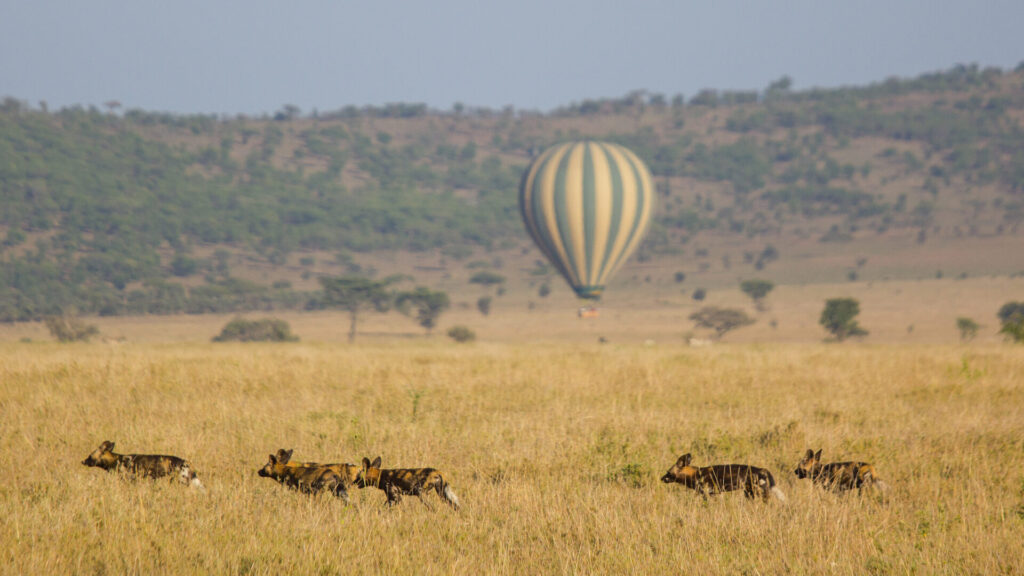
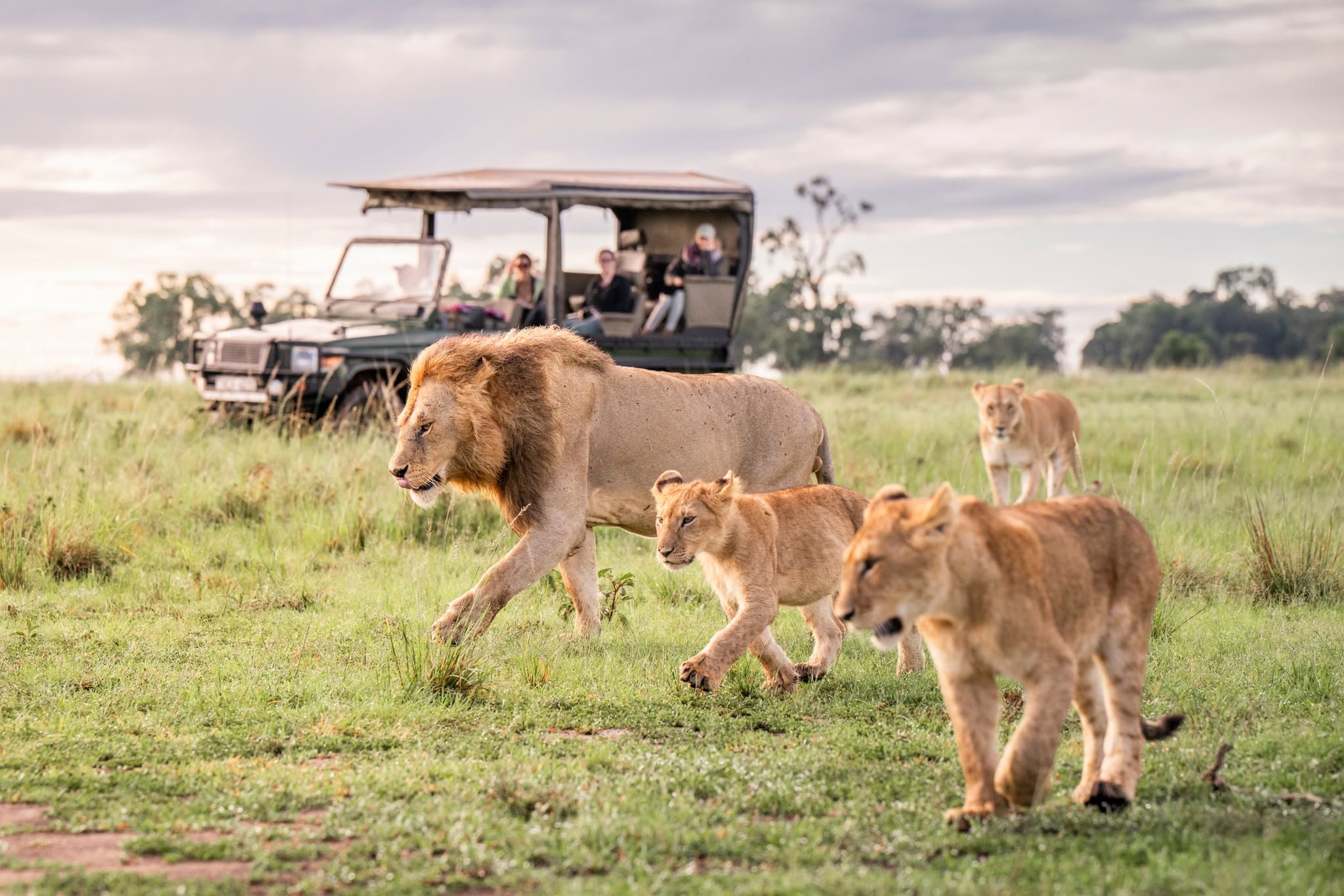
For most families, the Masai Mara is an excellent place to begin. Its wildlife density means sightings can happen relatively quickly, which is useful when traveling with children who may not yet have the patience for a long, quiet drive.
Game drives can be paced around the ages of the children, while cultural visits to Maasai villages add another dimension to the experience. It is also a strong first stop on a multi-park itinerary because those early wildlife encounters can immediately establish the excitement of safari.

Lake Naivasha provides a useful change of rhythm during a family itinerary. Rather than another full day of traditional game drives, families can explore the lake and surrounding area through activities such as boat safaris, walking on Crescent Island and horse riding.
Boat trips bring the chance to see hippos and birdlife from the water, while a walking safari provides an opportunity to get out of the vehicle and explore on foot. For younger children in particular, this can be an effective mid-itinerary break after several game-drive days.
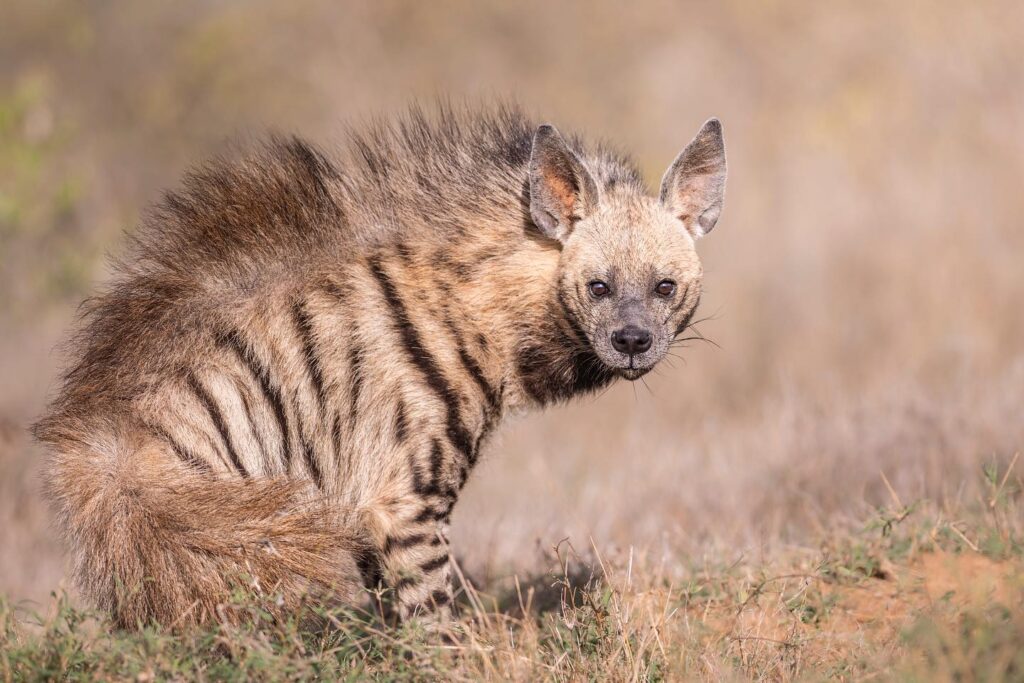
Tsavo is the destination most closely associated with structured junior ranger activities and bush skills for children. Alongside traditional game drives, children can learn about tracking and wildlife signs and, where appropriate, take part in bush walks.
The scale of Tsavo also makes it particularly appealing to families with slightly older children who are ready for a more engaging experience. Given the longer distances within the parks, children aged nine and above may get more from the experience than very young travelers.
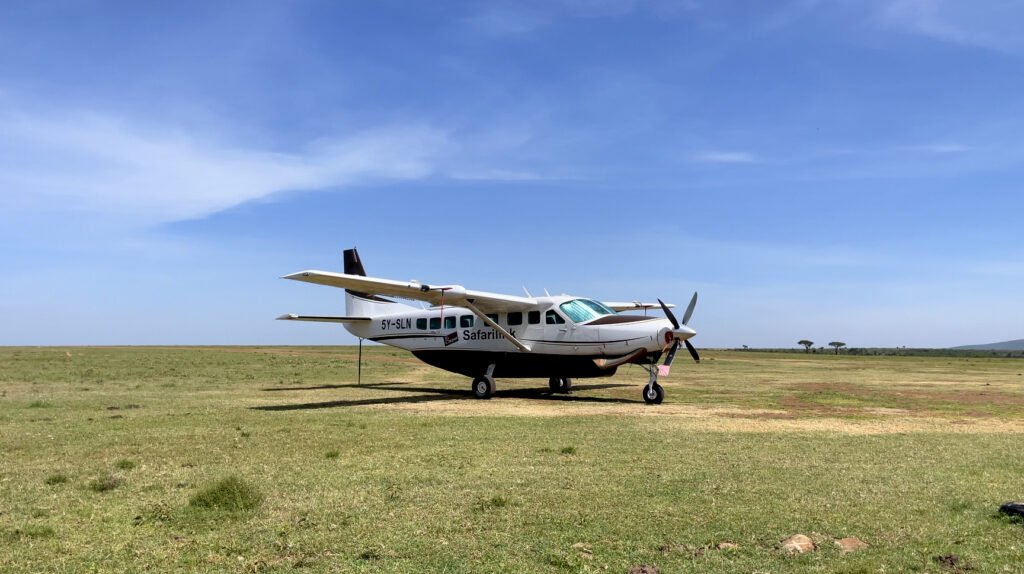
Inclusions vary by lodge and itinerary. The following covers what is included in most Flash McTours Kenya family safari packages, and what to budget for separately.

Most camps and lodges accept children of all ages, although individual properties can set their own minimum ages. Specific activities, including walking safaris and night drives, may have minimum age requirements, often around six to eight years. Private conservancies can sometimes have greater flexibility than public reserves. Flash McTours confirms the age requirements for each lodge, park and activity when planning your trip.
Shorter game drives, regular breaks and simple spotting games can make a safari with kids much more engaging for younger travelers. Asking children to be the first person to spot a giraffe or count zebras gives them something active to focus on. Camps with swimming pools or open spaces are also useful, while destinations such as the Masai Mara and Amboseli can provide relatively quick wildlife sightings.
No. Junior ranger activities are generally provided by specific camps and lodges rather than being a standard feature of every Kenya safari. They are particularly associated with selected properties in Tsavo East and Tsavo West. If a junior ranger experience is important to your family, it should be identified as a priority when planning the itinerary so that the appropriate property can be selected and availability confirmed.
Game drives are conducted from safari vehicles with experienced guides, and children remain seated inside the vehicle during wildlife viewing. Guides brief guests on safety expectations before each drive and monitor the situation throughout. Walking safaris and other closer wildlife encounters have separate age and safety requirements, so families should follow the specific guidance provided by their guide and camp.
Yes. Diani Beach on Kenya’s south coast is a popular addition to a family safari and provides a change of pace after several days of early mornings and game drives. Depending on age and conditions, children can enjoy activities such as snorkeling, dolphin watching and kayaking, while the beach itself offers plenty of time to simply relax.
For peak travel periods, booking six to twelve months ahead is advisable. July through October is a particularly popular period because of the Great Migration, while December through March can also see strong demand around school holidays. Lodges with specific children’s programs or junior ranger activities can have limited capacity, so families with a particular activity in mind should confirm availability as early as possible.

The appeal of safari holidays for families is that children aren’t simply being entertained; they are learning to pay attention.
A game drive teaches them to look closely at the landscape. A tracking lesson shows them that animals leave clues everywhere. A walk introduces them to insects, plants and birds that might otherwise disappear into the background. A visit to a Maasai village opens a window onto a culture and way of life that may be entirely different from their own.
And then there are the moments no itinerary can guarantee: the first elephant sighting, the excitement when a guide suddenly stops the vehicle, the realization that the shape in the distance is actually a giraffe, or the collective silence that falls when a lion appears.
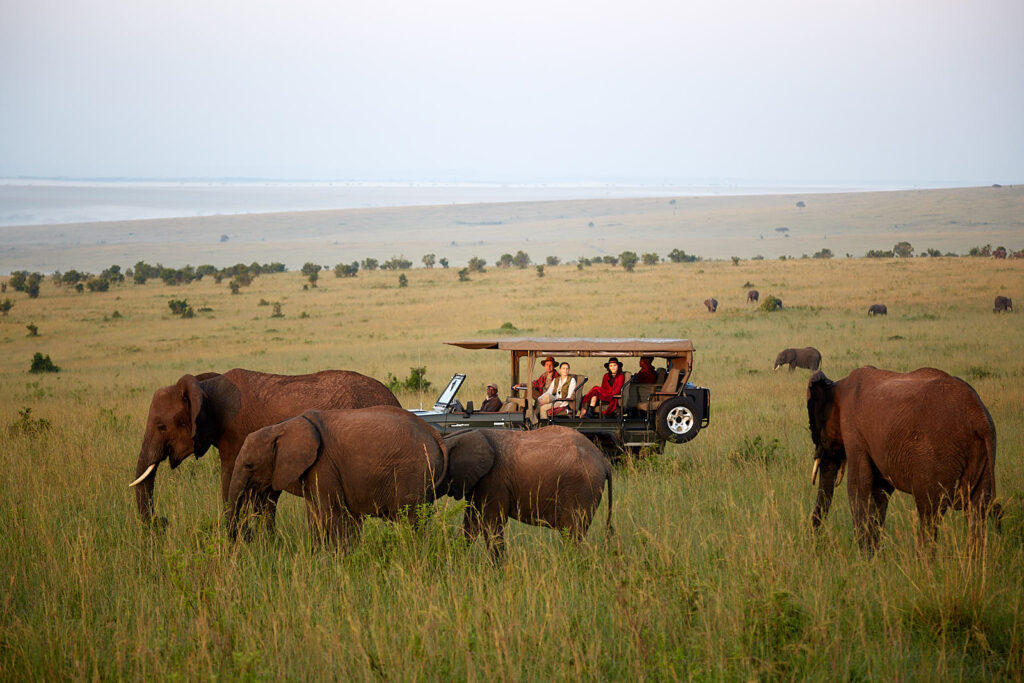
The most successful family safari trips tend to have one thing in common: they don’t try to do too much.
Children need downtime, even when they’re having the adventure of a lifetime. A family itinerary doesn’t need to include a game drive at every possible opportunity. Swimming at the lodge, having lunch together, reading, playing or simply watching the landscape can all be part of the experience.
Moving between multiple parks can be exciting, but too many transfers can become tiring, particularly for younger children. Choosing two or three destinations with distinct experiences can often be more beneficial than attempting to cover half the country.
Private vehicles can also make a difference. Rather than following a fixed group schedule, families can work with their guide to determine when to start, when to stop and when it is time to head back to camp. That flexibility is particularly valuable when children are involved.
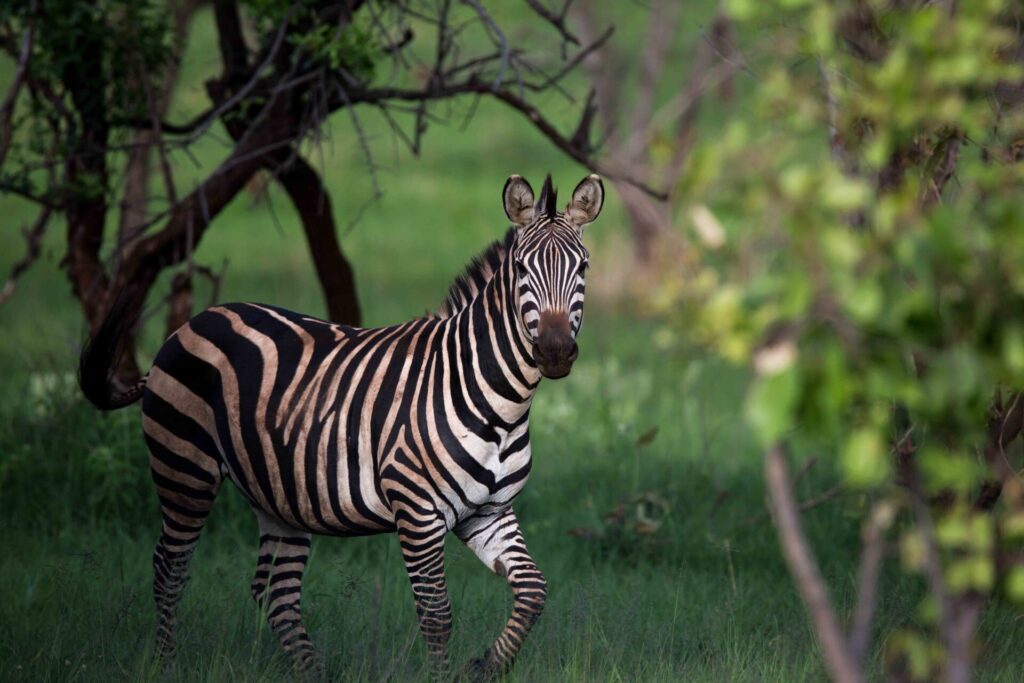
Booking a safari with kids means choosing more than a destination. It means creating days around discovery: learning to track wildlife in Tsavo, spotting elephants across the Amboseli plains, finding a lion pride in the Masai Mara or stepping out of the vehicle to explore the landscape around Lake Naivasha. The right itinerary will depend on the ages of your children, their interests and the kind of experiences your family wants to share.
Flash McTours builds each itinerary around the children traveling, selecting camps, activities and destinations to suit the family rather than fitting everyone into a fixed schedule. Contact Flash McTours to start planning your Kenya family safari.


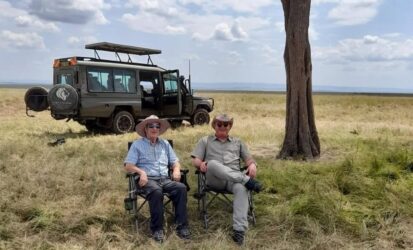


This ten day safari gives nature lovers an extended and diverse view of Kenya; its wildlife, its wonderful landscapes and its warm-hearted people. Given the country’s natural heritage, it’s only
Price From


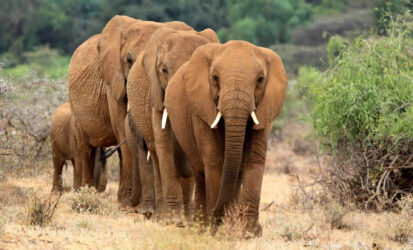


Jambo! Welcome to Kenya. Our 6-day fly-in Kenyan wildlife safari package has been tailor-made to show visitors Kenya’s diverse wildlife, as found in the distinct habitats of Samburu National Par
Price From


Taking in a range of safari experiences, including conservation efforts and understanding about local tribal culture, this tour offers a great range of activities to keep a whole family happy. Travell

Price From
This ten day safari gives nature lovers an extended and diverse view of Kenya; its wildlife, its wonderful landscapes and its warm-hearted people. Given the country’s natural heritage, it’s only
Price From
Jambo! Welcome to Kenya. Our 6-day fly-in Kenyan wildlife safari package has been tailor-made to show visitors Kenya’s diverse wildlife, as found in the distinct habitats of Samburu National Par
Price From
Taking in a range of safari experiences, including conservation efforts and understanding about local tribal culture, this tour offers a great range of activities to keep a whole family happy. Travell
Price From
If you don't want to miss useful and interesting articles, leave us your email.
Also you will be the first to know about all discounts and offers.









Personalized service by travel experts with first-hand knowledge

Customizable tours to your preference

400+ 5-star TripAdvisor and Google reviews

Booking Security - Money - back guarantee & 24/7 support