Take a look at this story
Sustainable tourism in Africa is about far more than reducing your environmental footprint, it’s about ensuring that every journey contributes to the long-term protection of the continent’s extraordinary wildlife, landscapes, and communities. From the sweeping savannas of Kenya to the vast plains of Tanzania, the ancient forests of Uganda, and the idyllic shores of Zanzibar, Africa’s most iconic destinations depend on responsible tourism to safeguard the ecosystems that make them so remarkable. Every decision you make (from where you stay to how you experience wildlife) has the power to leave a positive legacy.
The safari industry has evolved dramatically over the past two decades. Today’s travelers increasingly want journeys that are not only extraordinary but also meaningful. According to UN Tourism (formerly the UNWTO), sustainable travel has become one of the defining priorities of modern tourism, with travelers placing greater value on experiences that protect biodiversity, support local livelihoods, and preserve cultural heritage. Across Africa, this growing demand has encouraged lodges, conservation organizations, and local communities to work together, creating tourism models that actively fund conservation while delivering tangible benefits to the people who protect these wild places.
At Flash McTours, we believe the best safaris are those that give back as much as they inspire. By embracing these sustainable tourism practices, you’ll enjoy a more authentic safari while helping preserve Africa’s extraordinary landscapes for future generations.
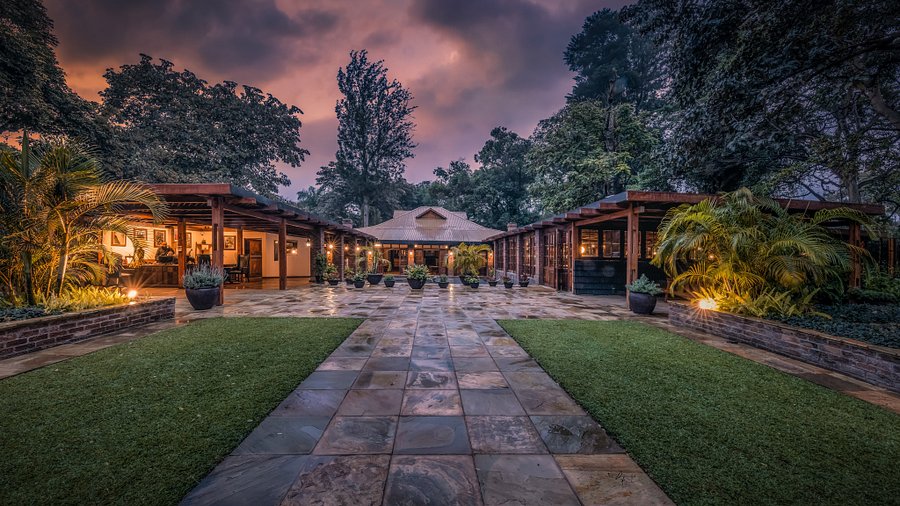
Where you stay is one of the most important decisions you’ll make when planning a safari. The right lodge doesn’t simply provide exceptional hospitality, it actively contributes to protecting wildlife, preserving fragile ecosystems, and creating long-term opportunities for local communities.
The best eco-friendly accommodations in Africa are designed to minimize their environmental footprint while maximizing their positive impact. Rather than focusing solely on luxury, these properties balance comfort with responsible operations, proving that sustainability and world-class safari experiences can go hand in hand.
Look for properties that demonstrate genuine environmental commitments, such as:
| Sustainable Practices | Why It Matters |
| Solar or renewable energy | Reduces dependence on fossil fuels in remote areas. |
| Rainwater harvesting | Conserves precious water resources during dry seasons. |
| Elimination of single-use plastics | Helps reduce waste in sensitive ecosystems. |
| Waste recycling and composting | Minimizes landfill waste and protects surrounding habitats. |
| Eco-conscious building materials | Allows lodges to blend naturally into the landscape with minimal environmental impact. |
However, sustainability extends well beyond environmental initiatives. Many of Kenya, Tanzania, and Uganda’s leading safari lodges actively support neighboring communities by creating employment, investing in education, purchasing local produce, and working alongside regional artisans and suppliers. Tourism revenue often helps fund schools, healthcare initiatives, clean water projects, and conservation programs that directly improve livelihoods.
Instead of focusing only on room categories or amenities, consider asking:
These answers often tell you far more about a safari property than any brochure ever could.
Choosing responsible accommodation means your safari helps:
At Flash McTours, we carefully select eco-friendly accommodation options that demonstrate measurable conservation efforts and meaningful partnerships with local communities, ensuring every stay creates a lasting positive impact.
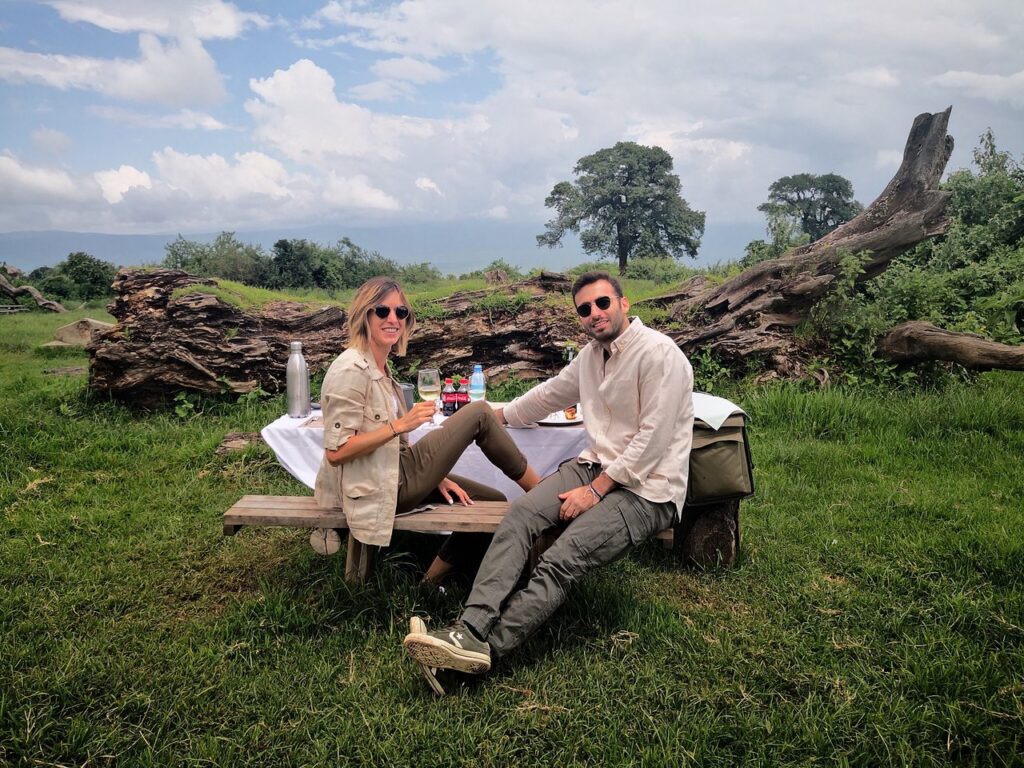
Every safari leaves an environmental footprint, but thoughtful choices can significantly reduce that impact without affecting your overall experience. Many of Africa’s ecosystems are under increasing pressure from climate change, habitat loss, and growing human populations. Responsible tourism helps fund conservation efforts, but every traveler also has a role to play in protecting these extraordinary places.
Small changes throughout your trip can make a surprisingly big difference:
| Action | Positive Impact |
| Carry a reusable water bottle | Reduces plastic waste in remote safari destinations. |
| Take shorter showers | Conserves water in regions where it is often scarce. |
| Reuse towels and linens | Lowers water and energy consumption. |
| Turn off lights and air conditioning | Reduces energy demand at off-grid safari camps. |
| Dispose of rubbish responsibly | Prevents pollution and protects wildlife. |
| Buy locally made products | Supports local economies instead of imported supply chains. |
Many safari lodges now provide filtered drinking water refill stations, making it easy to avoid purchasing disposable plastic bottles throughout your journey.
Thoughtful itinerary planning can also reduce your environmental impact. Spending longer in each destination rather than rushing between multiple parks not only minimizes transport emissions but also creates a far better safari experience, letting you truly connect with each landscape.
Freshwater habitats are among the world’s most threatened ecosystems. According to the World Wide Fund for Nature (WWF), rivers, wetlands, and lakes support an extraordinary diversity of wildlife while providing essential resources for millions of people across Africa.
Simple actions, such as conserving water, avoiding pollution, and supporting environmentally responsible safari operators, help protect these fragile ecosystems for future generations. The goal isn’t to travel perfectly, it’s to travel thoughtfully.
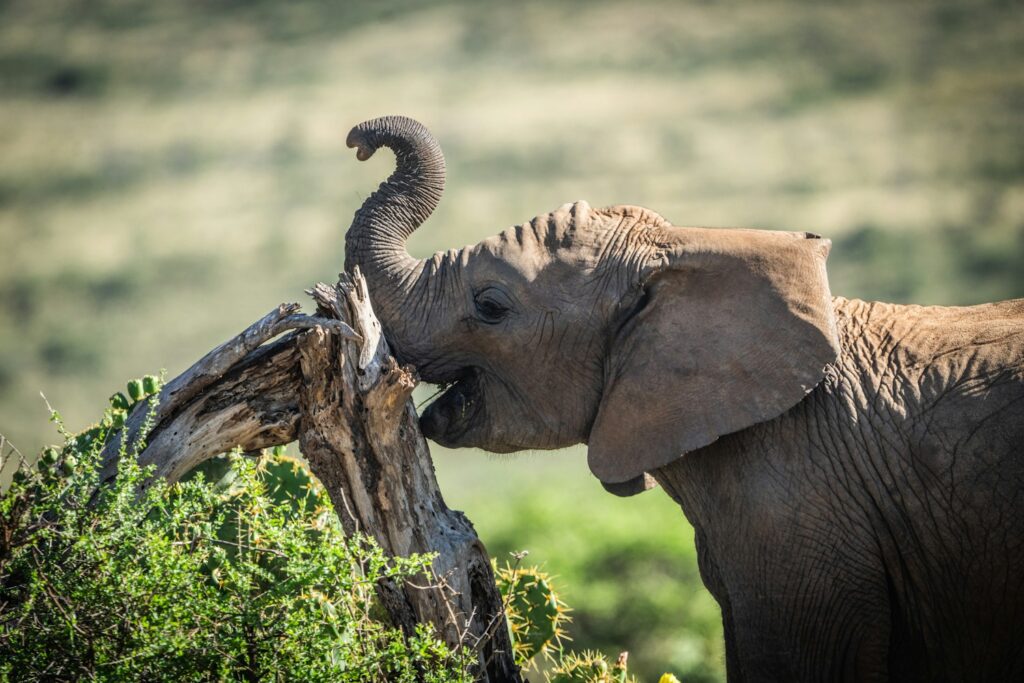
The greatest wildlife encounters happen when animals behave naturally. One of the defining principles of responsible tourism in Africa is allowing wildlife to remain wild. Experienced safari guides understand animal behavior and know exactly how close vehicles can safely approach without causing unnecessary stress.
Rather than chasing sightings, the finest guides rely on patience. This often leads to extraordinary moments that no amount of rushing could ever create, a leopard descending from an acacia tree at dusk, elephants quietly interacting at a waterhole, or lion cubs learning to hunt beneath the watchful eye of their mothers.
Always remember to:
Capturing incredible images should never come at the expense of wildlife welfare. Good wildlife photographers understand that patience almost always produces better photographs than proximity.
Avoid:
Perhaps the most important piece of advice is also the simplest. If your guide decides not to approach an animal, there’s always a reason.
They may recognize signs of stress, notice a predator actively hunting, or understand that a mother is protecting young offspring. Their experience ensures both your safety and the welfare of the wildlife you’re privileged to observe. Respecting these decisions is one of the simplest (and most meaningful) ways to practice ethical travel in Africa, while making sure that future travelers can enjoy the same remarkable wildlife encounters.

The contents of your suitcase can have a surprisingly significant impact on the places you visit. From the toiletries you use to the equipment you bring on safari, choosing environmentally responsible products helps reduce pollution, protects sensitive ecosystems, and minimizes waste in destinations where recycling facilities may be limited.
Many safari camps are located in remote wilderness areas where every item must be transported in and every piece of waste transported back out. Packing thoughtfully helps reduce this logistical burden while supporting sustainable tourism practices.
Consider packing the following:
| Product | Why Its Better |
| Reef-safe sunscreen | Protects marine life when visiting coastal destinations such as Zanzibar. |
| Reusable water bottle | Eliminates the need for disposable plastic bottles. |
| Reusable shopping bag | Reduces plastic waste during shopping trips. |
| Solid shampoo and conditioner bars | Less packaging and easier to travel with. |
| Refillable toiletries | Reduces single-use plastic waste. |
| Rechargeable batteries | Cuts down on disposable battery waste for cameras and equipment. |
| Reusable coffee cup | Ideal for transfers and early morning game drives. |
When shopping before your safari, choose products that:
It’s also worth avoiding products that contain microplastics, as these tiny particles often end up in rivers and oceans, where they can harm wildlife and aquatic ecosystems.
For photographers, carrying rechargeable batteries and portable solar chargers is another simple way to reduce waste while making sure that you’re always ready for the next wildlife encounter.

The activities you choose during your safari shape not only your own experience but also the long-term health of the destinations you visit.
Low-impact experiences encourage a deeper appreciation for Africa’s landscapes while generating income that supports conservation and local communities. They also reduce pressure on wildlife by focusing on education, cultural exchange, and responsible exploration rather than simply ticking species off a checklist.
Some of the Most Rewarding Low-Impact Safari Experiences Include:
| Activity | Why Its Sustainable |
| Responsible wildlife safaris | Support protected areas and conservation initiatives while minimizing disturbance to wildlife. |
| Guided walking safaris | An intimate understanding of ecosystems without relying solely on vehicles. |
| Community-based tourism | Generates income directly for local communities while preserving traditional cultures. |
| Eco-friendly water activities | Kayaking, canoeing, and paddleboarding create minimal environmental impact compared to motorized alternatives. |
| Cultural heritage experiences | Encourage meaningful cultural exchange while supporting local artisans and traditions. |
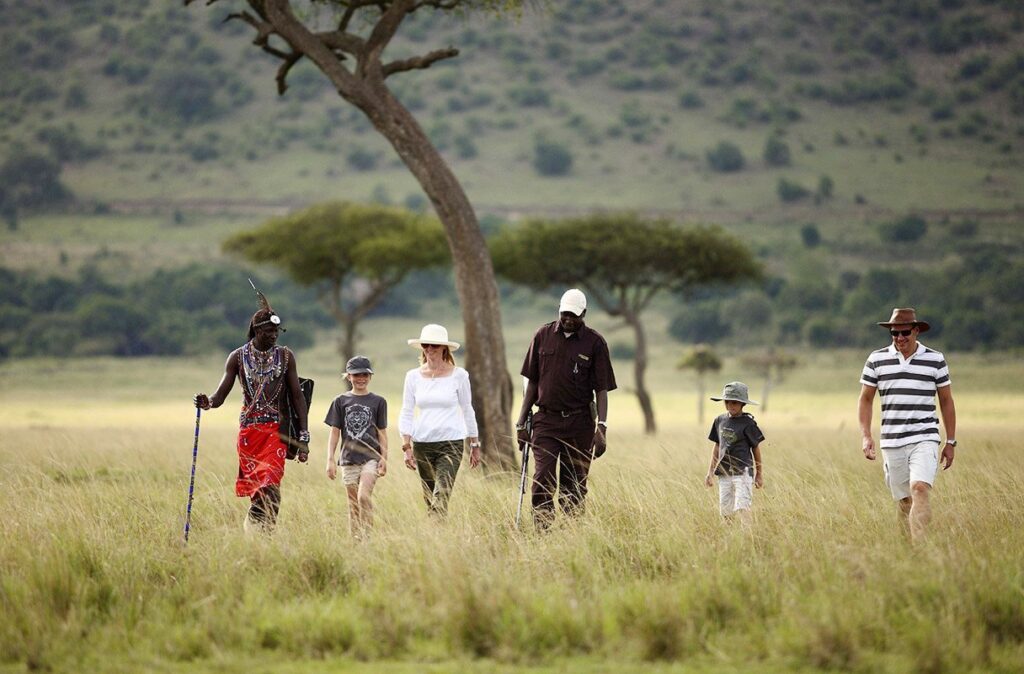
Many travelers spend their entire safari inside a vehicle, but exploring on foot completely changes your understanding of the African bush.
Instead of focusing solely on large mammals, walking safaris reveal:
These slower experiences often become the highlight of a safari because they encourage travelers to appreciate the landscape as a complete ecosystem rather than simply searching for the Big Five.
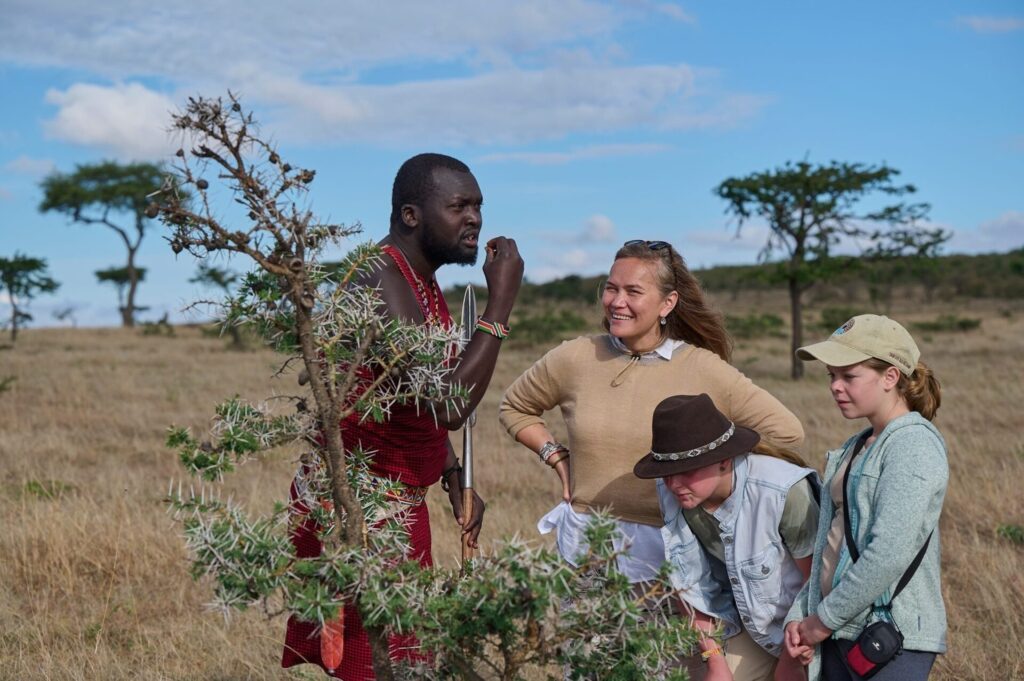
One of the most meaningful ways to practice responsible tourism in Africa is by participating in experiences that directly benefit local communities.
These might include:
By choosing experiences that prioritize people as well as wildlife, your safari contributes to long-term conservation while creating genuine cultural connections.
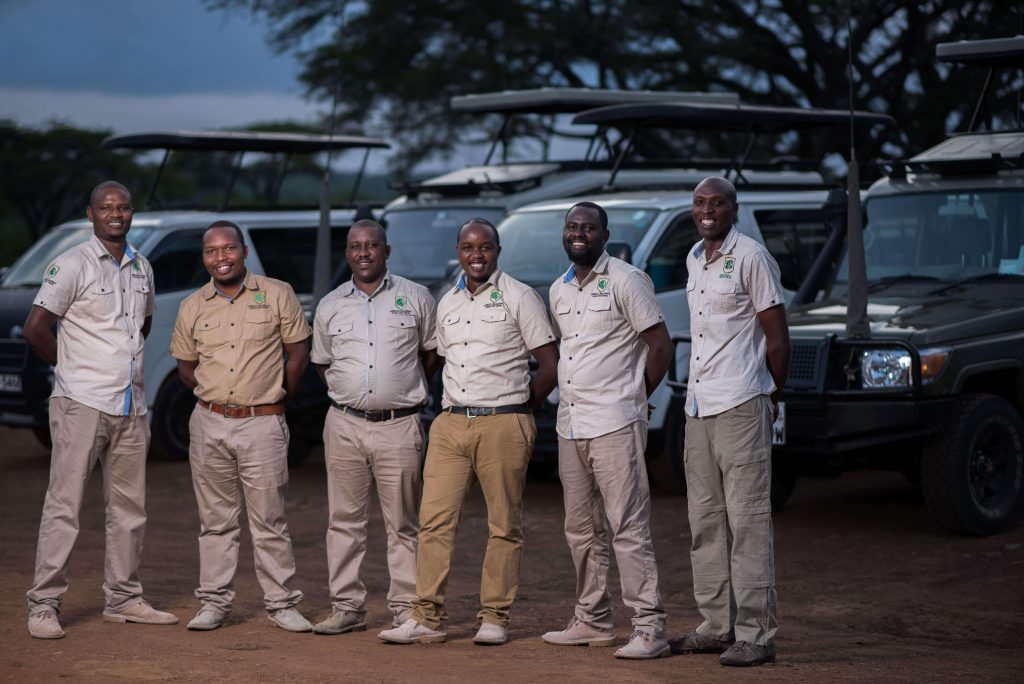
No one understands Africa’s landscapes better than the guides who spend every day exploring them. Professional safari guides possess an extraordinary depth of knowledge, not only about wildlife behavior but also weather patterns, conservation challenges, local cultures, and the complex relationships that sustain these remarkable ecosystems.
Safari guides help you:
Their decisions are never arbitrary. If they ask you to remain quiet, stay seated, avoid using flash photography, or leave a wildlife sighting earlier than expected, these requests are almost always made with conservation and safety in mind.
Experienced guides also know when wildlife needs space. An elephant displaying defensive behavior, a leopard stalking prey, or a mother protecting young animals all require different approaches. Respecting your guide’s judgment makes sure that these natural behaviors continue uninterrupted while creating safer wildlife encounters for everyone.
One of the defining characteristics of sustainable tourism in Africa is recognizing that visitors are guests within landscapes that have supported wildlife and local communities for generations. Approaching every interaction with curiosity, humility, and respect leaves a positive impression long after your safari has ended.
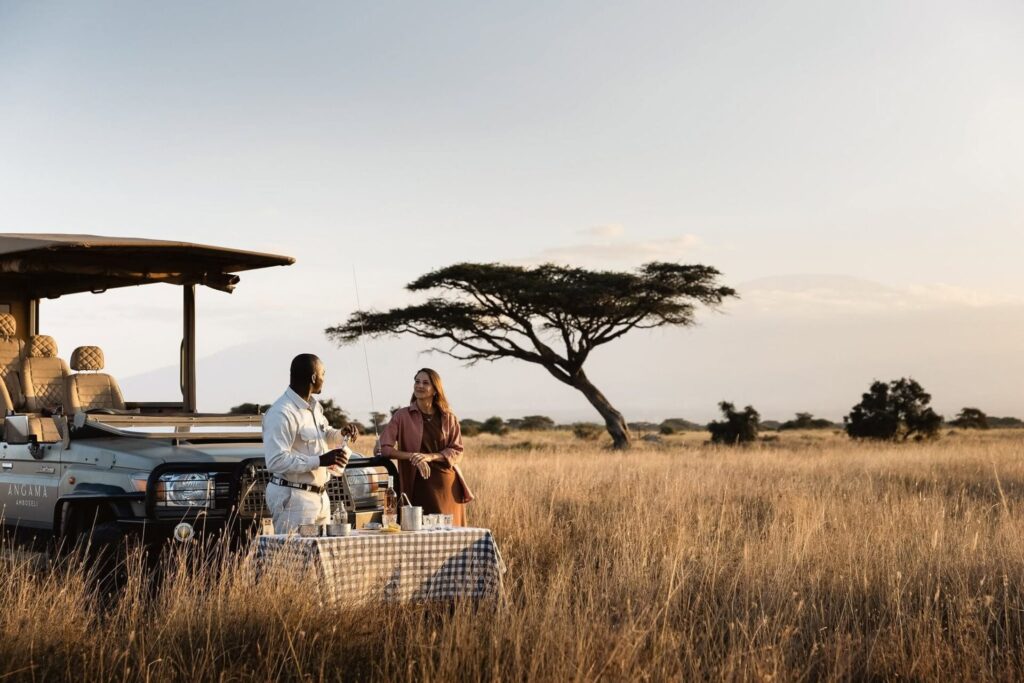
Practicing sustainable tourism doesn’t mean compromising on luxury or adventure. In fact, many of Africa’s most extraordinary safari experiences are built around responsible travel, combining exceptional wildlife encounters with meaningful conservation initiatives, community partnerships, and carefully protected wilderness areas.
At Flash McTours, sustainability is woven into every itinerary we create. From selecting exceptional eco-friendly accommodation options to recommending low-impact travel activities and thoughtfully designed conservation safaris, we help travelers experience Africa in ways that protect the landscapes and communities that make the continent so extraordinary.
Whether you’re planning your first safari or returning to explore new destinations, we’ll design a tailor-made itinerary that aligns with both your travel goals and your values. Contact Flash McTours today to start planning your sustainable safari.
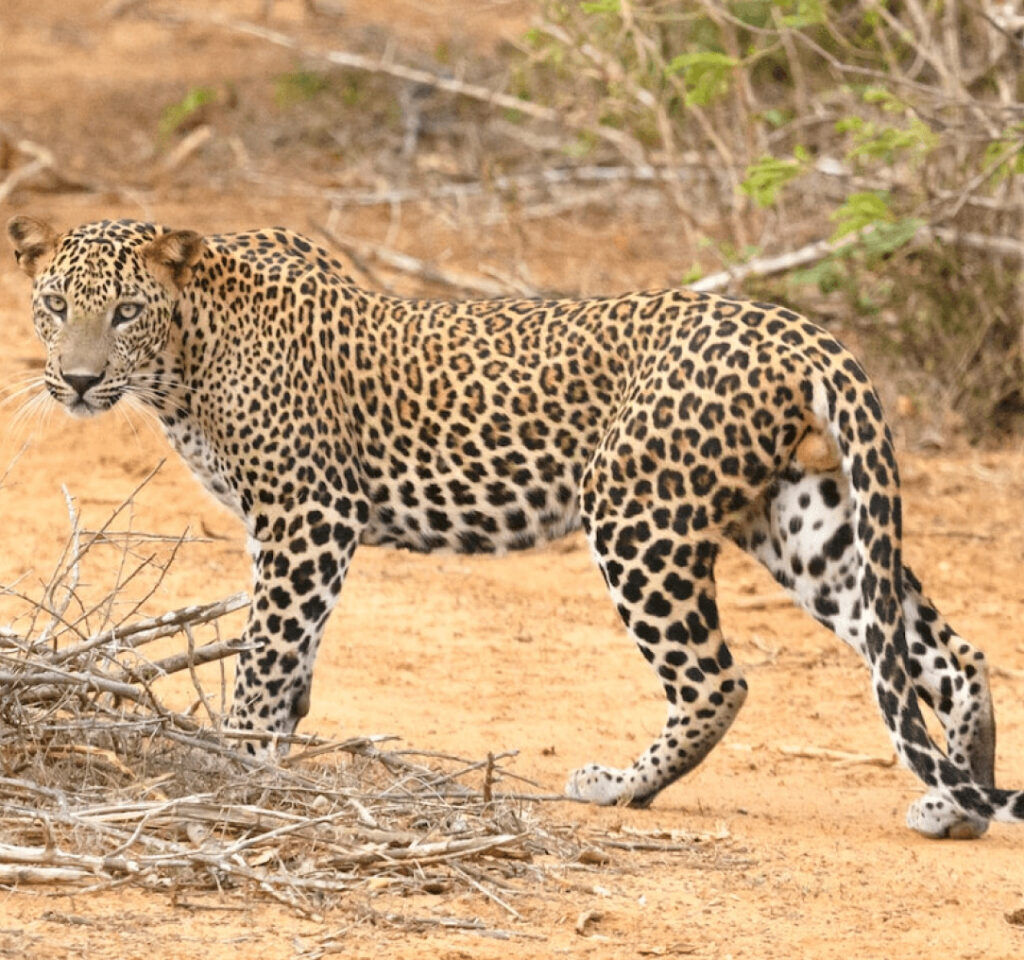
What makes a safari sustainable?
A sustainable safari has the elements of environmentally-responsible accommodation, ethical wildlife viewing, low-impact activities, and meaningful community engagement. Choosing eco-friendly accommodations in Africa, respecting wildlife from a safe distance, reducing your environmental footprint, and supporting local conservation initiatives all contribute to a sustainable safari experience.
How can I make sure my safari supports local communities?
Choose safari lodges and tour operators that invest directly in local employment, education, healthcare, and conservation initiatives. Community-owned conservancies, locally guided cultural experiences, and responsible tourism businesses make sure that your travel spending benefits the people who protect Africa’s wildlife and landscapes.
Look for operators that:
What is a conservation safari?
A conservation safari is designed to do more than showcase wildlife, it actively supports the protection of endangered species, habitats, and local communities through responsible tourism. Depending on your itinerary, this may include visiting community conservancies, learning about anti-poaching initiatives, tracking endangered rhinos with conservation experts, or staying at lodges that directly fund wildlife protection. For travelers wanting to make a lasting impact, a conservation safari is one of the best ways to experience Africa while contributing to its future.
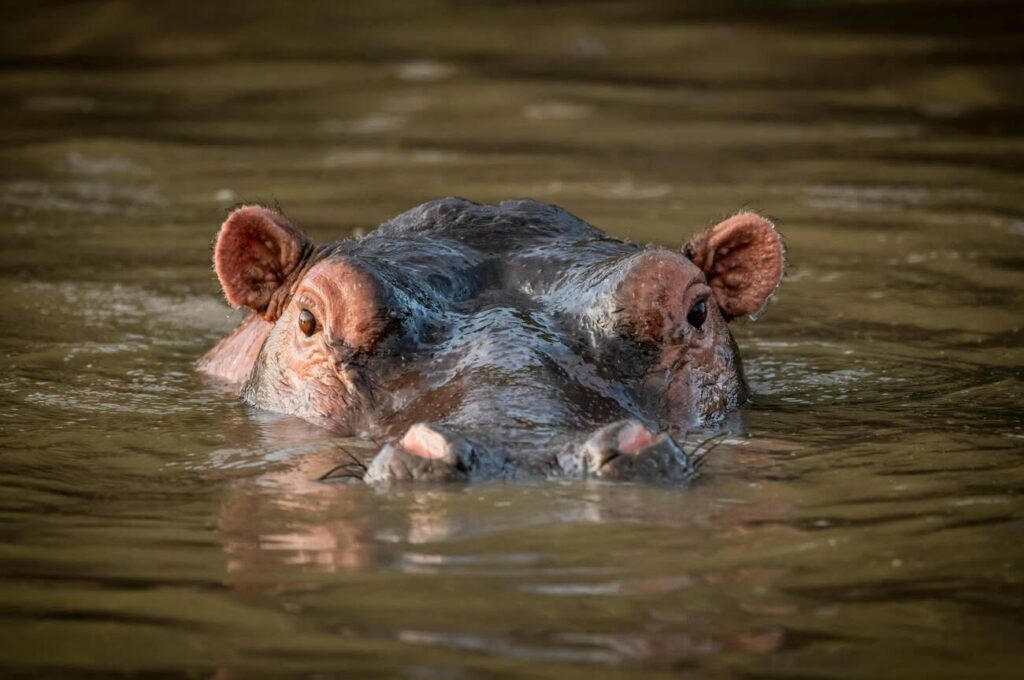
The future of Africa’s wildlife depends on the choices made by governments, conservation organizations, local communities, and travelers.
Fortunately, traveling responsibly doesn’t require dramatic sacrifices. It simply means making thoughtful decisions that support conservation, respect wildlife, reduce environmental impact, and create meaningful opportunities for the people who call these remarkable landscapes home.
By following these sustainable safari practices, you’ll discover that responsible travel often leads to richer wildlife encounters, deeper cultural connections, and a far greater appreciation for the extraordinary places you’re privileged to visit. The most memorable safaris don’t just leave you with incredible photographs, they leave Africa stronger because you were there.





Book our Hugely Popular 6 Day Budget Safari in Tanzania! Tanzania teems with wildlife. Across vast plains, over mountain ridges, and skimming volcanic lakes, the animals range and wander thr

Price From


Choose FlashMC Tours for Your 5-Day Gorilla Safari in Uganda and Rwanda The thrill of gorilla trekking Uganda with the highly-endangered mountain gorillas in thei

Price From





The wonders of safari don’t need to be constrained by borders – the animals of Africa certainly aren’t. This safari will see you explore parks and reserves across both Kenya and Tanzania, offeri

Price From
Book our Hugely Popular 6 Day Budget Safari in Tanzania! Tanzania teems with wildlife. Across vast plains, over mountain ridges, and skimming volcanic lakes, the animals range and wander thr
Price From
Choose FlashMC Tours for Your 5-Day Gorilla Safari in Uganda and Rwanda The thrill of gorilla trekking Uganda with the highly-endangered mountain gorillas in thei
Price From
The wonders of safari don’t need to be constrained by borders – the animals of Africa certainly aren’t. This safari will see you explore parks and reserves across both Kenya and Tanzania, offeri
Price From
If you don't want to miss useful and interesting articles, leave us your email.
Also you will be the first to know about all discounts and offers.









Personalized service by travel experts with first-hand knowledge

Customizable tours to your preference

400+ 5-star TripAdvisor and Google reviews

Booking Security - Money - back guarantee & 24/7 support