Take a look at this story
Kenya has long held a place in the imagination of travelers seeking one of Africa’s most iconic safari experiences. From the golden grasslands of the Masai Mara to the elephant-rich plains of Amboseli and the turquoise waters of the Indian Ocean coast, the country has extraordinary diversity within a single journey. Yet before planning a trip, many travelers ask the same essential question: Is it safe to travel to Kenya?
The short answer is yes. Kenya remains one of Africa’s most established and well-managed safari destinations, welcoming hundreds of thousands of international visitors each year. The country’s tourism industry is deeply experienced, its national parks are professionally managed, and reputable operators such as Flash McTours design carefully curated itineraries that prioritize both comfort and security.
For travelers planning a safari, the reality on the ground is often very different from the headlines. With thoughtful planning, expert guides, and a well-designed itinerary, Kenya is an exceptionally safe and rewarding travel experience.

Kenya’s tourism industry plays a vital role in the national economy, meaning visitor safety is taken seriously across the country.
Major safari regions such as the Masai Mara, Amboseli National Park, Laikipia, and Lewa Conservancy are well-established tourism areas with professional infrastructure and experienced guides. Safari lodges operate in controlled environments, often within private conservancies or protected national parks where wildlife viewing and guest safety are carefully managed.
International tourism continues to grow, and Kenya remains one of Africa’s most accessible safari destinations. With well-developed aviation networks, luxury lodges, and experienced safari operators, the country provides a travel experience that balances adventure with reassurance.
When visiting with a trusted safari specialist like Flash McTours, you benefit from expert itinerary design, local knowledge, and reliable logistical support throughout your journey.

Before traveling anywhere internationally, it’s wise to check official government travel advisories. In the case of Kenya, most advisories encourage travelers to exercise normal precautions while highlighting specific border regions that should be avoided.
These areas are far removed from Kenya’s primary tourism destinations. The vast majority of safari itineraries focus on regions such as the Masai Mara, Amboseli, and Laikipia, locations that have welcomed travelers safely for decades.
Professional safari operators continuously monitor travel developments and design itineraries accordingly. When travelers ask, “Is it safe to travel to Kenya?”, the answer often lies in careful destination selection and expert planning. By focusing on established safari regions and reputable accommodations, you can explore Kenya’s wilderness with confidence.

Kenya’s most popular safari destinations are widely regarded as safe and well-managed for international visitors.
Perhaps the most famous safari destination in Africa, the Masai Mara is renowned for its abundant wildlife and the annual Great Migration. The reserve is supported by a sophisticated tourism infrastructure and experienced guides who know the landscape intimately. Visitors regularly encounter lions, elephants, giraffes, cheetahs, and vast herds of plains game within relatively short distances from their lodges.
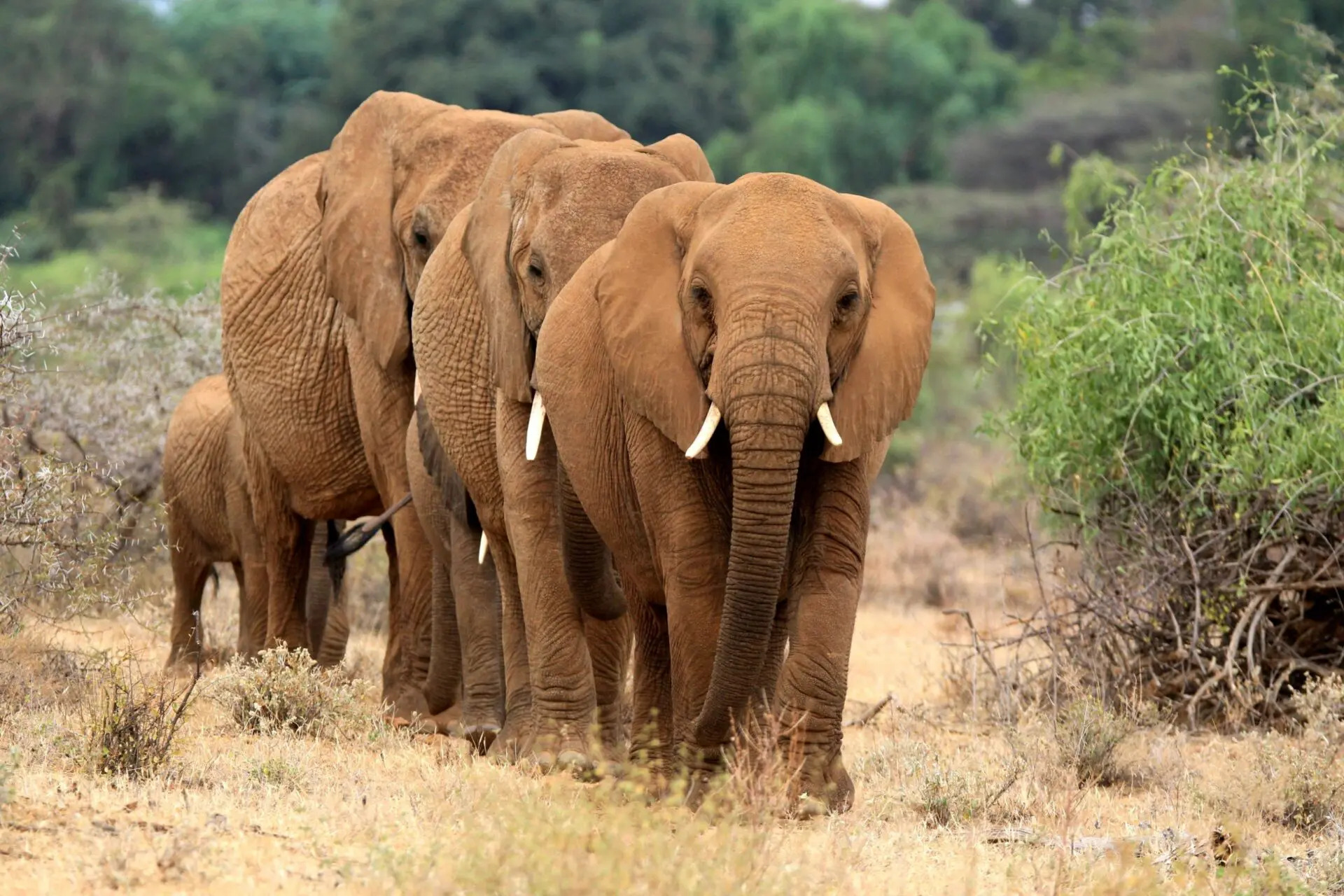
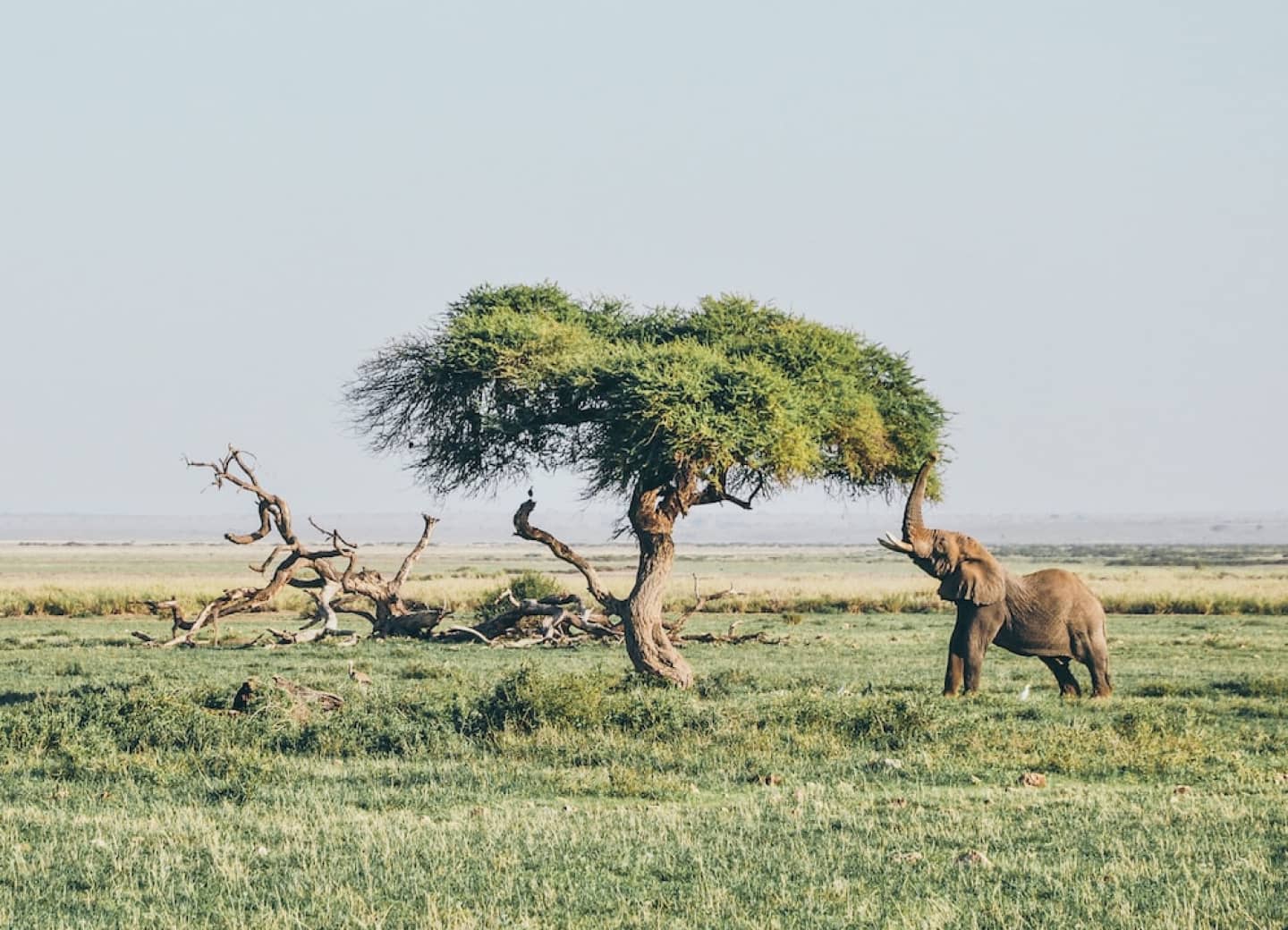
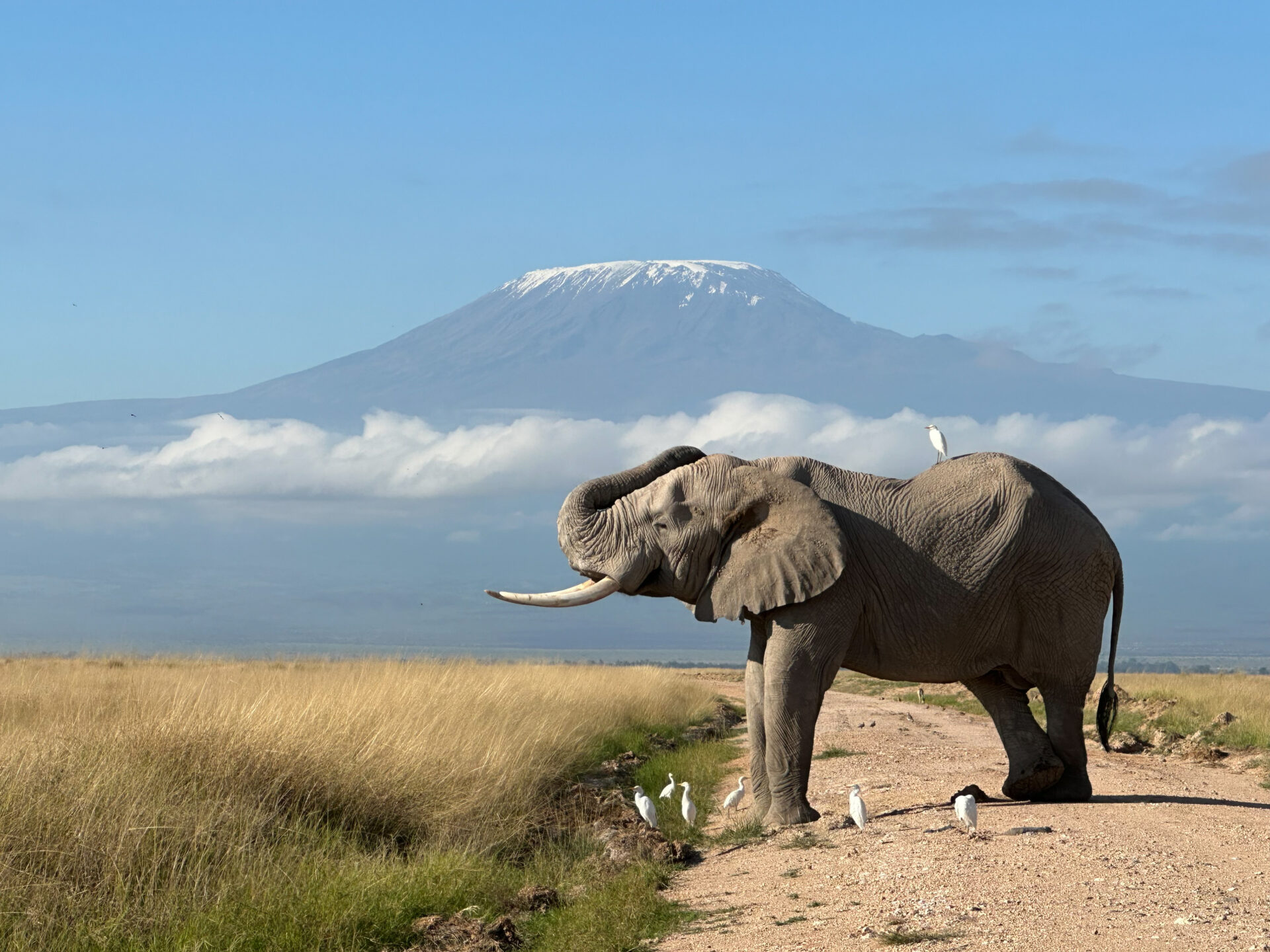
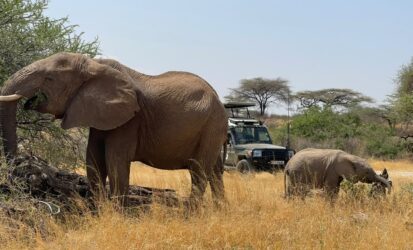
Amboseli has some of the most iconic safari scenes in Africa, with elephant herds moving across dusty plains beneath the snow-capped peak of Mount Kilimanjaro. The park’s open terrain makes wildlife viewing easy and accessible. The region’s lodges and camps are accustomed to international guests, and tourism has been central to Amboseli for decades.
Laikipia has emerged as one of Kenya’s most innovative safari regions. Private conservancies focus on conservation-driven tourism, bringing exclusive wildlife experiences away from crowds. This area is known for its strong conservation initiatives, excellent guiding, and luxurious safari properties.
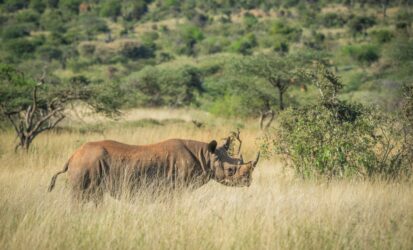
Lewa is internationally recognized for its rhino conservation programs and highly controlled tourism model. Access to the conservancy is limited, ensuring both environmental protection and a highly personalized safari experience.

For many travelers, Kenya represents their first safari experience in Africa. Naturally, questions about safety are common.
Fortunately, Kenya is one of the easiest places to begin a safari journey. The country has been welcoming international visitors for generations, and its safari industry is among the most experienced on the continent.
Professional guides accompany guests during game drives, lodge staff provide attentive service, and transportation logistics are carefully coordinated. This structured approach means travelers rarely navigate unfamiliar environments independently.
In fact, many visitors find that a safari in Kenya feels more organized and supported than many traditional city-based vacations.

One of the most reassuring aspects of safari travel is the structured nature of wildlife viewing.
Game drives take place in specially designed 4×4 safari vehicles led by highly trained guides. These professionals undergo extensive training in wildlife behavior, conservation principles, and guest safety.
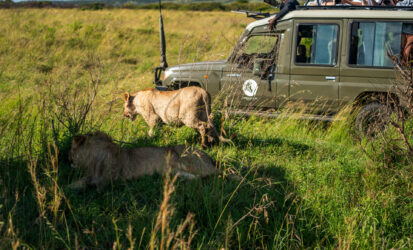
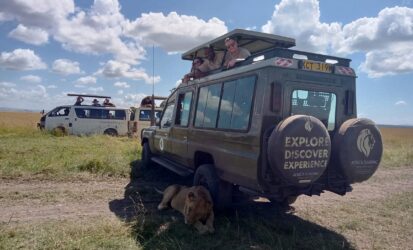
Visitors remain inside vehicles during wildlife encounters, allowing animals to behave naturally without feeling threatened. This system has been refined over decades and has proven to be one of the safest ways to observe wildlife in its natural habitat.

Health concerns are another common factor when evaluating safety. The good news is that with simple precautions, most travelers experience a healthy and comfortable trip.
Malaria
Kenya is not malaria-free, but the risk is manageable. Visitors typically take preventative medication and use insect repellent during evenings. Safari lodges also provide mosquito nets and other preventative measures.
Vaccinations
Routine travel vaccinations such as hepatitis A, typhoid, and tetanus are generally recommended. Yellow fever vaccination may be required depending on your travel history.
Food and Water
Safari lodges maintain international food safety standards and provide purified drinking water. Meals are often a highlight of the safari experience, with many lodges emphasizing fresh, locally sourced ingredients.
With proper preparation and travel insurance, health risks in Kenya are minimal.

Solo travel to Kenya is increasingly common, particularly among safari enthusiasts looking for a profound wildlife experience. Safari camps and lodges have secure environments where guests dine together, share game drives, and interact with experienced guides. This social atmosphere allows solo travelers to feel both comfortable and connected.
Flash McTours frequently designs itineraries specifically for solo guests, covering all aspects like safe transfers, comfortable accommodations, and engaging experiences throughout the journey.

With the right travel arrangements, the answer is yes. Safari environments are structured and professionally managed, and lodges employ experienced hospitality teams who prioritize guest comfort. Women traveling alone or in small groups often report feeling safe and welcomed throughout their safari experience.
As with travel anywhere in the world, simple precautions (such as dressing modestly in urban areas and arranging transportation in advance) contribute to a smooth journey.

Kenya is widely considered one of Africa’s most rewarding destinations for family travel. Many safari lodges offer family tents, private villas, and child-friendly activities designed to introduce younger travelers to wildlife and conservation. Junior ranger programs, bush walks, and cultural experiences allow children to engage with the natural world in meaningful ways.
Private game drives also provide flexibility, allowing families to tailor their schedules around children’s interests and energy levels. For many families, a safari in Kenya becomes a once-in-a-lifetime bonding experience.

Understanding local customs enhances both safety and enjoyment while traveling. Kenya is a culturally diverse nation with strong traditions rooted in community, hospitality, and respect. Visitors are generally welcomed warmly, especially in areas accustomed to international tourism.
Simple gestures such as dressing modestly in towns, asking permission before photographing people, and supporting local businesses help foster meaningful cultural connections. Responsible travel also supports conservation and local communities, key pillars of Kenya’s tourism philosophy.

For many first-time visitors, the presence of large wildlife naturally raises questions about safety. After all, seeing lions, elephants, or buffalo in the wild is a thrilling experience, but it’s also one that requires respect for nature and the environment.
The reassuring reality is that safari experiences in Kenya are carefully managed to protect both guests and wildlife. National parks and conservancies operate under strict regulations, and game drives are led by highly trained professional guides who understand animal behavior and the appropriate protocols for approaching wildlife.
Guests remain inside safari vehicles during sightings, allowing animals to behave naturally without feeling threatened. Over decades of safari tourism, wildlife has become accustomed to vehicles, often continuing their daily activities even when guests are nearby.
Safari lodges also follow clear safety procedures. Many camps are located in unfenced wilderness areas where animals may move freely through the landscape. Staff provide detailed briefings upon arrival and often escort guests between their rooms and the main lodge areas after dark.
These well-established systems allow travelers to enjoy extraordinary wildlife encounters while maintaining a safe and respectful distance from the animals.
Here are a few important wildlife safety guidelines that help keep safaris safe and enjoyable:
When these simple guidelines are followed, safaris remain one of the safest and most remarkable ways to experience wildlife in its natural habitat. Many travelers find that after their first game drive, the professionalism of the guides and the calm, controlled nature of wildlife viewing quickly replace any initial concerns with excitement and awe.

One of the most inspiring aspects of visiting Kenya is the role tourism plays in protecting wildlife and supporting local communities. A safari is not only an unforgettable travel experience, it is also a powerful force for conservation.
Across the country, responsible tourism helps fund the protection of national parks, wildlife conservancies, and critical ecosystems. Visitor fees, lodge partnerships, and conservation levies contribute directly to the preservation of landscapes that support some of Africa’s most iconic species.
Many of Kenya’s most successful conservation areas rely heavily on sustainable tourism. Private conservancies surrounding the Masai Mara and pioneering projects such as Lewa Wildlife Conservancy have demonstrated how tourism revenue can protect wildlife habitats while creating meaningful economic opportunities for local communities.
Here are some of the key ways tourism supports conservation in Kenya:
In this way, every safari has the potential to support something larger than the journey itself, helping to ensure that Kenya’s extraordinary wildlife and landscapes remain protected for generations to come.

When travelers ask, “Is it safe to travel to Kenya?”, the answer often depends on choosing the right safari partner. At Flash McTours, we design safaris with safety, expertise, and guest comfort at the forefront.
Key elements include:
This comprehensive approach ensures travelers enjoy Kenya’s wilderness with confidence.

Kenya’s wildlife reserves, experienced guides, and well-developed tourism infrastructure create an environment where adventure and safety coexist. Whether watching elephants roam beneath Mount Kilimanjaro or witnessing the drama of the Great Migration in the Masai Mara, visitors quickly discover why Kenya remains one of the world’s most beloved safari destinations. With thoughtful planning and expert guidance, Kenya has not only extraordinary wildlife encounters but also a travel experience that feels both exhilarating and reassuring.





Perfect for families and groups of friends, this Kenya family safari winds its way through the great parks and past the great lakes of Kenya. All the animals of your dreams are roaming wild through th

Price From




This ten day safari gives nature lovers an extended and diverse view of Kenya; its wildlife, its wonderful landscapes and its warm-hearted people. Given the country’s natural heritage, it’s only
Price From


This extensive Kenyan safari is perfect for families and couples in search of an active trip and a holiday of a lifetime. The ever-changing scenery, as you move from high plateaux to lowland forest an

Price From
Perfect for families and groups of friends, this Kenya family safari winds its way through the great parks and past the great lakes of Kenya. All the animals of your dreams are roaming wild through th
Price From
This ten day safari gives nature lovers an extended and diverse view of Kenya; its wildlife, its wonderful landscapes and its warm-hearted people. Given the country’s natural heritage, it’s only
Price From
This extensive Kenyan safari is perfect for families and couples in search of an active trip and a holiday of a lifetime. The ever-changing scenery, as you move from high plateaux to lowland forest an
Price From
If you don't want to miss useful and interesting articles, leave us your email.
Also you will be the first to know about all discounts and offers.









Personalized service by travel experts with first-hand knowledge

Customizable tours to your preference

400+ 5-star TripAdvisor and Google reviews

Booking Security - Money - back guarantee & 24/7 support