Take a look at this story
The history of East Africa stretches far beyond the wildlife reserves that dominate most safari itineraries. This is a region where some of the earliest chapters of human ancestry were uncovered, where powerful kingdoms rose and evolved, and where centuries of trade connected the African interior with Arabia, Persia, India, and Europe. Yet many travelers pass remarkably close to these East Africa cultural sites without realizing how easily they could be added to their safari.
Across Kenya, Tanzania, Uganda, and Rwanda, you’ll find extraordinary places that reveal these different layers of history. The 10 sites in this guide range from Olduvai Gorge, where Louis and Mary Leakey made groundbreaking discoveries relating to early human evolution, to the Swahili settlements of Lamu and Kilwa, Mombasa’s Fort Jesus, Uganda’s royal heritage, and the deeply moving Kigali Genocide Memorial. These aren’t destinations that require you to replace your wildlife safari with a history tour. Most can be incorporated into routes you’re already traveling.
Below, we explore why each site matters, what you can expect when you visit, and where it fits within a wider safari itinerary. With experience designing journeys throughout all four countries, we can combine the region’s wildlife with the archaeological, historical, and cultural places genuinely worth making time for.
The archaeological and cultural record of East Africa is every bit as remarkable as its natural heritage, yet East Africa archaeological sites rarely receive the same attention when safari itineraries are planned. Several of the places in this guide are UNESCO World Heritage Sites, and many are close enough to established safari routes, coastal extensions, or gateway cities to be included without adding more than a day to your journey.
The result is a safari that tells a much bigger story, not only of the landscapes and wildlife of East Africa, but of the people and civilizations that have shaped them.
Few countries demonstrate the extraordinary depth of East African history as clearly as Tanzania. Its archaeological and cultural sites span millions of years, from the evidence of early hominins around Olduvai and Laetoli to the powerful Swahili trading settlements of the Indian Ocean coast and the multicultural heritage of Zanzibar.
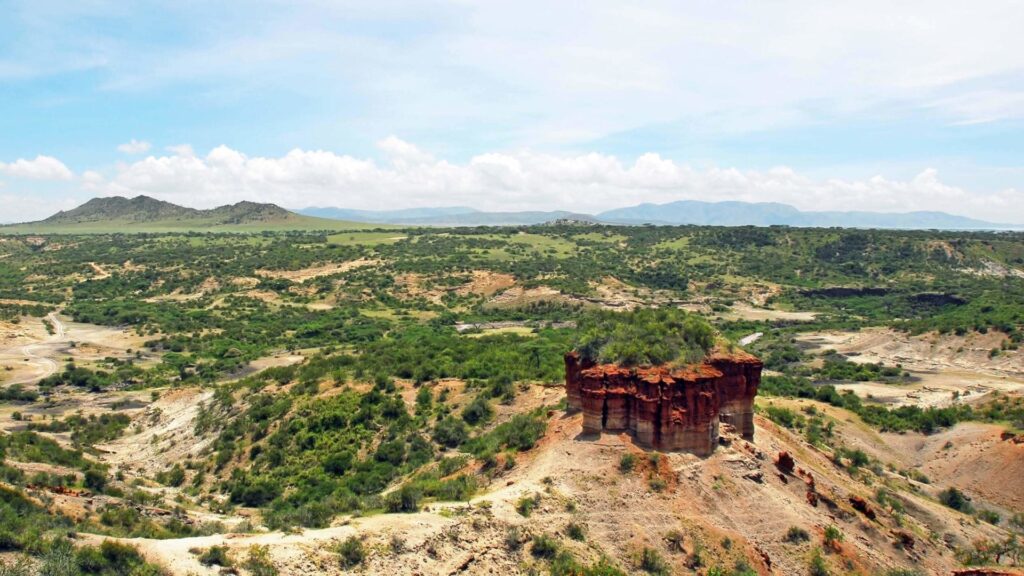
Within the Ngorongoro Conservation Area in northern Tanzania, Olduvai Gorge is one of the world’s most important paleoanthropological sites. Louis and Mary Leakey’s work here brought international attention to a landscape containing fossils and stone tools that have transformed our understanding of human evolution. It is one reason you’ll sometimes hear this part of the country referred to in searches for the ‘cradle of mankind Tanzania’.
Today, you can visit the Olduvai Gorge Museum and visitor facilities to learn about the discoveries, geology, and human history of the area. Nearby Laetoli adds another extraordinary chapter: fossilized hominin footprints dating to roughly 3.6 million years ago provide remarkably direct evidence of early bipedalism.
Olduvai’s location makes it particularly easy to incorporate into a safari. It lies along the route between Ngorongoro and the Serengeti, so you can explore one of humanity’s most important archaeological landscapes without making a major detour from Tanzania’s northern safari circuit. For help planning the wildlife portion of the journey, read our complete guide to a Serengeti safari.
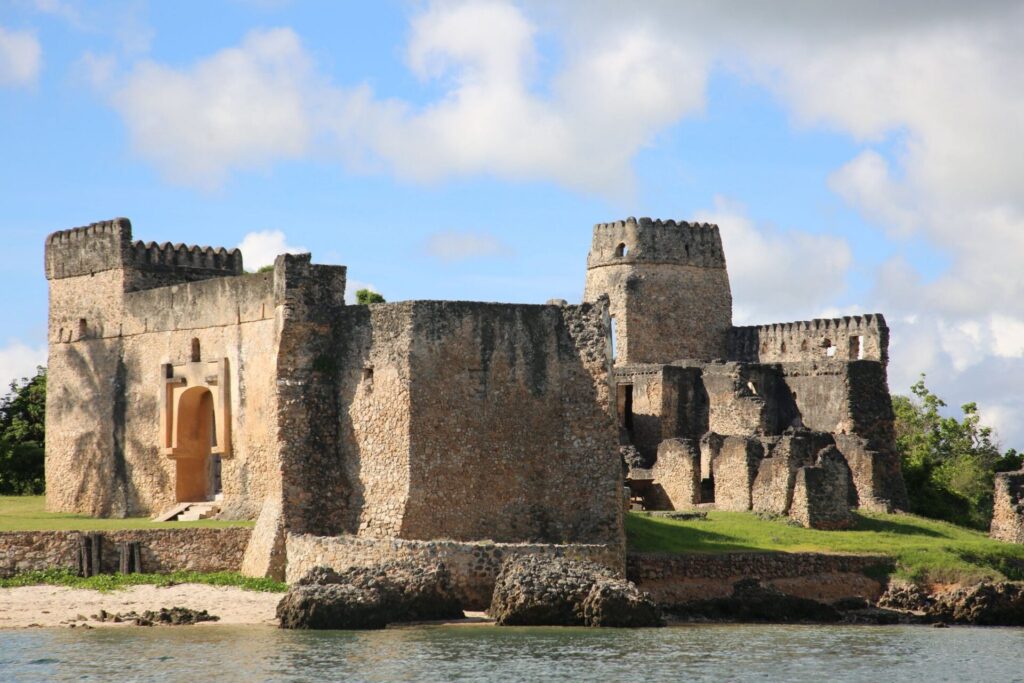
Off Tanzania’s southern coast, Kilwa Kisiwani preserves the remains of what was once one of the most powerful Swahili trading city-states on the East African coast. Between roughly the 9th and 16th centuries, Kilwa prospered through Indian Ocean trade, with commodities including gold and ivory (sadly, as well as enslaved people) moving through its ports and connecting the African interior with an international trading network.
Its UNESCO-listed ruins include the Great Mosque of Kilwa and Husuni Kubwa, an enormous palace complex that hints at the wealth and influence the settlement once commanded.
Kilwa is considerably more remote than Tanzania’s northern historical sites, but that’s part of its appeal. It makes the most geographical sense for travelers exploring southern Tanzania, particularly those combining cultural exploration with Nyerere National Park or Ruaha. Our Tanzania: A Comprehensive Safari Guide can help you understand how the country’s different safari regions fit together.

At the heart of Zanzibar City, Zanzibar Stone Town is not an archaeological site preserved behind barriers. It is a living historic quarter where Swahili, Arab, Persian, Indian, and European influences have accumulated over centuries. Its labyrinth of narrow alleyways, intricately carved wooden doors, coral-stone buildings, mosques, markets, and merchant houses tells the story of an island positioned at the crossroads of the Indian Ocean.
Any exploration of Stone Town Zanzibar history also requires confronting the more difficult chapters of the island’s past. Zanzibar became an important center of the 19th-century clove and spice economy as well as the East African slave trade. Landmarks including the Old Fort and the House of Wonders add further context to the political and trading history of the island.
Stone Town is also one of the easiest historical destinations to add to an East African safari. If you’re flying to Zanzibar after the Serengeti or Ngorongoro, spend at least a day exploring the old city before heading to the beach. Our guide to the best things to do in Zanzibar has more ideas for your island stay.
Some of the most fascinating archaeological sites in Kenya lie along the country’s Swahili coast, where centuries of African and Indian Ocean history survive around Mombasa, Malindi, Watamu, and the Lamu Archipelago.
They also pair surprisingly easily with a wildlife itinerary. After exploring the Masai Mara, Amboseli, or Kenya’s northern reserves, you can fly to the coast and add several days of history and beach time to your Kenya safari.

Built by the Portuguese in 1593, Fort Jesus Mombasa was designed to protect and control an increasingly important point on the Indian Ocean trade routes. Over the centuries, the fortress repeatedly changed hands as Portuguese, Omani Arab, and later British influence reshaped Mombasa and the wider coast.
Today, Fort Jesus is a UNESCO World Heritage Site and museum, with collections reflecting Swahili, Arab, Portuguese, and other influences on the region. Its position beside Mombasa’s Old Town means a visit can easily be combined with a walk through streets lined with historic buildings and carved doors. It’s particularly convenient if you’re flying into or out of Mombasa or adding a stay on Kenya’s southern beaches to your safari. For a broader introduction to the country, read our Kenya: A Comprehensive Safari Guide.
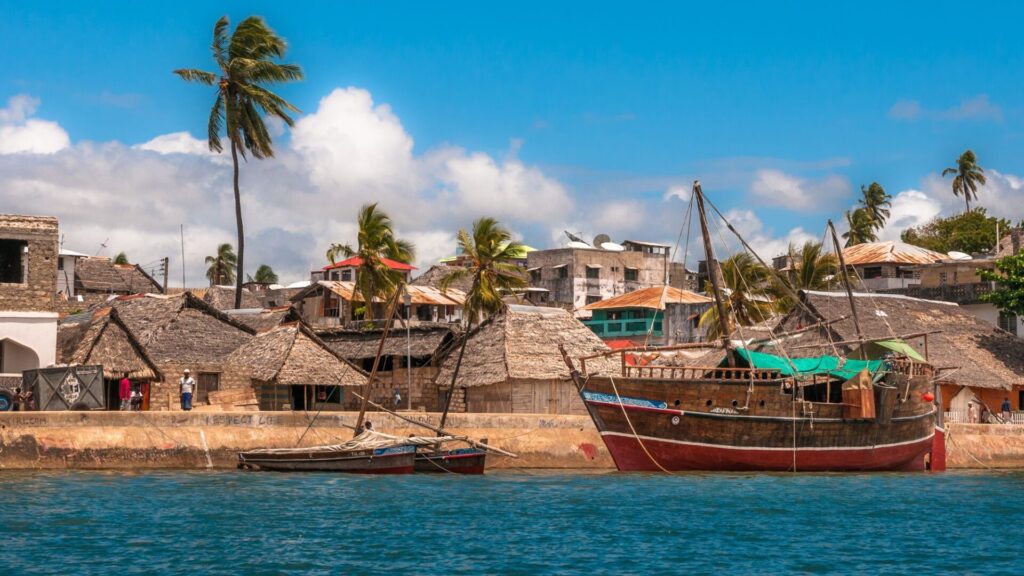
Lamu Old Town is the oldest continuously inhabited Swahili settlement in East Africa and has been recognized as a UNESCO World Heritage Site since 2001. Rather than functioning as a preserved historical attraction, Lamu remains a living town whose coral-stone houses, carved doors, mosques, courtyards, and narrow streets continue to reflect centuries of Swahili culture.
Cars are largely absent from the old town, with people traditionally moving through its narrow lanes on foot or by donkey and traveling between islands aboard dhows. Cultural traditions are also celebrated through events such as the annual Lamu Cultural Festival.
Despite feeling far removed from the pace of modern Kenya, Lamu is accessible by scheduled flights from Nairobi and Mombasa. That makes it an achievable addition to a safari followed by time on the coast rather than a journey requiring an entirely separate trip.
Hidden within coastal forest near Watamu and Malindi, the Gedi Ruins preserve the remains of a Swahili town that flourished for centuries before being abandoned. The reasons for its decline remain debated, with drought, disease, conflict, and migration among the explanations that have been proposed.
Today, you can walk among the remains of mosques, a palace, houses, and pillar tombs surrounded by forest, giving a striking contrast to Kenya’s better-known coastal resorts. Gedi’s location makes it exceptionally easy to add some of the best beaches in East Africa around Watamu or Malindi.
Uganda’s historical landmarks provide a window into the kingdoms and communities that shaped the country long before its modern borders existed. Around Kampala, the legacy of Buganda (one of East Africa’s most influential traditional kingdoms) remains particularly visible. These cultural stops can be incorporated before or after a wildlife and primate-focused Uganda safari.
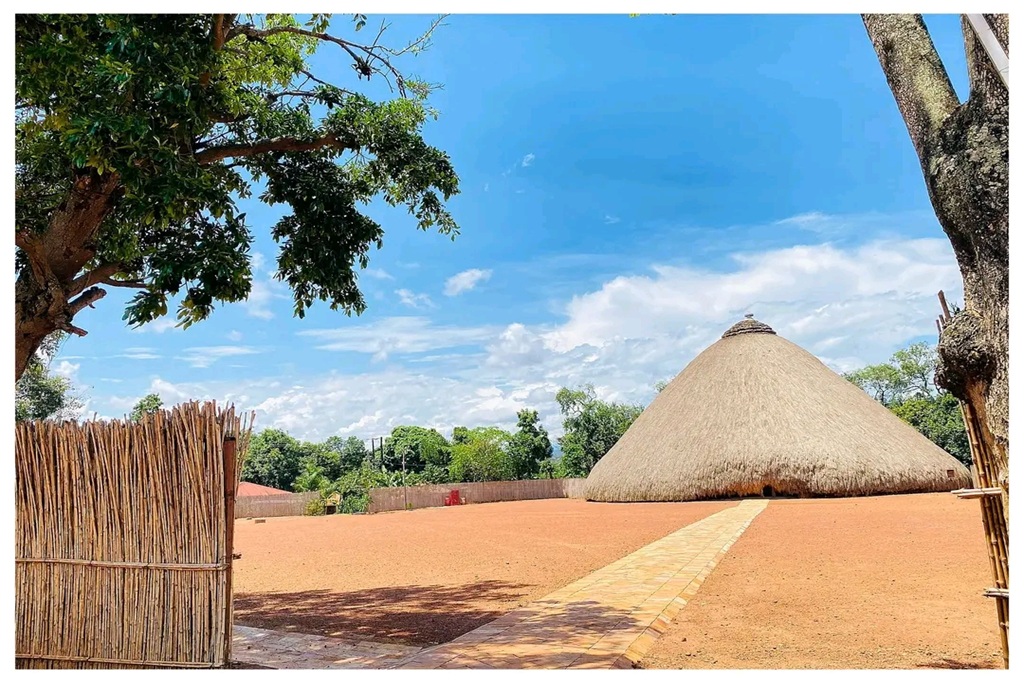
In Kampala, the Kasubi Tombs have served as a burial place for Buganda kings, or kabakas, since the late 19th century. The UNESCO World Heritage Site is particularly significant for its traditional architectural methods, including the enormous thatched structures associated with Buganda’s royal traditions.
A fire in 2010 destroyed the main tomb building, Muzibu Azaala Mpanga, leading to an extensive reconstruction and restoration project. Because access and visitor arrangements can change, you should check the latest status before including the site in your plans.
Kasubi is more than an architectural monument. It retains deep spiritual, ceremonial, and cultural significance for the Baganda people and remains connected to the living traditions of the kingdom. Its Kampala location makes it relatively straightforward to include before continuing toward Bwindi for gorilla trekking or Kibale for chimpanzee tracking.
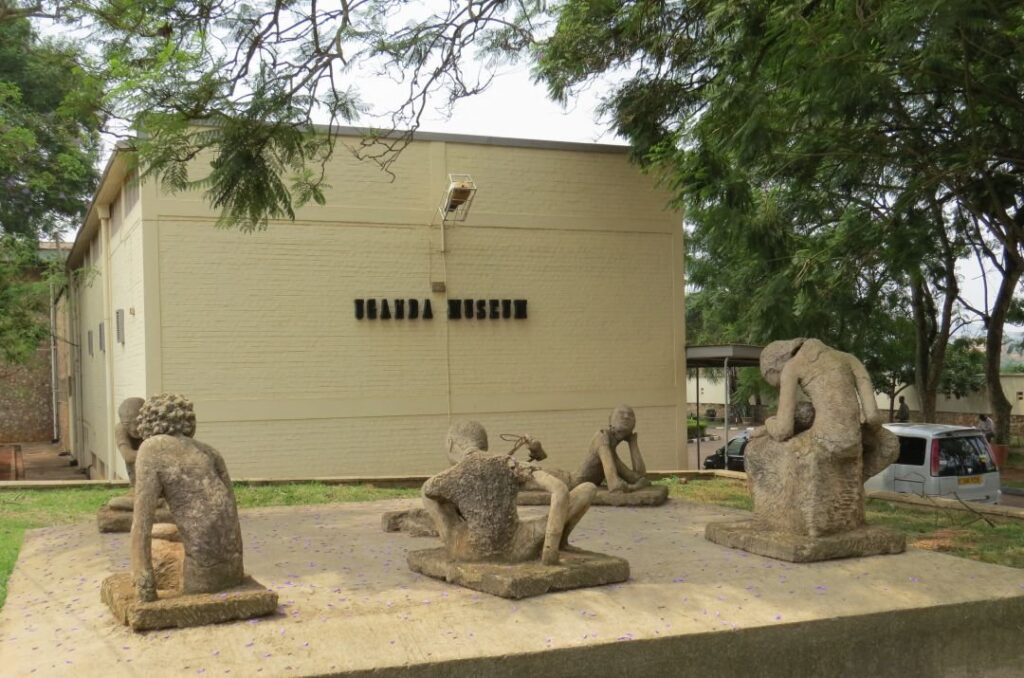
Established in 1908, the Uganda Museum is East Africa’s oldest museum. Its collections span archaeology, ethnography, natural history, and traditional musical instruments, providing an accessible introduction to the cultures and communities that make up modern Uganda.
For safari travelers, its greatest advantage is convenience. A few hours here before or after your safari can provide valuable cultural context without adding another destination to your route, particularly if you’re passing through Kampala on the way to western Uganda.
Rwanda’s history can be explored through two very different but equally important lenses: the traditions of the former Rwandan monarchy and the country’s much more recent history surrounding the 1994 genocide against the Tutsi. Understanding both adds important context to a Rwanda safari, particularly for who might otherwise see the country primarily through the lens of gorilla trekking.
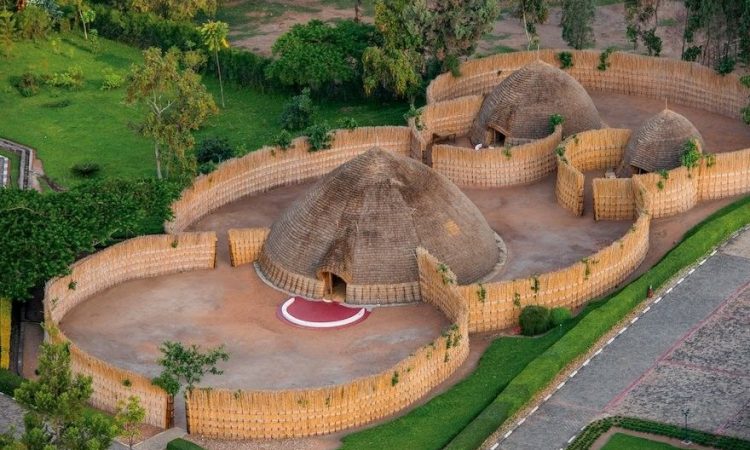
At Nyanza, the former royal capital, the King’s Palace Museum Rwanda introduces you to the traditions of the country’s monarchy. A reconstruction of the traditional royal residence, with its distinctive domed thatched architecture, sits alongside a more modern palace built during the 20th century.
The museum is also known for its Inyambo cattle, whose extraordinary long horns and ceremonial importance connect them closely to Rwanda’s royal traditions. Nyanza can add a valuable cultural dimension to a longer Rwanda itinerary, particularly when combining Kigali with Akagera National Park or exploring more of the country beyond its famous gorillas. Read more about the country in our Rwanda: A Comprehensive Safari Guide.
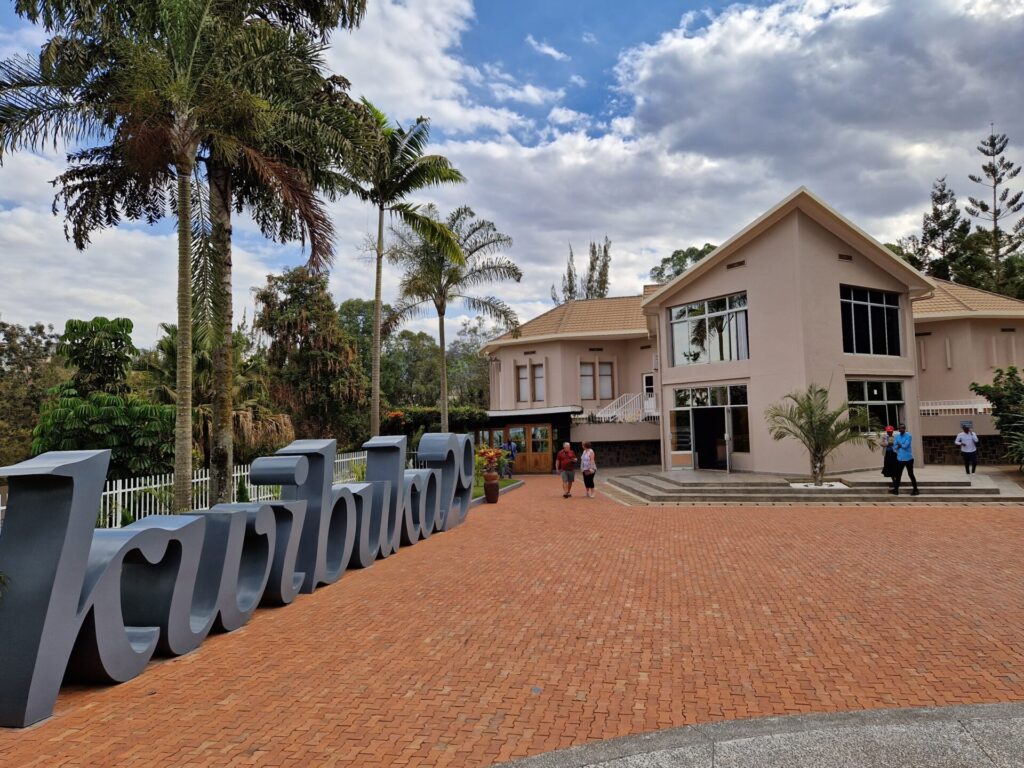
The Kigali Genocide Memorial is the final resting place of more than 250,000 victims of the 1994 genocide against the Tutsi. It serves simultaneously as a place of remembrance, a center for education, and a space for understanding the events that devastated Rwanda.
A visit is emotionally difficult, and it deserves time and respect. The exhibitions provide historical context to the genocide while personal testimony and memorial spaces give you some understanding of its human cost. For international visitors, the experience can also provide important context for understanding the transformation Rwanda has undergone in the decades since.
Because the memorial is in Kigali, it can be included at the beginning or end of almost any Rwanda itinerary without a significant detour. Rather than treating it simply as another attraction to tick off a list, allow enough time to experience the memorial at an appropriate pace.
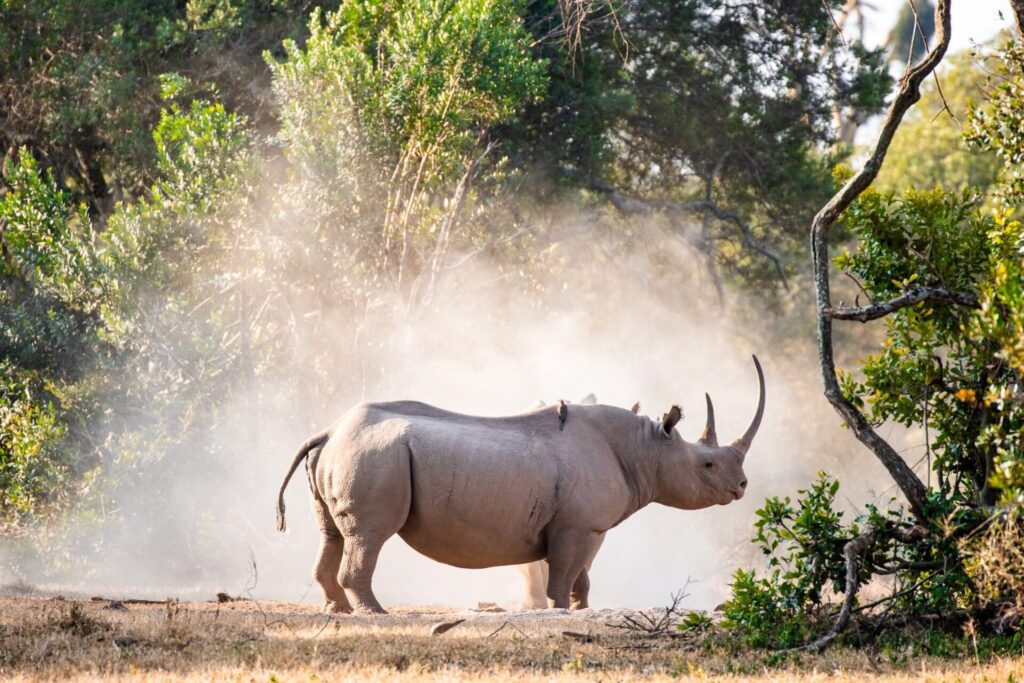
You don’t need to plan a separate history tour to experience the best East Africa historical sites. The key is choosing places that fit naturally into the route you’re already traveling.
Olduvai Gorge slots neatly between Ngorongoro and the Serengeti. Fort Jesus, Lamu Old Town, and Gedi can be paired with a Kenya coast extension. Kampala has opportunities to visit the Kasubi Tombs and Uganda Museum before continuing to Bwindi or Kibale, while the King’s Palace Museum and Kigali Genocide Memorial can be incorporated around gorilla trekking or an Akagera safari in Rwanda.
Stone Town is similarly easy to include before a Zanzibar beach stay, while Kilwa makes most sense for travelers already exploring southern Tanzania. With thoughtful routing, wildlife and history don’t need to compete for your time. The best itineraries allow one to deepen your understanding of the other.
Why is Olduvai Gorge famous?
Olduvai Gorge is famous for the important hominin fossils and stone tools discovered there, particularly through the work of Louis and Mary Leakey and other researchers. These discoveries helped establish East Africa as one of the most important regions in the scientific study of human evolution, earning the area its association with the “Cradle of Humankind.”
Can you visit Olduvai Gorge?
Yes. You can stop at Olduvai Gorge and visit its museum and visitor facilities to learn about the area’s archaeology, geology, and fossil discoveries. Its location between Ngorongoro and the Serengeti makes it particularly convenient to incorporate into a northern Tanzania safari.
Where was the oldest human skull discovered in Tanzania?
Some of Tanzania’s most significant early hominin fossil discoveries were made at Olduvai Gorge, including finds associated with the Leakeys’ research. The wider Ngorongoro region is also home to Laetoli, famous for its approximately 3.6-million-year-old hominin footprints.
Where is Laetoli in relation to Olduvai Gorge?
Laetoli lies south of Olduvai Gorge within the wider Ngorongoro Conservation Area of northern Tanzania. It is internationally important for the fossilized hominin footprints discovered there, which date back approximately 3.6 million years.
What is Fort Jesus known for?
Fort Jesus is a 16th-century Portuguese fortress built to help control maritime trade around Mombasa and the wider Indian Ocean coast. Today it is recognized as a UNESCO World Heritage Site and houses a museum exploring aspects of the region’s Swahili, Arab, and Portuguese history.
What happened at Fort Jesus?
After its construction by the Portuguese in 1593, Fort Jesus became the focus of repeated struggles for control of Mombasa. Portuguese and Omani forces were among those that controlled the fortress at different points, with its changing ownership reflecting the wider contest for power and trade along the East African coast.
How much is the entry fee for Fort Jesus?
Fort Jesus charges an admission fee, with rates potentially differing according to visitor category and residency status. Because admission prices can change, check current official information before visiting rather than relying on an older published rate.
Why is Lamu Old Town famous?
Lamu Old Town is renowned as the oldest continuously inhabited Swahili settlement in East Africa and is recognized as a UNESCO World Heritage Site. Its narrow, largely car-free streets, coral-stone architecture, carved doors, mosques, dhows, and living cultural traditions make it one of the region’s most distinctive historic towns.
Is Lamu, Kenya worth visiting?
Yes, particularly if you’re interested in history, architecture, Swahili culture, and a slower style of coastal travel. What makes Lamu special is that it isn’t simply a restored historic district: it remains a living community where centuries-old cultural traditions continue alongside everyday life.
What is the dress code for Lamu Old Town?
Lamu has a predominantly Muslim Swahili culture, so respectful, modest clothing is appropriate when walking through the old town. Covering shoulders and knees is recommended, particularly when visiting cultural or religious areas and when away from the beach.
The richest East African journeys reveal more than extraordinary wildlife. They can take you from landscapes associated with some of our earliest human ancestors at Olduvai Gorge to the living Swahili culture of Lamu and Stone Town, Uganda’s royal heritage, and the places that help visitors understand both Rwanda’s ancient monarchy and its modern history.
Flash McTours can help you incorporate these places into an itinerary alongside the Serengeti, Masai Mara, Ngorongoro Crater, gorilla trekking, or an Indian Ocean beach extension.
If you don't want to miss useful and interesting articles, leave us your email.
Also you will be the first to know about all discounts and offers.









Personalized service by travel experts with first-hand knowledge

Customizable tours to your preference

400+ 5-star TripAdvisor and Google reviews

Booking Security - Money - back guarantee & 24/7 support